xinkehui

半導體陶瓷:驅動現代電子產業的先進材料

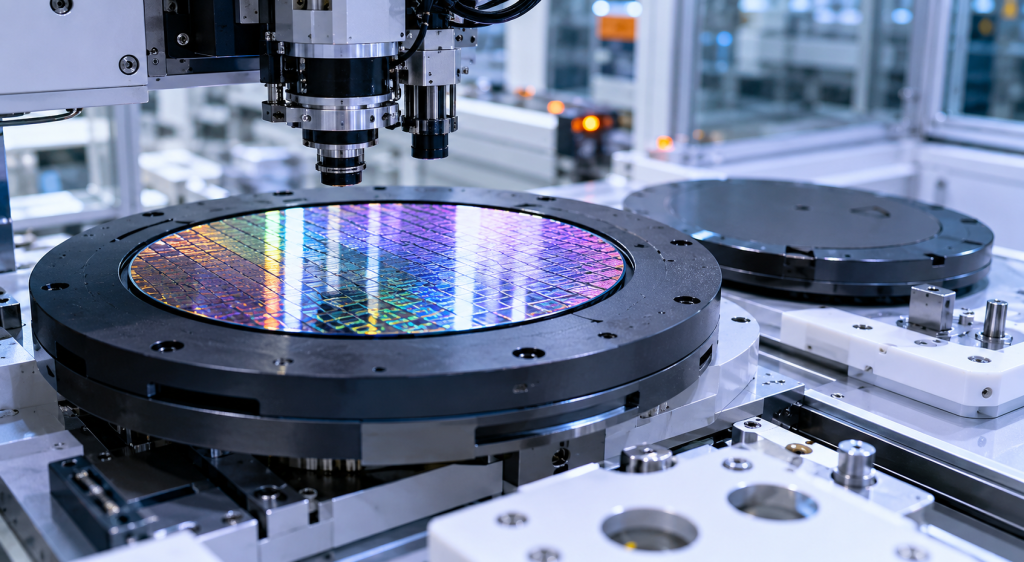
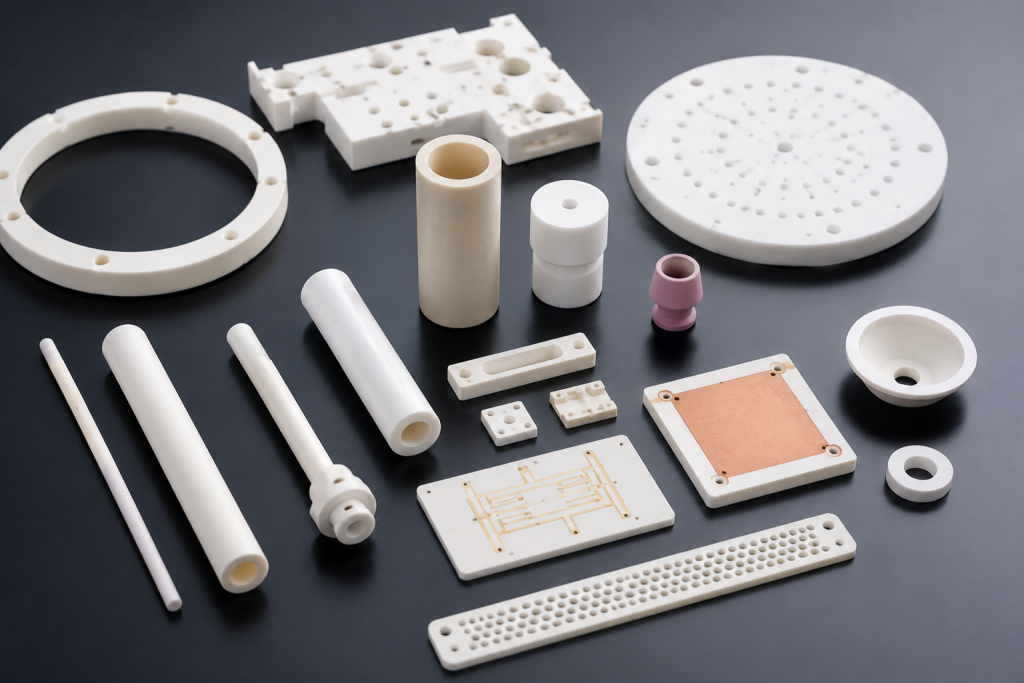
As semiconductor devices continue to become smaller, faster, and more powerful, the materials used in semiconductor manufacturing equipment must meet increasingly demanding performance requirements. Traditional metals and polymers often struggle to withstand extreme temperatures, corrosive chemicals, plasma environments, and ultra-clean processing conditions. This is where semiconductor ceramics play a critical role. Advanced ceramic materials combine […]

半導體陶瓷:驅動現代電子產業的先進材料 閱讀更多 »

為什麼碳化矽陶瓷具有優異的耐磨性和耐腐蝕性?

Advanced ceramic materials have become increasingly important in industries that demand exceptional durability, chemical stability, and long service life. Among these materials, silicon carbide (SiC) ceramics have gained widespread recognition for their outstanding wear resistance and corrosion resistance. As a result, silicon carbide components are widely used in semiconductor manufacturing, chemical processing, energy production, mining,

為什麼碳化矽陶瓷具有優異的耐磨性和耐腐蝕性? 閱讀更多 »

半導體陶瓷元件製造流程:從原料粉末到精密零件

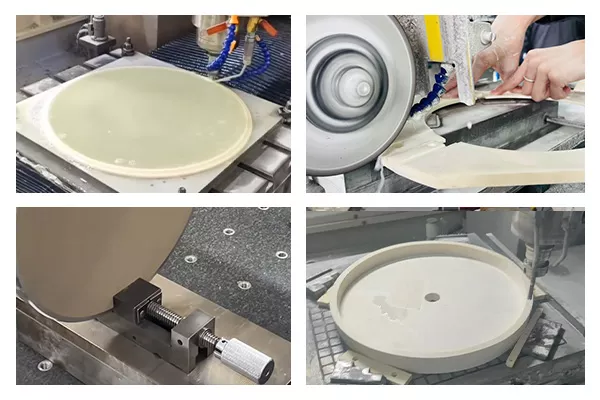
Modern semiconductor manufacturing relies heavily on advanced equipment such as etching systems, lithography machines, ion implantation tools, and deposition equipment. Inside these systems, numerous ceramic components play critical roles in ensuring process stability, precision, and reliability. Thanks to their exceptional high-temperature resistance, corrosion resistance, mechanical strength, dimensional stability, and electrical properties, advanced ceramic components are

半導體陶瓷元件製造流程:從原料粉末到精密零件 閱讀更多 »

用於精密工業應用的高純度氧化鋯零件

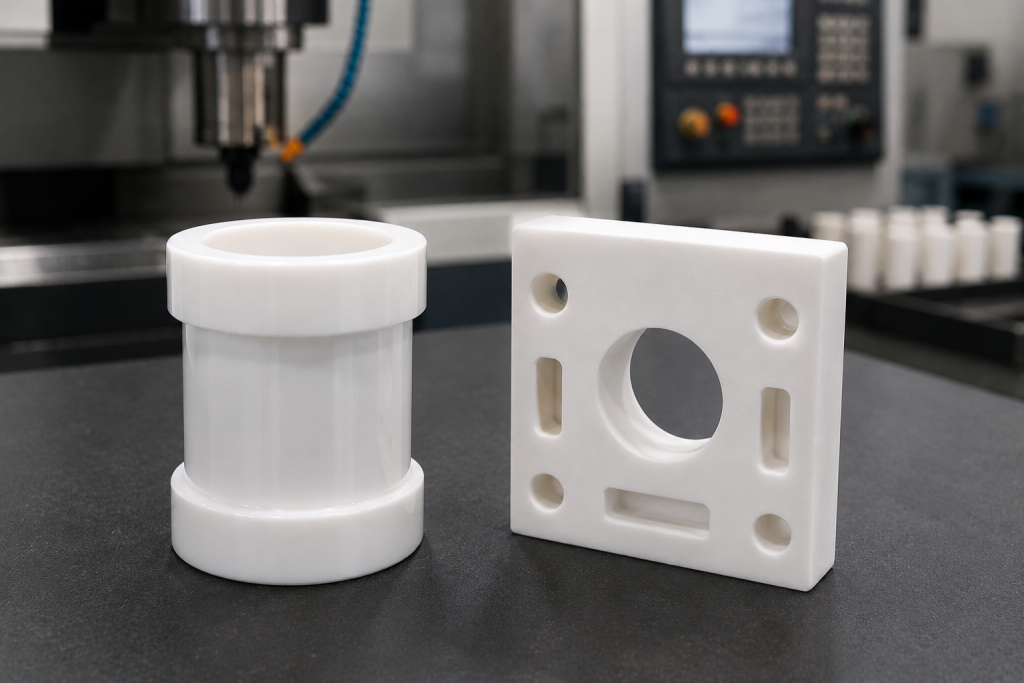
High purity zirconia parts are widely used in industries that demand exceptional wear resistance, corrosion resistance, dimensional stability, and mechanical strength. Compared with traditional metal materials and standard industrial ceramics, zirconia ceramics offer a unique combination of toughness and precision, making them suitable for advanced industrial systems. Today, high purity zirconia components are commonly found

用於精密工業應用的高純度氧化鋯零件 閱讀更多 »

靜電夾頭 vs 真空夾頭:哪種晶圓夾持技術更適合半導體製造?

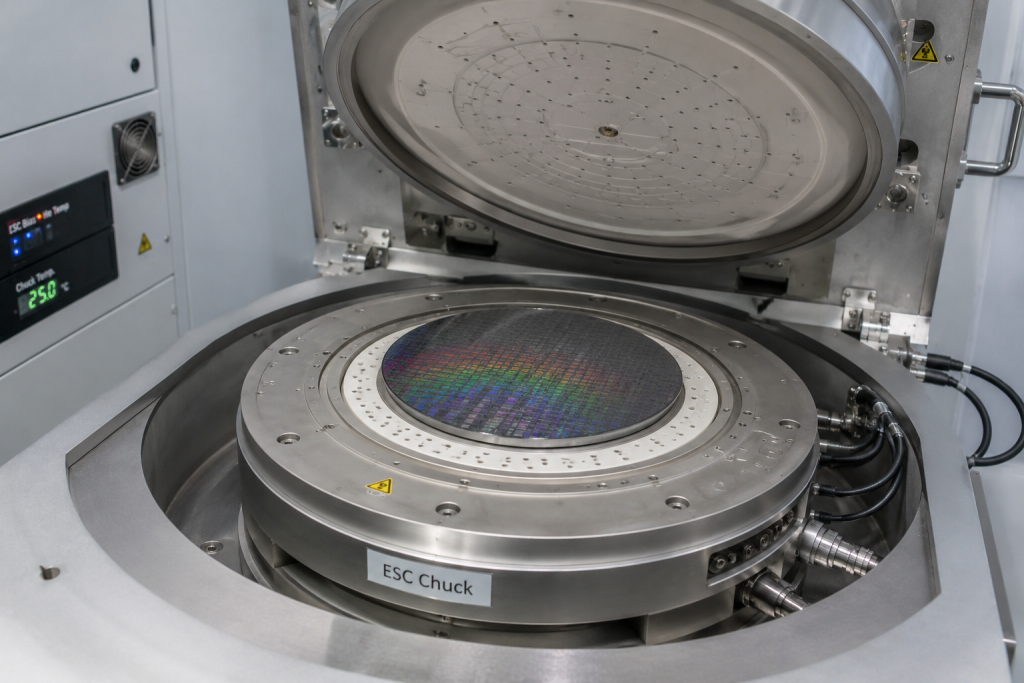
In semiconductor manufacturing, wafer positioning and fixation are fundamental requirements for achieving process precision and yield stability. During etching, deposition, lithography, inspection, and plasma processing, silicon wafers must remain securely held while maintaining minimal contamination and excellent thermal uniformity. As device structures continue shrinking and wafer sizes continue increasing, traditional holding methods face growing challenges.

靜電夾頭 vs 真空夾頭:哪種晶圓夾持技術更適合半導體製造? 閱讀更多 »

碳化矽托盤取代傳統晶圓載具的原因

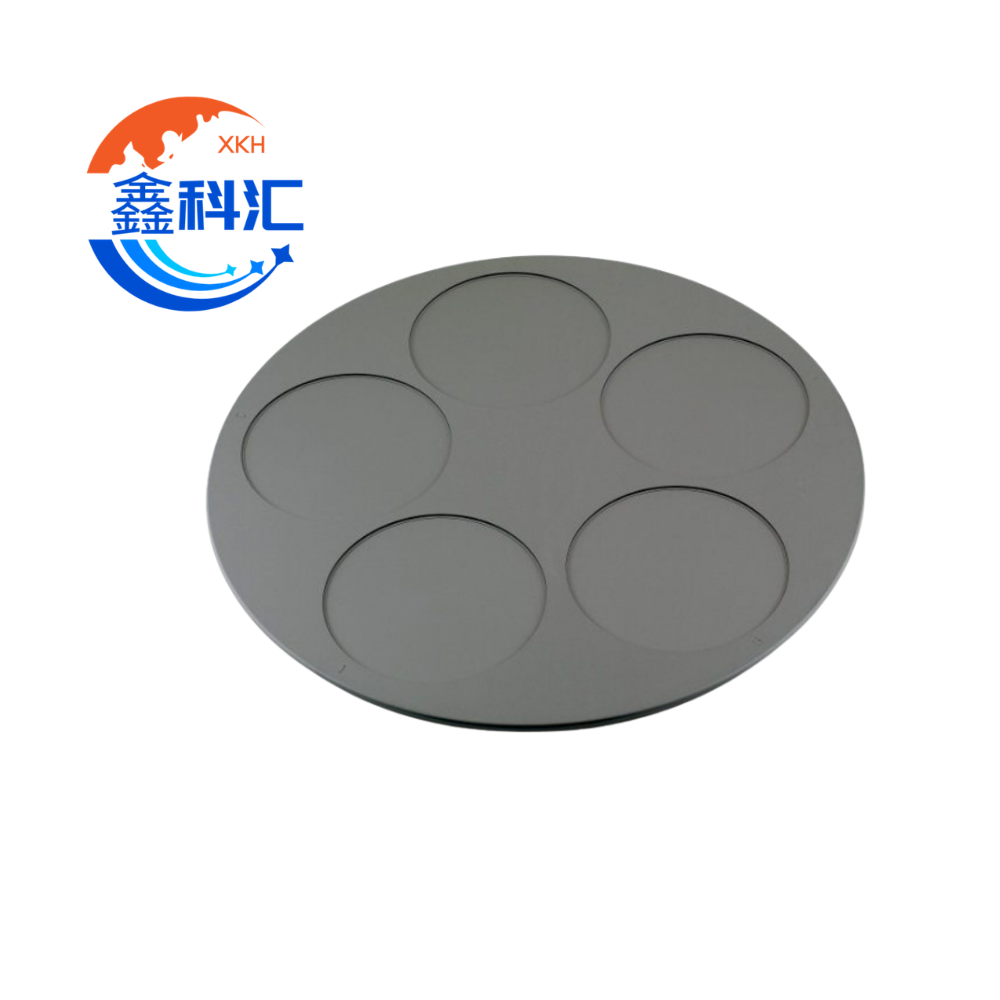
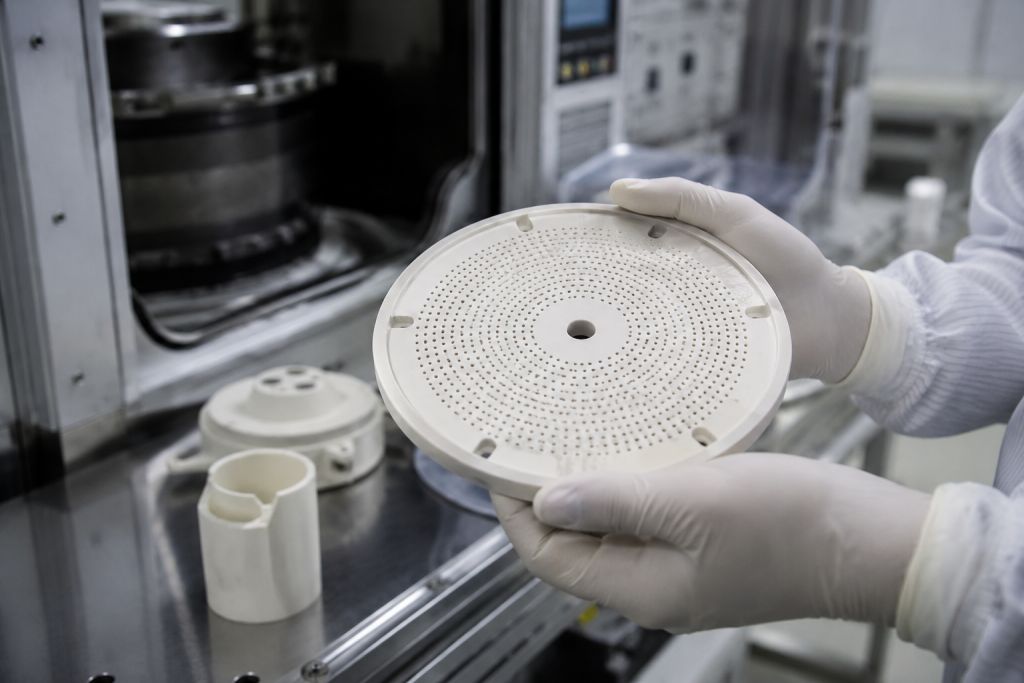
As semiconductor manufacturing continues moving toward larger wafer sizes, higher process temperatures, and stricter contamination standards, conventional wafer carrier materials are increasingly reaching their performance limits. Components that once met process requirements are now facing challenges involving thermal deformation, particle generation, and shorter service life. Among advanced ceramic materials, silicon carbide (SiC) trays have emerged

碳化矽托盤取代傳統晶圓載具的原因 閱讀更多 »

陶瓷散熱片 vs 陶瓷散熱器:主要差異與工程角色

In high-power electronics, semiconductor packaging, LED systems, and RF devices, thermal management is one of the most critical factors affecting performance and reliability. As power density continues to increase, two terms are frequently used: Ceramic Heatsink and Ceramic Heat Spreader. Although they sound similar, they serve very different roles in a thermal system. In simple

陶瓷散熱片 vs 陶瓷散熱器:主要差異與工程角色 閱讀更多 »

從光刻到晶圓製造:碳化矽陶瓷如何帶動價值十億美元的半導體市場

When people think about the semiconductor industry, they usually focus on chips, wafers, or advanced process nodes. However, behind every semiconductor breakthrough lies a less visible but equally critical foundation: advanced materials. As semiconductor manufacturing continues to pursue higher precision, smaller geometries, and faster production speeds, equipment performance requirements are becoming increasingly demanding. This shift

從光刻到晶圓製造:碳化矽陶瓷如何帶動價值十億美元的半導體市場 閱讀更多 »

為什麼先進陶瓷在電子領域非常重要?特性、應用和優點

The electronics industry is evolving toward higher power density, smaller device sizes, and more demanding operating environments. From semiconductor fabrication to power electronics and precision sensors, materials are expected to deliver stability under heat, prevent electrical interference, and maintain dimensional accuracy over long service periods. This is where advanced ceramics play a critical role. Materials

為什麼先進陶瓷在電子領域非常重要?特性、應用和優點 閱讀更多 »

氧化鋯與氧化鋁:哪種陶瓷材料適合您的應用?

Selecting the right technical ceramic material is critical for industrial applications where performance, durability, and cost directly affect productivity and long-term reliability. Among advanced engineering ceramics, Zirconia (ZrO₂) and Alumina (Al₂O₃) are two of the most widely used materials. Both materials offer exceptional hardness, wear resistance, and chemical stability. However, they differ significantly in toughness,

氧化鋯與氧化鋁:哪種陶瓷材料適合您的應用? 閱讀更多 »

碳化矽晶圓舟 vs 石英晶圓舟:哪個更好?

In semiconductor manufacturing, wafer handling components directly affect process stability, yield, and long-term operating cost. Among them, wafer boats play a critical role in transporting and supporting wafers during high-temperature diffusion, oxidation, epitaxy, and coating processes. Two of the most commonly used materials are Silicon Carbide (SiC) wafer boats and Quartz wafer boats. While both

碳化矽晶圓舟 vs 石英晶圓舟:哪個更好? 閱讀更多 »