xinkehui

Félvezető kerámiák: a modern elektronikát hajtó fejlett anyagok

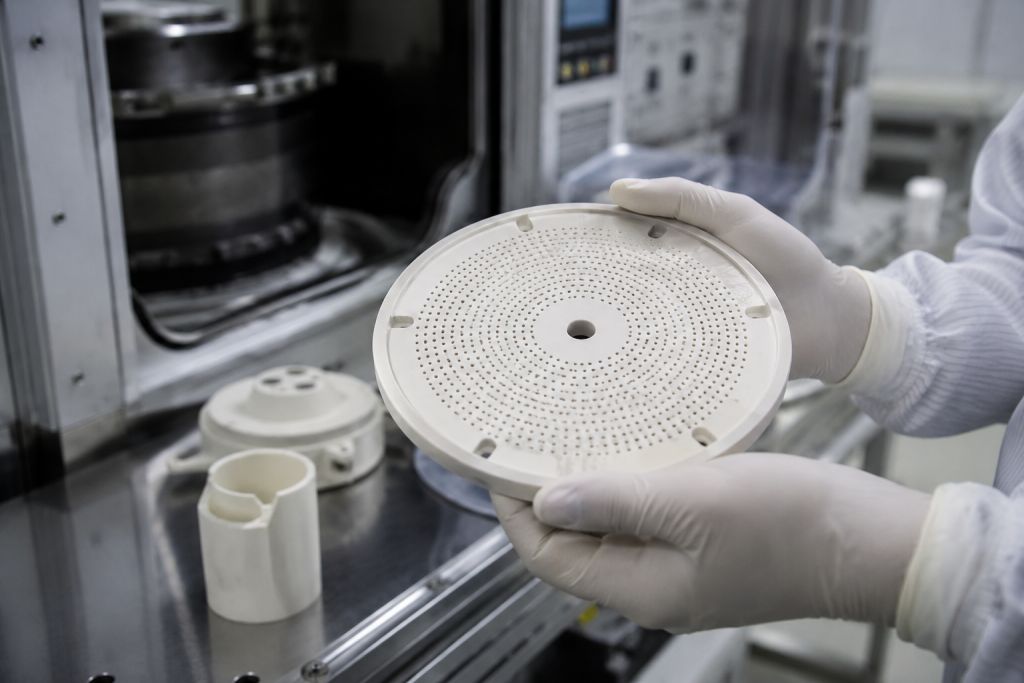
As semiconductor devices continue to become smaller, faster, and more powerful, the materials used in semiconductor manufacturing equipment must meet increasingly demanding performance requirements. Traditional metals and polymers often struggle to withstand extreme temperatures, corrosive chemicals, plasma environments, and ultra-clean processing conditions. This is where semiconductor ceramics play a critical role. Advanced ceramic materials combine […]

Félvezető kerámiák: a modern elektronikát hajtó fejlett anyagok Read More »

Miért kínálnak a szilícium-karbid kerámiák kiváló kopás- és korrózióállóságot?

Advanced ceramic materials have become increasingly important in industries that demand exceptional durability, chemical stability, and long service life. Among these materials, silicon carbide (SiC) ceramics have gained widespread recognition for their outstanding wear resistance and corrosion resistance. As a result, silicon carbide components are widely used in semiconductor manufacturing, chemical processing, energy production, mining,

Miért kínálnak a szilícium-karbid kerámiák kiváló kopás- és korrózióállóságot? Read More »

Félvezető kerámia alkatrészek gyártási folyamata: A nyers porról a precíziós alkatrészekig

Modern semiconductor manufacturing relies heavily on advanced equipment such as etching systems, lithography machines, ion implantation tools, and deposition equipment. Inside these systems, numerous ceramic components play critical roles in ensuring process stability, precision, and reliability. Thanks to their exceptional high-temperature resistance, corrosion resistance, mechanical strength, dimensional stability, and electrical properties, advanced ceramic components are

Félvezető kerámia alkatrészek gyártási folyamata: A nyers porról a precíziós alkatrészekig Read More »

Nagy tisztaságú cirkónium-dioxid alkatrészek precíziós ipari alkalmazásokhoz

High purity zirconia parts are widely used in industries that demand exceptional wear resistance, corrosion resistance, dimensional stability, and mechanical strength. Compared with traditional metal materials and standard industrial ceramics, zirconia ceramics offer a unique combination of toughness and precision, making them suitable for advanced industrial systems. Today, high purity zirconia components are commonly found

Nagy tisztaságú cirkónium-dioxid alkatrészek precíziós ipari alkalmazásokhoz Read More »

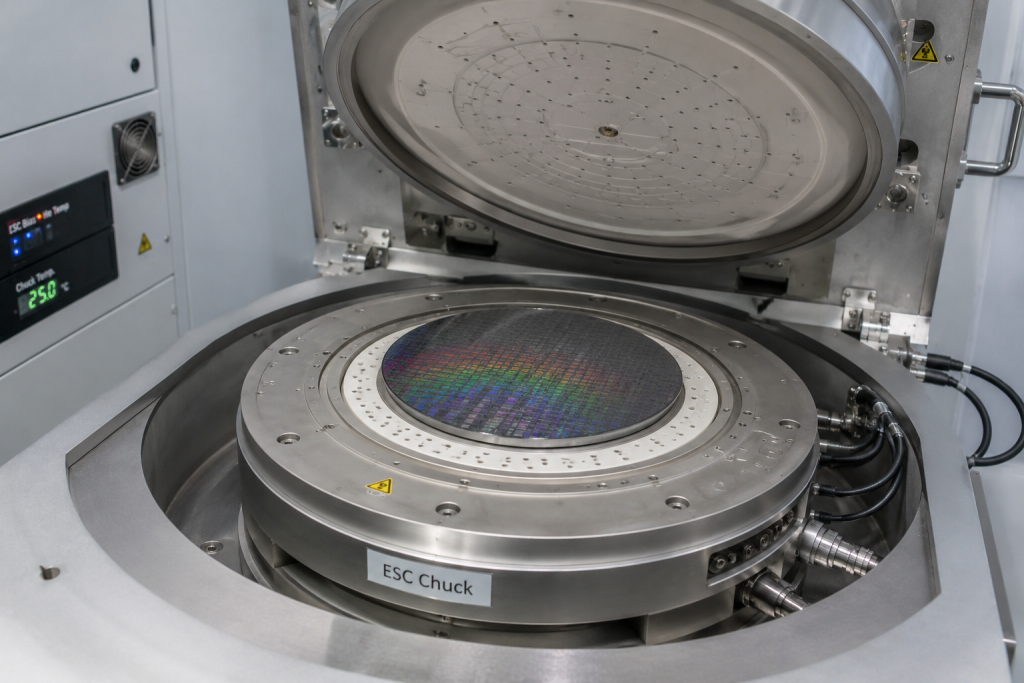
Elektrosztatikus tokmány vs. vákuum tokmány: Melyik Wafer Holding technológia a jobb a félvezetőgyártásban?

In semiconductor manufacturing, wafer positioning and fixation are fundamental requirements for achieving process precision and yield stability. During etching, deposition, lithography, inspection, and plasma processing, silicon wafers must remain securely held while maintaining minimal contamination and excellent thermal uniformity. As device structures continue shrinking and wafer sizes continue increasing, traditional holding methods face growing challenges.

Elektrosztatikus tokmány vs. vákuum tokmány: Melyik Wafer Holding technológia a jobb a félvezetőgyártásban? Read More »

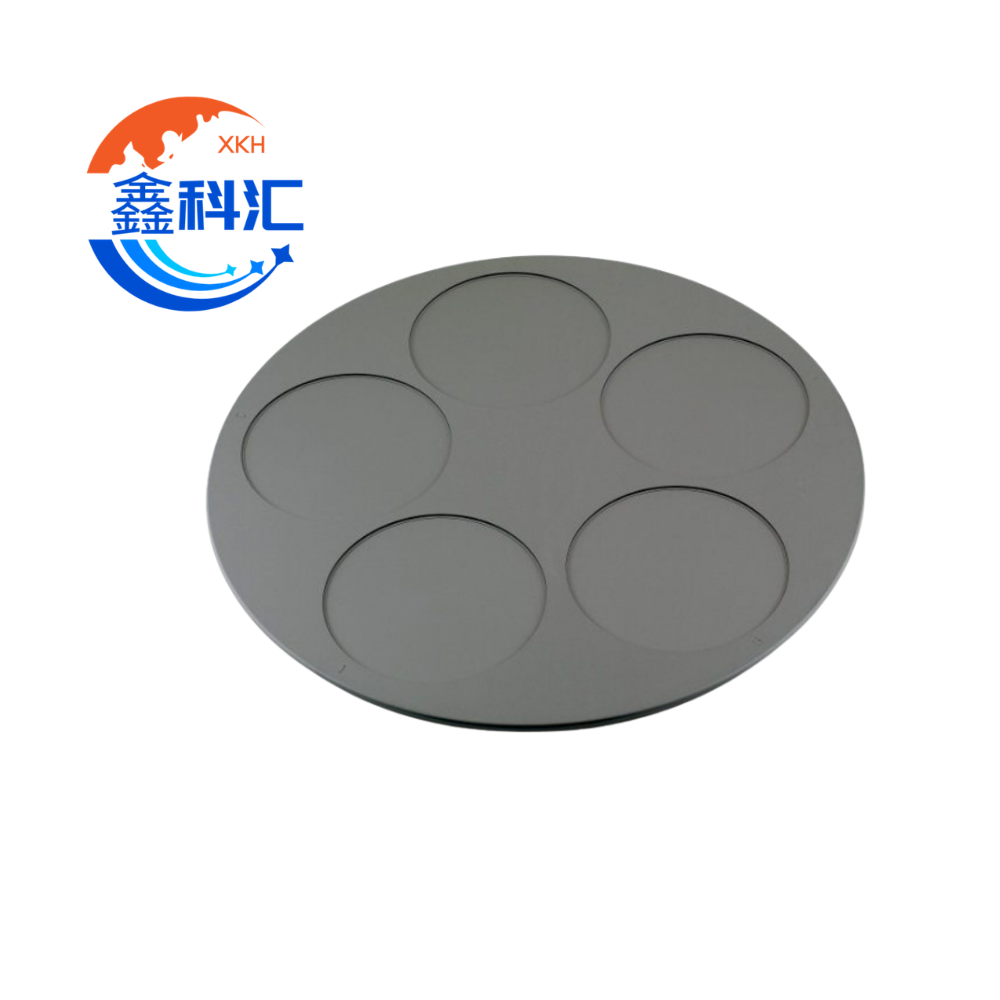
Miért váltják fel a szilícium-karbid tálcák a hagyományos ostyahordozókat?

As semiconductor manufacturing continues moving toward larger wafer sizes, higher process temperatures, and stricter contamination standards, conventional wafer carrier materials are increasingly reaching their performance limits. Components that once met process requirements are now facing challenges involving thermal deformation, particle generation, and shorter service life. Among advanced ceramic materials, silicon carbide (SiC) trays have emerged

Miért váltják fel a szilícium-karbid tálcák a hagyományos ostyahordozókat? Read More »

Kerámia hűtőborda vs. kerámia hőelosztó: Fő különbségek és mérnöki szerepek

In high-power electronics, semiconductor packaging, LED systems, and RF devices, thermal management is one of the most critical factors affecting performance and reliability. As power density continues to increase, two terms are frequently used: Ceramic Heatsink and Ceramic Heat Spreader. Although they sound similar, they serve very different roles in a thermal system. In simple

Kerámia hűtőborda vs. kerámia hőelosztó: Fő különbségek és mérnöki szerepek Read More »

A litográfiától a szeletgyártásig: dolláros félvezetőpiacot működtető szilícium-karbid kerámiák

When people think about the semiconductor industry, they usually focus on chips, wafers, or advanced process nodes. However, behind every semiconductor breakthrough lies a less visible but equally critical foundation: advanced materials. As semiconductor manufacturing continues to pursue higher precision, smaller geometries, and faster production speeds, equipment performance requirements are becoming increasingly demanding. This shift

A litográfiától a szeletgyártásig: dolláros félvezetőpiacot működtető szilícium-karbid kerámiák Read More »

Miért fontosak a fejlett kerámiák az elektronikában? Tulajdonságok, alkalmazások és előnyök

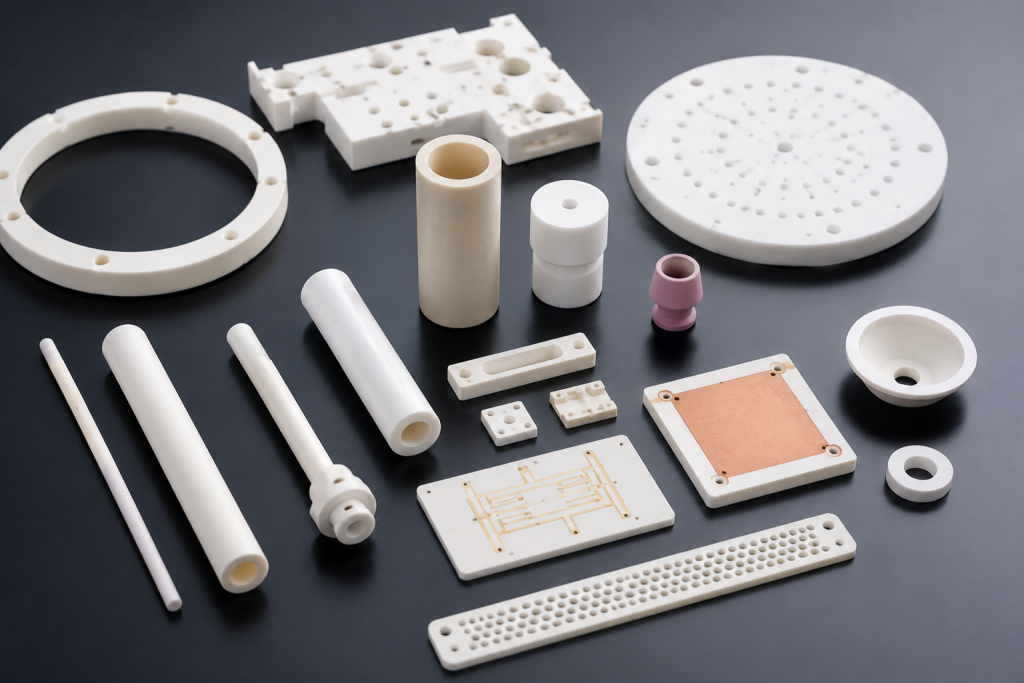
The electronics industry is evolving toward higher power density, smaller device sizes, and more demanding operating environments. From semiconductor fabrication to power electronics and precision sensors, materials are expected to deliver stability under heat, prevent electrical interference, and maintain dimensional accuracy over long service periods. This is where advanced ceramics play a critical role. Materials

Miért fontosak a fejlett kerámiák az elektronikában? Tulajdonságok, alkalmazások és előnyök Read More »

Cirkónium-dioxid vs alumínium-oxid: Melyik kerámia anyag illik az Ön alkalmazásához?

Selecting the right technical ceramic material is critical for industrial applications where performance, durability, and cost directly affect productivity and long-term reliability. Among advanced engineering ceramics, Zirconia (ZrO₂) and Alumina (Al₂O₃) are two of the most widely used materials. Both materials offer exceptional hardness, wear resistance, and chemical stability. However, they differ significantly in toughness,

Cirkónium-dioxid vs alumínium-oxid: Melyik kerámia anyag illik az Ön alkalmazásához? Read More »

Szilícium-karbid ostya hajó vs kvarc ostya hajó: Melyik a jobb?

In semiconductor manufacturing, wafer handling components directly affect process stability, yield, and long-term operating cost. Among them, wafer boats play a critical role in transporting and supporting wafers during high-temperature diffusion, oxidation, epitaxy, and coating processes. Two of the most commonly used materials are Silicon Carbide (SiC) wafer boats and Quartz wafer boats. While both

Szilícium-karbid ostya hajó vs kvarc ostya hajó: Melyik a jobb? Read More »

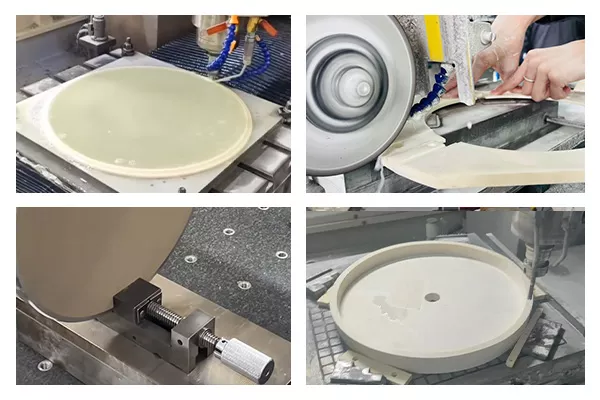
Összetett szerkezetű kerámia alkatrészek gyártási kihívásai a félvezető berendezésekhez

A fejlett félvezetőgyártásban a kulcsfontosságú folyamatmodulok, mint például a plazmavésés, a kémiai gőzfázisú leválasztás (CVD) és az ionimplantáció, szélsőséges környezetben működnek, nagy energiájú plazmával, korrozív gázokkal, nagyfeszültségű előfeszítéssel és gyors hőciklusokkal. Ezek a körülmények szigorú követelményeket támasztanak a szerkezeti anyagokkal szemben a dielektromos stabilitás, a korrózióállóság, a termikus kompatibilitás és a hosszú távú méretmegbízhatóság tekintetében.

Összetett szerkezetű kerámia alkatrészek gyártási kihívásai a félvezető berendezésekhez Read More »