xinkehui

반도체 세라믹: 현대 전자기기를 이끄는 첨단 소재

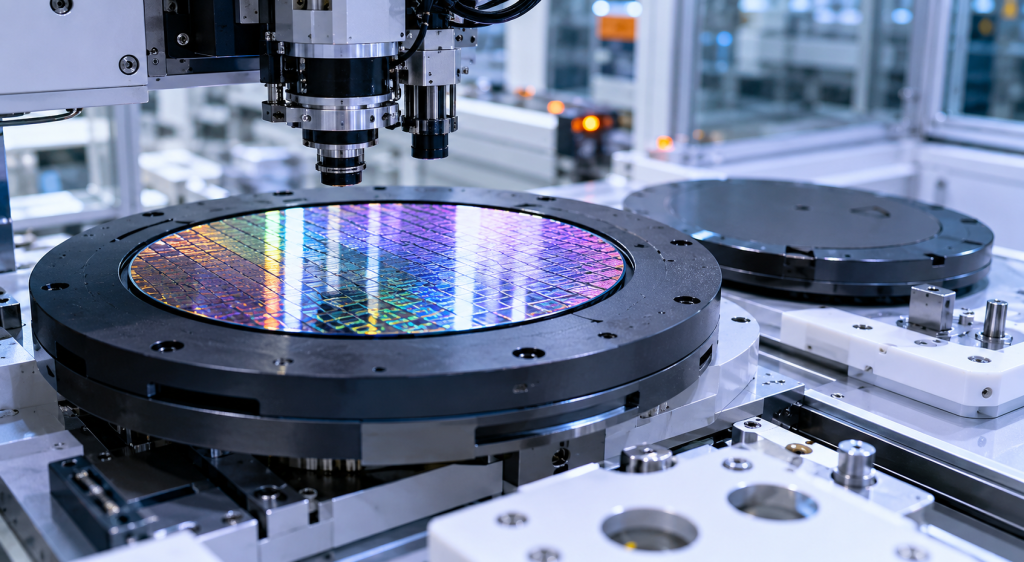
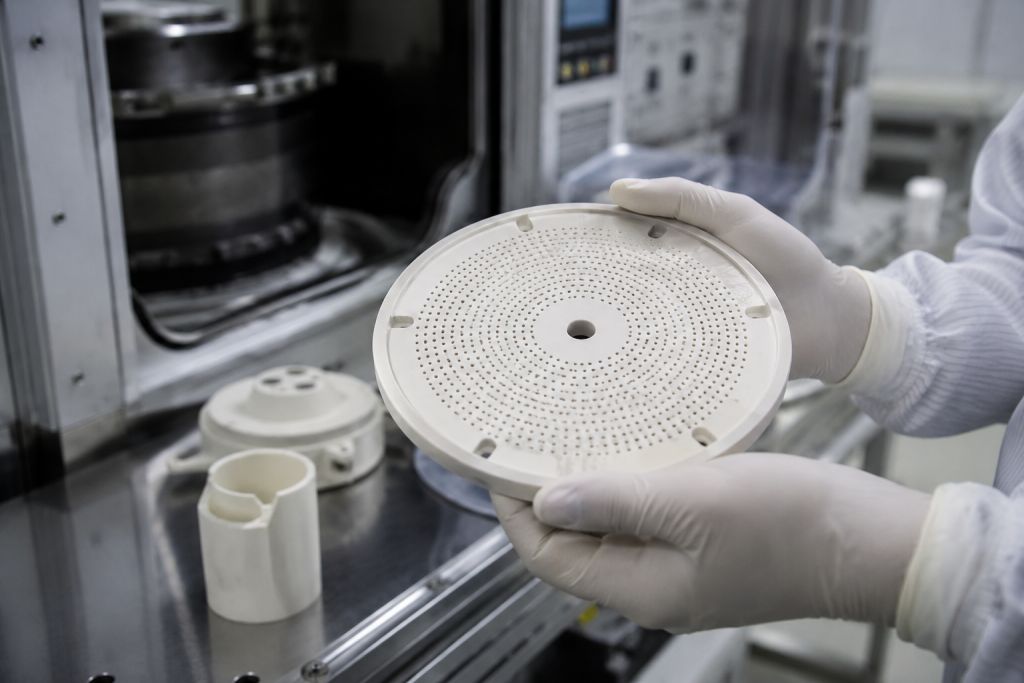
As semiconductor devices continue to become smaller, faster, and more powerful, the materials used in semiconductor manufacturing equipment must meet increasingly demanding performance requirements. Traditional metals and polymers often struggle to withstand extreme temperatures, corrosive chemicals, plasma environments, and ultra-clean processing conditions. This is where semiconductor ceramics play a critical role. Advanced ceramic materials combine […]

반도체 세라믹: 현대 전자기기를 이끄는 첨단 소재 더 읽기"

실리콘 카바이드 세라믹이 우수한 내마모성과 내식성을 제공하는 이유

Advanced ceramic materials have become increasingly important in industries that demand exceptional durability, chemical stability, and long service life. Among these materials, silicon carbide (SiC) ceramics have gained widespread recognition for their outstanding wear resistance and corrosion resistance. As a result, silicon carbide components are widely used in semiconductor manufacturing, chemical processing, energy production, mining,

실리콘 카바이드 세라믹이 우수한 내마모성과 내식성을 제공하는 이유 더 읽기"

반도체 세라믹 부품 제조 공정: 원료 분말부터 정밀 부품까지

Modern semiconductor manufacturing relies heavily on advanced equipment such as etching systems, lithography machines, ion implantation tools, and deposition equipment. Inside these systems, numerous ceramic components play critical roles in ensuring process stability, precision, and reliability. Thanks to their exceptional high-temperature resistance, corrosion resistance, mechanical strength, dimensional stability, and electrical properties, advanced ceramic components are

반도체 세라믹 부품 제조 공정: 원료 분말부터 정밀 부품까지 더 읽기"

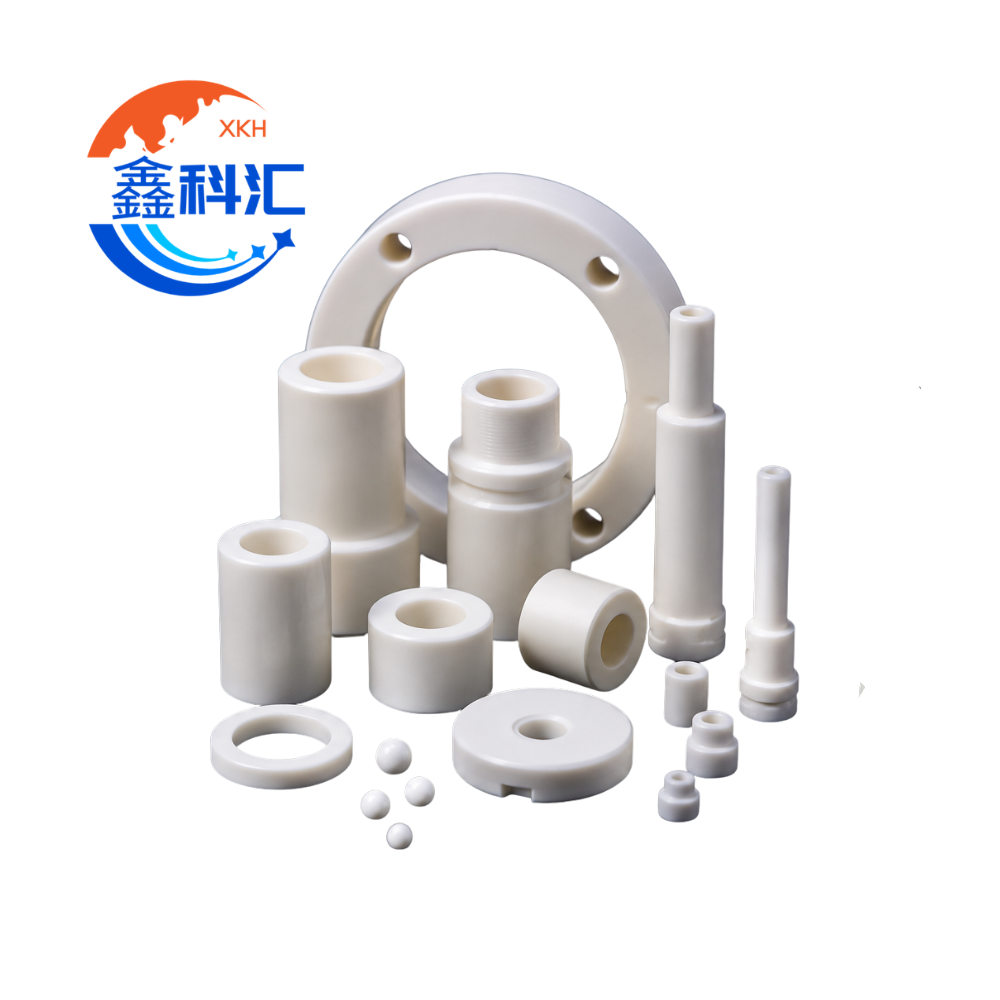
정밀 산업 응용 분야를 위한 고순도 지르코니아 부품

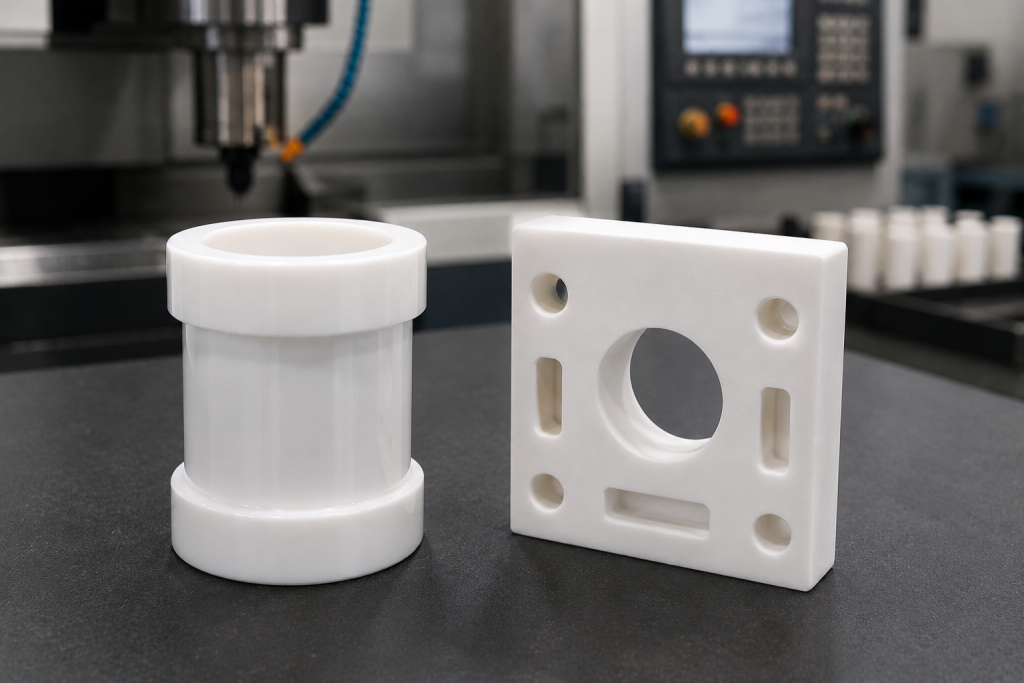
High purity zirconia parts are widely used in industries that demand exceptional wear resistance, corrosion resistance, dimensional stability, and mechanical strength. Compared with traditional metal materials and standard industrial ceramics, zirconia ceramics offer a unique combination of toughness and precision, making them suitable for advanced industrial systems. Today, high purity zirconia components are commonly found

정밀 산업 응용 분야를 위한 고순도 지르코니아 부품 더 읽기"

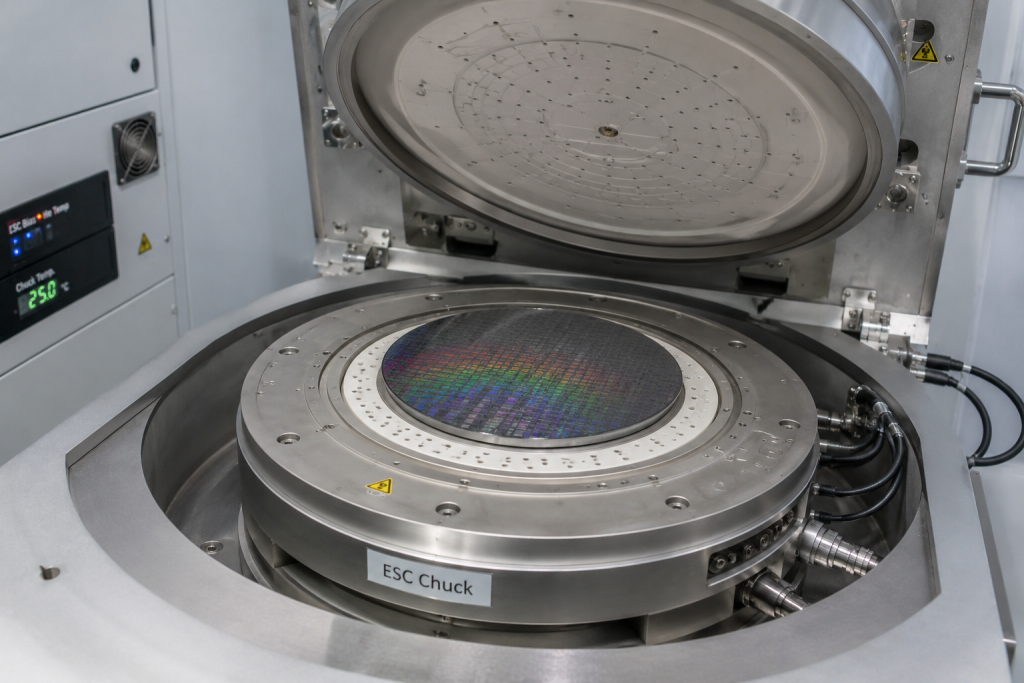
정전기 척과 진공 척: 반도체 제조에 더 적합한 웨이퍼 고정 기술은 무엇일까요?

In semiconductor manufacturing, wafer positioning and fixation are fundamental requirements for achieving process precision and yield stability. During etching, deposition, lithography, inspection, and plasma processing, silicon wafers must remain securely held while maintaining minimal contamination and excellent thermal uniformity. As device structures continue shrinking and wafer sizes continue increasing, traditional holding methods face growing challenges.

정전기 척과 진공 척: 반도체 제조에 더 적합한 웨이퍼 고정 기술은 무엇일까요? 더 읽기"

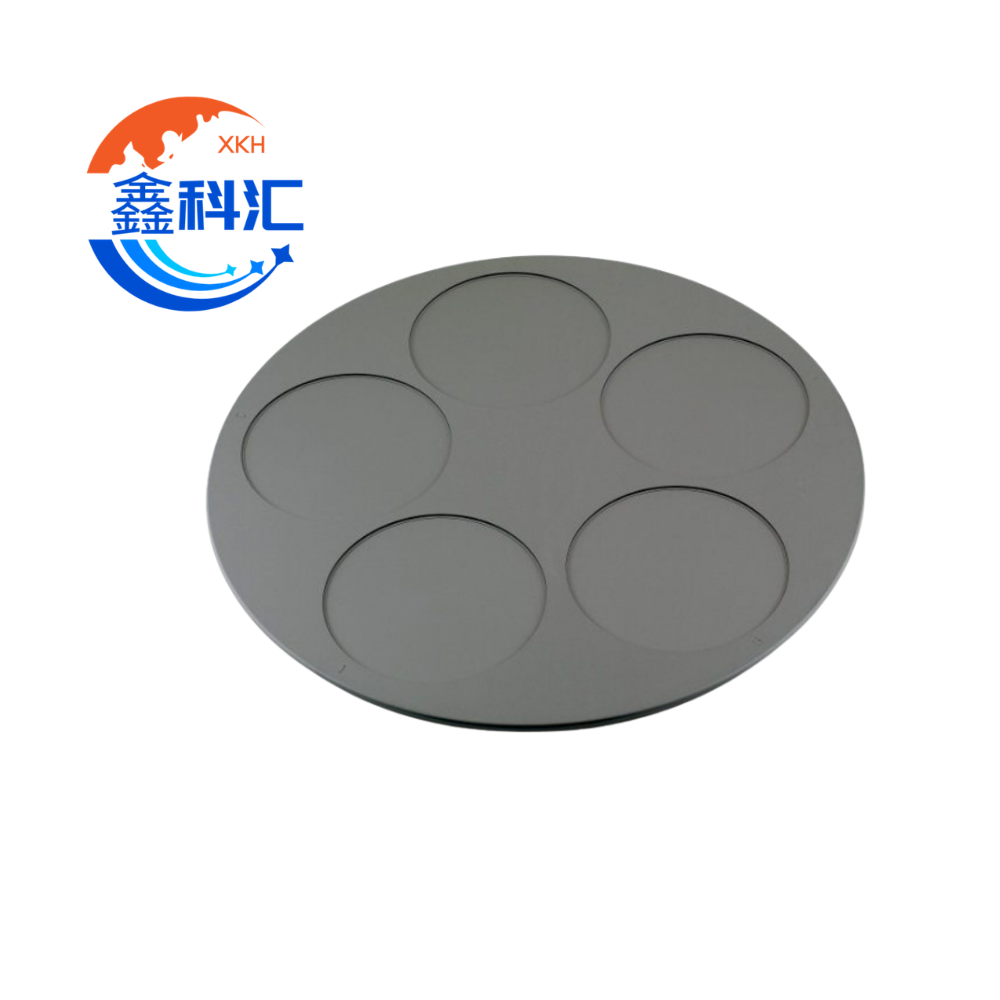
실리콘 카바이드 트레이가 기존 웨이퍼 캐리어를 대체하는 이유

As semiconductor manufacturing continues moving toward larger wafer sizes, higher process temperatures, and stricter contamination standards, conventional wafer carrier materials are increasingly reaching their performance limits. Components that once met process requirements are now facing challenges involving thermal deformation, particle generation, and shorter service life. Among advanced ceramic materials, silicon carbide (SiC) trays have emerged

실리콘 카바이드 트레이가 기존 웨이퍼 캐리어를 대체하는 이유 더 읽기"

세라믹 방열판과 세라믹 히트 스프레더: 주요 차이점 및 엔지니어링 역할

In high-power electronics, semiconductor packaging, LED systems, and RF devices, thermal management is one of the most critical factors affecting performance and reliability. As power density continues to increase, two terms are frequently used: Ceramic Heatsink and Ceramic Heat Spreader. Although they sound similar, they serve very different roles in a thermal system. In simple

세라믹 방열판과 세라믹 히트 스프레더: 주요 차이점 및 엔지니어링 역할 더 읽기"

리소그래피에서 웨이퍼 제조까지: 실리콘 카바이드 세라믹이 10억 달러 규모의 반도체 시장을 이끄는 방법

When people think about the semiconductor industry, they usually focus on chips, wafers, or advanced process nodes. However, behind every semiconductor breakthrough lies a less visible but equally critical foundation: advanced materials. As semiconductor manufacturing continues to pursue higher precision, smaller geometries, and faster production speeds, equipment performance requirements are becoming increasingly demanding. This shift

리소그래피에서 웨이퍼 제조까지: 실리콘 카바이드 세라믹이 10억 달러 규모의 반도체 시장을 이끄는 방법 더 읽기"

첨단 세라믹이 전자제품에 중요한 이유는 무엇일까요? 특성, 응용 분야 및 이점

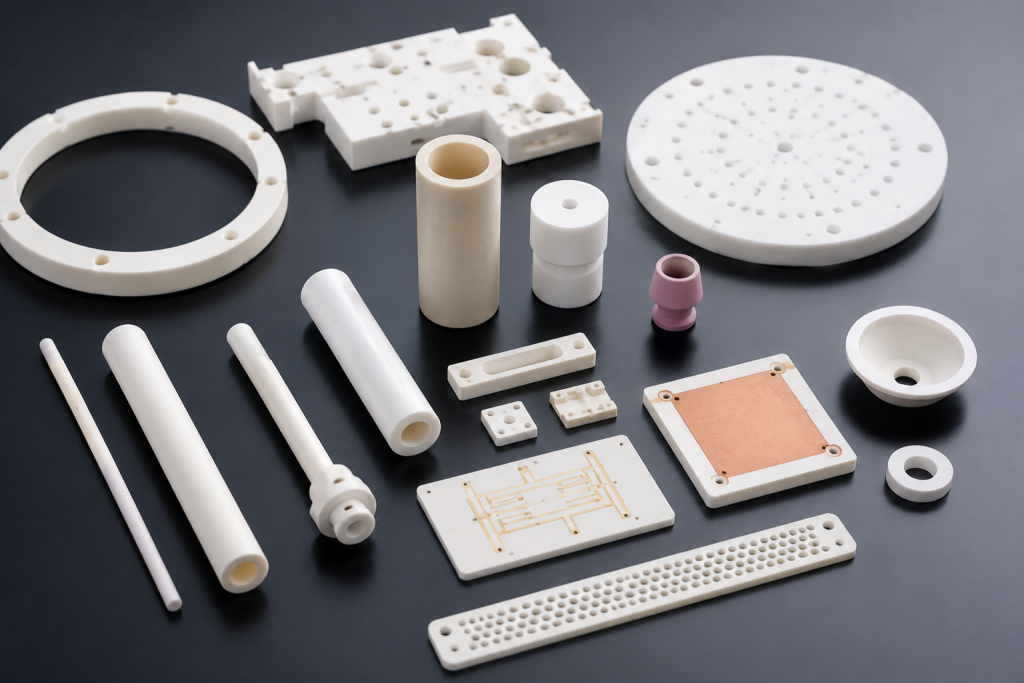
The electronics industry is evolving toward higher power density, smaller device sizes, and more demanding operating environments. From semiconductor fabrication to power electronics and precision sensors, materials are expected to deliver stability under heat, prevent electrical interference, and maintain dimensional accuracy over long service periods. This is where advanced ceramics play a critical role. Materials

첨단 세라믹이 전자제품에 중요한 이유는 무엇일까요? 특성, 응용 분야 및 이점 더 읽기"

지르코니아 대 알루미나: 어떤 세라믹 소재가 귀사의 애플리케이션에 적합할까요?

Selecting the right technical ceramic material is critical for industrial applications where performance, durability, and cost directly affect productivity and long-term reliability. Among advanced engineering ceramics, Zirconia (ZrO₂) and Alumina (Al₂O₃) are two of the most widely used materials. Both materials offer exceptional hardness, wear resistance, and chemical stability. However, they differ significantly in toughness,

지르코니아 대 알루미나: 어떤 세라믹 소재가 귀사의 애플리케이션에 적합할까요? 더 읽기"

실리콘 카바이드 웨이퍼 보트 대 석영 웨이퍼 보트: 어느 것이 더 낫습니까?

In semiconductor manufacturing, wafer handling components directly affect process stability, yield, and long-term operating cost. Among them, wafer boats play a critical role in transporting and supporting wafers during high-temperature diffusion, oxidation, epitaxy, and coating processes. Two of the most commonly used materials are Silicon Carbide (SiC) wafer boats and Quartz wafer boats. While both

실리콘 카바이드 웨이퍼 보트 대 석영 웨이퍼 보트: 어느 것이 더 낫습니까? 더 읽기"

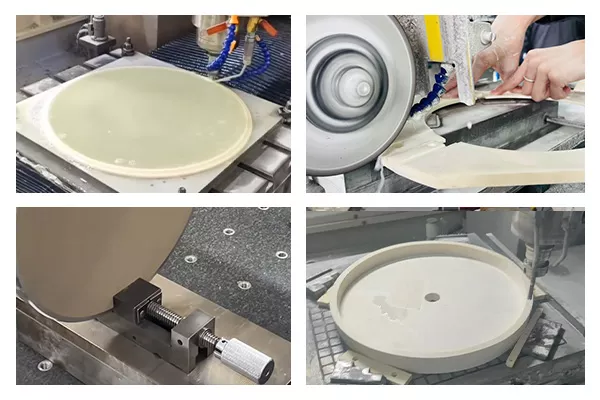
반도체 장비를 위한 복잡한 구조의 세라믹 부품 제조 과제

첨단 반도체 제조에서 플라즈마 식각, 화학 기상 증착(CVD), 이온 주입과 같은 주요 공정 모듈은 고에너지 플라즈마, 부식성 가스, 고전압 바이어스, 빠른 열 순환과 같은 극한의 환경에서 작동합니다. 이러한 조건은 유전체 안정성, 내식성, 열 호환성 및 장기 치수 신뢰성 측면에서 구조 재료에 엄격한 요구 사항을 부과합니다.

반도체 장비를 위한 복잡한 구조의 세라믹 부품 제조 과제 더 읽기"