xinkehui

Halbleiterkeramik: Hochleistungswerkstoffe für die moderne Elektronik

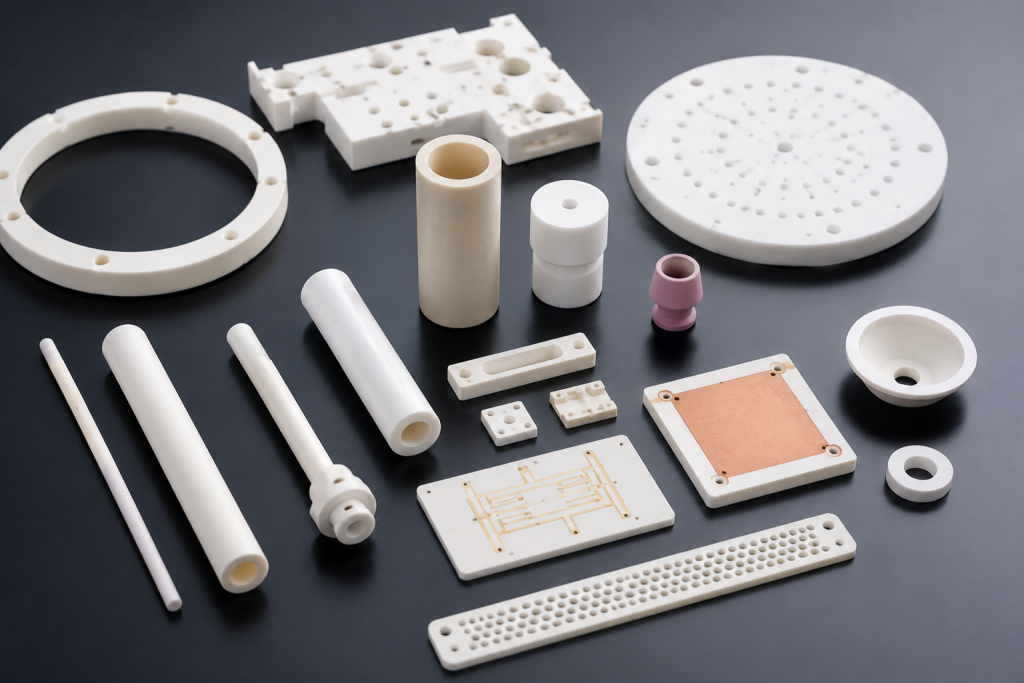
As semiconductor devices continue to become smaller, faster, and more powerful, the materials used in semiconductor manufacturing equipment must meet increasingly demanding performance requirements. Traditional metals and polymers often struggle to withstand extreme temperatures, corrosive chemicals, plasma environments, and ultra-clean processing conditions. This is where semiconductor ceramics play a critical role. Advanced ceramic materials combine […]

Halbleiterkeramik: Hochleistungswerkstoffe für die moderne Elektronik Weiterlesen »

Warum Siliziumkarbidkeramik eine überlegene Verschleiß- und Korrosionsbeständigkeit bietet

Advanced ceramic materials have become increasingly important in industries that demand exceptional durability, chemical stability, and long service life. Among these materials, silicon carbide (SiC) ceramics have gained widespread recognition for their outstanding wear resistance and corrosion resistance. As a result, silicon carbide components are widely used in semiconductor manufacturing, chemical processing, energy production, mining,

Warum Siliziumkarbidkeramik eine überlegene Verschleiß- und Korrosionsbeständigkeit bietet Weiterlesen »

Herstellungsprozess von Halbleiterkeramikkomponenten: Vom Rohpulver zum Präzisionsteil

Modern semiconductor manufacturing relies heavily on advanced equipment such as etching systems, lithography machines, ion implantation tools, and deposition equipment. Inside these systems, numerous ceramic components play critical roles in ensuring process stability, precision, and reliability. Thanks to their exceptional high-temperature resistance, corrosion resistance, mechanical strength, dimensional stability, and electrical properties, advanced ceramic components are

Herstellungsprozess von Halbleiterkeramikkomponenten: Vom Rohpulver zum Präzisionsteil Weiterlesen »

Hochreine Zirkoniumdioxidteile für industrielle Präzisionsanwendungen

High purity zirconia parts are widely used in industries that demand exceptional wear resistance, corrosion resistance, dimensional stability, and mechanical strength. Compared with traditional metal materials and standard industrial ceramics, zirconia ceramics offer a unique combination of toughness and precision, making them suitable for advanced industrial systems. Today, high purity zirconia components are commonly found

Hochreine Zirkoniumdioxidteile für industrielle Präzisionsanwendungen Weiterlesen »

Elektrostatischer Chuck vs. Vakuum Chuck: Welche Wafer-Haltetechnik ist besser für die Halbleiterfertigung?

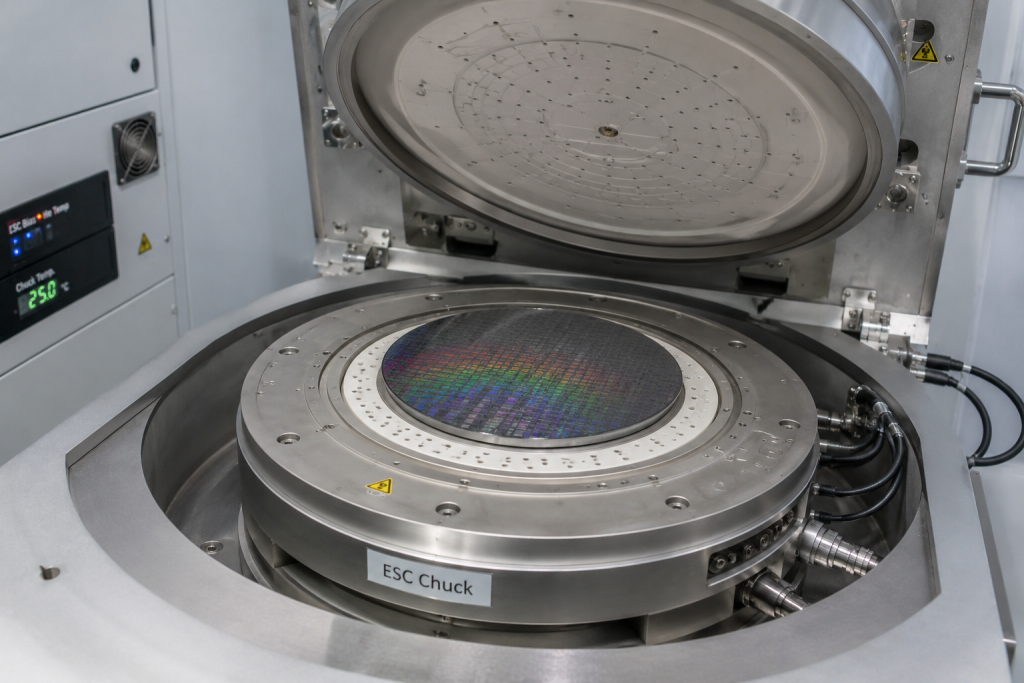
In semiconductor manufacturing, wafer positioning and fixation are fundamental requirements for achieving process precision and yield stability. During etching, deposition, lithography, inspection, and plasma processing, silicon wafers must remain securely held while maintaining minimal contamination and excellent thermal uniformity. As device structures continue shrinking and wafer sizes continue increasing, traditional holding methods face growing challenges.

Elektrostatischer Chuck vs. Vakuum Chuck: Welche Wafer-Haltetechnik ist besser für die Halbleiterfertigung? Weiterlesen »

Warum Siliziumkarbid-Träger die traditionellen Wafer-Träger ersetzen

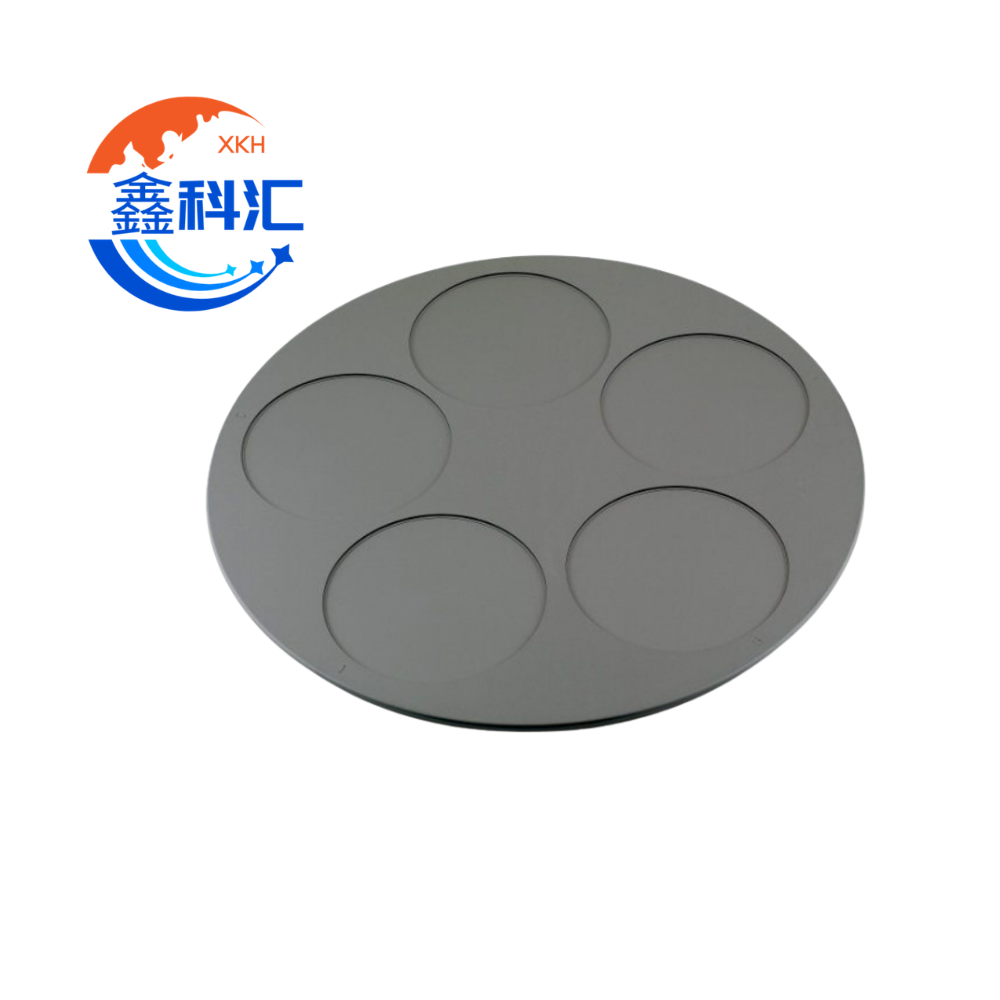
As semiconductor manufacturing continues moving toward larger wafer sizes, higher process temperatures, and stricter contamination standards, conventional wafer carrier materials are increasingly reaching their performance limits. Components that once met process requirements are now facing challenges involving thermal deformation, particle generation, and shorter service life. Among advanced ceramic materials, silicon carbide (SiC) trays have emerged

Warum Siliziumkarbid-Träger die traditionellen Wafer-Träger ersetzen Weiterlesen »

Keramischer Kühlkörper vs. keramischer Wärmespreizer: Hauptunterschiede und technische Aufgaben

In high-power electronics, semiconductor packaging, LED systems, and RF devices, thermal management is one of the most critical factors affecting performance and reliability. As power density continues to increase, two terms are frequently used: Ceramic Heatsink and Ceramic Heat Spreader. Although they sound similar, they serve very different roles in a thermal system. In simple

Keramischer Kühlkörper vs. keramischer Wärmespreizer: Hauptunterschiede und technische Aufgaben Weiterlesen »

Von der Lithographie zur Waferherstellung: Wie Siliziumkarbidkeramik einen milliardenschweren Halbleitermarkt antreibt

When people think about the semiconductor industry, they usually focus on chips, wafers, or advanced process nodes. However, behind every semiconductor breakthrough lies a less visible but equally critical foundation: advanced materials. As semiconductor manufacturing continues to pursue higher precision, smaller geometries, and faster production speeds, equipment performance requirements are becoming increasingly demanding. This shift

Von der Lithographie zur Waferherstellung: Wie Siliziumkarbidkeramik einen milliardenschweren Halbleitermarkt antreibt Weiterlesen »

Warum sind Hochleistungskeramiken in der Elektronik wichtig? Eigenschaften, Anwendungen und Vorteile

The electronics industry is evolving toward higher power density, smaller device sizes, and more demanding operating environments. From semiconductor fabrication to power electronics and precision sensors, materials are expected to deliver stability under heat, prevent electrical interference, and maintain dimensional accuracy over long service periods. This is where advanced ceramics play a critical role. Materials

Warum sind Hochleistungskeramiken in der Elektronik wichtig? Eigenschaften, Anwendungen und Vorteile Weiterlesen »

Zirkonoxid vs. Aluminiumoxid: Welches keramische Material passt zu Ihrer Anwendung?

Selecting the right technical ceramic material is critical for industrial applications where performance, durability, and cost directly affect productivity and long-term reliability. Among advanced engineering ceramics, Zirconia (ZrO₂) and Alumina (Al₂O₃) are two of the most widely used materials. Both materials offer exceptional hardness, wear resistance, and chemical stability. However, they differ significantly in toughness,

Zirkonoxid vs. Aluminiumoxid: Welches keramische Material passt zu Ihrer Anwendung? Weiterlesen »

Siliziumkarbid-Waferboot vs. Quarz-Waferboot: Was ist besser?

In semiconductor manufacturing, wafer handling components directly affect process stability, yield, and long-term operating cost. Among them, wafer boats play a critical role in transporting and supporting wafers during high-temperature diffusion, oxidation, epitaxy, and coating processes. Two of the most commonly used materials are Silicon Carbide (SiC) wafer boats and Quartz wafer boats. While both

Siliziumkarbid-Waferboot vs. Quarz-Waferboot: Was ist besser? Weiterlesen »

Herausforderungen bei der Herstellung von komplex strukturierten keramischen Komponenten für Halbleiteranlagen

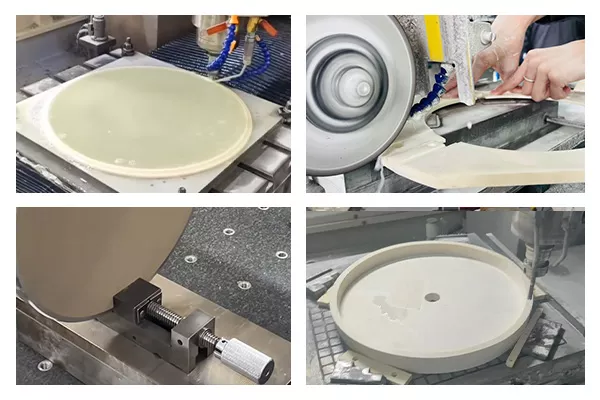
In der modernen Halbleiterfertigung arbeiten wichtige Prozessmodule wie Plasmaätzen, chemische Gasphasenabscheidung (CVD) und Ionenimplantation unter extremen Umgebungsbedingungen mit hochenergetischen Plasmen, korrosiven Gasen, Hochspannungsvorspannung und schnellen thermischen Zyklen. Diese Bedingungen stellen hohe Anforderungen an die strukturellen Materialien in Bezug auf dielektrische Stabilität, Korrosionsbeständigkeit, thermische Kompatibilität und langfristige Zuverlässigkeit der Abmessungen.

Herausforderungen bei der Herstellung von komplex strukturierten keramischen Komponenten für Halbleiteranlagen Weiterlesen »