
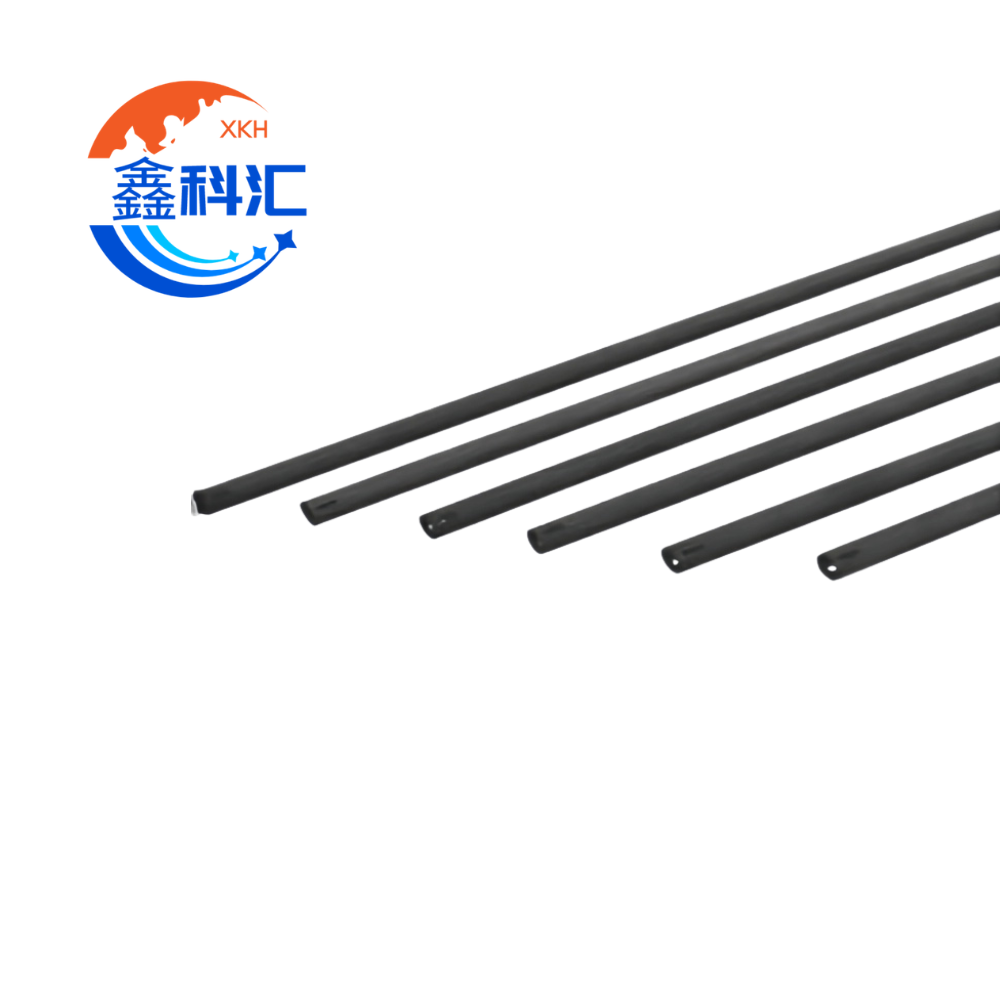


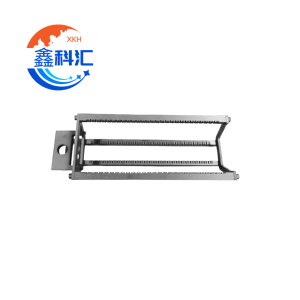
 The Silicon Carbide Cantilever Paddle (SiC Cantilever Paddle) is a high-performance structural component manufactured from reaction-bonded silicon carbide (RB-SiC). Designed specifically for high-temperature semiconductor and photovoltaic processing equipment, it provides excellent thermal stability, mechanical strength, corrosion resistance, and dimensional accuracy under extreme operating conditions.
With its cantilever structure, the paddle can support and transport multiple wafers safely inside diffusion furnaces, oxidation furnaces, LPCVD systems, and coating equipment. Compared with conventional quartz or metallic carrier systems, SiC cantilever paddles offer significantly longer service life, lower contamination risk, and superior resistance to thermal deformation.
Thanks to its low thermal expansion coefficient and high thermal conductivity, the paddle maintains excellent structural integrity during repeated heating and cooling cycles, making it ideal for continuous high-temperature industrial production environments.
Key Features of SiC Cantilever Paddle
Excellent High-Temperature Resistance
The SiC cantilever paddle can operate continuously at temperatures up to 1380 °C without deformation or structural failure. This makes it highly suitable for semiconductor diffusion, oxidation, nitridation, annealing, and LPCVD processes operating between 1000–1300 °C.
Outstanding Mechanical Strength
RB-SiC material provides exceptional bending strength and rigidity even at elevated temperatures. The stable cross-sectional design ensures reliable support for large-diameter wafers while minimizing vibration and sagging during furnace operation.
Ultra-Low Contamination
Unlike metal carriers, silicon carbide does not release metallic ions or particles during high-temperature processing. This helps maintain wafer cleanliness and improves semiconductor manufacturing yield.
Excellent Thermal Shock Resistance
The paddle withstands rapid heating and cooling cycles without cracking or warping. Its high thermal shock resistance greatly extends operational lifetime and reduces maintenance frequency.
Superior Corrosion Resistance
SiC material demonstrates excellent resistance to acids, alkalis, oxidation, and corrosive process gases, making it suitable for harsh chemical processing environments.
LPCVD Process Compatibility
The thermal expansion coefficient of silicon carbide closely matches common LPCVD coating materials, effectively reducing thermal stress, coating delamination, and particle contamination.
Long Service Life
Compared with quartz and metal paddles, SiC cantilever paddles offer significantly improved durability and reduced replacement frequency, lowering long-term operating costs.
Technical Specifications
| Item | Unit | Data |
|---|---|---|
| Maximum Operating Temperature | ℃ | 1380 |
| Density | g/cm³ | 3.04–3.08 |
| Open Porosity | % | <0.1 |
| Bending Strength | MPa | 250 (20℃) / 280 (1200℃) |
| Modulus of Elasticity | GPa | 330 (20℃) / 300 (1200℃) |
| Thermal Conductivity | W/m·K | 45 (1200℃) |
| Coefficient of Thermal Expansion | K⁻¹×10⁻⁶ | 4.5 |
| Hardness (Vickers) | HV2 | ≥2100 |
| Acid/Alkaline Resistance | — | Excellent |
Standard Dimensions
Available standard lengths include:
- 2378 mm
- 2550 mm
- 2660 mm
Custom sizes, slot structures, wafer capacities, and mounting configurations are available according to customer furnace designs and process requirements.
Typical Applications
 Semiconductor Industry
SiC cantilever paddles are widely used in semiconductor manufacturing processes including:
- Wafer diffusion
- Oxidation
- LPCVD deposition
- Nitridation
- Annealing
- Wafer transportation and loading
Their high purity and dimensional stability help reduce contamination risks and improve process consistency.
 Photovoltaic Industry
In solar cell manufacturing, the paddle serves as a high-temperature wafer carrier for:
- Polycrystalline silicon wafers
- Monocrystalline silicon wafers
- Diffusion furnaces
- PECVD and coating systems
The material maintains stability under repeated thermal cycling conditions commonly found in photovoltaic production lines.
Chemical & Industrial Applications
Due to its excellent corrosion resistance, the SiC cantilever paddle can also be used in:
- Corrosive chemical reactors
- High-temperature circulation systems
- Industrial thermal processing equipment
- Aggressive gas environments
Advantages Compared with Metal or Quartz Paddles
| Property | SiC Paddle | Quartz Paddle | Metal Paddle |
| High-Temperature Resistance | Excellent | Moderate | Moderate |
| Thermal Shock Resistance | Excellent | Poor | Moderate |
| Corrosion Resistance | Excellent | Good | Poor |
| Mechanical Strength | Very High | Low | High |
| Particle Contamination | Very Low | Moderate | High |
| Service Life | Long | Short | Moderate |
| Large Wafer Support | Excellent | Limited | Moderate |
FAQ – Silicon Carbide Cantilever Paddle
1. What is the maximum operating temperature?
The maximum operating temperature is 1380 °C. It performs reliably in high-temperature semiconductor and photovoltaic processes between 1000–1300 °C.
2. Why choose silicon carbide instead of metal paddles?
Metal paddles may oxidize, deform, or release metallic contaminants under high temperatures. Silicon carbide offers superior hardness, thermal stability, corrosion resistance, and ultra-low contamination characteristics.
3. Is the paddle suitable for large wafers such as 12-inch wafers?
Yes. The cantilever structure and high mechanical strength allow stable support for large-diameter wafers while maintaining dimensional accuracy.
4. Can it be customized?
Yes. Custom dimensions, thicknesses, wafer capacities, slot designs, and mounting structures are available based on customer requirements.
Reviews
There are no reviews yet.