أخبار الصناعة

عملية تصنيع مكونات أشباه الموصلات الخزفية: من المسحوق الخام إلى الأجزاء الدقيقة

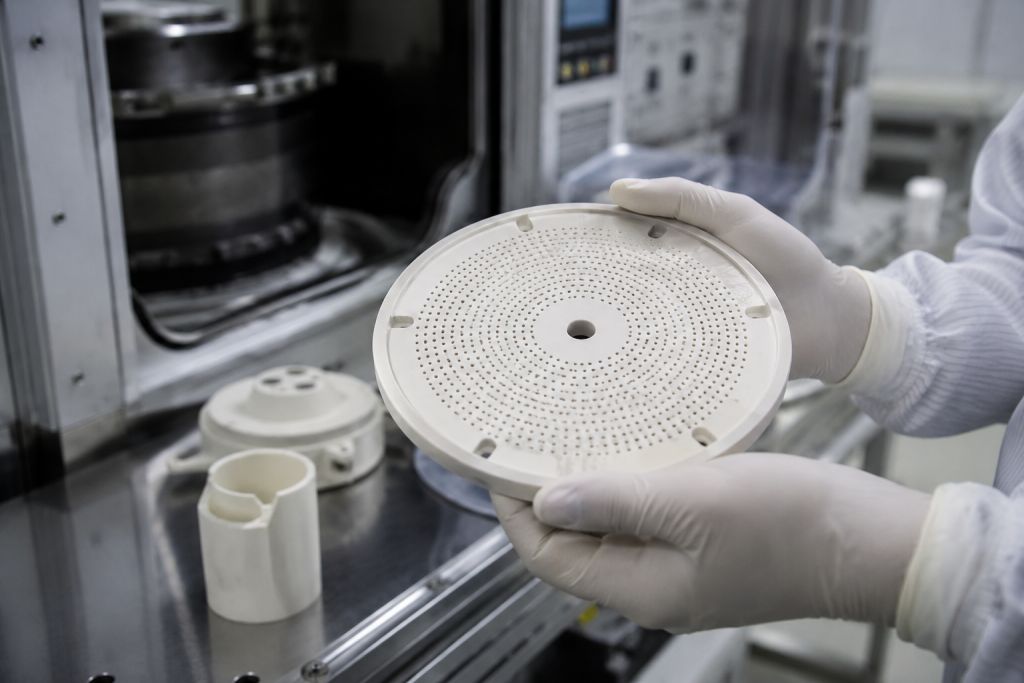
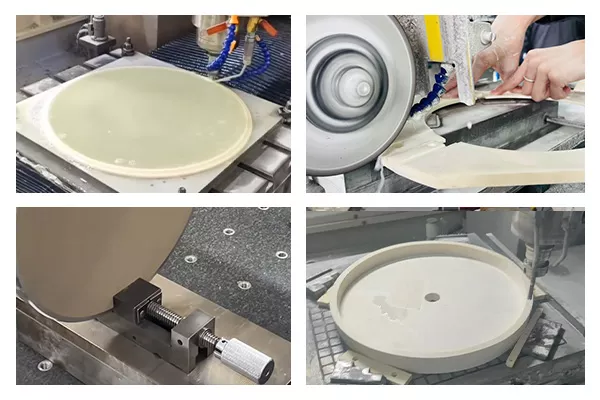
Modern semiconductor manufacturing relies heavily on advanced equipment such as etching systems, lithography machines, ion implantation tools, and deposition equipment. Inside these systems, numerous ceramic components play critical roles in ensuring process stability, precision, and reliability. Thanks to their exceptional high-temperature resistance, corrosion resistance, mechanical strength, dimensional stability, and electrical properties, advanced ceramic components are […]

عملية تصنيع مكونات أشباه الموصلات الخزفية: من المسحوق الخام إلى الأجزاء الدقيقة قراءة المزيد »
الظرف الكهروستاتيكي مقابل ظرف التفريغ: ما هي تقنية حمل الرقاقة الأفضل لتصنيع أشباه الموصلات؟

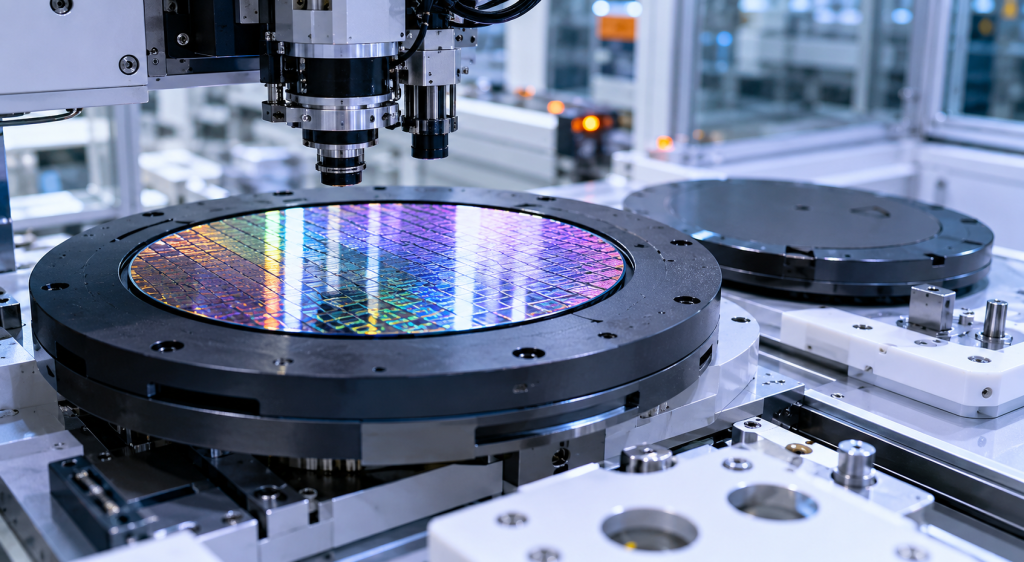
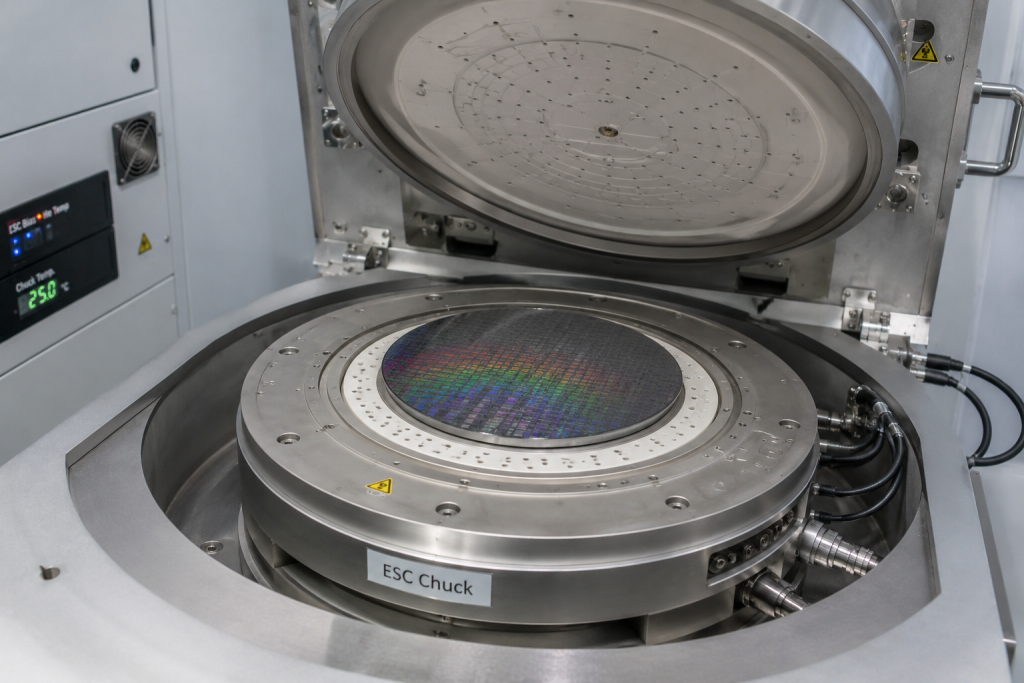
In semiconductor manufacturing, wafer positioning and fixation are fundamental requirements for achieving process precision and yield stability. During etching, deposition, lithography, inspection, and plasma processing, silicon wafers must remain securely held while maintaining minimal contamination and excellent thermal uniformity. As device structures continue shrinking and wafer sizes continue increasing, traditional holding methods face growing challenges.

الظرف الكهروستاتيكي مقابل ظرف التفريغ: ما هي تقنية حمل الرقاقة الأفضل لتصنيع أشباه الموصلات؟ قراءة المزيد »

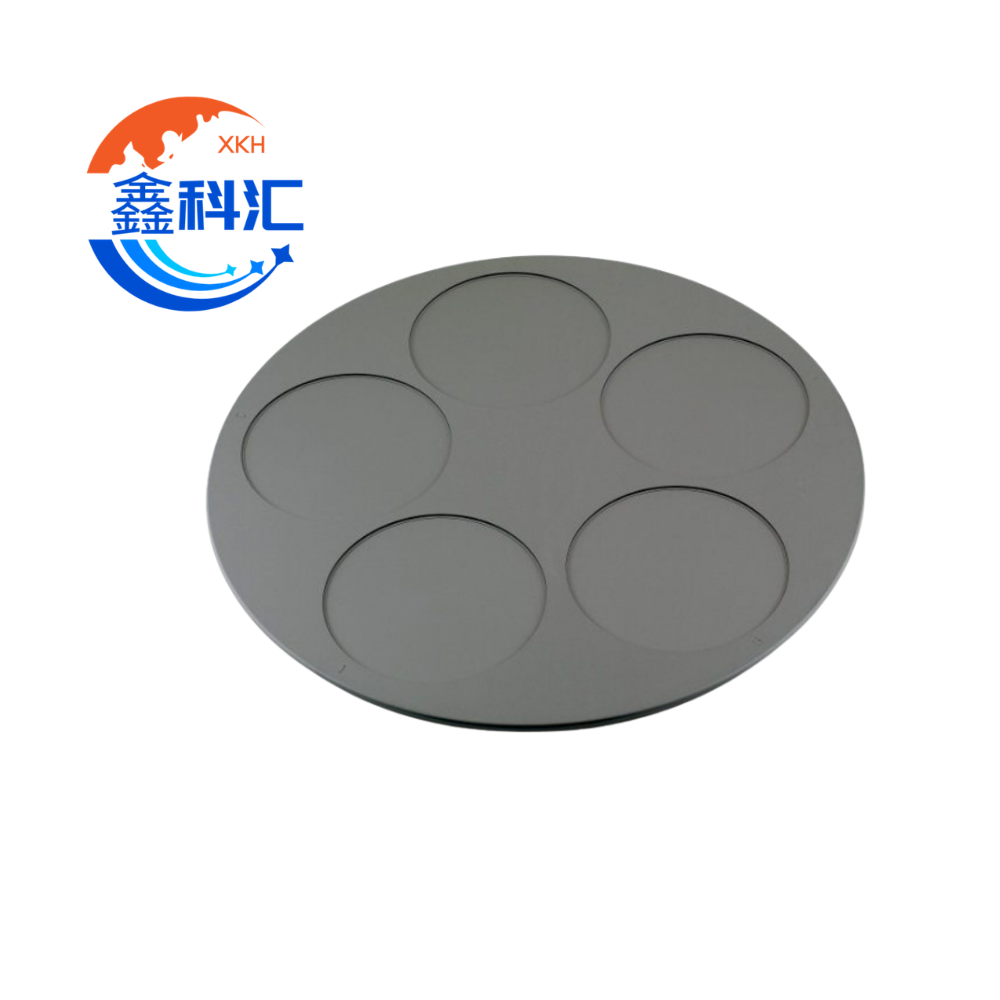
لماذا تحل صواني كربيد السيليكون محل حاملات الرقائق التقليدية

As semiconductor manufacturing continues moving toward larger wafer sizes, higher process temperatures, and stricter contamination standards, conventional wafer carrier materials are increasingly reaching their performance limits. Components that once met process requirements are now facing challenges involving thermal deformation, particle generation, and shorter service life. Among advanced ceramic materials, silicon carbide (SiC) trays have emerged

لماذا تحل صواني كربيد السيليكون محل حاملات الرقائق التقليدية قراءة المزيد »

مبدد الحرارة الخزفي مقابل موزع الحرارة الخزفي: الاختلافات الرئيسية والأدوار الهندسية

In high-power electronics, semiconductor packaging, LED systems, and RF devices, thermal management is one of the most critical factors affecting performance and reliability. As power density continues to increase, two terms are frequently used: Ceramic Heatsink and Ceramic Heat Spreader. Although they sound similar, they serve very different roles in a thermal system. In simple

مبدد الحرارة الخزفي مقابل موزع الحرارة الخزفي: الاختلافات الرئيسية والأدوار الهندسية قراءة المزيد »

من الطباعة الحجرية إلى تصنيع الرقاقات: كيف يعمل سيراميك كربيد السيليكون على تشغيل سوق أشباه الموصلات بمليارات الدولارات

When people think about the semiconductor industry, they usually focus on chips, wafers, or advanced process nodes. However, behind every semiconductor breakthrough lies a less visible but equally critical foundation: advanced materials. As semiconductor manufacturing continues to pursue higher precision, smaller geometries, and faster production speeds, equipment performance requirements are becoming increasingly demanding. This shift

من الطباعة الحجرية إلى تصنيع الرقاقات: كيف يعمل سيراميك كربيد السيليكون على تشغيل سوق أشباه الموصلات بمليارات الدولارات قراءة المزيد »

قارب رقاقة رقاقة كربيد السيليكون مقابل قارب رقاقة الكوارتز: أيهما أفضل؟

In semiconductor manufacturing, wafer handling components directly affect process stability, yield, and long-term operating cost. Among them, wafer boats play a critical role in transporting and supporting wafers during high-temperature diffusion, oxidation, epitaxy, and coating processes. Two of the most commonly used materials are Silicon Carbide (SiC) wafer boats and Quartz wafer boats. While both

قارب رقاقة رقاقة كربيد السيليكون مقابل قارب رقاقة الكوارتز: أيهما أفضل؟ قراءة المزيد »

تحديات التصنيع للمكونات الخزفية المعقدة الهيكل لمعدات أشباه الموصلات

في التصنيع المتقدم لأشباه الموصلات، تعمل وحدات المعالجة الرئيسية مثل الحفر بالبلازما والترسيب بالبخار الكيميائي (CVD) وزرع الأيونات في بيئات قاسية تتضمن بلازما عالية الطاقة وغازات أكالة وانحياز الجهد العالي والدورة الحرارية السريعة. وتفرض هذه الظروف متطلبات صارمة على المواد الإنشائية من حيث ثبات العزل الكهربائي ومقاومة التآكل والتوافق الحراري وموثوقية الأبعاد على المدى الطويل.

تحديات التصنيع للمكونات الخزفية المعقدة الهيكل لمعدات أشباه الموصلات قراءة المزيد »

شرح السيراميك الوظيفي: نظرة عامة علمية على المواد الهندسية المتقدمة

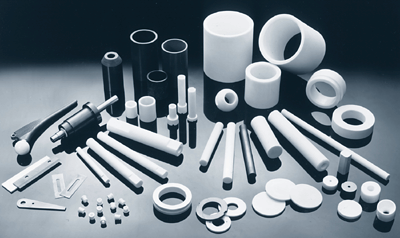
1. Introduction Functional ceramics are a class of inorganic, non-metallic materials designed not only for structural integrity but also for specific physical, chemical, electrical, optical, or thermal functions. Unlike traditional ceramics used mainly for bricks, tiles, or sanitary ware, functional ceramics are engineered at the microstructural level to deliver targeted performance in advanced technologies. They

شرح السيراميك الوظيفي: نظرة عامة علمية على المواد الهندسية المتقدمة قراءة المزيد »

المواد الخزفية المتقدمة في معدات أشباه الموصلات: التطبيقات ومقارنة المواد

In modern semiconductor manufacturing equipment, advanced ceramics are no longer optional components—they are critical enabling materials that determine precision, stability, and process reliability. From plasma etching chambers to wafer handling systems, different ceramic materials are selected based on thermal, electrical, and mechanical performance requirements. This article introduces the most widely used semiconductor-grade ceramics and provides

المواد الخزفية المتقدمة في معدات أشباه الموصلات: التطبيقات ومقارنة المواد قراءة المزيد »

الإدارة الحرارية عالية الأداء: لماذا تحل المشتتات الحرارية المصنوعة من سيراميك الألومينا محل الحلول المعدنية التقليدية

As electronic devices continue to evolve toward higher power density, efficient heat dissipation has become one of the most critical challenges in modern engineering. Traditional metal heat sinks such as aluminum and copper are no longer sufficient in applications requiring both electrical insulation and thermal stability. This is where the alumina ceramic heat sink (Al₂O₃)

الإدارة الحرارية عالية الأداء: لماذا تحل المشتتات الحرارية المصنوعة من سيراميك الألومينا محل الحلول المعدنية التقليدية قراءة المزيد »

السيراميك الصناعي مقابل كربيد السيليكون مقابل الياقوت: منظور المواد الهيكلية والوظيفية

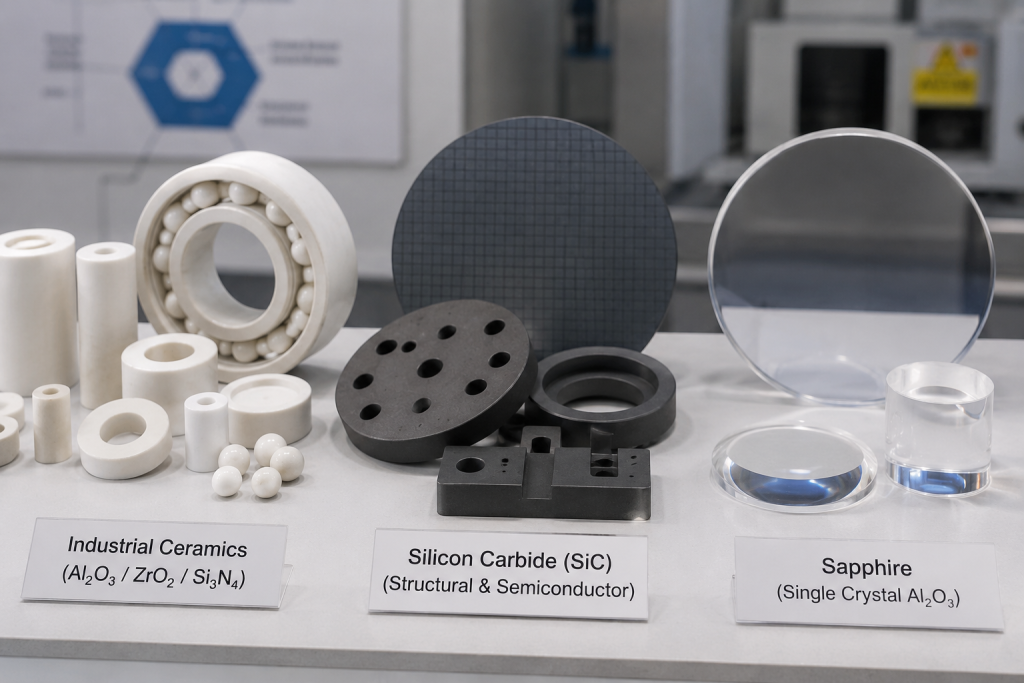
In advanced engineering industries such as semiconductors, precision machinery, and optical systems, industrial ceramics, silicon carbide (SiC), and sapphire are often compared as competing materials. However, this comparison is misleading if treated as a simple “which is better” question. A more accurate understanding is: These three materials represent three different material architectures, not just three

السيراميك الصناعي مقابل كربيد السيليكون مقابل الياقوت: منظور المواد الهيكلية والوظيفية قراءة المزيد »

كرات السيراميك الدقيقة للمحامل: اختيار المواد والأداء

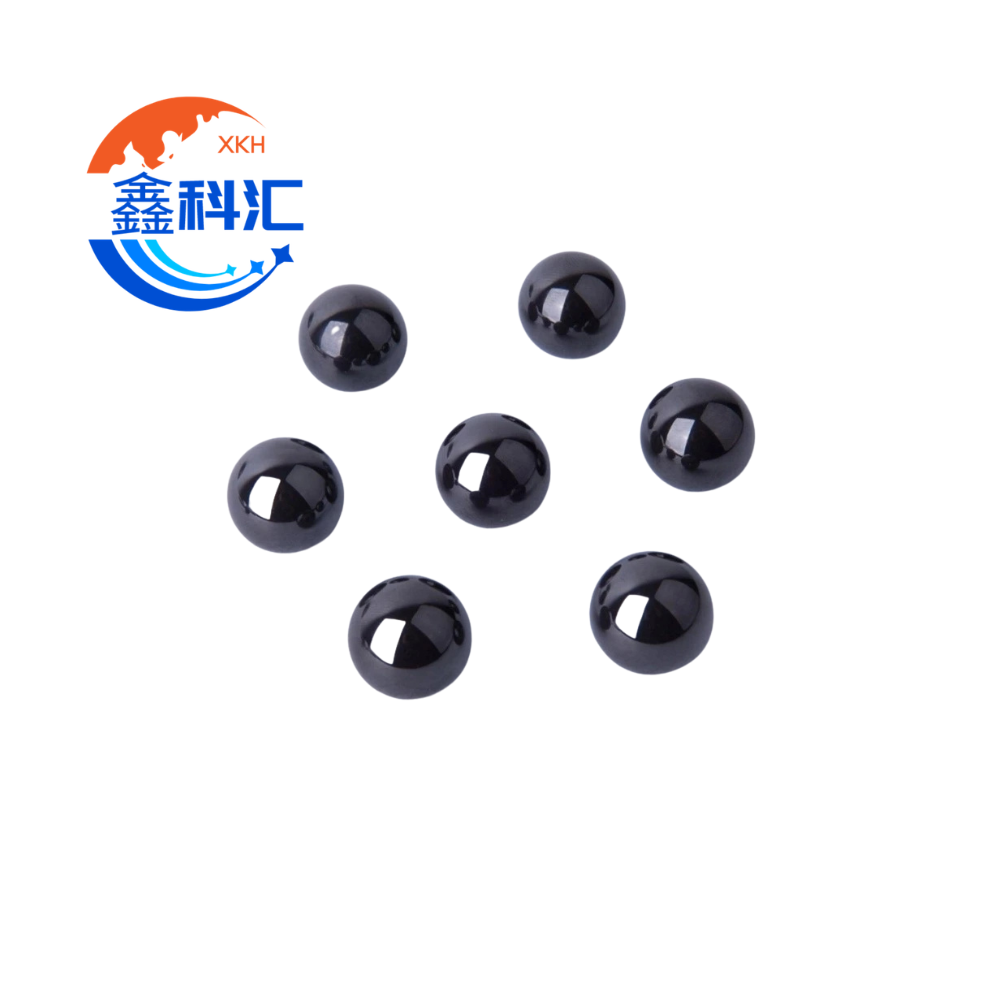
Precision ceramic balls are widely used in modern high-performance bearings where speed, reliability, and service life are critical. Compared with traditional steel balls, ceramic materials offer distinct advantages in friction reduction, wear resistance, and high-speed operation, making them essential components in aerospace, electric vehicles, precision machinery, and advanced manufacturing equipment. This article explains the main

كرات السيراميك الدقيقة للمحامل: اختيار المواد والأداء قراءة المزيد »