Technical Insights

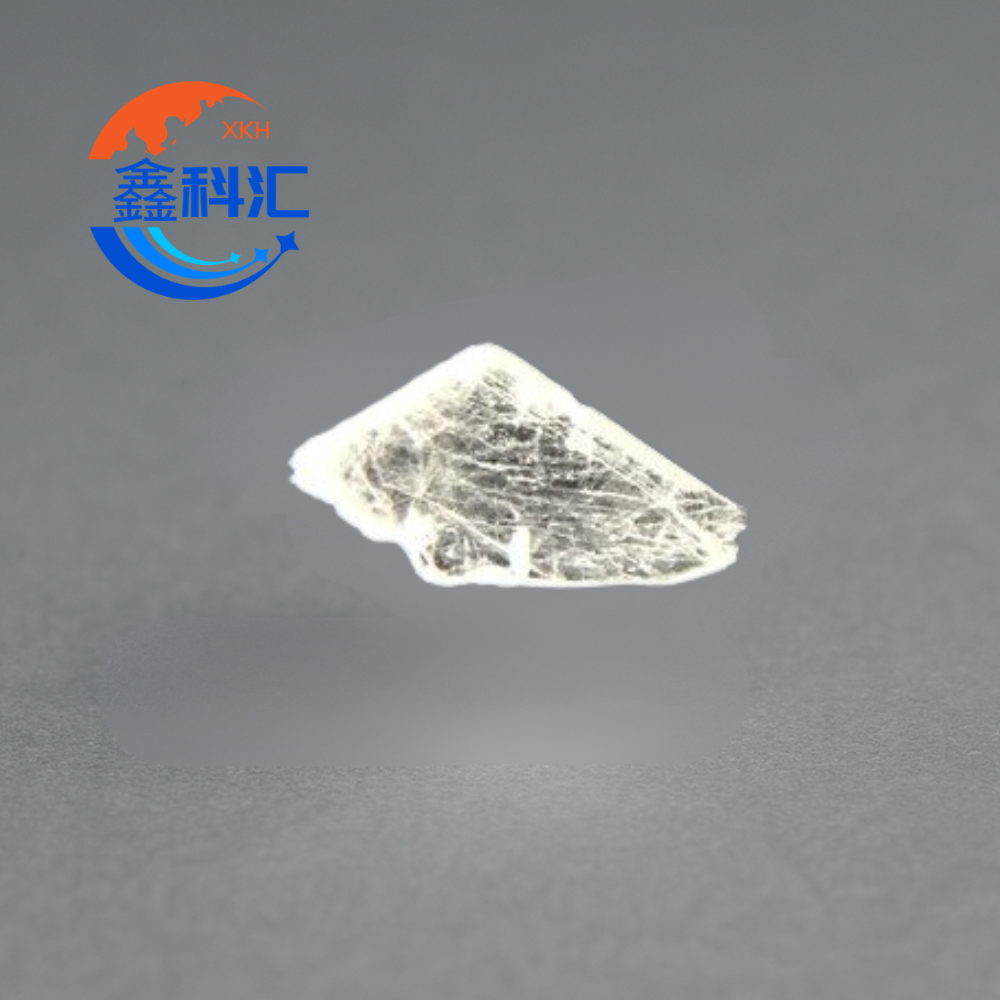
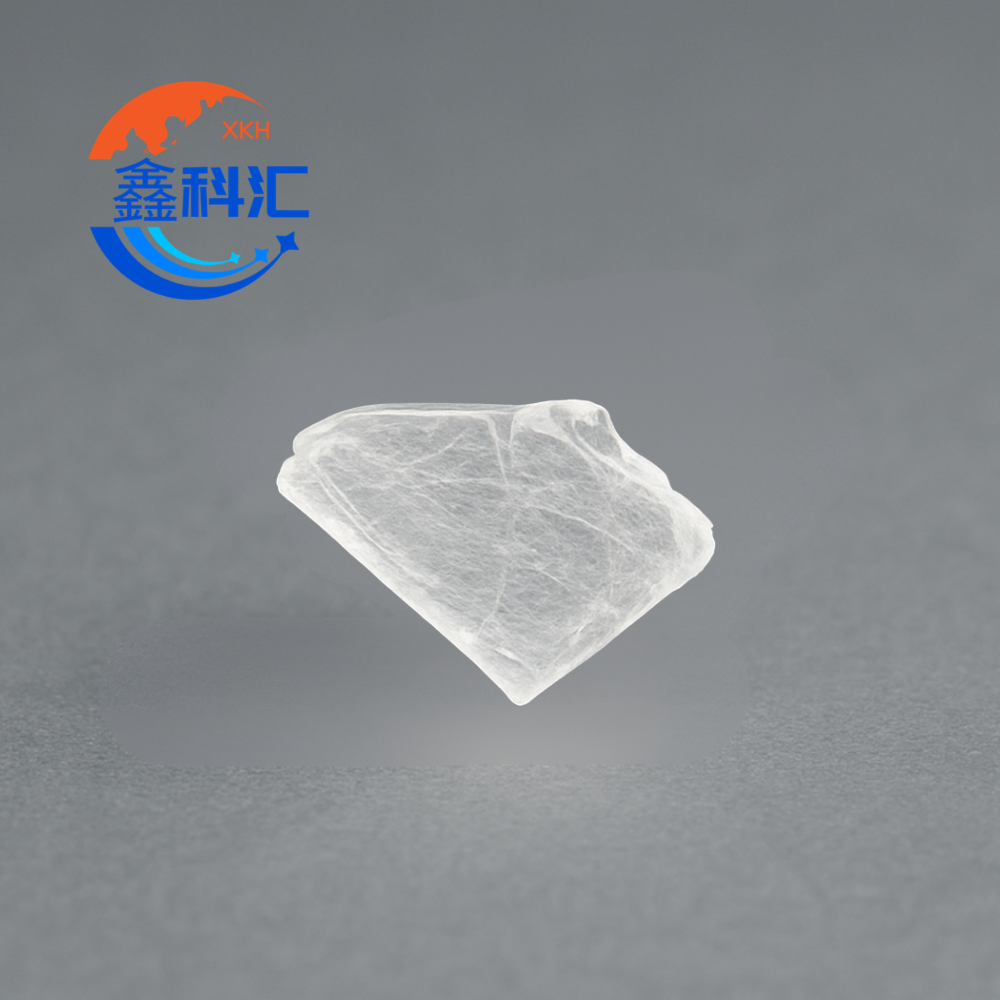
What Is Device-Grade hBN Single Crystal and Why Is It Important for Advanced Electronics?

As the fields of two-dimensional (2D) materials, quantum devices, and next-generation semiconductors continue to evolve, one material has emerged as a critical foundation for many of the most promising technological breakthroughs: Device-Grade Hexagonal Boron Nitride (hBN) Single Crystal. Often referred to as the “ideal companion” to graphene, high-quality hBN has become indispensable in the fabrication […]

What Is Device-Grade hBN Single Crystal and Why Is It Important for Advanced Electronics? Read More »

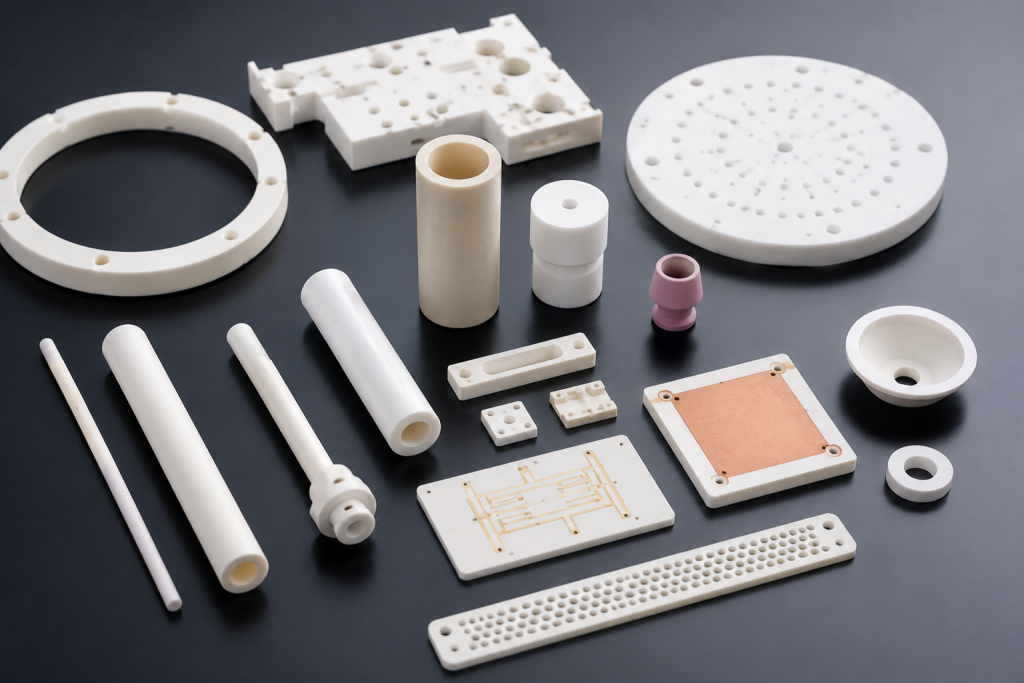
Semiconductor Ceramics: Advanced Materials Powering Modern Electronics

As semiconductor devices continue to become smaller, faster, and more powerful, the materials used in semiconductor manufacturing equipment must meet increasingly demanding performance requirements. Traditional metals and polymers often struggle to withstand extreme temperatures, corrosive chemicals, plasma environments, and ultra-clean processing conditions. This is where semiconductor ceramics play a critical role. Advanced ceramic materials combine

Semiconductor Ceramics: Advanced Materials Powering Modern Electronics Read More »

Why Silicon Carbide Ceramics Offer Superior Wear and Corrosion Resistance

Advanced ceramic materials have become increasingly important in industries that demand exceptional durability, chemical stability, and long service life. Among these materials, silicon carbide (SiC) ceramics have gained widespread recognition for their outstanding wear resistance and corrosion resistance. As a result, silicon carbide components are widely used in semiconductor manufacturing, chemical processing, energy production, mining,

Why Silicon Carbide Ceramics Offer Superior Wear and Corrosion Resistance Read More »

Why Are Advanced Ceramics Important in Electronics? Properties, Applications, and Benefits

The electronics industry is evolving toward higher power density, smaller device sizes, and more demanding operating environments. From semiconductor fabrication to power electronics and precision sensors, materials are expected to deliver stability under heat, prevent electrical interference, and maintain dimensional accuracy over long service periods. This is where advanced ceramics play a critical role. Materials

Why Are Advanced Ceramics Important in Electronics? Properties, Applications, and Benefits Read More »

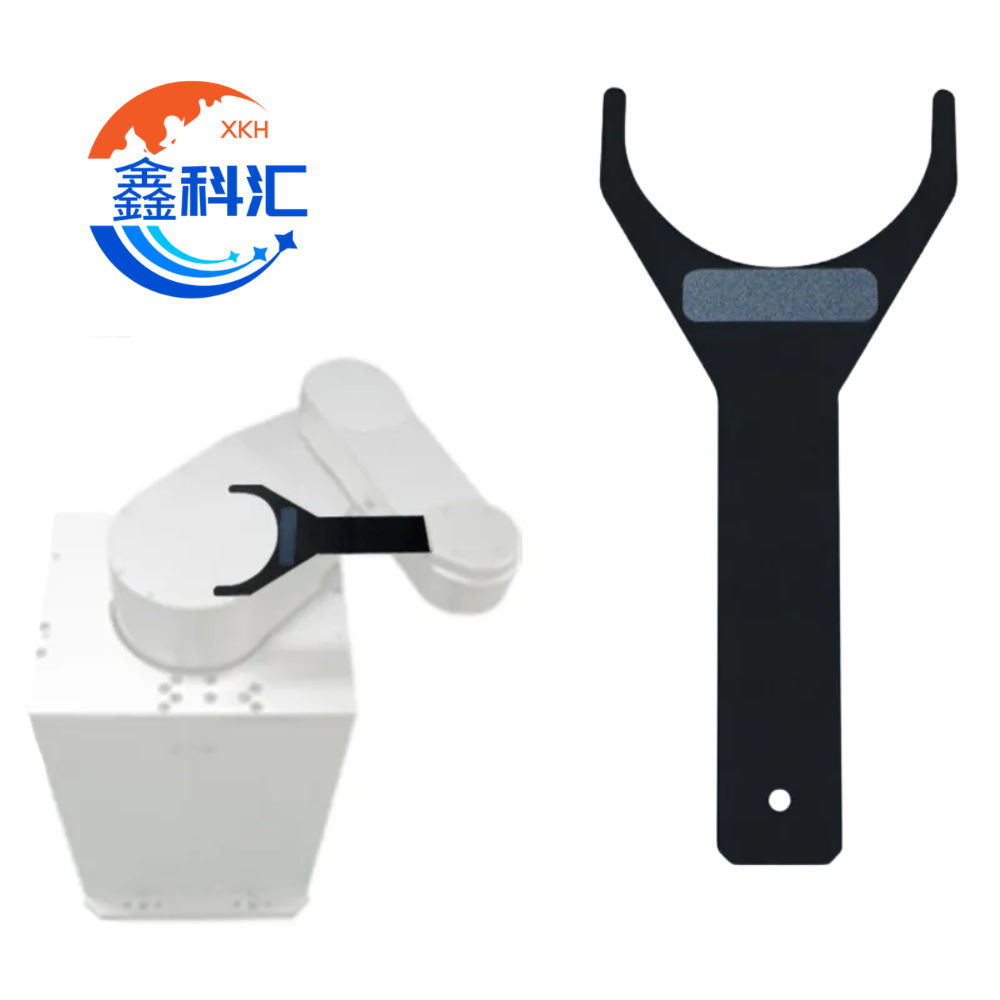
How Advanced Ceramics Improve Semiconductor Equipment Performance

The semiconductor industry operates at the limits of precision engineering. Modern fabrication processes require extreme temperatures, highly reactive chemicals, plasma exposure, vacuum environments, and contamination control at microscopic scales. As integrated circuits continue advancing toward smaller process nodes and larger wafer sizes, equipment performance requirements become increasingly demanding. Under these conditions, material selection becomes a

How Advanced Ceramics Improve Semiconductor Equipment Performance Read More »