В современном оборудовании для производства полупроводников передовая керамика больше не является дополнительным компонентом - это важнейший вспомогательный материал, определяющий точность, стабильность и надежность процесса.
От камер плазменного травления до систем обработки полупроводниковых пластин - различные керамические материалы выбираются в зависимости от требований к тепловым, электрическим и механическим характеристикам.
В этой статье представлены наиболее широко используемые полупроводниковые керамики и дано четкое техническое сравнение для принятия решений при проектировании и закупках.

1. Почему керамика незаменима в полупроводниковом оборудовании
В условиях полупроводникового производства:
- Экстремальные температуры (до 1000°C+)
- Среды плазменной коррозии
- Сверхвысоковакуумные системы
- Высоковольтные электрические условия
- Требования к точности нанометрового уровня
Традиционные металлы не справляются с изоляцией, коррозионной стойкостью и термостойкостью. Передовая керамика решает эти проблемы.
2. Наиболее широко используемые керамические материалы
2.1 Глинозем (Al₂O₃) - стандартный материал для промышленности
Алюмооксидная керамика - наиболее широко используемый материал, составляющий примерно 45% применения полупроводниковой керамики.
Ключевые приложения:
- Футеровка камеры травления
- Опорные кольца для пластин
- Газораспределительные пластины
- Вакуумные патроны
- Полировальные компоненты CMP
Ключевые преимущества:
- Стабильная электрическая изоляция
- Хорошая термостойкость
- Экономически эффективное массовое производство
- Отработанная технология обработки
2.2 Иттрий (Y₂O₃) - плазмостойкая керамика
Иттрий широко используется в плазмоинтенсивных средах благодаря своей превосходной коррозионной стойкости.
Ключевые приложения:
- Покрытия для камер травления
- Оптические смотровые окна
- Компоненты, обращенные к плазме
Ключевые преимущества:
- Превосходная устойчивость к плазменной коррозии по сравнению с Al₂O₃
- Высокая температура плавления (~2430°C)
- Часто используется как слой покрытия для снижения стоимости
2.3 Карбид кремния (SiC) - высокоточная конструкционная керамика
Карбид кремния обладает исключительной жесткостью и термической стабильностью, что делает его идеальным для прецизионного оборудования.
Ключевые приложения:
- Стадии литографической машины
- Фокусировочные кольца
- Прецизионные направляющие
- Патроны для пластин и зеркала
Ключевые преимущества:
- Исключительно высокая жесткость
- Низкое тепловое расширение
- Отличная теплопроводность
- Зеркально-полируемая поверхность
2.4 Нитрид кремния (Si₃N₄) - высоконадежная инженерная керамика
Нитрид кремния известен своей превосходной механической прочностью и устойчивостью к тепловым ударам.
Ключевые приложения:
- Подшипники
- Системы линейных направляющих
- Механические рычаги
- Конструктивные элементы, подвергающиеся высоким нагрузкам
Ключевые преимущества:
- Высокая вязкость разрушения
- Отличная устойчивость к тепловым ударам
- Стабильная работа при высоких температурах (до 1200°C+)
2.5 Нитрид алюминия (AlN) - термокерамика нового поколения
AlN все чаще используется в мощных полупроводниковых системах благодаря своему преимуществу в теплопроводности.
Ключевые приложения:
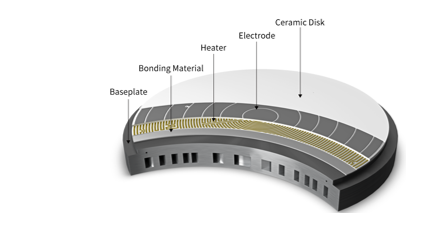
- Электростатические патроны (ESC)
- Мощные электронные подложки
- Радиочастотные и силовые модули
Ключевые преимущества:
- Высокая теплопроводность (намного выше, чем у Al₂O₃)
- Отличная электроизоляция
- Уменьшение несоответствия теплового напряжения
3. Таблица технического сравнения
| Материал | Теплопроводность (Вт/м-К) | Электрическая изоляция | Устойчивость к тепловому удару | Сопротивление плазмы | Основной пример использования |
|---|---|---|---|---|---|
| Al₂O₃ (глинозем) | 20-30 | Превосходно | Средний | Средний | Общие конструктивные элементы |
| Y₂O₃ (иттрий) | 10-15 | Превосходно | Хорошо | Превосходно | Покрытия для плазменных камер |
| SiC (карбид кремния) | 120-200 | Хорошо | Превосходно | Хорошо | Прецизионные конструктивные детали |
| Si₃N₄ (нитрид кремния) | 20-90 | Хорошо | Превосходно | Хорошо | Подшипники и механические системы |
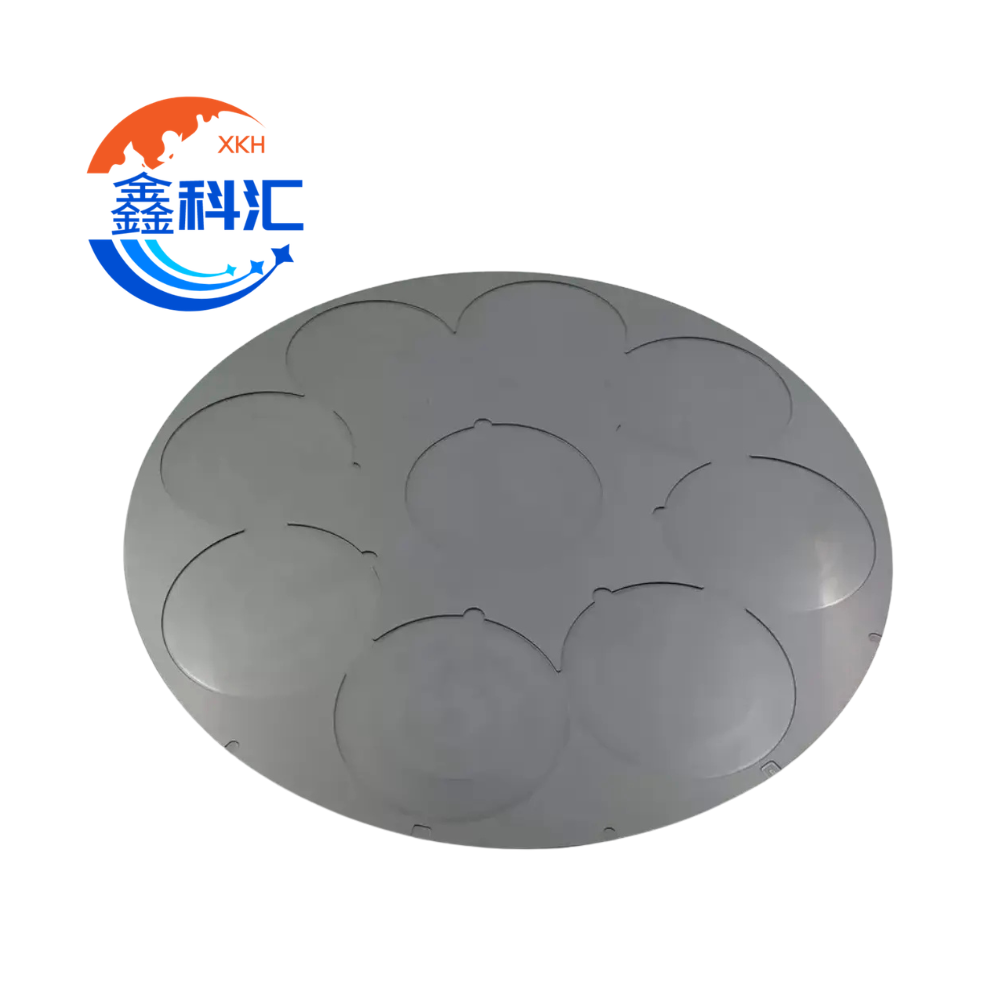
| AlN (нитрид алюминия) | 140-180 | Превосходно | Хорошо | Средний | Терморегулирование (ESC) |
4. Карта применения в полупроводниковом оборудовании
Передовое технологическое оборудование
- Камеры травления → Al₂O₃ / Y₂O₃
- Системы осаждения → Al₂O₃ / SiC
- Плазменная среда → покрытие Y₂O₃
Системы обработки пластин
- Руки робота → Si₃N₄ / SiC
- Вакуумные патроны → Al₂O₃ / AlN
- Направляющие шины → SiC / Si₃N₄
Системы терморегулирования
- ESC (электростатический патрон) → AlN / Al₂O₃
- Распределители тепла → AlN
- Прецизионные охлаждающие пластины → Al₂O₃ / SiC
5. Руководство по выбору материалов (инженерный вид)
- Применение с учетом стоимости → Al₂O₃
- Среда плазменной коррозии → Y₂O₃
- Высокоточная структура → SiC
- Механическая нагрузка и долговечность → Si₃N₄
- Высокое тепловое рассеивание → AlN
6. Тенденция будущего: гибридные керамические системы
Полупроводниковое оборудование нового поколения смещается в сторону:
- Керамические системы с покрытием (Al₂O₃ + Y₂O₃)
- Структурные платформы SiC
- Интеграция терморегулирования AlN
- Гибридные керамические сборки из нескольких материалов
Эта тенденция значительно повышает срок службы оборудования и стабильность процесса.
Заключение
Передовая керамика стала основой оборудования для производства полупроводников. Каждый материал играет специализированную роль - от структурной поддержки до плазмостойкости и терморегулирования.
Выбор правильного керамического материала оказывает непосредственное влияние:
- Срок службы оборудования
- Стабильность процесса
- Урожайность
- Стоимость обслуживания
Запрос Керамические компоненты на заказ
Мы предоставляем:
- Алюмокерамические детали (Al₂O₃)
- Прецизионные компоненты из карбида кремния (SiC)
- Конструкционные детали из нитрида кремния (Si₃N₄)
- Термоподложки из нитрида алюминия (AlN)
- Растворы для нанесения иттриевого покрытия (Y₂O₃)
👉 Нестандартные размеры, обработка, полировка, покрытие и инженерная поддержка.