في معدات تصنيع أشباه الموصلات الحديثة، لم تعد السيراميكيات المتقدمة مكونات اختيارية في معدات تصنيع أشباه الموصلات الحديثة، بل هي مواد تمكين حاسمة تحدد الدقة والاستقرار وموثوقية العملية.
من غرف الحفر بالبلازما إلى أنظمة مناولة الرقاقات، يتم اختيار مواد السيراميك المختلفة بناءً على متطلبات الأداء الحراري والكهربائي والميكانيكي.
تقدم هذه المقالة السيراميك الأكثر استخدامًا من فئة أشباه الموصلات وتوفر مقارنة تقنية واضحة لاتخاذ القرارات الهندسية والمشتريات.

1. لماذا السيراميك ضروري في معدات أشباه الموصلات
تتضمن بيئات إنتاج أشباه الموصلات:
- درجات الحرارة القصوى (تصل إلى 1000 درجة مئوية فأكثر)
- بيئات تآكل البلازما
- أنظمة التفريغ العالي جداً
- الظروف الكهربائية عالية الجهد العالي
- متطلبات الدقة على مستوى النانومتر
تفشل المعادن التقليدية في العزل أو مقاومة التآكل أو الاستقرار الحراري. يحل السيراميك المتقدم هذه القيود.
2. المواد الخزفية الأكثر استخداماً على نطاق واسع
2.1 الألومينا (Al₂O₃) - المادة القياسية في الصناعة
سيراميك الألومينا هو المادة الأكثر استخدامًا على نطاق واسع، حيث يمثل حوالي 45% من تطبيقات سيراميك أشباه الموصلات.
التطبيقات الرئيسية:
- بطانات حجرة الحفر
- حلقات دعم الرقاقة
- ألواح توزيع الغاز
- أظرف تفريغ الهواء
- مكونات الصقل CMP
المزايا الرئيسية:
- عزل كهربائي مستقر
- مقاومة حرارية جيدة
- الإنتاج الضخم الفعال من حيث التكلفة
- تكنولوجيا المعالجة الناضجة
2.2 الإيتريا (Y₂O₃) - سيراميك مقاوم للبلازما
تُستخدم الإيتريا على نطاق واسع في البيئات كثيفة البلازما بسبب مقاومتها الممتازة للتآكل.
التطبيقات الرئيسية:
- طلاء غرفة الحفر
- منافذ عرض بصرية
- المكونات المواجهة للبلازما
المزايا الرئيسية:
- مقاومة فائقة للتآكل بالبلازما مقابل Al₂O₃O₃
- درجة انصهار عالية (حوالي 2430 درجة مئوية)
- غالبًا ما تستخدم كطبقة طلاء لتقليل التكلفة
2.3 كربيد السيليكون (SiC) - سيراميك هيكلي عالي الدقة
يوفر كربيد السيليكون صلابة استثنائية وثباتًا حراريًا استثنائيًا، مما يجعله مثاليًا للمعدات الدقيقة.
التطبيقات الرئيسية:
- مراحل ماكينة الطباعة الحجرية
- حلقات التركيز
- قضبان توجيه دقيقة
- أظرف الرقاقات والمرايا
المزايا الرئيسية:
- صلابة عالية للغاية
- تمدد حراري منخفض
- توصيل حراري ممتاز
- سطح قابل للتلميع بالمرآة
2.4 نيتريد السيليكون (Si₃N₄) - سيراميك هندسي عالي الموثوقية
يُعرف نيتريد السيليكون بقوته الميكانيكية الممتازة ومقاومته الممتازة للصدمات الحرارية.
التطبيقات الرئيسية:
- المحامل
- أنظمة التوجيه الخطي
- الأذرع الميكانيكية
- الأجزاء الهيكلية عالية التحميل
المزايا الرئيسية:
- صلابة عالية للكسر
- مقاومة ممتازة للصدمات الحرارية
- أداء مستقر في درجات الحرارة العالية (حتى 1200 درجة مئوية فأكثر)
2.5 نيتريد الألومنيوم (AlN) - الجيل التالي من السيراميك الحراري
يُستخدم AlN بشكل متزايد في أنظمة أشباه الموصلات عالية الطاقة نظرًا لميزة التوصيل الحراري التي يتمتع بها.
التطبيقات الرئيسية:
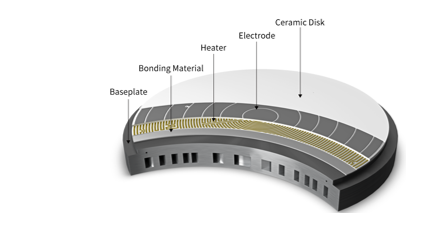
- الأظرف الكهروستاتيكية (ESC)
- ركائز إلكترونية عالية الطاقة
- وحدات الترددات اللاسلكية والطاقة
المزايا الرئيسية:
- الموصلية الحرارية العالية (أعلى بكثير من Al₂O₃)
- عزل كهربائي ممتاز
- تقليل عدم تطابق الإجهاد الحراري
3. جدول المقارنة الفنية
| المواد | الموصلية الحرارية (وات/م كلفن) | العزل الكهربائي | مقاومة الصدمات الحرارية | مقاومة البلازما | حالة الاستخدام الرئيسية |
|---|---|---|---|---|---|
| أل₂O₃ (الألومينا) | 20-30 | ممتاز | متوسط | متوسط | الأجزاء الهيكلية العامة |
| Y₂O₃ (Yttria) | 10-15 | ممتاز | جيد | ممتاز | طلاء غرفة البلازما |
| SiC (كربيد السيليكون) | 120-200 | جيد | ممتاز | جيد | الأجزاء الهيكلية الدقيقة |
| Si₃N₄ (نيتريد السيليكون) | 20-90 | جيد | ممتاز | جيد | المحامل والأنظمة الميكانيكية |
| AlN (نيتريد الألومنيوم) | 140-180 | ممتاز | جيد | متوسط | الإدارة الحرارية (ESC) |
4. خريطة التطبيق في معدات أشباه الموصلات
معدات المعالجة الأمامية
- حجرات الحفر ← غرف الحفر ← آل ₂O₃ / Y₂O₃
- أنظمة الترسيب → Al₂O₃ / SiC
- بيئات البلازما → طلاء Y₂O₃
أنظمة مناولة الرقاقات
- أذرع الروبوت → Si₃N₄ / SiC
- أظرف تفريغ الهواء → Al₂O₃ / AlN
- قضبان التوجيه ← SiC/ Si₃N₄No₄
أنظمة الإدارة الحرارية
- ESC (الظرف الكهروستاتيكي) ← Al₂O₃O₃
- موزعات الحرارة → AlN
- ألواح التبريد الدقيقة → Al₂O₃ / SiC
5. دليل اختيار المواد (عرض هندسي)
- التطبيقات الحساسة من حيث التكلفة → ₂O₃
- بيئة التآكل بالبلازما → Y₂O₃
- هيكل عالي الدقة → SiC
- الحمل الميكانيكي والمتانة → Si₃N₄No₄
- تبديد حراري عالي → AlN
6. الاتجاه المستقبلي: الأنظمة الخزفية الهجينة
يتجه الجيل التالي من معدات أشباه الموصلات نحو:
- أنظمة السيراميك المطلي (Al₂O₃ + Y₂O₃)
- المنصات الهيكلية SiC
- تكامل الإدارة الحرارية للآلن
- تجميعات السيراميك الهجين متعدد المواد
هذا الاتجاه يحسن بشكل كبير من عمر المعدات واستقرار العملية.
الخاتمة
أصبح السيراميك المتقدم العمود الفقري لمعدات تصنيع أشباه الموصلات. تلعب كل مادة دورًا متخصصًا - من الدعم الهيكلي إلى مقاومة البلازما والإدارة الحرارية.
يؤثر اختيار مادة السيراميك المناسبة تأثيراً مباشراً:
- عمر المعدات
- استقرار العملية
- معدل العائد
- تكلفة الصيانة
الطلب مكونات السيراميك المخصصة
نحن نقدم:
- الأجزاء الخزفية المصنوعة من الألومينا (Al₂O₃)
- مكونات كربيد السيليكون الدقيقة (SiC)
- الأجزاء الهيكلية من نيتريد السيليكون (Si₃N₄)
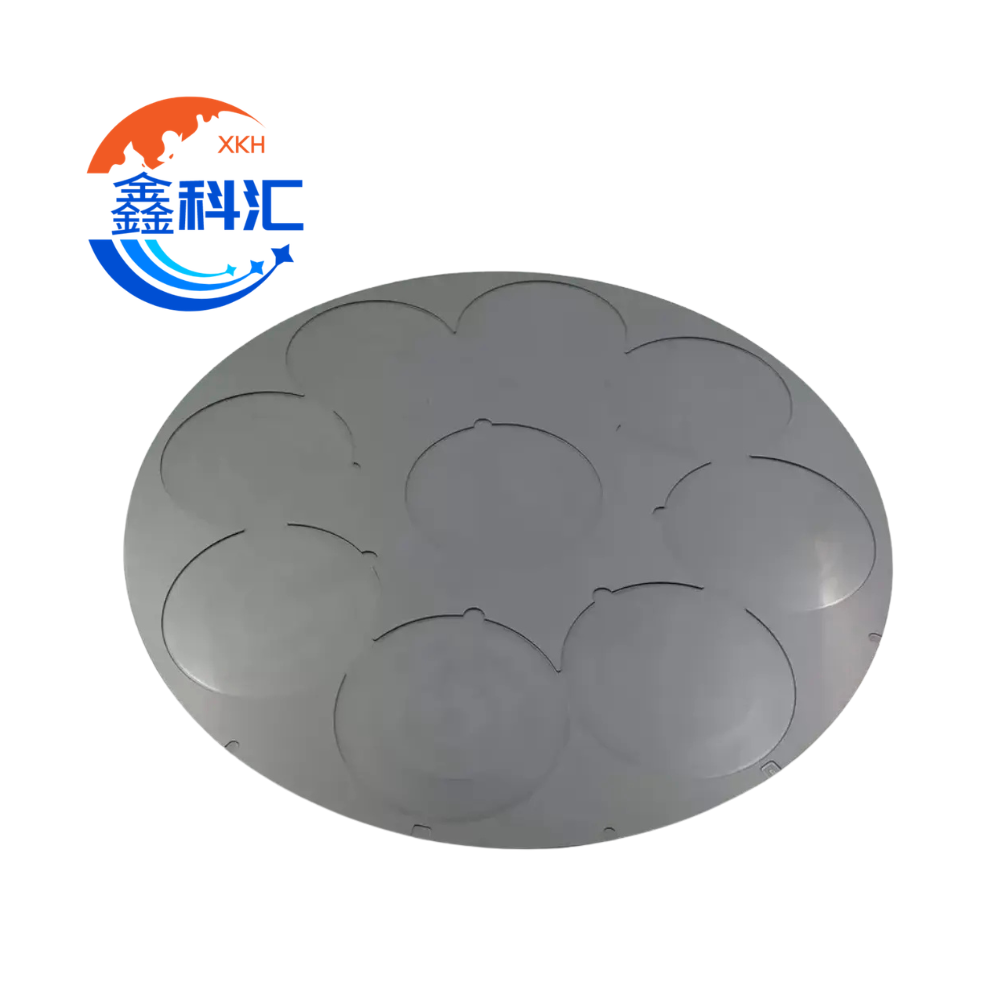
- ركائز نيتريد الألومنيوم الحرارية (AlN)
- محاليل طلاء الإيتريا (Y₂O₃)
👉 يتوفر الدعم الهندسي والمقاسات المخصصة والتصنيع الآلي والتلميع والطلاء والدعم الهندسي.