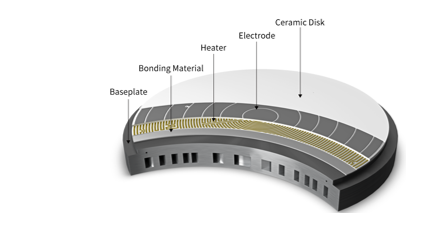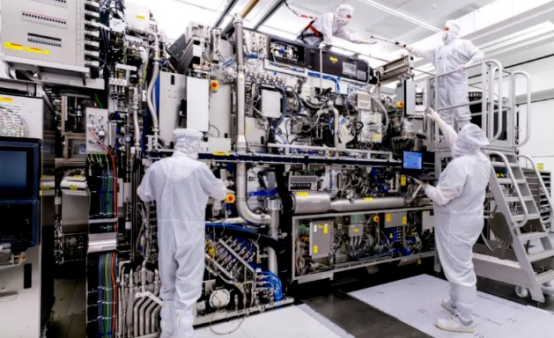
Поскольку полупроводниковая технология продолжает развиваться в направлении уменьшения размеров узлов, повышения плотности интеграции и усложнения производственных процессов, спрос на современные материалы для полупроводникового оборудования резко возрос. В современных условиях производства полупроводников требуются материалы, способные выдерживать экстремальные температуры, коррозионное воздействие плазмы, сверхчистые вакуумные условия, высокие механические нагрузки, сохраняя при этом стабильность размеров и контроль загрязнения.
Среди множества доступных сегодня материалов передовая керамика стала незаменимой в оборудовании для производства полупроводников благодаря исключительному сочетанию механических, термических, электрических и химических свойств.
От систем обработки пластин и камер травления до оборудования для осаждения и печей термической обработки - передовые керамические компоненты широко используются во всей цепочке производства полупроводников.
Почему передовая керамика необходима в полупроводниковом оборудовании
Оборудование для производства полупроводников становится все более точным и сложным. Обычные металлические материалы часто испытывают трудности в суровых условиях плазменной обработки, высокотемпературного термоциклирования и химически агрессивных сред.
Усовершенствованная керамика обладает рядом важнейших преимуществ:
- Чрезвычайно высокая твердость и износостойкость
- Отличная электроизоляция
- Выдающаяся термическая стабильность
- Низкое тепловое расширение
- Превосходная коррозионная стойкость
- Низкое образование частиц
- Высокая стабильность размеров в вакуумной среде
- Устойчивость к плазменной эрозии
Благодаря этим характеристикам прецизионные керамические компоненты широко используются в:
- Системы обработки пластин
- Оборудование для травления
- Литографические системы
- Оборудование для химического осаждения из паровой фазы (CVD)
- Камеры для физического осаждения из паровой фазы (PVD)
- Системы ионной имплантации
- Диффузионные и окислительные печи
- Оборудование для химико-механической полировки (CMP)
Во многих полупроводниковых инструментах передовые керамические компоненты составляют значительную часть основных функциональных материалов и напрямую влияют на стабильность процесса, выход продукции и срок службы оборудования.
Технические проблемы, связанные с полупроводниковыми керамическими компонентами
Чтобы соответствовать требованиям полупроводниковой промышленности, современные керамические материалы должны удовлетворять трем основным техническим требованиям:
1. Требования к характеристикам материала
Керамические материалы должны сохранять стабильные характеристики в условиях:
- Высокие температуры
- Механическое напряжение
- Воздействие на плазму
- Кислотная и щелочная коррозия
- Высокочастотные электрические среды
- Условия теплового шока
Для этого требуется оптимальный баланс механических, тепловых, диэлектрических и химических свойств.
2. Прецизионная обработка твердых и хрупких материалов
Передовая керамика, как известно, трудно поддается обработке из-за своей высокой твердости и хрупкости. Полупроводниковое оборудование требует сверхвысокой точности размеров, жестких допусков и сложной геометрии, что делает прецизионную обработку одной из самых сложных задач в отрасли.
3. Сверхчистая обработка поверхности
Многие керамические компоненты находятся вблизи или непосредственно в контакте с полупроводниковыми пластинами. Поэтому необходим строгий контроль за:
- Загрязнение ионами металлов
- Шероховатость поверхности
- Генерация частиц
- Дефекты поверхности
необходима после обработки и полировки.
Основные перспективные керамические материалы, используемые в полупроводниках
1. Глинозем (Al₂O₃)
Основные свойства
- Высокая твердость
- Отличная износостойкость
- Сильная электрическая изоляция
- Устойчивость к высоким температурам
- Отличная химическая стабильность
Типовые применения
- Вафельные лодки
- Электрические изоляторы
- Компоненты CMP
- Подложки для упаковки полупроводников
Глинозем остается одним из наиболее широко используемых видов инженерной керамики благодаря сбалансированным характеристикам и экономичности.
2. Нитрид алюминия (AlN)
Основные свойства
- Чрезвычайно высокая теплопроводность
- Низкий коэффициент теплового расширения
- Отличная электроизоляция
- Хорошая устойчивость к тепловым ударам
Типовые применения
- Подложки для упаковки полупроводников
- Теплоотводы
- Мощные электронные устройства
- Нагреватели для тонкопленочного осаждения
Нитрид алюминия особенно ценен в системах терморегулирования, где быстрый отвод тепла имеет решающее значение.
3. Карбид кремния (SiC)
Основные свойства
- Сверхвысокая твердость
- Отличная стабильность при высоких температурах
- Высокая теплопроводность
- Выдающаяся коррозионная стойкость
- Превосходная плазмостойкость
Типовые применения
- Компоненты камеры травления
- Пластинчатые суспензоры
- Высокотемпературные нагреватели
- Компоненты для обработки пластин
- Подложки для силовых полупроводников
Карбид кремния стал одним из важнейших материалов для передовой обработки полупроводников, особенно в условиях интенсивной плазменной обработки.
4. Нитрид кремния (Si₃N₄)
Основные свойства
- Высокая механическая прочность
- Отличная вязкость разрушения
- Превосходная устойчивость к тепловым ударам
- Отличная износостойкость
Типовые применения
- Структурные компоненты
- Полупроводниковые несущие системы
- Высоконадежные упаковочные материалы
- Компоненты терморегулирования
Нитрид кремния широко используется там, где требуются прочность и надежность в тяжелых условиях эксплуатации.
5. Цирконий (ZrO₂)
Основные свойства
- Высокая вязкость разрушения
- Отличная износостойкость
- Сильная химическая стабильность
- Хорошие высокотемпературные характеристики
Типовые применения
- Компоненты CMP
- Износостойкие полупроводниковые детали
- Высокотемпературные датчики
Благодаря механизму трансформационного упрочнения диоксид циркония обеспечивает превосходную устойчивость к распространению трещин по сравнению со многими другими керамиками.
6. Оксид бериллия (BeO)
Основные свойства
- Чрезвычайно высокая теплопроводность
- Отличная электроизоляция
- Низкая диэлектрическая проницаемость
- Высокотемпературная стабильность
Типовые применения
- Мощная полупроводниковая упаковка
- Подложки для радиочастот и микроволн
- Системы терморегулирования
Оксид бериллия сочетает в себе теплопроводность, подобную металлической, и изоляционные свойства керамики, что делает его очень эффективным в специализированных электронных приложениях.
7. Пьезоэлектрическая керамика (PZT)
Основные свойства
- Отличный пьезоэлектрический отклик
- Высокая чувствительность
- Возможность быстрого приведения в действие
- Хорошая температурная стабильность
Типовые применения
- Системы точного позиционирования
- Полупроводниковые датчики
- Устройства для акустических волн
- Прецизионные приводы
Пьезоэлектрическая керамика играет важную роль в сверхточных системах управления движением, используемых в производстве полупроводников.
8. Кварцевая керамика (SiO₂)
Основные свойства
- Сверхвысокая чистота
- Очень низкое тепловое расширение
- Отличная термостойкость
- Выдающаяся химическая стабильность
Типовые применения
- Трубки для диффузионных печей
- Компоненты системы литографии
- Держатели пластин
Кварцевые материалы особенно важны в сверхчистых и высокотемпературных полупроводниковых средах.
9. Нитрид бора (BN)
Основные свойства
- Высокая теплопроводность
- Низкая диэлектрическая проницаемость
- Отличные смазывающие свойства
- Выдающаяся устойчивость к тепловым ударам
Типовые применения
- Высокотемпературная изоляция
- Компоненты терморегулирования
- Смазывание деталей в полупроводниковом оборудовании
Нитрид бора особенно полезен в областях применения, где требуется термическая стабильность и отсутствие реакционной способности.
Будущее передовой керамики в производстве полупроводников
По мере того как производство полупроводников продвигается вперед:
- Малые технологические узлы
- Повышенная пропускная способность подложек
- Более агрессивная плазменная обработка
- Передовые технологии упаковки
- Широкополосные полупроводники
Требования к эксплуатационным характеристикам керамических материалов будут постоянно расти.
Будущие тенденции включают:
- Керамические материалы повышенной чистоты
- Улучшенные плазмостойкие покрытия
- Поверхности с ультранизким уровнем образования частиц
- Более крупные и сложные керамические конструкции
- Усовершенствованные композитные керамические системы
- Более тесная интеграция с производственным оборудованием, управляемым искусственным интеллектом
Усовершенствованная керамика перестала быть просто вспомогательным материалом - она стала критически важной технологией для производства полупроводников нового поколения.
Заключение
Передовые керамические материалы стали основой современного полупроводникового оборудования благодаря непревзойденному сочетанию термической стабильности, электроизоляции, механической прочности и химической стойкости.
Такие материалы, как глинозем, нитрид алюминия, карбид кремния, нитрид кремния, диоксид циркония, кварц и нитрид бора, обладают уникальными преимуществами для конкретных процессов производства полупроводников.
Поскольку полупроводниковая промышленность продолжает стремиться к повышению точности, эффективности и надежности, передовая керамика будет оставаться в центре технологических инноваций и разработки оборудования.