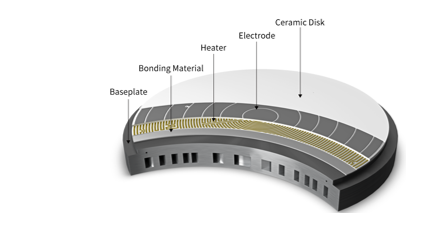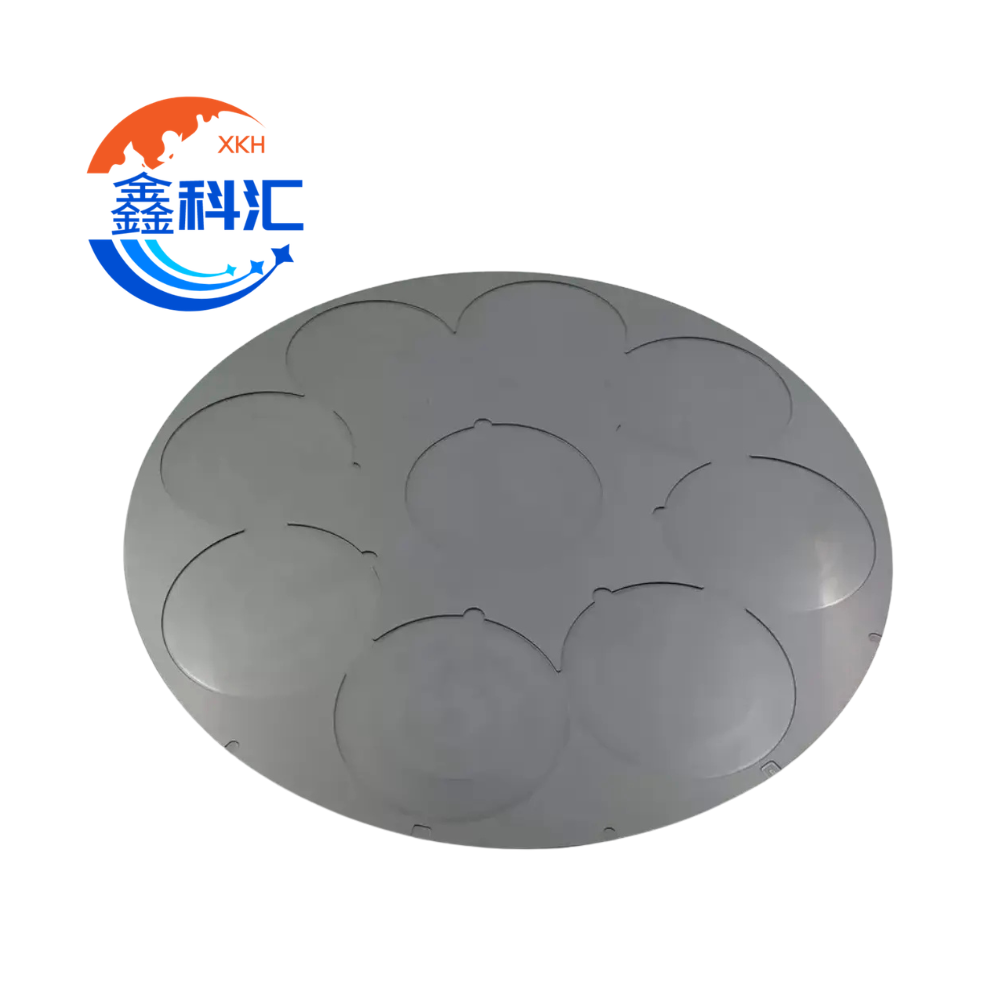
As electronic devices continue to evolve toward higher power density, efficient heat dissipation has become one of the most critical challenges in modern engineering. Traditional metal heat sinks such as aluminum and copper are no longer sufficient in applications requiring both electrical insulation and thermal stability.
This is where the alumina ceramic heat sink (Al₂O₃) plays a key role. Combining excellent thermal performance with outstanding insulation properties, alumina ceramic materials are increasingly used in power electronics, LED systems, and high-voltage environments.
What Is an Alumina Ceramic Heat Sink?
An alumina ceramic heat sink is a thermal management component made from high-purity aluminum oxide (Al₂O₃). Unlike metal-based heat sinks, alumina ceramics provide:
- Электрическая изоляция
- Высокая термостойкость
- Устойчивость к коррозии
- Stable mechanical structure
These properties make it ideal for environments where metals may fail due to conductivity or oxidation issues.
Key Advantages of Alumina Ceramic Heat Sinks
1. Electrical Insulation with Thermal Stability
Alumina ceramic provides excellent dielectric properties, with volume resistivity typically above 10¹⁴ Ω·cm, making it safe for high-voltage applications.
At the same time, it maintains stable thermal performance under continuous operation.
2. Reliable Performance in High-Temperature Environments
Alumina ceramics can operate in extreme temperature conditions without deformation or degradation, making them suitable for:
- Силовые модули
- Industrial heaters
- Автомобильная электроника
3. Corrosion and Chemical Resistance
Unlike metals, alumina ceramic does not oxidize or corrode easily, ensuring long-term stability even in harsh environments such as humidity, chemicals, or vacuum systems.
4. Dimensional Stability and Precision Machinability
Advanced manufacturing techniques allow alumina ceramic plates to achieve:
- High flatness (≤ 0.05–0.1 mm depending on size)
- Precision grinding and polishing
- Custom cutting and drilling
This makes them suitable for precision electronic assemblies.
Technical Performance Overview
Typical properties of alumina ceramic heat sinks include:
- Thermal conductivity: 20–30 W/m·K
- Flexural strength: ≥ 300 MPa
- Hardness: ≥ 80 HRA
- Density: 3.6–3.9 g/cm³
- Dielectric strength: 10–15 kV/mm
These parameters provide a balanced combination of thermal and mechanical performance for industrial use.
Applications of Alumina Ceramic Heat Sinks
Alumina ceramic heat sinks are widely used in advanced industries, including:
Силовая электроника
- IGBT modules
- MOSFET packaging
- High-voltage converters
Светодиодная промышленность
- Мощные светодиодные системы освещения
- Heat dissipation substrates for LED arrays
Industrial Equipment
- Лазерные системы
- Радиочастотные и микроволновые устройства
- Precision control modules
Semiconductor and High-End Electronics
- Thermal interface platforms
- Insulating structural components
Alumina Ceramic vs Metal Heat Sinks
| Недвижимость | Глиноземистая керамика | Aluminum Heat Sink |
|---|---|---|
| Электрическая изоляция | Превосходно | Бедный |
| Устойчивость к коррозии | Превосходно | Средний |
| Теплопроводность | Средний | Высокий |
| High-voltage suitability | Да | Нет |
| Weight stability | Высокий | Средний |
While aluminum has higher thermal conductivity, alumina ceramic offers a unique balance of insulation + stability + durability, making it irreplaceable in specific applications.
Custom Manufacturing Capabilities
We provide customized alumina ceramic heat sink solutions, including:
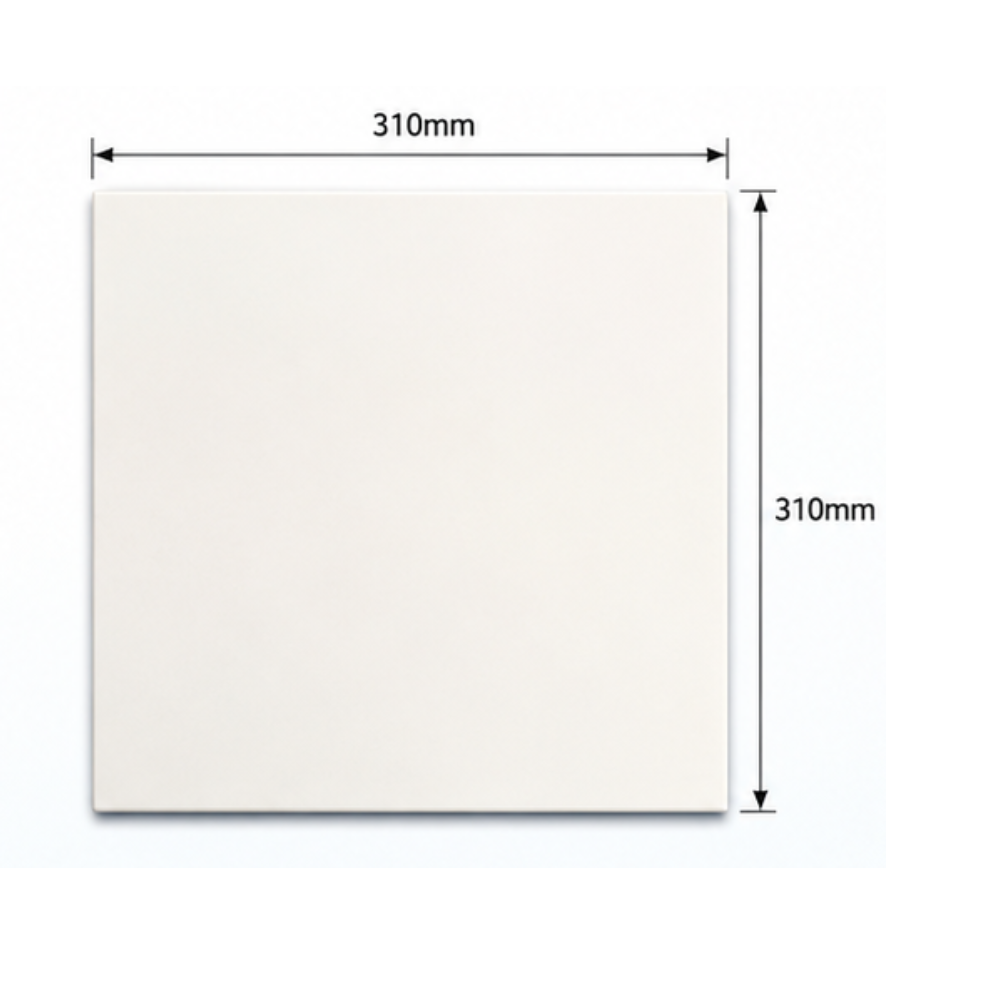
- Size customization (up to large-format plates)
- Thickness control (0.5 mm – 10 mm or more)
- Surface polishing / lapping
- Metallization (Ni / Au / Ag coatings)
- CNC machining, drilling, and laser cutting
Заключение
The alumina ceramic heat sink is becoming a key material in next-generation thermal management systems. Its unique combination of electrical insulation, thermal stability, and mechanical strength makes it an essential alternative to traditional metal heat sinks in high-performance applications.
As industries continue to demand higher power density and reliability, alumina ceramic solutions will play an increasingly important role in advanced electronic systems.