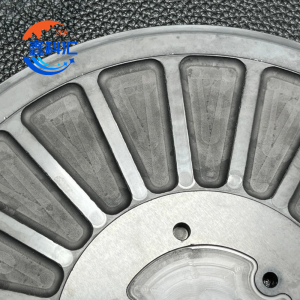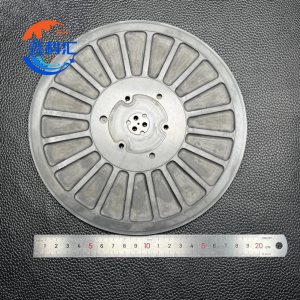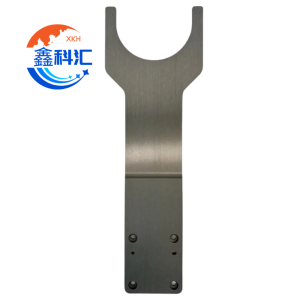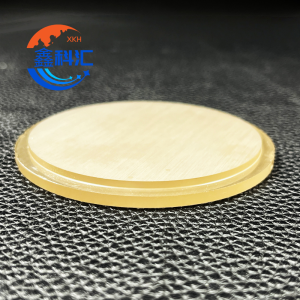
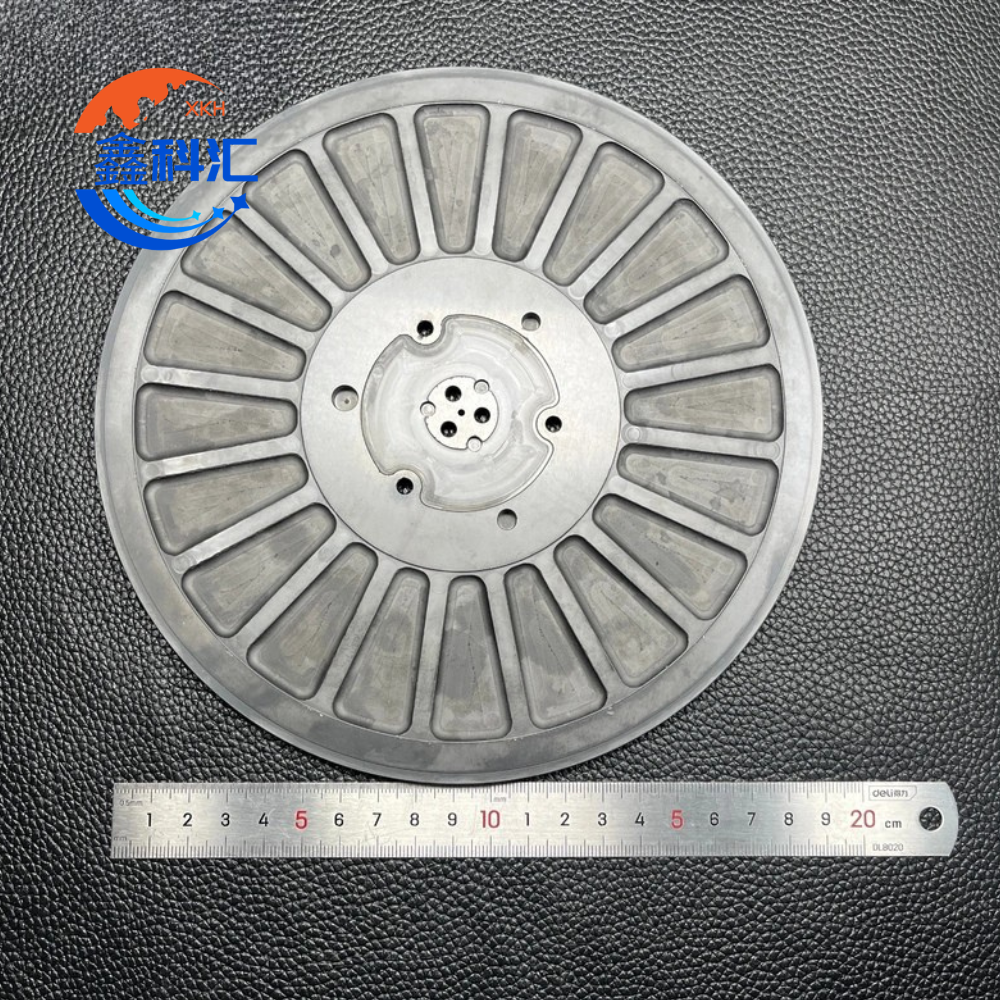
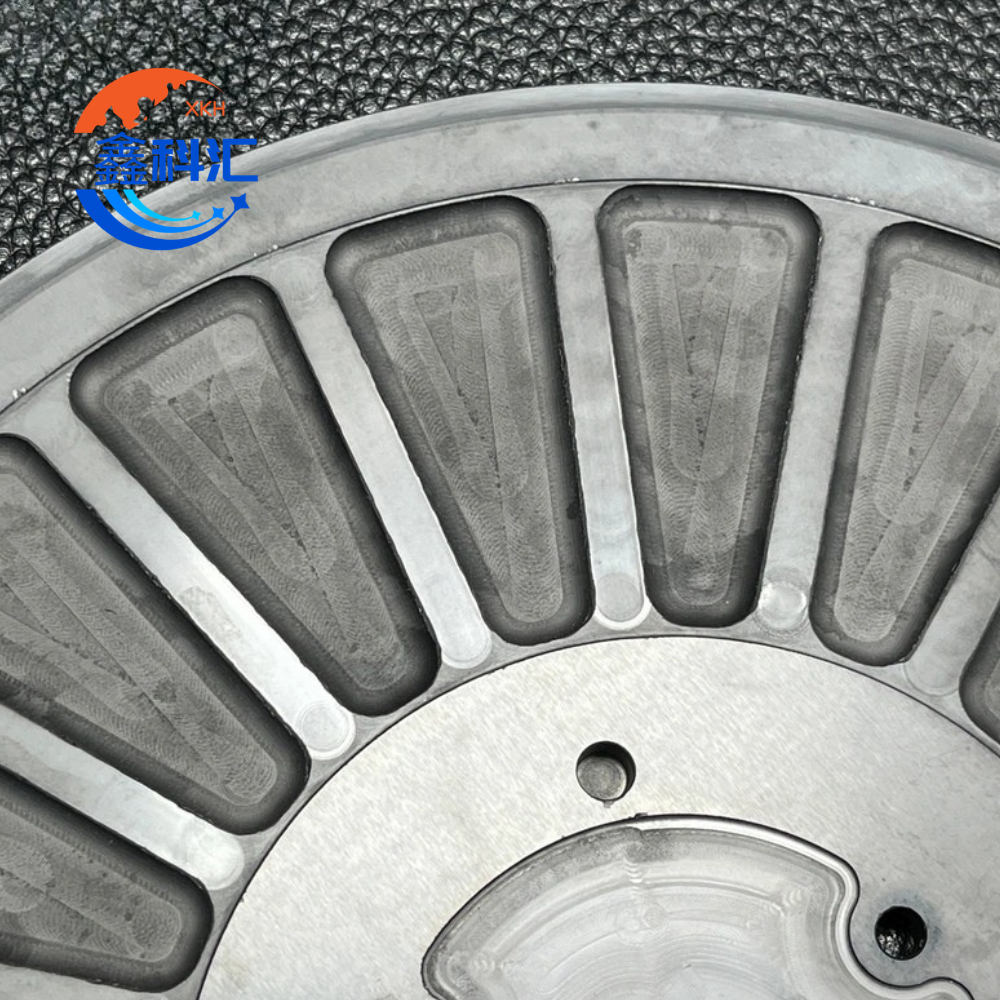
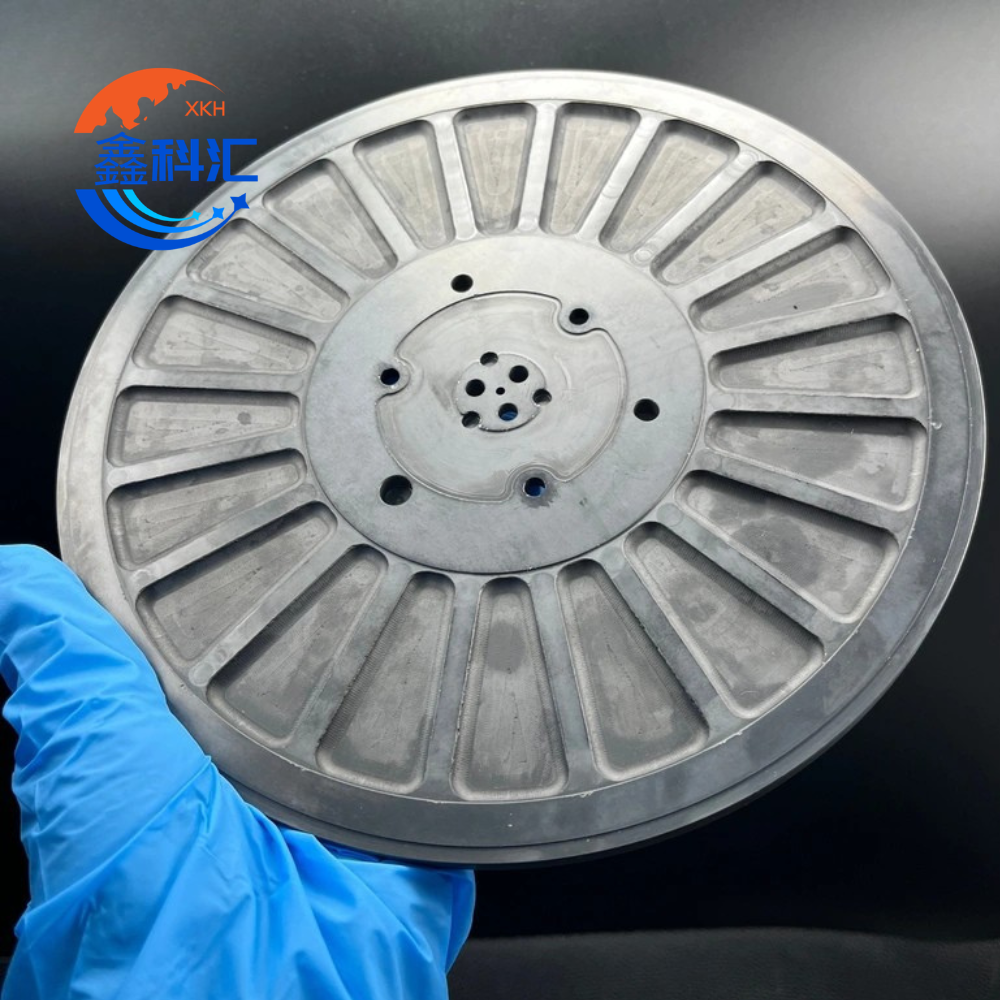
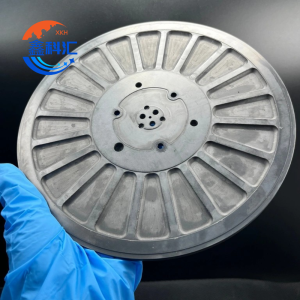
The Silicon Carbide (SiC) Ceramic Tray is a high temperature ceramic component designed for industrial thermal processing applications. It is widely used as a carrier or support fixture in furnace systems where stability under high heat and thermal cycling is required.
This SiC ceramic tray is commonly applied in semiconductor processing, advanced material sintering, powder metallurgy, and industrial heat treatment processes. It provides stable mechanical support and maintains dimensional consistency under continuous high temperature conditions.
What Is Silicon Carbide Ceramic Tray
Silicon carbide ceramic trays are technical ceramic components made from SiC material. They are designed for use in high temperature environments where conventional metal or oxide ceramic materials may deform or degrade.
Compared with alumina or quartz trays, SiC ceramic trays offer better thermal conductivity, higher hardness, and improved thermal shock resistance. These properties make them suitable for demanding industrial furnace applications.
Material Properties of SiC Ceramic
Silicon carbide ceramic provides stable performance in high temperature environments.
It maintains structural strength under continuous thermal load.
It has good thermal shock resistance during heating and cooling cycles.
It offers low thermal expansion for dimensional stability.
It provides relatively high thermal conductivity compared with oxide ceramics.
It remains chemically stable in most industrial furnace atmospheres.
Manufacturing Process
SiC ceramic trays are manufactured using different production methods depending on application requirements.
Reaction-Bonded Silicon Carbide (RBSiC)
RBSiC is widely used in industrial furnace applications due to its balanced performance, good thermal shock resistance, and cost efficiency.
Sintered Silicon Carbide (SSiC)
SSiC provides higher density and improved chemical stability, making it suitable for more demanding environments.
Forming and Machining
The manufacturing process includes forming, sintering, and precision CNC machining to achieve required dimensional accuracy and structural stability.
Applications of SiC Ceramic Tray
Silicon carbide ceramic trays are used in various high temperature industrial processes.
Semiconductor thermal processing such as diffusion and oxidation
High temperature sintering of ceramics and advanced materials
Powder metallurgy and metal heat treatment
Battery material calcination and thermal processing
Optoelectronic material heat treatment
Industrial furnace carrier systems
Advantages of SiC Ceramic Tray
Stable performance in high temperature environments
Good thermal shock resistance under controlled conditions
Reduced deformation compared with conventional ceramic materials
Suitable for repeated thermal cycling processes
Compatible with industrial furnace automation systems
Customizable structure and dimensions available
Technical Specifications
| Parameter | Value |
|---|---|
| Material | Silicon Carbide (SiC) |
| Material Grades | RBSiC / SSiC |
| Operating Temperature | Up to 1600°C (depending on grade) |
| Density | 2.3 – 3.9 g/cm³ |
| Thermal Shock Resistance | Good |
| Thermal Conductivity | High (compared with alumina ceramics) |
| Thermal Expansion Coefficient | Low |
| Structure Types | Flat / Grooved / Perforated / Custom |
| Size Range | Standard and custom available |
| Thickness | Customized according to application |
Quality and Customization
SiC ceramic trays can be customized according to furnace system requirements.
Customization options include size, thickness, structure, and surface finishing. OEM and ODM production is supported for industrial and semiconductor applications.
Each product is manufactured under controlled processes to ensure consistency and dimensional accuracy.
FAQ
1. What is silicon carbide ceramic tray used for
Silicon carbide ceramic trays are used as high temperature carriers in furnace systems for semiconductor processing, material sintering, and industrial heat treatment.
2. Is SiC ceramic suitable for high temperature applications
Yes. Silicon carbide ceramic is designed for high temperature environments and maintains stability under continuous thermal exposure.
3. What is the difference between RBSiC and SSiC
RBSiC is used for general industrial applications with good cost performance. SSiC is used in higher purity and more demanding environments requiring better chemical stability.
4. Can silicon carbide trays be customized
Yes. Size, structure, and design can be customized based on furnace equipment and process requirements.
5. What industries use SiC ceramic trays
They are widely used in semiconductor manufacturing, powder metallurgy, battery materials, and industrial furnace systems.


レビュー
レビューはまだありません。