Notizie sul settore

Dissipatore di calore in ceramica e diffusore di calore in ceramica: Differenze chiave e ruoli ingegneristici

In high-power electronics, semiconductor packaging, LED systems, and RF devices, thermal management is one of the most critical factors affecting performance and reliability. As power density continues to increase, two terms are frequently used: Ceramic Heatsink and Ceramic Heat Spreader. Although they sound similar, they serve very different roles in a thermal system. In simple […]
Dissipatore di calore in ceramica e diffusore di calore in ceramica: Differenze chiave e ruoli ingegneristici Leggi tutto »

Dalla litografia alla produzione di wafer: Come le ceramiche al carburo di silicio alimentano un mercato dei semiconduttori da miliardi di dollari

When people think about the semiconductor industry, they usually focus on chips, wafers, or advanced process nodes. However, behind every semiconductor breakthrough lies a less visible but equally critical foundation: advanced materials. As semiconductor manufacturing continues to pursue higher precision, smaller geometries, and faster production speeds, equipment performance requirements are becoming increasingly demanding. This shift

Dalla litografia alla produzione di wafer: Come le ceramiche al carburo di silicio alimentano un mercato dei semiconduttori da miliardi di dollari Leggi tutto »

Barca per wafer in carburo di silicio vs barca per wafer in quarzo: Qual è il migliore?

In semiconductor manufacturing, wafer handling components directly affect process stability, yield, and long-term operating cost. Among them, wafer boats play a critical role in transporting and supporting wafers during high-temperature diffusion, oxidation, epitaxy, and coating processes. Two of the most commonly used materials are Silicon Carbide (SiC) wafer boats and Quartz wafer boats. While both

Barca per wafer in carburo di silicio vs barca per wafer in quarzo: Qual è il migliore? Leggi tutto »

Sfide di produzione dei componenti ceramici a struttura complessa per le apparecchiature a semiconduttori

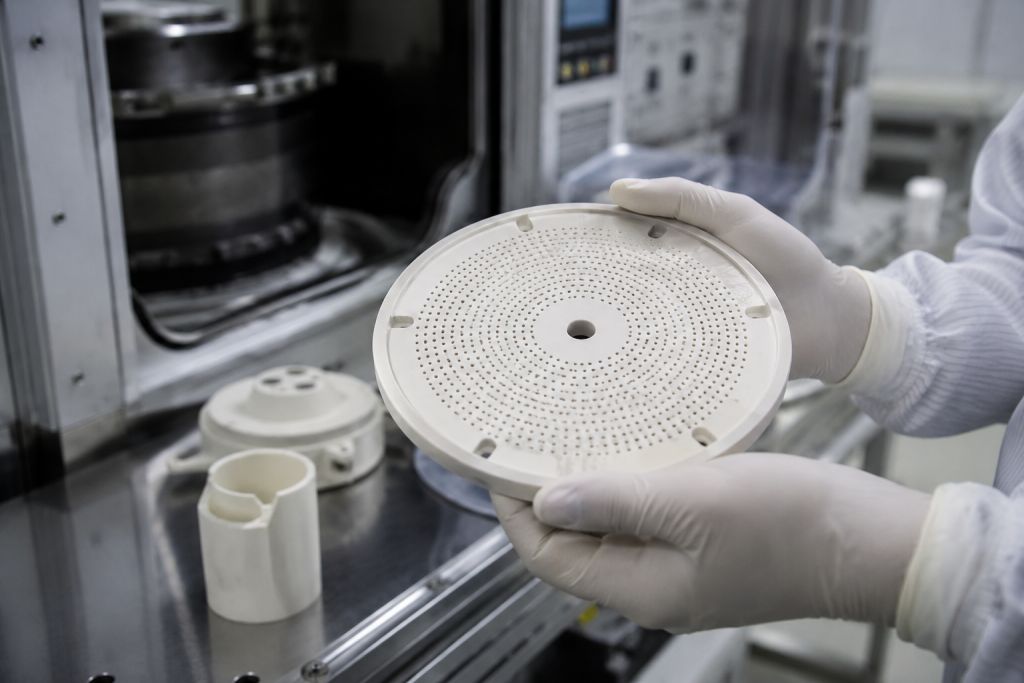
Nella produzione avanzata di semiconduttori, i moduli di processo chiave come l'incisione al plasma, la deposizione chimica da vapore (CVD) e l'impiantazione ionica operano in ambienti estremi, con plasma ad alta energia, gas corrosivi, alta tensione di polarizzazione e rapidi cicli termici. Queste condizioni impongono requisiti rigorosi ai materiali strutturali in termini di stabilità dielettrica, resistenza alla corrosione, compatibilità termica e affidabilità dimensionale a lungo termine.

Sfide di produzione dei componenti ceramici a struttura complessa per le apparecchiature a semiconduttori Leggi tutto »

La ceramica funzionale spiegata: Una panoramica scientifica sui materiali avanzati per l'ingegneria

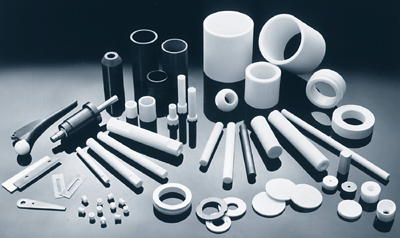
1. Introduction Functional ceramics are a class of inorganic, non-metallic materials designed not only for structural integrity but also for specific physical, chemical, electrical, optical, or thermal functions. Unlike traditional ceramics used mainly for bricks, tiles, or sanitary ware, functional ceramics are engineered at the microstructural level to deliver targeted performance in advanced technologies. They

La ceramica funzionale spiegata: Una panoramica scientifica sui materiali avanzati per l'ingegneria Leggi tutto »

Materiali ceramici avanzati nelle apparecchiature per semiconduttori: Applicazioni e confronto dei materiali

In modern semiconductor manufacturing equipment, advanced ceramics are no longer optional components—they are critical enabling materials that determine precision, stability, and process reliability. From plasma etching chambers to wafer handling systems, different ceramic materials are selected based on thermal, electrical, and mechanical performance requirements. This article introduces the most widely used semiconductor-grade ceramics and provides

Materiali ceramici avanzati nelle apparecchiature per semiconduttori: Applicazioni e confronto dei materiali Leggi tutto »

Gestione termica ad alte prestazioni: Perché i dissipatori di calore in ceramica di allumina stanno sostituendo le soluzioni tradizionali in metallo

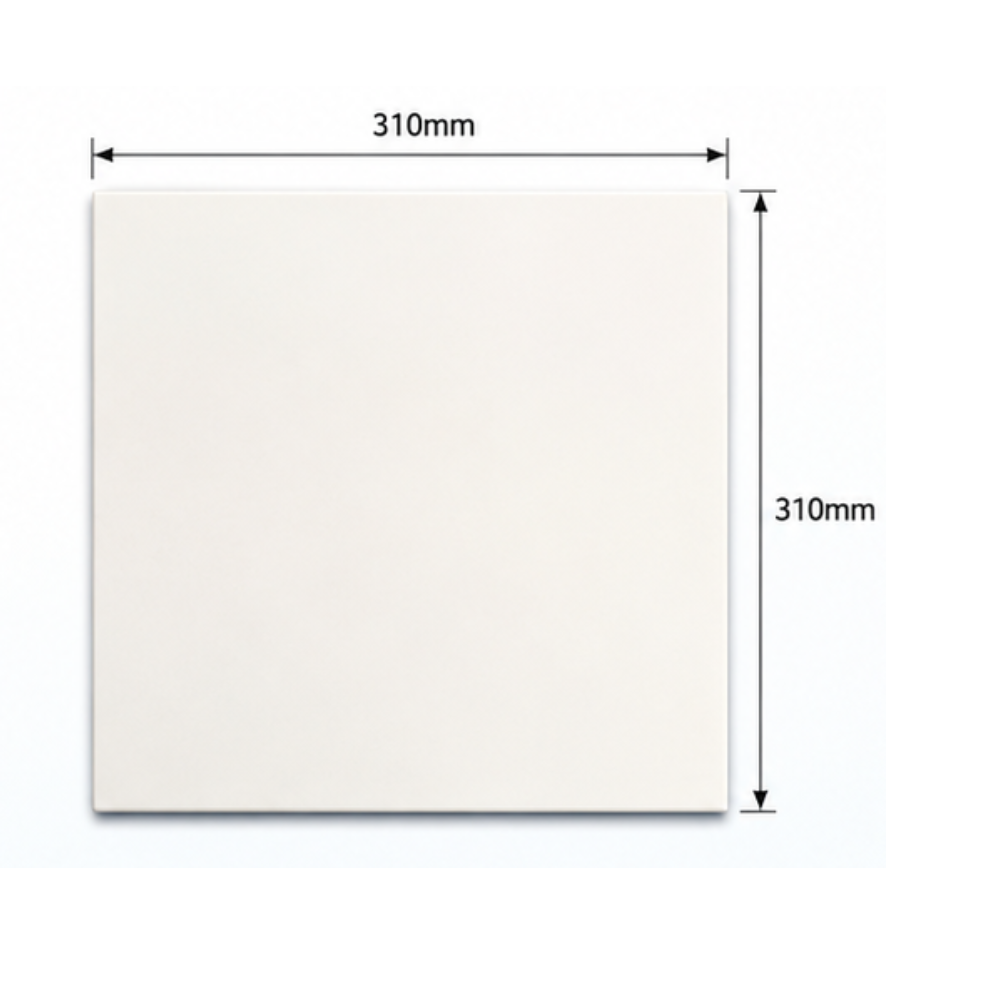
As electronic devices continue to evolve toward higher power density, efficient heat dissipation has become one of the most critical challenges in modern engineering. Traditional metal heat sinks such as aluminum and copper are no longer sufficient in applications requiring both electrical insulation and thermal stability. This is where the alumina ceramic heat sink (Al₂O₃)

Gestione termica ad alte prestazioni: Perché i dissipatori di calore in ceramica di allumina stanno sostituendo le soluzioni tradizionali in metallo Leggi tutto »

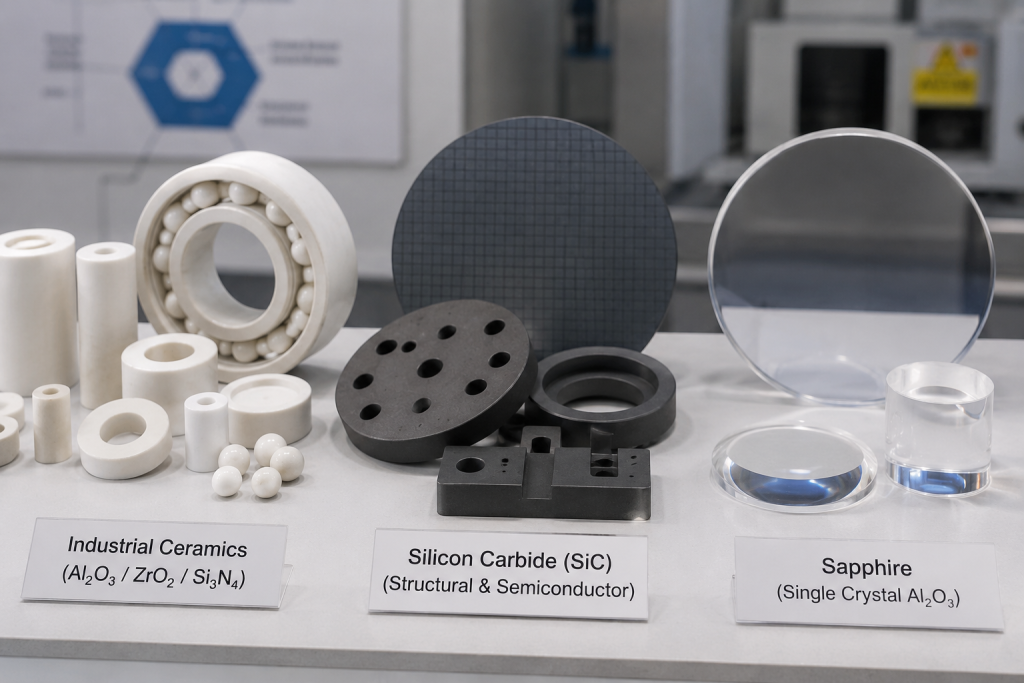
Ceramica industriale vs Carburo di Silicio vs Zaffiro: Una prospettiva sui materiali strutturali e funzionali

In advanced engineering industries such as semiconductors, precision machinery, and optical systems, industrial ceramics, silicon carbide (SiC), and sapphire are often compared as competing materials. However, this comparison is misleading if treated as a simple “which is better” question. A more accurate understanding is: These three materials represent three different material architectures, not just three

Ceramica industriale vs Carburo di Silicio vs Zaffiro: Una prospettiva sui materiali strutturali e funzionali Leggi tutto »

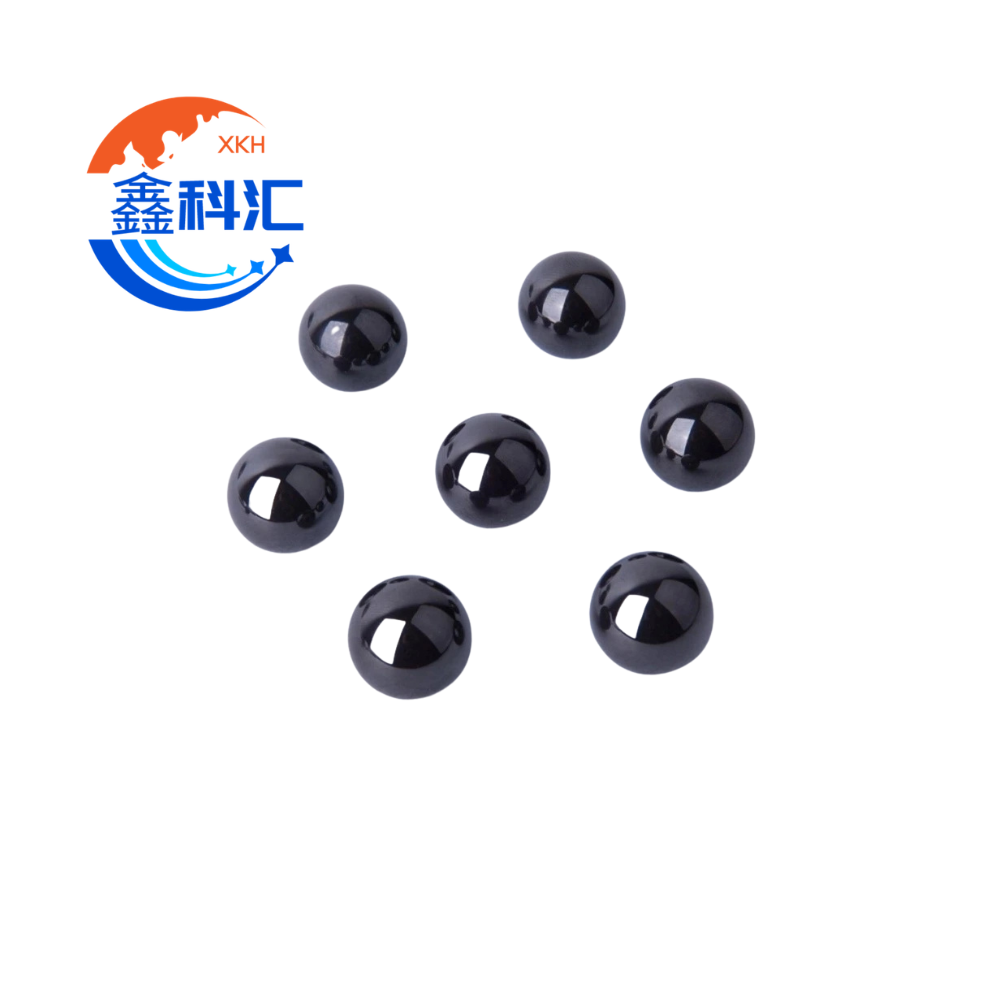
Sfere ceramiche di precisione per cuscinetti: Selezione del materiale e prestazioni

Precision ceramic balls are widely used in modern high-performance bearings where speed, reliability, and service life are critical. Compared with traditional steel balls, ceramic materials offer distinct advantages in friction reduction, wear resistance, and high-speed operation, making them essential components in aerospace, electric vehicles, precision machinery, and advanced manufacturing equipment. This article explains the main

Sfere ceramiche di precisione per cuscinetti: Selezione del materiale e prestazioni Leggi tutto »

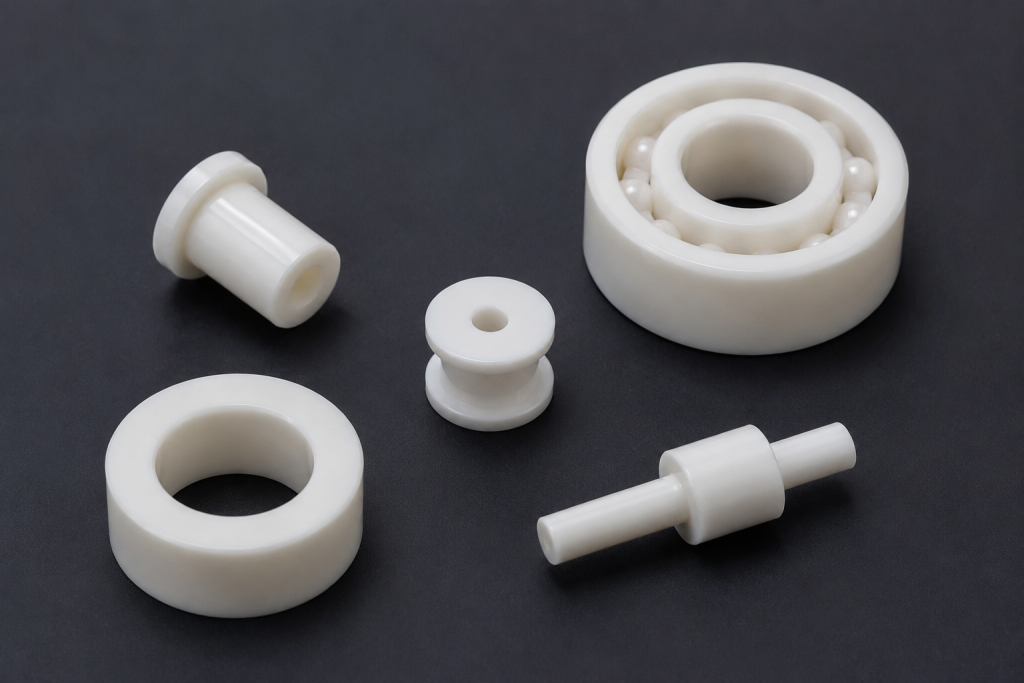
Come le parti in ceramica di zirconio migliorano la durata delle apparecchiature

Modern industrial equipment operates under increasingly demanding conditions. Higher speeds, elevated temperatures, abrasive environments, and continuous operation place tremendous stress on machine components. As industries pursue greater efficiency and lower maintenance costs, material selection has become a critical factor affecting system reliability and service life. Among advanced engineering ceramics, zirconia ceramic (ZrO₂) has gained significant

Come le parti in ceramica di zirconio migliorano la durata delle apparecchiature Leggi tutto »

Zirconia vs. Allumina: quale materiale ceramico ha prestazioni migliori?

Advanced ceramics have become essential materials in industries requiring exceptional wear resistance, high strength, thermal stability, and chemical durability. Among the most widely used engineering ceramics, zirconia (ZrO₂) and alumina (Al₂O₃) stand out due to their broad industrial applications and excellent performance characteristics. However, engineers and purchasing teams often face a key question: Which ceramic

Zirconia vs. Allumina: quale materiale ceramico ha prestazioni migliori? Leggi tutto »

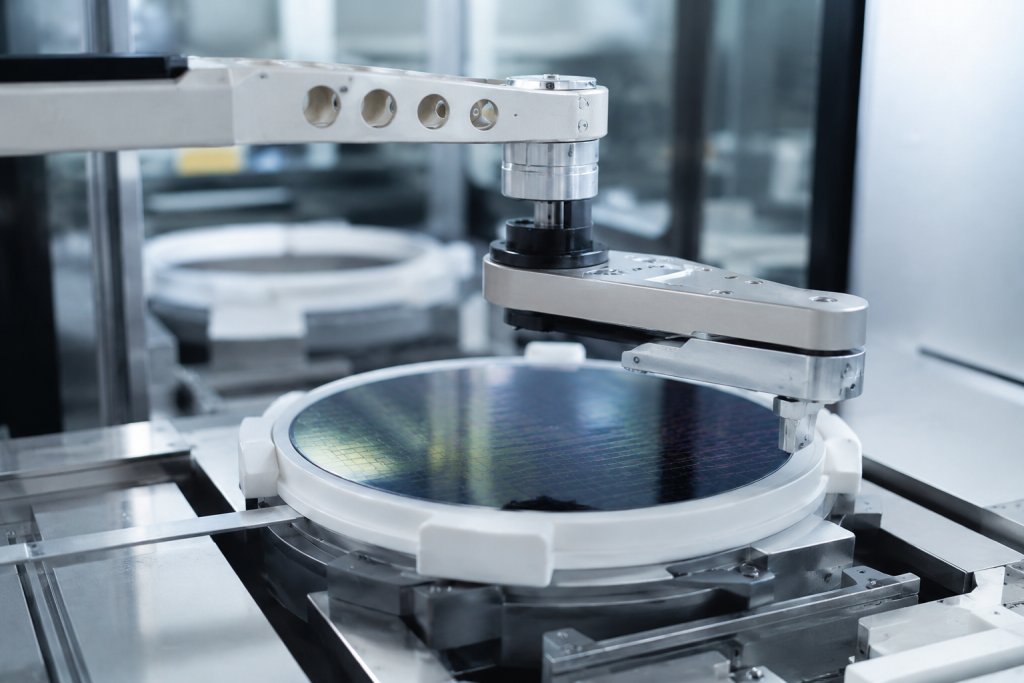
Ceramiche strutturali per la produzione di semiconduttori: Materiali, applicazioni e tendenze future

Modern semiconductor manufacturing requires unprecedented levels of precision, cleanliness, thermal stability, and reliability. As chip architectures continue to evolve toward smaller nodes, higher power density, and advanced packaging technologies, conventional metallic materials increasingly face limitations in process environments involving plasma exposure, ultra-high vacuum, aggressive chemicals, and extreme temperatures. Structural ceramics have therefore become indispensable materials

Ceramiche strutturali per la produzione di semiconduttori: Materiali, applicazioni e tendenze future Leggi tutto »