La moderna produzione di semiconduttori richiede livelli di precisione, pulizia, stabilità termica e affidabilità senza precedenti. Con la continua evoluzione delle architetture dei chip verso nodi più piccoli, densità di potenza più elevate e tecnologie di packaging avanzate, i materiali metallici convenzionali si trovano sempre più spesso ad affrontare limitazioni in ambienti di processo che comportano l'esposizione al plasma, il vuoto spinto, sostanze chimiche aggressive e temperature estreme.
Ceramica strutturale sono quindi diventati materiali indispensabili nelle apparecchiature per semiconduttori. La loro combinazione unica di forza meccanica, resistenza all'usura, stabilità termica, resistenza alla corrosione e proprietà elettriche li rende essenziali per i sistemi di lavorazione, manipolazione, deposizione, incisione e ispezione dei wafer.
Questo articolo fornisce un'analisi approfondita delle ceramiche strutturali utilizzate nella produzione di semiconduttori, compresi i tipi di materiali, le proprietà critiche, le applicazioni delle apparecchiature, i criteri di selezione e le tendenze future del settore.
Cosa sono le ceramiche strutturali?
Le ceramiche strutturali sono materiali ceramici ingegnerizzati progettati principalmente per ottenere prestazioni meccaniche e funzionali in condizioni operative difficili. A differenza delle ceramiche decorative o tradizionali, le ceramiche strutturali avanzate possiedono microstrutture altamente controllate e proprietà materiali eccezionali.
Negli ambienti dei semiconduttori, le ceramiche strutturali dovrebbero fornire:
- Elevata precisione dimensionale
- Eccellente stabilità termica
- Resistenza all'erosione da plasma
- Bassa generazione di particelle
- Inerzia chimica
- Alta purezza
- Isolamento elettrico o conduttività a seconda dell'applicazione
- Affidabilità a lungo termine in condizioni di vuoto
Poiché i processi dei semiconduttori diventano sempre più sensibili alla contaminazione, anche la degradazione microscopica dei materiali può influire sulla resa dei wafer.
Perché la ceramica strutturale è importante nella produzione di semiconduttori
Le apparecchiature per semiconduttori operano in condizioni molto più severe rispetto ai sistemi industriali convenzionali.
Gli ambienti tipici includono:
Cicli di temperatura estremi
- Riscaldamento e raffreddamento rapidi
- Temperature da condizioni criogeniche a oltre 1600°C
- Stress da shock termico
Esposizione aggressiva a sostanze chimiche
- Acidi
- Alcali
- Gas reattivi
- Prodotti chimici per la pulizia
Trattamento al plasma
Le camere di mordenzatura e deposizione utilizzano plasmi energetici in grado di danneggiare i materiali convenzionali.
Ambienti ultra-puliti
Le particelle misurate in nanometri possono avere un impatto significativo sulle prestazioni del dispositivo.
Funzionamento a vuoto
Molti sistemi a semiconduttore operano in:
- Alto vuoto
- Ultra-alto vuoto
- Ambienti ad atmosfera controllata
Le ceramiche strutturali superano i metalli in molte di queste situazioni perché resistono alla corrosione, alla deformazione, all'ossidazione e alla contaminazione.
Principali materiali ceramici strutturali utilizzati nelle apparecchiature per semiconduttori
I diversi materiali ceramici vengono selezionati in base ai requisiti di processo.
Carburo di silicio (SiC)
Il carburo di silicio è una delle più importanti ceramiche strutturali semiconduttrici.
Proprietà chiave:
- Durezza estremamente elevata
- Elevata conducibilità termica
- Eccellente resistenza all'usura
- Resistenza al plasma
- Stabilità alle alte temperature
- Bassa espansione termica
Applicazioni:
- Supporti per wafer
- Mandrini a vuoto
- susceptor
- vassoi di processo
- bracci robotici
- strutture di supporto per wafer
Il SiC legato per reazione e il SiC ricristallizzato sono comunemente utilizzati nei sistemi di trattamento termico.
Vantaggi:
- Eccellente stabilità dimensionale
- Riduzione della contaminazione da particelle
- Lunga durata di vita
Allumina (Al2O3)
L'allumina rimane uno dei materiali ceramici più utilizzati grazie al rapporto costo-prestazioni.
Proprietà tipiche:
- Isolamento elettrico
- Elevata durezza
- Buona resistenza alla corrosione
- Basso costo
- Disponibilità di elevata purezza
Applicazioni:
- Isolatori in ceramica
- ugelli
- componenti della guida
- parti della camera
- componenti di posizionamento
I livelli di purezza spesso superano:
99.5%
I gradi di purezza ultraelevata possono superare:
99.9%
La maggiore purezza riduce il rischio di contaminazione.
Zirconia (ZrO2)
La zirconia offre un'eccezionale tenacità alla frattura.
Caratteristiche:
- Elevata resistenza alla flessione
- Resistenza all'usura
- Bassa conducibilità termica
- Eccellente resistenza alle crepe
Applicazioni:
- componenti di usura di precisione
- cuscinetti
- parti di valvole
- sistemi di posizionamento
I meccanismi di tempra della trasformazione migliorano la resistenza alla rottura meccanica.
Nitruro di alluminio (AlN)
Il nitruro di alluminio è sempre più importante per la sua conducibilità termica.
Proprietà:
- Elevata conducibilità termica
- Isolamento elettrico
- espansione termica vicina al silicio
Applicazioni:
- substrati per mandrini elettrostatici
- componenti di gestione termica
- riscaldatori a semiconduttore
L'AlN combina la capacità di trasferimento del calore con l'isolamento elettrico.
Quarzo e silice fusa
Anche se tecnicamente diversi dalle ceramiche strutturali ingegneristiche, questi materiali rimangono essenziali.
Le applicazioni includono:
- tubi di processo
- barche per wafer
- attrezzature per la diffusione
- componenti ottici
Vantaggi:
- elevata purezza
- bassa espansione termica
- trasparenza
Applicazioni chiave della ceramica strutturale nelle apparecchiature per semiconduttori
Le ceramiche strutturali sono presenti in tutte le linee di produzione dei semiconduttori.
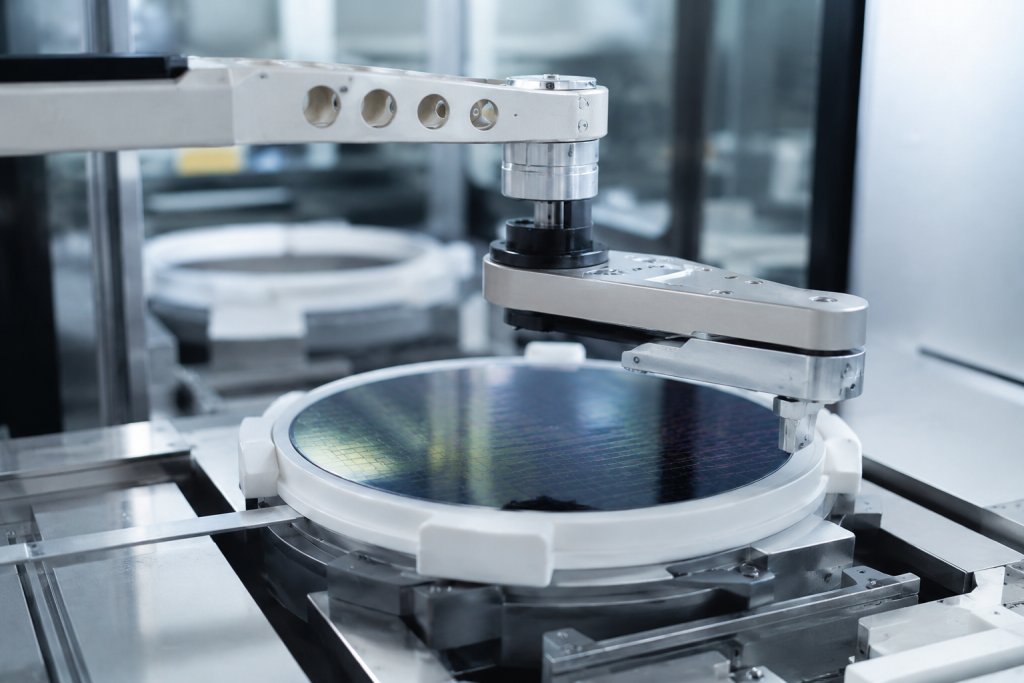
Sistemi di manipolazione dei wafer
I sistemi di trasporto dei wafer richiedono:
- precisione dimensionale
- bassa generazione di particelle
- resistenza all'usura
Componenti:
- robot ad effetto finale
- bracci a vuoto
- binari di guida
- perni di supporto
La ceramica riduce l'abrasione e la contaminazione.
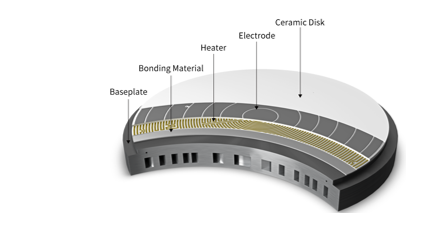
Mandrini elettrostatici
I mandrini elettrostatici proteggono i wafer durante la lavorazione.
Requisiti:
- proprietà elettriche controllate
- uniformità termica
- resistenza al plasma
Materiali comuni:
- AlN
- SiC
- compositi di allumina
Le prestazioni influenzano direttamente l'uniformità del processo.
Componenti delle apparecchiature di incisione
Le camere di incisione al plasma espongono i materiali a ioni energetici e specie reattive.
I componenti in ceramica includono:
- anelli di messa a fuoco
- piastre di distribuzione del gas
- rivestimenti per camere
- anelli di bordo
Il SiC e l'allumina di elevata purezza dominano queste applicazioni.
Sistemi CVD e di epitassia
I processi di deposizione di vapore chimico comportano temperature elevate.
Applicazioni in ceramica:
- susceptor
- vassoi di processo
- porta wafer
- schermi termici
La stabilità termica diventa fondamentale.
Sistemi CMP
La lucidatura chimico-meccanica richiede componenti resistenti sia alla chimica che all'abrasione.
Applicazioni:
- anelli di usura
- cuscinetti di precisione
- parti per la movimentazione dei fluidi
Confronto tra le principali ceramiche strutturali per semiconduttori
| Proprietà | SiC | Allumina | Zirconia | AlN |
|---|---|---|---|---|
| Durezza | Molto alto | Alto | Medio | Medio |
| Conduttività termica | Eccellente | Basso | Basso | Eccellente |
| Isolamento elettrico | Moderato | Eccellente | Eccellente | Eccellente |
| Resistenza al plasma | Eccellente | Buono | Moderato | Buono |
| Durezza alla frattura | Moderato | Moderato | Eccellente | Moderato |
| Resistenza all'usura | Eccellente | Buono | Eccellente | Moderato |
| Resistenza agli shock termici | Eccellente | Moderato | Buono | Buono |
Nessun materiale ceramico risolve tutte le sfide ingegneristiche.
La selezione dipende da:
- ambiente di processo
- temperatura
- intensità del plasma
- carico meccanico
- requisiti di contaminazione
- architettura delle apparecchiature
Sfide di produzione per le ceramiche strutturali per semiconduttori
La produzione di ceramiche per semiconduttori è molto più complessa rispetto alle ceramiche industriali convenzionali.
Le sfide includono:
Requisiti di purezza elevatissimi
Le tracce di contaminazione possono influire sulla resa dei chip.
Spesso le impurità devono rimanere al di sotto dei livelli ppm.
Lavorazione di precisione
Le tolleranze raggiungono spesso:
±0,005 mm
o più stretto.
I processi includono:
- Lavorazione CNC
- rettifica di precisione
- lappatura
- lucidatura
Controllo della qualità della superficie
I difetti superficiali generano particelle.
I parametri critici includono:
- rugosità della superficie
- planarità
- qualità dei bordi
Alcune applicazioni richiedono una planarità inferiore al micron.
Geometrie complesse
Le moderne apparecchiature per semiconduttori utilizzano sempre più spesso componenti personalizzati:
- canali a vuoto
- microstrutture
- assemblaggi multifunzionali
Le tecnologie avanzate di lavorazione della ceramica sono essenziali.
Tendenze emergenti nella ceramica strutturale dei semiconduttori
Il settore continua a evolversi rapidamente.
Diverse tendenze stanno ridisegnando lo sviluppo della ceramica:
Formati di wafer più grandi
Con la transizione verso wafer più grandi e imballaggi avanzati, si rendono necessarie strutture ceramiche più grandi.
Maggiore densità del plasma
Le future tecnologie di incisione richiedono materiali con una migliore durata del plasma.
Materiali ceramici ibridi
Sistemi compositi che combinano:
- SiC
- AlN
- rivestimenti ceramici
sono sempre più utilizzati.
Produzione additiva
La ceramica stampata in 3D può consentire:
- strutture leggere
- canali complessi
- requisiti di assemblaggio ridotti
Ingegneria di superficie avanzata
I trattamenti superficiali possono migliorare:
- resistenza alla contaminazione
- comportamento all'usura
- vita del processo
Conclusione
Le ceramiche strutturali sono diventate materiali abilitanti fondamentali nelle apparecchiature per la produzione di semiconduttori. La loro eccezionale combinazione di stabilità termica, resistenza all'usura, resistenza alla corrosione, purezza e prestazioni meccaniche consente loro di operare in ambienti che vanno oltre le capacità dei materiali convenzionali.
Con l'avanzare delle tecnologie dei semiconduttori verso nodi di processo più piccoli e condizioni di produzione sempre più impegnative, le ceramiche strutturali svolgeranno un ruolo ancora più importante nel migliorare la stabilità del processo, la resa e l'affidabilità delle apparecchiature.
I futuri sviluppi nei materiali ceramici, nella precisione della produzione e nell'integrazione funzionale determineranno probabilmente la prossima generazione di apparecchiature per semiconduttori.