Industrie Nieuws

Keramische koelplaat vs. keramische warmtespreider: Belangrijkste verschillen en technische rollen

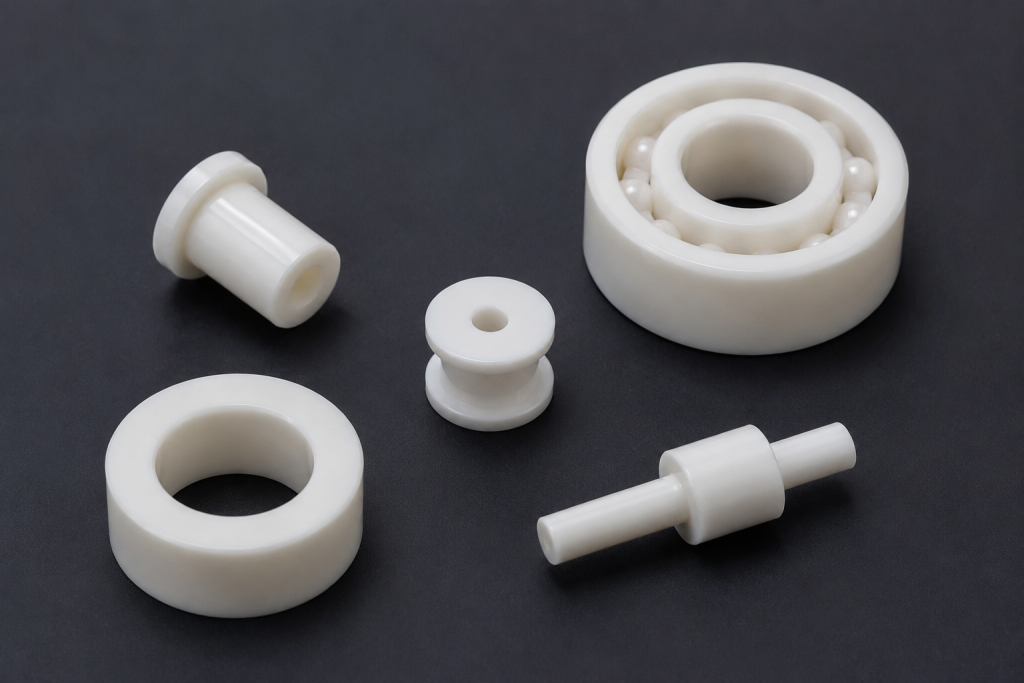
In high-power electronics, semiconductor packaging, LED systems, and RF devices, thermal management is one of the most critical factors affecting performance and reliability. As power density continues to increase, two terms are frequently used: Ceramic Heatsink and Ceramic Heat Spreader. Although they sound similar, they serve very different roles in a thermal system. In simple […]
Keramische koelplaat vs. keramische warmtespreider: Belangrijkste verschillen en technische rollen Meer lezen »

Van lithografie tot waferproductie: Hoe siliciumcarbidekeramiek een miljardenmarkt voor halfgeleiders aandrijft

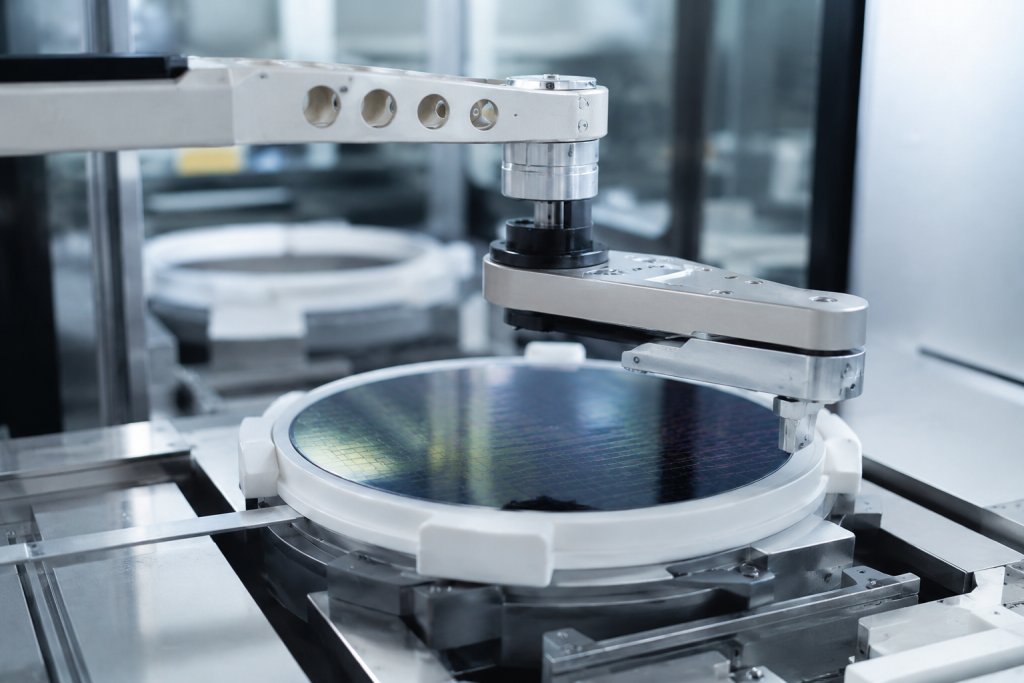
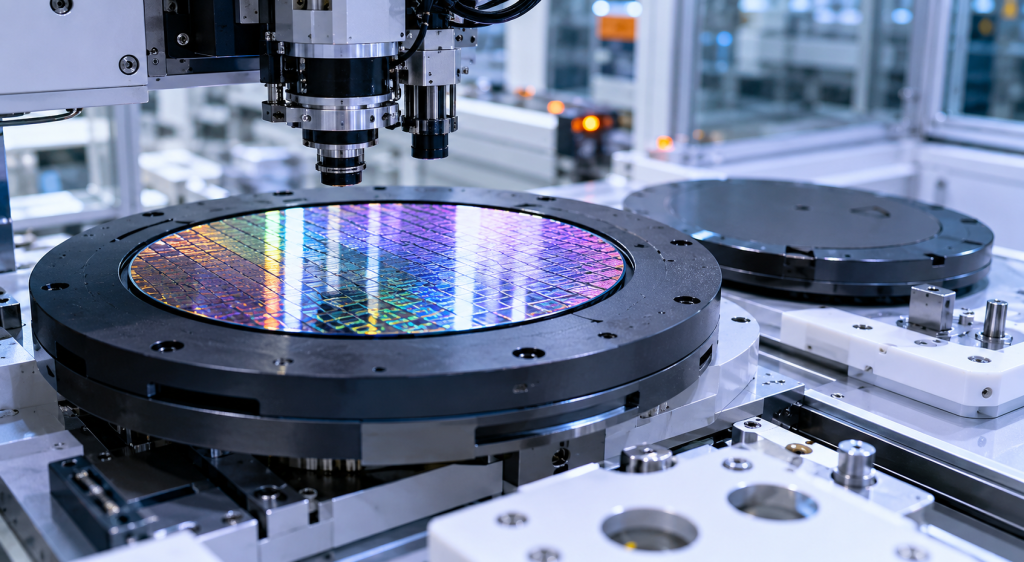
When people think about the semiconductor industry, they usually focus on chips, wafers, or advanced process nodes. However, behind every semiconductor breakthrough lies a less visible but equally critical foundation: advanced materials. As semiconductor manufacturing continues to pursue higher precision, smaller geometries, and faster production speeds, equipment performance requirements are becoming increasingly demanding. This shift

Van lithografie tot waferproductie: Hoe siliciumcarbidekeramiek een miljardenmarkt voor halfgeleiders aandrijft Meer lezen »

Siliciumcarbide waferboot vs kwarts waferboot: Wat is beter?

In semiconductor manufacturing, wafer handling components directly affect process stability, yield, and long-term operating cost. Among them, wafer boats play a critical role in transporting and supporting wafers during high-temperature diffusion, oxidation, epitaxy, and coating processes. Two of the most commonly used materials are Silicon Carbide (SiC) wafer boats and Quartz wafer boats. While both

Siliciumcarbide waferboot vs kwarts waferboot: Wat is beter? Meer lezen »

Productie-uitdagingen van complex-gestructureerde keramische onderdelen voor halfgeleiderapparatuur

In de geavanceerde halfgeleiderproductie werken belangrijke procesmodules zoals plasma-etsen, chemische dampdepositie (CVD) en ionenimplantatie onder extreme omstandigheden met plasma met hoge energie, corrosieve gassen, hoogspanningsbias en snelle thermische cycli. Deze omstandigheden stellen strenge eisen aan constructiematerialen op het gebied van diëlektrische stabiliteit, corrosiebestendigheid, thermische compatibiliteit en dimensionale betrouwbaarheid op lange termijn.

Productie-uitdagingen van complex-gestructureerde keramische onderdelen voor halfgeleiderapparatuur Meer lezen »

Functionele keramiek uitgelegd: Een wetenschappelijk overzicht van geavanceerde technische materialen

1. Introduction Functional ceramics are a class of inorganic, non-metallic materials designed not only for structural integrity but also for specific physical, chemical, electrical, optical, or thermal functions. Unlike traditional ceramics used mainly for bricks, tiles, or sanitary ware, functional ceramics are engineered at the microstructural level to deliver targeted performance in advanced technologies. They

Functionele keramiek uitgelegd: Een wetenschappelijk overzicht van geavanceerde technische materialen Meer lezen »

Geavanceerde Ceramische Materialen in Halfgeleidermateriaal: Toepassingen & Materiaalvergelijking

In modern semiconductor manufacturing equipment, advanced ceramics are no longer optional components—they are critical enabling materials that determine precision, stability, and process reliability. From plasma etching chambers to wafer handling systems, different ceramic materials are selected based on thermal, electrical, and mechanical performance requirements. This article introduces the most widely used semiconductor-grade ceramics and provides

Geavanceerde Ceramische Materialen in Halfgeleidermateriaal: Toepassingen & Materiaalvergelijking Meer lezen »

Hoogwaardig warmtebeheer: Waarom keramische aluminium koellichamen de traditionele metalen oplossingen vervangen

As electronic devices continue to evolve toward higher power density, efficient heat dissipation has become one of the most critical challenges in modern engineering. Traditional metal heat sinks such as aluminum and copper are no longer sufficient in applications requiring both electrical insulation and thermal stability. This is where the alumina ceramic heat sink (Al₂O₃)

Hoogwaardig warmtebeheer: Waarom keramische aluminium koellichamen de traditionele metalen oplossingen vervangen Meer lezen »

Industriële keramiek vs siliciumcarbide vs saffier: Een structureel en functioneel materiaalperspectief

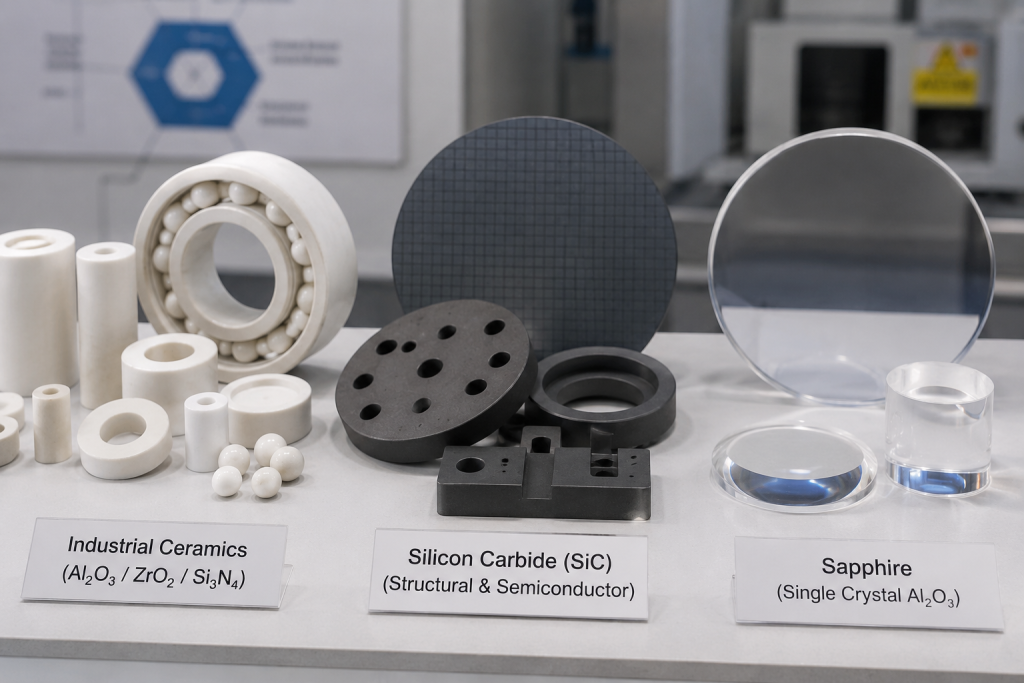
In advanced engineering industries such as semiconductors, precision machinery, and optical systems, industrial ceramics, silicon carbide (SiC), and sapphire are often compared as competing materials. However, this comparison is misleading if treated as a simple “which is better” question. A more accurate understanding is: These three materials represent three different material architectures, not just three

Industriële keramiek vs siliciumcarbide vs saffier: Een structureel en functioneel materiaalperspectief Meer lezen »

Keramische precisiekogels voor lagers: Materiaalselectie en prestaties

Precision ceramic balls are widely used in modern high-performance bearings where speed, reliability, and service life are critical. Compared with traditional steel balls, ceramic materials offer distinct advantages in friction reduction, wear resistance, and high-speed operation, making them essential components in aerospace, electric vehicles, precision machinery, and advanced manufacturing equipment. This article explains the main

Keramische precisiekogels voor lagers: Materiaalselectie en prestaties Meer lezen »

Hoe Zirconia keramische onderdelen de levensduur van apparatuur verbeteren

Modern industrial equipment operates under increasingly demanding conditions. Higher speeds, elevated temperatures, abrasive environments, and continuous operation place tremendous stress on machine components. As industries pursue greater efficiency and lower maintenance costs, material selection has become a critical factor affecting system reliability and service life. Among advanced engineering ceramics, zirconia ceramic (ZrO₂) has gained significant

Hoe Zirconia keramische onderdelen de levensduur van apparatuur verbeteren Meer lezen »

Zirconia vs Alumina: welk keramisch materiaal presteert beter?

Advanced ceramics have become essential materials in industries requiring exceptional wear resistance, high strength, thermal stability, and chemical durability. Among the most widely used engineering ceramics, zirconia (ZrO₂) and alumina (Al₂O₃) stand out due to their broad industrial applications and excellent performance characteristics. However, engineers and purchasing teams often face a key question: Which ceramic

Zirconia vs Alumina: welk keramisch materiaal presteert beter? Meer lezen »

Structurele keramiek voor de productie van halfgeleiders: Materialen, toepassingen en toekomstige trends

Modern semiconductor manufacturing requires unprecedented levels of precision, cleanliness, thermal stability, and reliability. As chip architectures continue to evolve toward smaller nodes, higher power density, and advanced packaging technologies, conventional metallic materials increasingly face limitations in process environments involving plasma exposure, ultra-high vacuum, aggressive chemicals, and extreme temperatures. Structural ceramics have therefore become indispensable materials

Structurele keramiek voor de productie van halfgeleiders: Materialen, toepassingen en toekomstige trends Meer lezen »