Ipari hírek

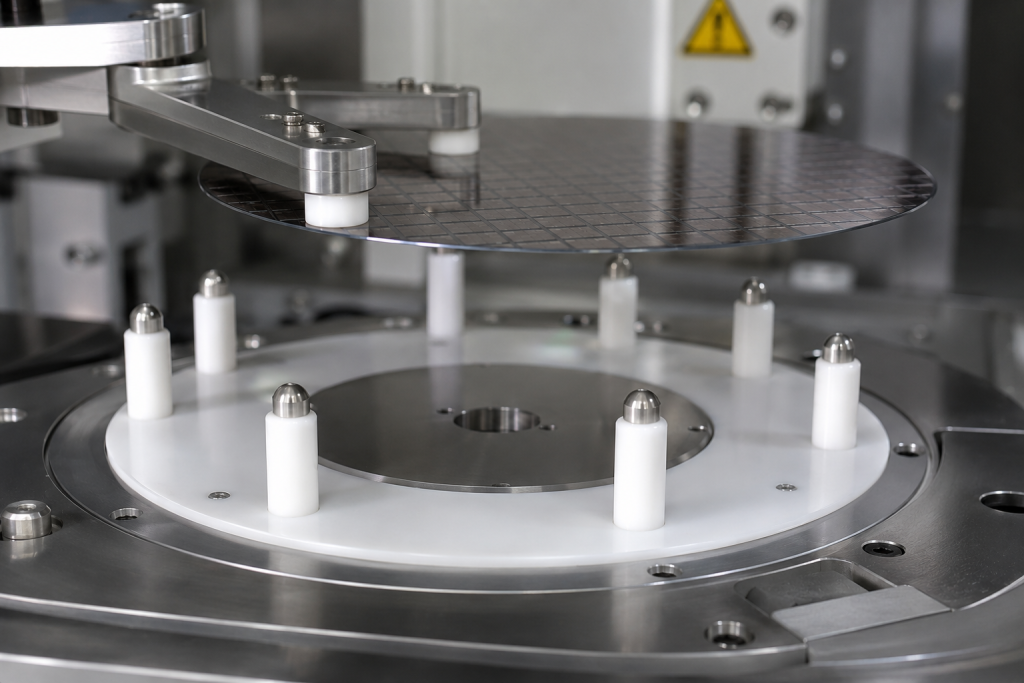
Ceramic Wafer Support Pins: Material Selection, Flatness and Particle Control

Ceramic wafer support pins are small but critical components in semiconductor processing equipment. They support, lift, position or temporarily separate wafers during transfer between a robot arm, process chamber, electrostatic chuck, vacuum chuck or wafer stage. Although their geometry is relatively simple, wafer support pins directly contact or approach sensitive wafer surfaces. Variations in pin […]

Ceramic Wafer Support Pins: Material Selection, Flatness and Particle Control Read More »
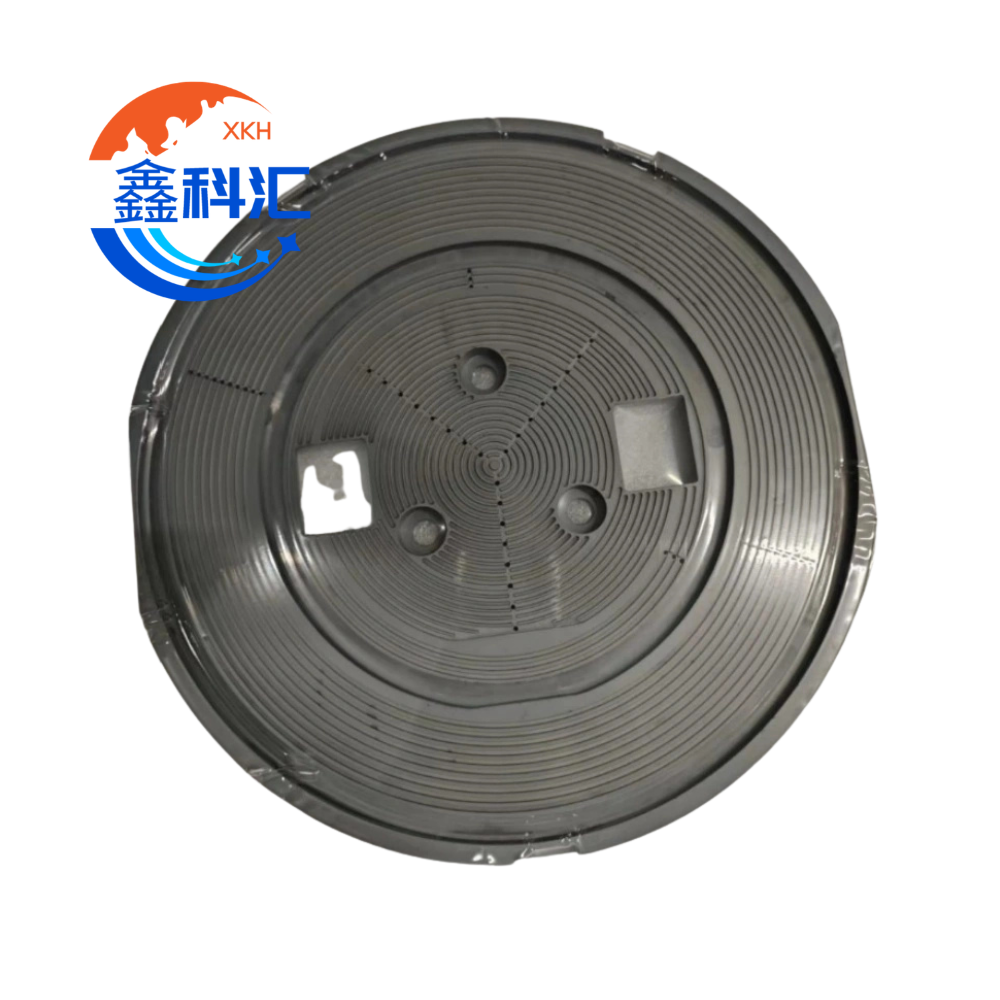
Ceramic Vacuum Chuck Design: Porosity, Flatness and Wafer Holding Performance

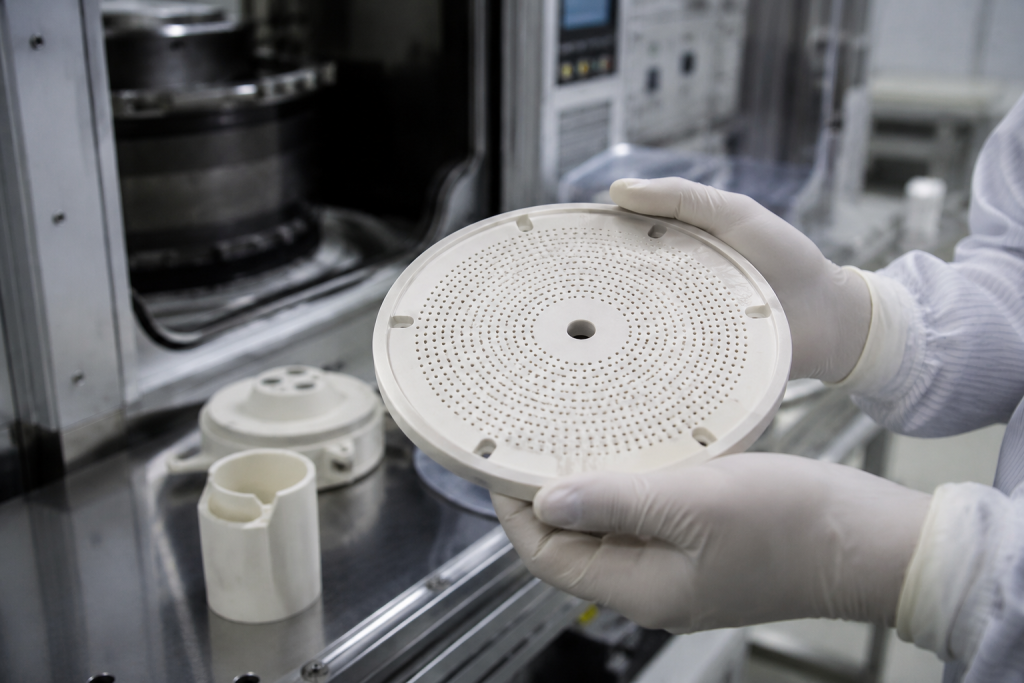
Vacuum chucks are essential components in modern semiconductor manufacturing. They securely hold silicon, silicon carbide (SiC), sapphire, glass, and compound semiconductor wafers during lithography, inspection, grinding, polishing, laser processing, metrology, and wafer bonding. Among various chuck technologies, porous ceramic vacuum chuck have become the preferred solution because they provide uniform vacuum distribution, excellent dimensional stability,

Ceramic Vacuum Chuck Design: Porosity, Flatness and Wafer Holding Performance Read More »

Ceramic Substrates: The Thermal Management Backbone of Advanced Electronic Devices

As emerging technologies such as electric vehicles (EVs), 5G communications, renewable energy systems, artificial intelligence (AI), aerospace electronics, and power semiconductors continue to evolve, electronic devices are becoming increasingly powerful, compact, and highly integrated. While these advancements improve performance, they also generate significantly higher heat densities, creating critical challenges for thermal management and device reliability.

Ceramic Substrates: The Thermal Management Backbone of Advanced Electronic Devices Read More »

6 főbb kerámia hordozóanyag bemutatása: Átfogó útmutató

With the rapid development of electric vehicles, power electronics, aerospace systems, satellite communications, and high-frequency semiconductor devices, electronic components are increasingly required to operate under high power, high temperature, and high frequency conditions. In such demanding environments, traditional organic or metal-based substrates often fail to provide sufficient thermal and electrical stability. As a result, advanced

6 főbb kerámia hordozóanyag bemutatása: Átfogó útmutató Read More »

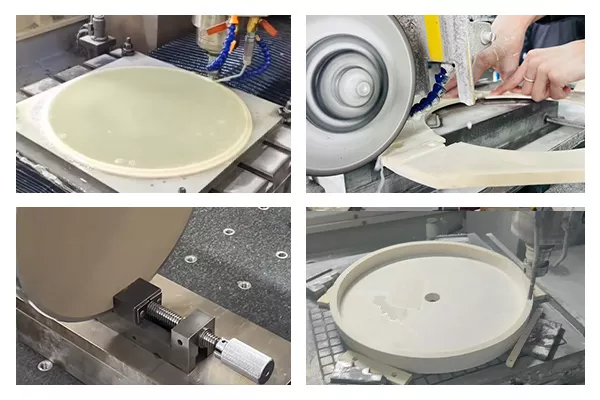
Félvezető kerámia alkatrészek gyártási folyamata: A nyers porról a precíziós alkatrészekig

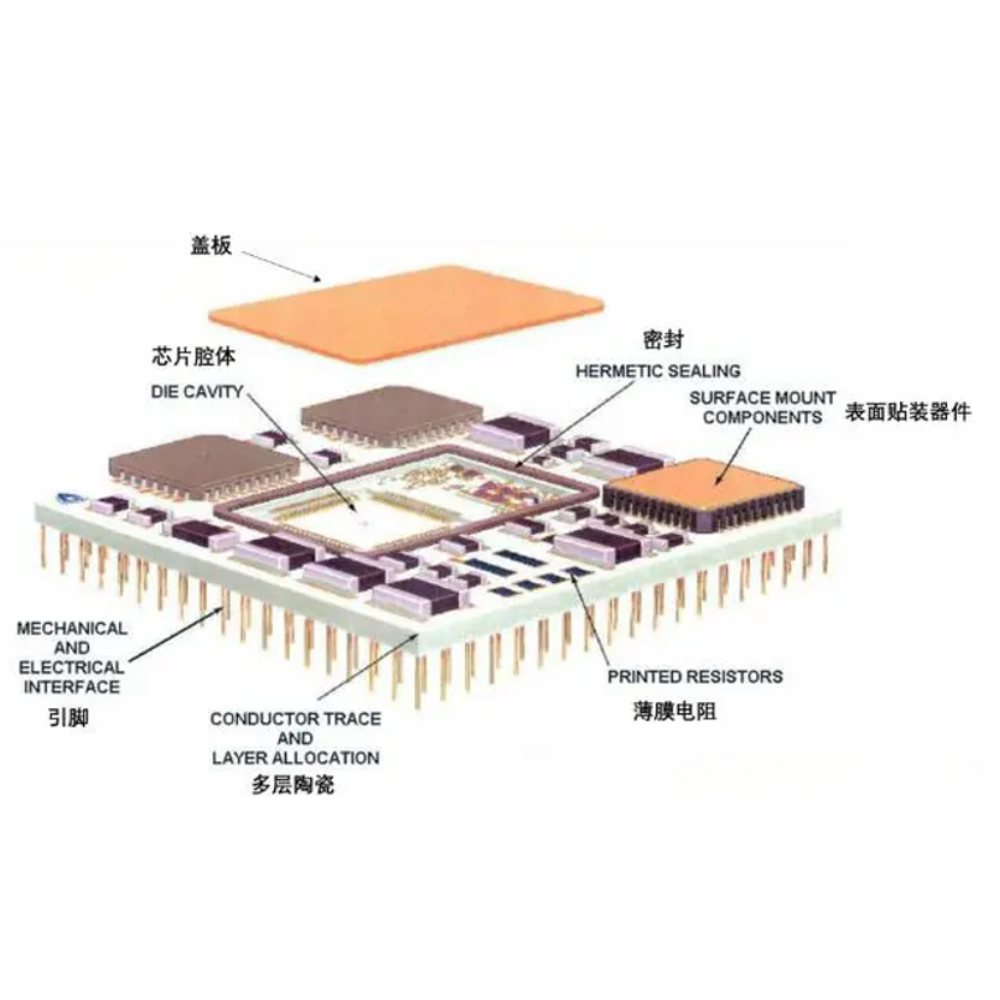
Modern semiconductor manufacturing relies heavily on advanced equipment such as etching systems, lithography machines, ion implantation tools, and deposition equipment. Inside these systems, numerous ceramic components play critical roles in ensuring process stability, precision, and reliability. Thanks to their exceptional high-temperature resistance, corrosion resistance, mechanical strength, dimensional stability, and electrical properties, advanced ceramic components are

Félvezető kerámia alkatrészek gyártási folyamata: A nyers porról a precíziós alkatrészekig Read More »

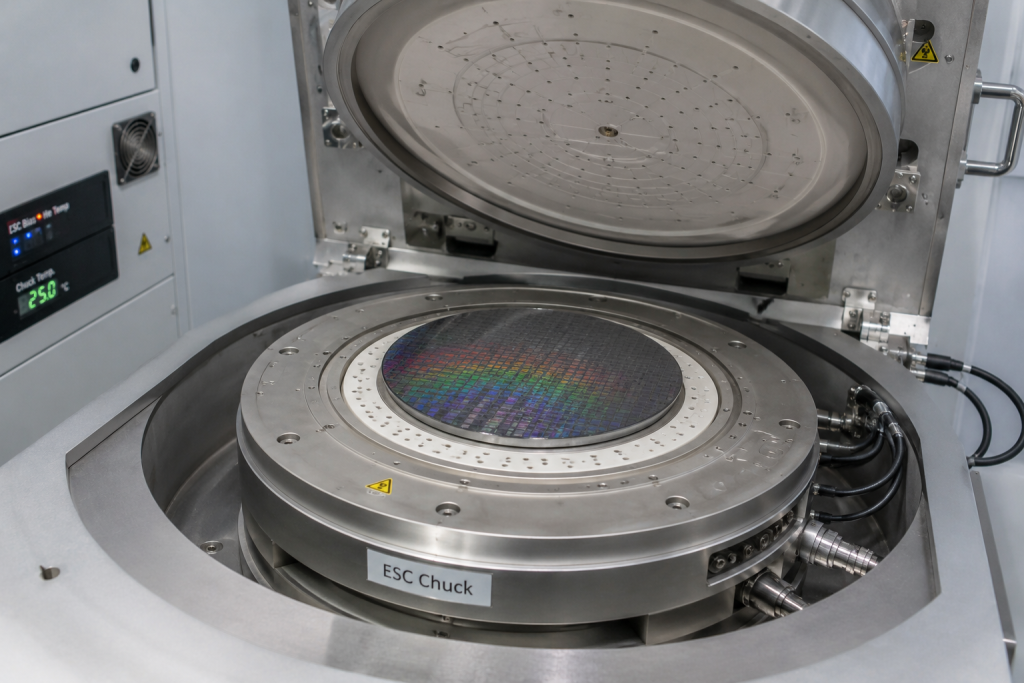
Elektrosztatikus tokmány vs. vákuum tokmány: Melyik Wafer Holding technológia a jobb a félvezetőgyártásban?

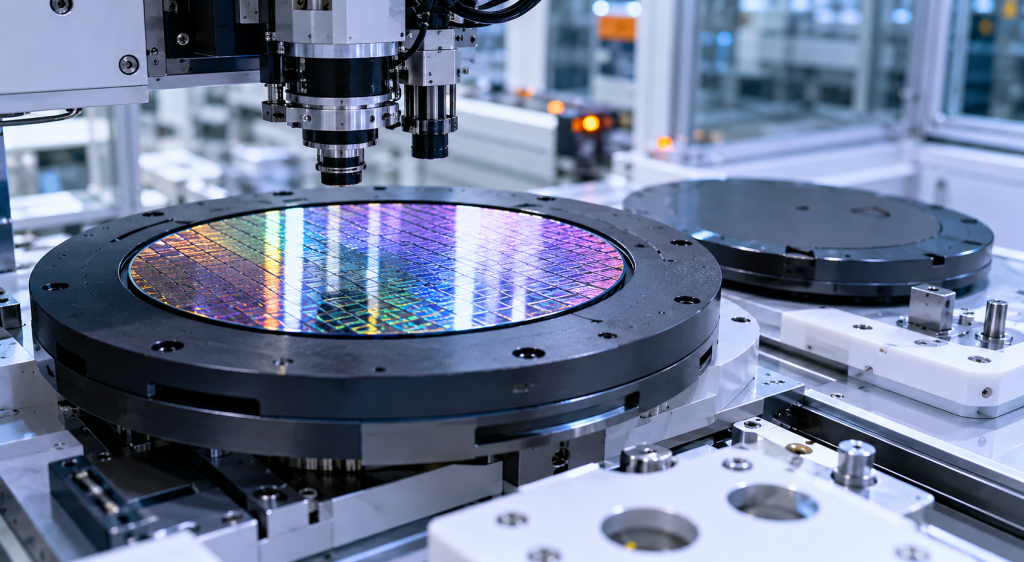
In semiconductor manufacturing, wafer positioning and fixation are fundamental requirements for achieving process precision and yield stability. During etching, deposition, lithography, inspection, and plasma processing, silicon wafers must remain securely held while maintaining minimal contamination and excellent thermal uniformity. As device structures continue shrinking and wafer sizes continue increasing, traditional holding methods face growing challenges.

Elektrosztatikus tokmány vs. vákuum tokmány: Melyik Wafer Holding technológia a jobb a félvezetőgyártásban? Read More »

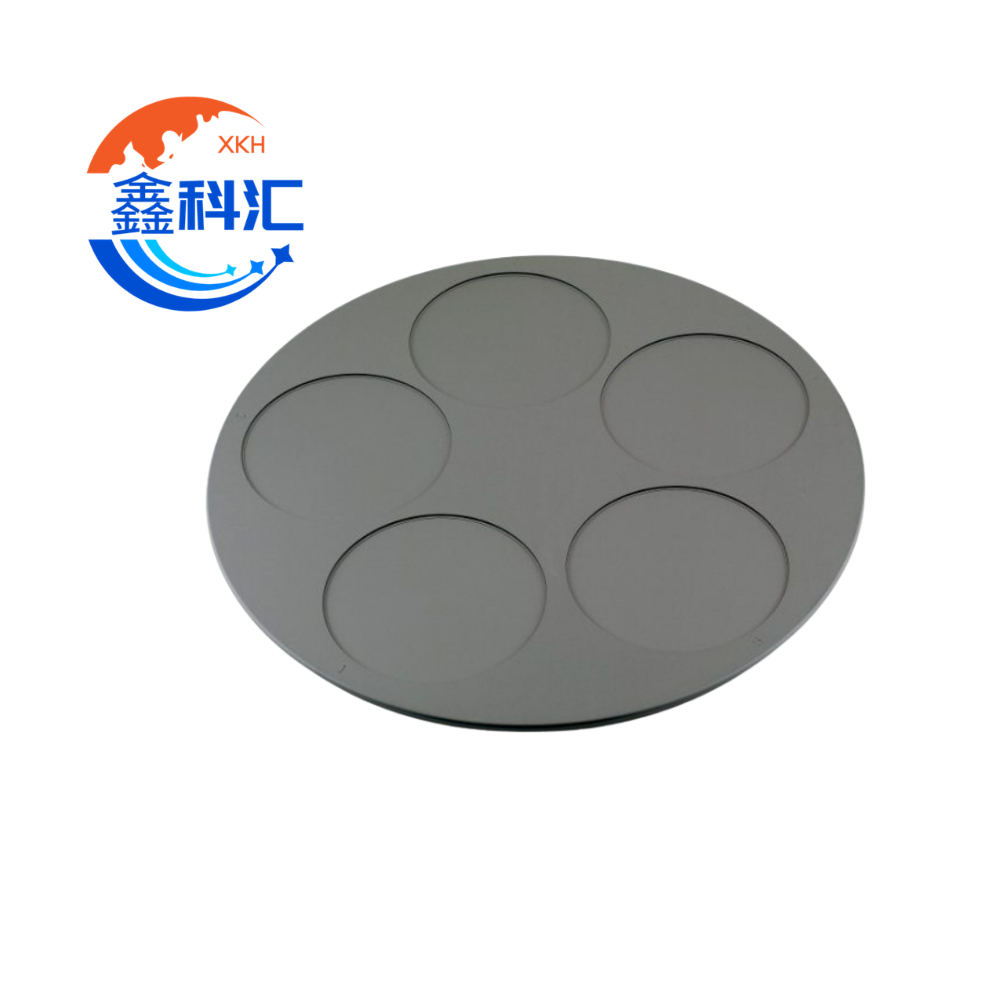
Miért váltják fel a szilícium-karbid tálcák a hagyományos ostyahordozókat?

As semiconductor manufacturing continues moving toward larger wafer sizes, higher process temperatures, and stricter contamination standards, conventional wafer carrier materials are increasingly reaching their performance limits. Components that once met process requirements are now facing challenges involving thermal deformation, particle generation, and shorter service life. Among advanced ceramic materials, silicon carbide (SiC) trays have emerged

Miért váltják fel a szilícium-karbid tálcák a hagyományos ostyahordozókat? Read More »

Kerámia hűtőborda vs. kerámia hőelosztó: Fő különbségek és mérnöki szerepek

In high-power electronics, semiconductor packaging, LED systems, and RF devices, thermal management is one of the most critical factors affecting performance and reliability. As power density continues to increase, two terms are frequently used: Ceramic Heatsink and Ceramic Heat Spreader. Although they sound similar, they serve very different roles in a thermal system. In simple

Kerámia hűtőborda vs. kerámia hőelosztó: Fő különbségek és mérnöki szerepek Read More »

A litográfiától a szeletgyártásig: dolláros félvezetőpiacot működtető szilícium-karbid kerámiák

When people think about the semiconductor industry, they usually focus on chips, wafers, or advanced process nodes. However, behind every semiconductor breakthrough lies a less visible but equally critical foundation: advanced materials. As semiconductor manufacturing continues to pursue higher precision, smaller geometries, and faster production speeds, equipment performance requirements are becoming increasingly demanding. This shift

A litográfiától a szeletgyártásig: dolláros félvezetőpiacot működtető szilícium-karbid kerámiák Read More »

Szilícium-karbid ostya hajó vs kvarc ostya hajó: Melyik a jobb?

In semiconductor manufacturing, wafer handling components directly affect process stability, yield, and long-term operating cost. Among them, wafer boats play a critical role in transporting and supporting wafers during high-temperature diffusion, oxidation, epitaxy, and coating processes. Two of the most commonly used materials are Silicon Carbide (SiC) wafer boats and Quartz wafer boats. While both

Szilícium-karbid ostya hajó vs kvarc ostya hajó: Melyik a jobb? Read More »

Összetett szerkezetű kerámia alkatrészek gyártási kihívásai a félvezető berendezésekhez

A fejlett félvezetőgyártásban a kulcsfontosságú folyamatmodulok, mint például a plazmavésés, a kémiai gőzfázisú leválasztás (CVD) és az ionimplantáció, szélsőséges környezetben működnek, nagy energiájú plazmával, korrozív gázokkal, nagyfeszültségű előfeszítéssel és gyors hőciklusokkal. Ezek a körülmények szigorú követelményeket támasztanak a szerkezeti anyagokkal szemben a dielektromos stabilitás, a korrózióállóság, a termikus kompatibilitás és a hosszú távú méretmegbízhatóság tekintetében.

Összetett szerkezetű kerámia alkatrészek gyártási kihívásai a félvezető berendezésekhez Read More »

A funkcionális kerámia magyarázata: A fejlett műszaki anyagok tudományos áttekintése

1. Introduction Functional ceramics are a class of inorganic, non-metallic materials designed not only for structural integrity but also for specific physical, chemical, electrical, optical, or thermal functions. Unlike traditional ceramics used mainly for bricks, tiles, or sanitary ware, functional ceramics are engineered at the microstructural level to deliver targeted performance in advanced technologies. They

A funkcionális kerámia magyarázata: A fejlett műszaki anyagok tudományos áttekintése Read More »