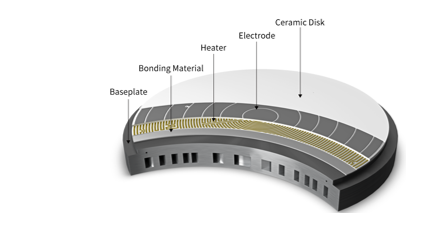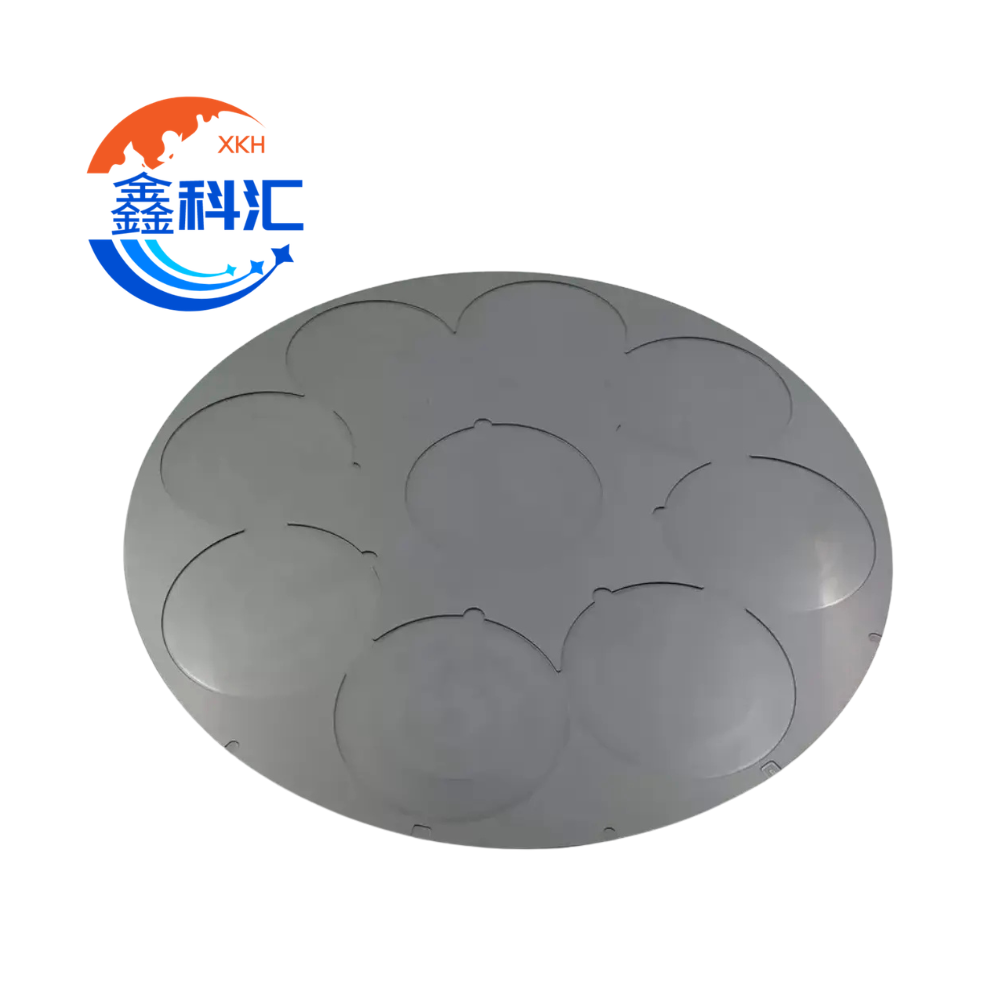
In high-power electronics, semiconductor packaging, LED systems, and RF devices, thermal management is one of the most critical factors affecting performance and reliability. As power density continues to increase, two terms are frequently used: Ceramic Heatsink and Ceramic Heat Spreader. Although they sound similar, they serve very different roles in a thermal system.
In simple terms, one is designed to spread heat, while the other is designed to remove heat from the system.
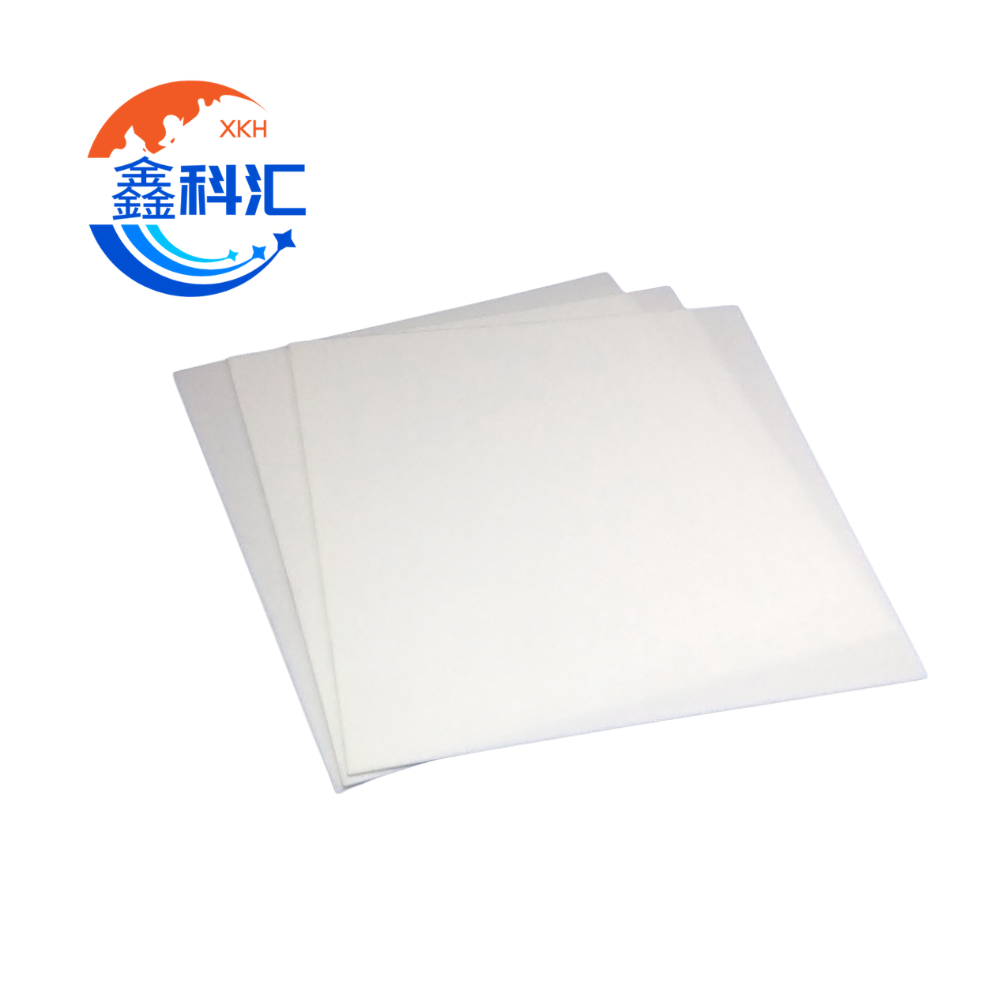
1. What is a Ceramic Heat Spreader?
A ceramic heat spreader is not a final cooling device. Instead, it is an internal thermal management layer designed to redistribute concentrated heat.
In electronic devices, heat is typically generated in a very small active region (hot spot). Without proper spreading, this leads to:
- Localized overheating
- Thermal stress concentration
- Reduced device reliability
- Early failure of solder joints or interfaces
🔹 Main Function
👉 Convert “point heat” into “uniform surface heat”
🔹 Common Materials
- Aluminum Nitride (AlN)
- Silicon Nitride (Si₃N₄)
- Direct Bonded Copper (DBC) substrates
- Active Metal Brazed (AMB) ceramic structures
🔹 System Position
A heat spreader is typically located inside the packaging stack:
Chip → Ceramic Heat Spreader → TIM → Heat Sink
It is part of the internal thermal path, not the final cooling stage.
2. What is a Ceramic Heatsink?
A ceramic heatsink is a complete thermal dissipation component designed to transfer heat into the surrounding environment.
Unlike a heat spreader, it actively participates in final heat rejection.
🔹 Main Function
👉 Remove heat from the device and release it into air or liquid cooling systems
🔹 Structural Features
- Fin structures or block designs
- High thermal conductivity ceramics (AlN, Al₂O₃, etc.)
- Sometimes hybrid ceramic–metal structures
- Designed for convection or forced airflow environments
🔹 System Position
A ceramic heatsink is the final stage of heat dissipation:
Chip → Heat Spreader → TIM → Ceramic Heatsink → Air / Cooling medium
3. Key Differences Between Ceramic Heatsink and Heat Spreader
| Aspect | Ceramic Heat Spreader | Ceramic Heatsink |
|---|---|---|
| Primary Function | Heat redistribution | Heat removal |
| Thermal Role | Internal thermal layer | Final cooling component |
| Heat Target | Hot spots on chip | Total system heat |
| Standalone Use | No | Yes |
| Structure | Flat substrate / plate | Fin or block structure |
| System Level | Packaging level | System level |
4. Simple Engineering Interpretation
A practical way to understand the difference:
- Heat Spreader = “heat distributor”
- Heatsink = “heat remover”
Or more intuitively:
- Heat Spreader smooths temperature peaks
- Heatsink lowers overall temperature
5. How They Work Together in a Thermal System
In high-performance electronic systems, these two components are often used together rather than separately:
Chip
 ↓
Ceramic Heat Spreader (temperature equalization)
 ↓
Thermal Interface Material (TIM)
 ↓
Ceramic Heatsink (heat dissipation)
 ↓
Air / Liquid Cooling
Why both are needed:
- The heat spreader reduces thermal hotspots
- The heatsink removes accumulated heat
- Together they improve system reliability and lifespan
6. Typical Application Areas
🔹 Ceramic Heat Spreader Applications:
- CPU / GPU packaging
- Power semiconductor modules (IGBT, SiC devices)
- High-power LED chips
- RF and microwave devices
🔹 Ceramic Heatsink Applications:
- Industrial power supplies
- High-power LED lighting systems
- Laser systems
- Aerospace and defense electronics
7. Conclusion
The fundamental difference can be summarized as:
A ceramic heat spreader manages how heat is distributed, while a ceramic heatsink manages how heat is removed from the system.
In modern high-power electronics, reliable thermal design is rarely achieved with a single component. Instead, it relies on a complete thermal chain combining spreading, conduction, and dissipation.