

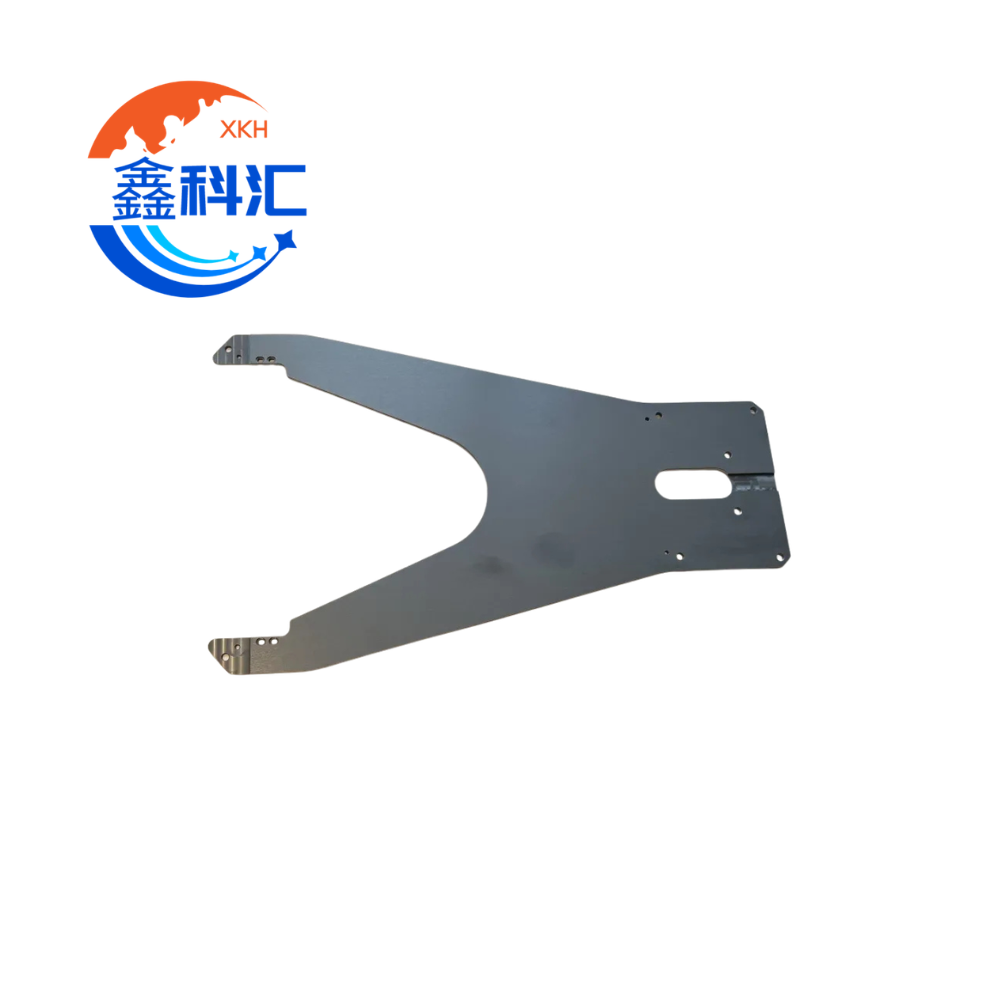
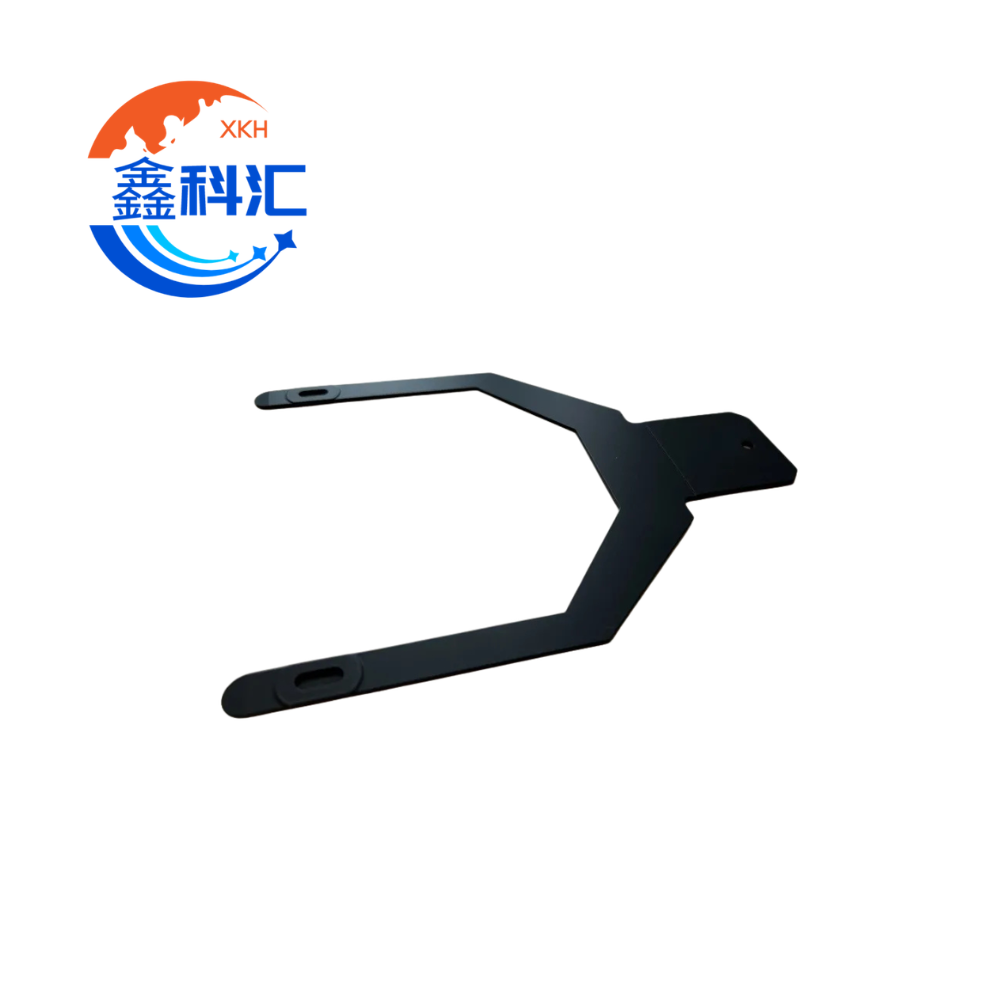
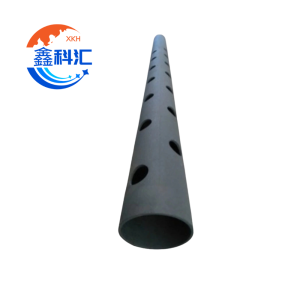
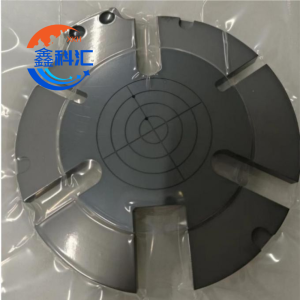
 The Ceramic End Effector is a high-precision robotic handling component designed for semiconductor wafer transfer, industrial automation systems, and high-cleanliness manufacturing environments. Manufactured using high-purity SiC (Silicon Carbide) and Al₂O₃ (Alumina) ceramic materials, the end effector provides exceptional wear resistance, thermal stability, and chemical durability for demanding automation applications.
Engineered for robotic wafer handling systems, these ceramic end effectors are widely used in semiconductor fabrication equipment, precision manufacturing systems, and automated production lines where contamination control and dimensional stability are critical.
Compared with conventional metal end effectors, ceramic robotic arms offer superior corrosion resistance, lower particle generation, higher temperature resistance, and longer service life.
Key Features of Ceramic End Effectors
 Ultra-High Purity for Semiconductor Applications
Manufactured with semiconductor-grade ceramic materials, the end effector effectively minimizes contamination and particle generation during wafer handling processes.
Advantages:
- Ultra-low particle release
- High cleanliness performance
- Suitable for cleanroom environments
- Excellent chemical stability
Excellent Wear Resistance
Ceramic materials exhibit extremely high hardness and wear resistance, enabling long-term operation without significant surface degradation.
Benefits:
- Reduced maintenance frequency
- Longer operational lifespan
- Stable handling accuracy
- Reduced contamination caused by abrasion
High Temperature Resistance
The ceramic end effector maintains excellent structural stability under elevated temperatures and harsh process conditions.
Performance:
- Sublimation temperature up to 2700℃
- Excellent thermal shock resistance
- Stable operation in high-temperature environments
High Precision & Dimensional Stability
Advanced ceramic processing technology ensures excellent flatness, parallelism, and dimensional consistency.
Suitable for:
- Wafer transfer systems
- Precision robotic handling
- Semiconductor automation equipment
- High-accuracy positioning applications
Lightweight Structure
Compared with metal robotic arms, ceramic end effectors offer lower weight while maintaining high rigidity.
Result:
- Reduced robotic arm load
- Faster motion response
- Improved automation efficiency
- Lower energy consumption
Technical Specifications
| Property | Value |
|---|---|
| Product Name | Ceramic End Effector |
| Material | SiC / Al₂O₃ Ceramic |
| Chemical Purity | 99.99995% |
| Hardness | 2500 HV |
| Sublimation Temperature | 2700℃ |
| Heat Capacity | 640 J·kg⁻¹·K⁻¹ |
| Certification | RoHS |
| Place of Origin | China |
Available Material Options
 Silicon Carbide (SiC) Ceramic
Features:
- Excellent thermal conductivity
- High stiffness
- Superior wear resistance
- Outstanding plasma resistance
Recommended for:
- Semiconductor wafer handling
- High-temperature automation systems
- Vacuum environments
Alumina (Al₂O₃) Ceramic
Features:
- Excellent electrical insulation
- Good corrosion resistance
- Cost-effective solution
- High dimensional precision
Recommended for:
- General automation systems
- Precision assembly equipment
- Chemical processing applications
Applications of Ceramic End Effectors
Semiconductor Wafer Handling
Widely used in:
- Wafer transfer robots
- Semiconductor process tools
- Vacuum handling systems
- FOUP loading systems
- Wafer inspection equipment
Compatible with:
- Silicon wafers
- Sapphire wafers
- SiC wafers
- GaN wafers
Industrial Automation
Used in automated production lines requiring:
- High precision
- Wear resistance
- Chemical stability
- Long-term reliability
Precision Manufacturing
Suitable for:
- Electronic component assembly
- Optical device handling
- Precision positioning systems
Medical & Laboratory Equipment
Ceramic robotic end effectors are also applied in:
- Surgical robotics
- Laboratory automation
- Pharmaceutical equipment
due to their excellent cleanliness and corrosion resistance.
Types of End Effectors
Robotic Grippers
Used for:
- Wafer handling
- Pick-and-place systems
- Precision gripping applications
Vacuum End Effectors
Designed for:
- Smooth surface handling
- Non-contact wafer transfer
- Semiconductor cleanroom automation
Sensor-Integrated End Effectors
Can integrate:
- Force sensors
- Position sensors
- Tactile feedback systems
for advanced robotic automation.
Customization Services
We provide customized ceramic end effector solutions according to customer drawings and equipment requirements.
Available Custom Options
- Custom dimensions
- Vacuum hole structures
- Surface polishing
- Lightweight optimization
- Special coatings
- Multi-arm configurations
- High-flatness processing
- Semiconductor-grade cleaning
Advantages Over Metal End Effectors
| Property | Ceramic End Effector | Metal End Effector |
| Wear Resistance | Excellent | Moderate |
| Corrosion Resistance | Excellent | Limited |
| Particle Generation | Extremely Low | Higher |
| High Temperature Stability | Excellent | Moderate |
| Weight | Lightweight | Heavier |
| Semiconductor Compatibility | Excellent | Limited |
FAQ
Why use ceramic end effectors in semiconductor manufacturing?
Ceramic end effectors provide ultra-low contamination, excellent wear resistance, and high dimensional stability, making them ideal for semiconductor wafer handling systems.
What materials are available for ceramic end effectors?
Common materials include:
- Silicon Carbide (SiC)
- Alumina (Al₂O₃)
- Zirconia ceramics
depending on application requirements.
Can the ceramic end effector be customized?
Yes. We support customized dimensions, structures, vacuum designs, and surface treatments based on customer equipment specifications.
Reviews
There are no reviews yet.