アプリケーション&ケース

半導体オプトエレクトロニクスにおける先端セラミック材料:応用、利点、および将来展望

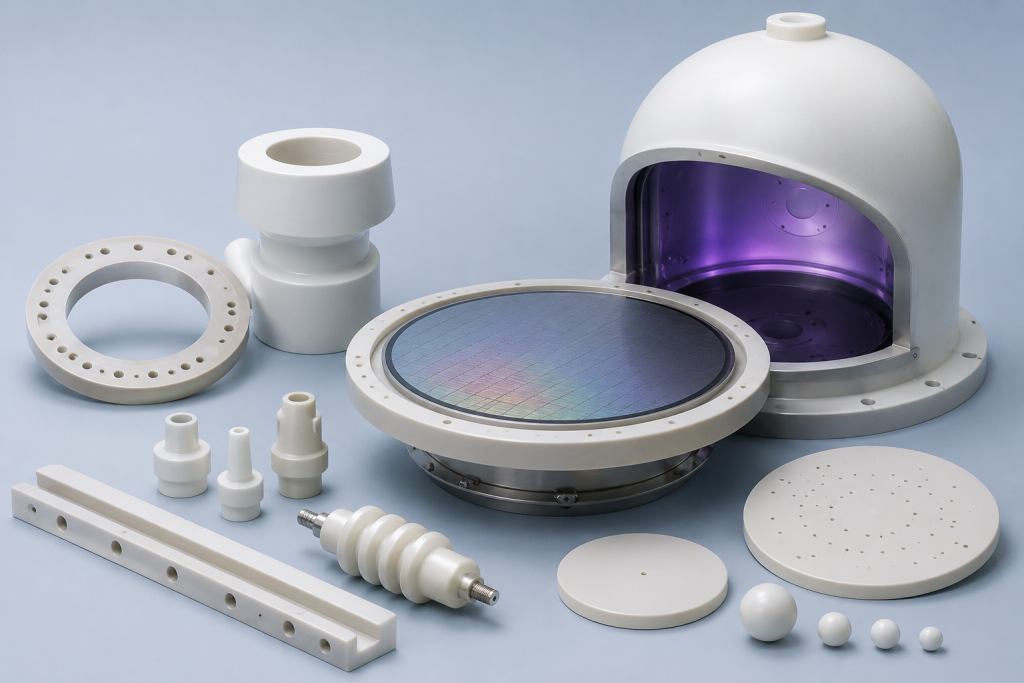
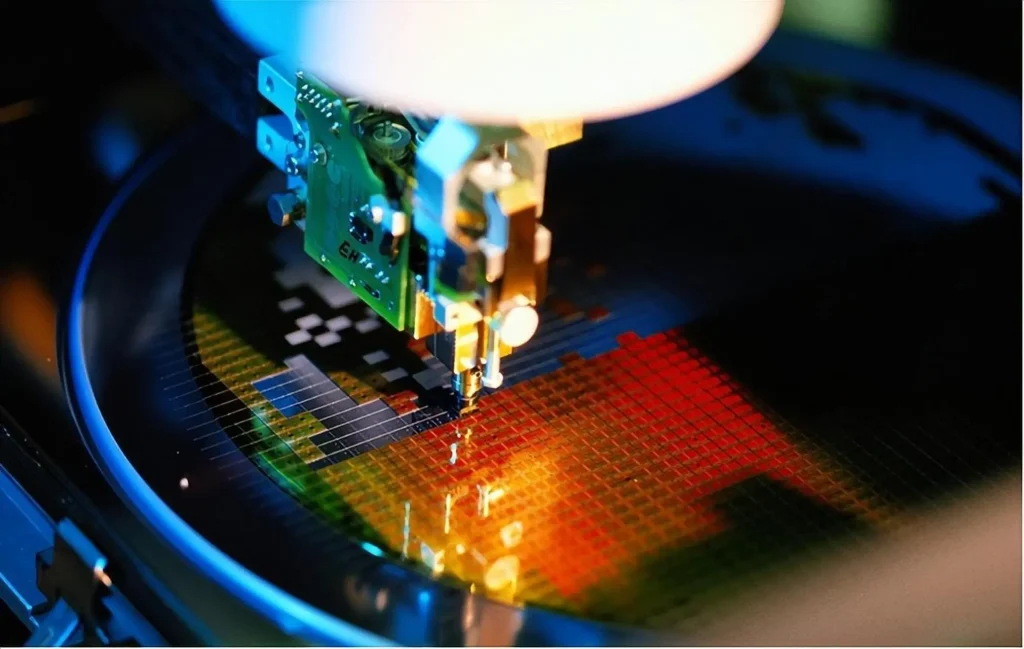
As semiconductor and optoelectronic technologies continue to advance toward higher power, greater integration, and improved reliability, the demand for high-performance materials is growing rapidly. Among the many advanced materials used in modern optoelectronic devices, ceramic materials have emerged as a critical enabling technology due to their exceptional thermal stability, chemical resistance, electrical insulation, and optical properties. From semiconductor lasers and photovoltaic cells to optical sensors and advanced packaging, ceramic materials play an increasingly important role in improving device performance, extending operational lifetime, and enabling next-generation photonic technologies. This article explores the key properties of ceramic materials, their applications in semiconductor optoelectronics, and future development trends shaping the industry. Why Ceramic […]

半導体オプトエレクトロニクスにおける先端セラミック材料:応用、利点、および将来展望 続きを読む »
精密工業用高純度ジルコニア部品

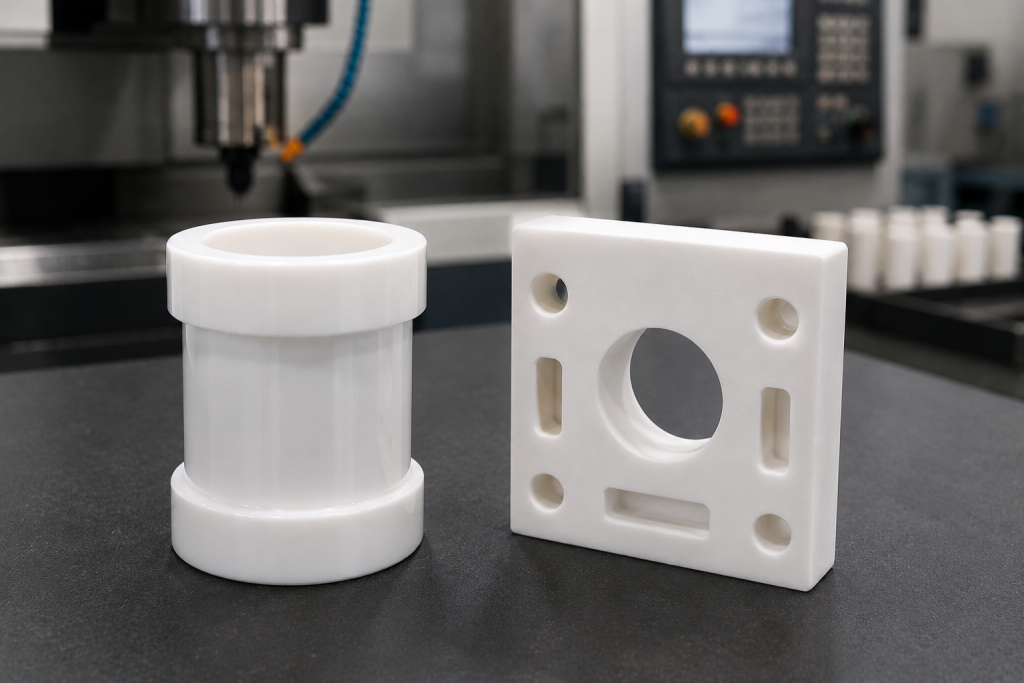
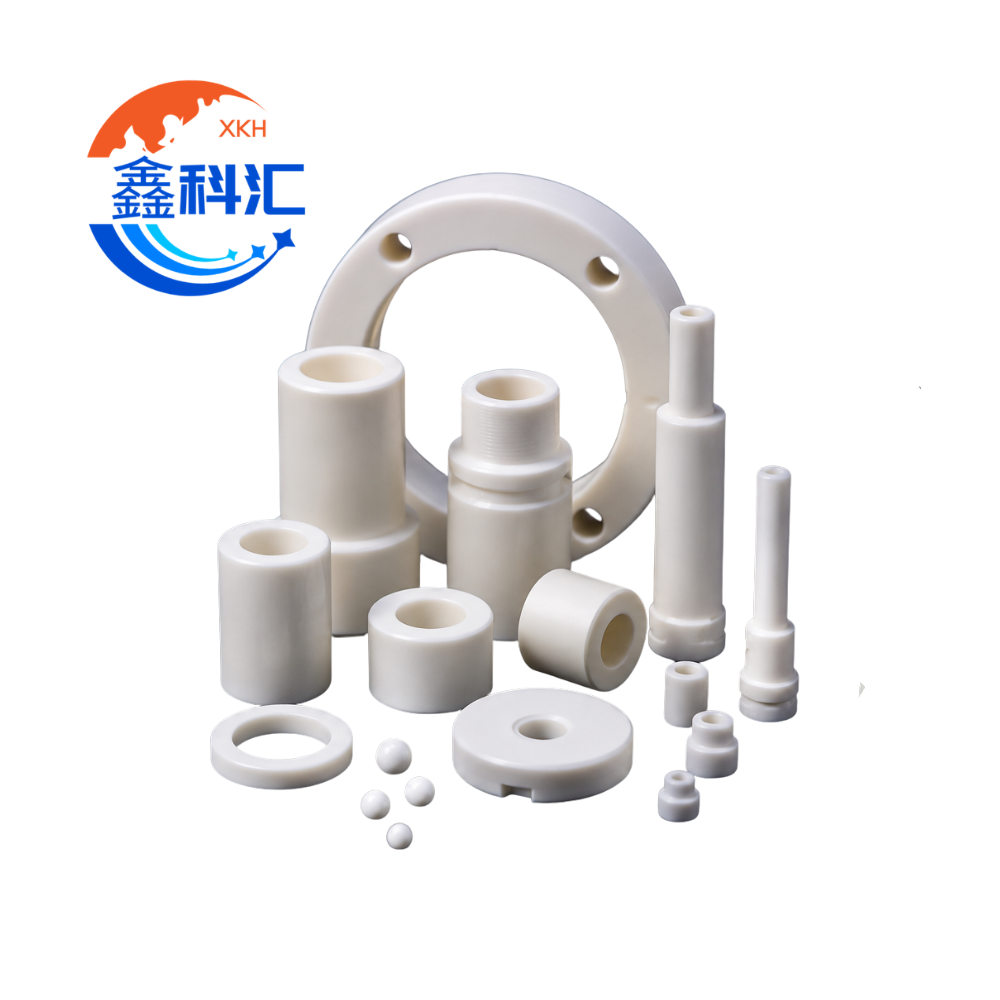
High purity zirconia parts are widely used in industries that demand exceptional wear resistance, corrosion resistance, dimensional stability, and mechanical strength. Compared with traditional metal materials and standard industrial ceramics, zirconia ceramics offer a unique combination of toughness and precision, making them suitable for advanced industrial systems. Today, high purity zirconia components are commonly found in semiconductor manufacturing, precision machinery, medical devices, chemical processing, fluid control systems, and high-speed bearing applications. What Are High Purity Zirconia Parts? High purity zirconia parts are precision ceramic components manufactured from zirconium dioxide (ZrO₂) with controlled purity and microstructure. These ceramics are engineered to provide superior mechanical and thermal performance in demanding environments. Depending

精密工業用高純度ジルコニア部品 続きを読む »

ジルコニアとアルミナ:どちらのセラミック材料が用途に適合するか?

Selecting the right technical ceramic material is critical for industrial applications where performance, durability, and cost directly affect productivity and long-term reliability. Among advanced engineering ceramics, Zirconia (ZrO₂) and Alumina (Al₂O₃) are two of the most widely used materials. Both materials offer exceptional hardness, wear resistance, and chemical stability. However, they differ significantly in toughness, strength, thermal properties, and application suitability. So which ceramic material is the better choice for your application? The answer depends on your operating environment and performance priorities. This article compares zirconia and alumina across key characteristics to help engineers, manufacturers, and purchasing teams make informed decisions. What Is Alumina Ceramic? Alumina ceramic, also known as

ジルコニアとアルミナ:どちらのセラミック材料が用途に適合するか? 続きを読む »

さまざまな産業における多孔質セラミックスの用途

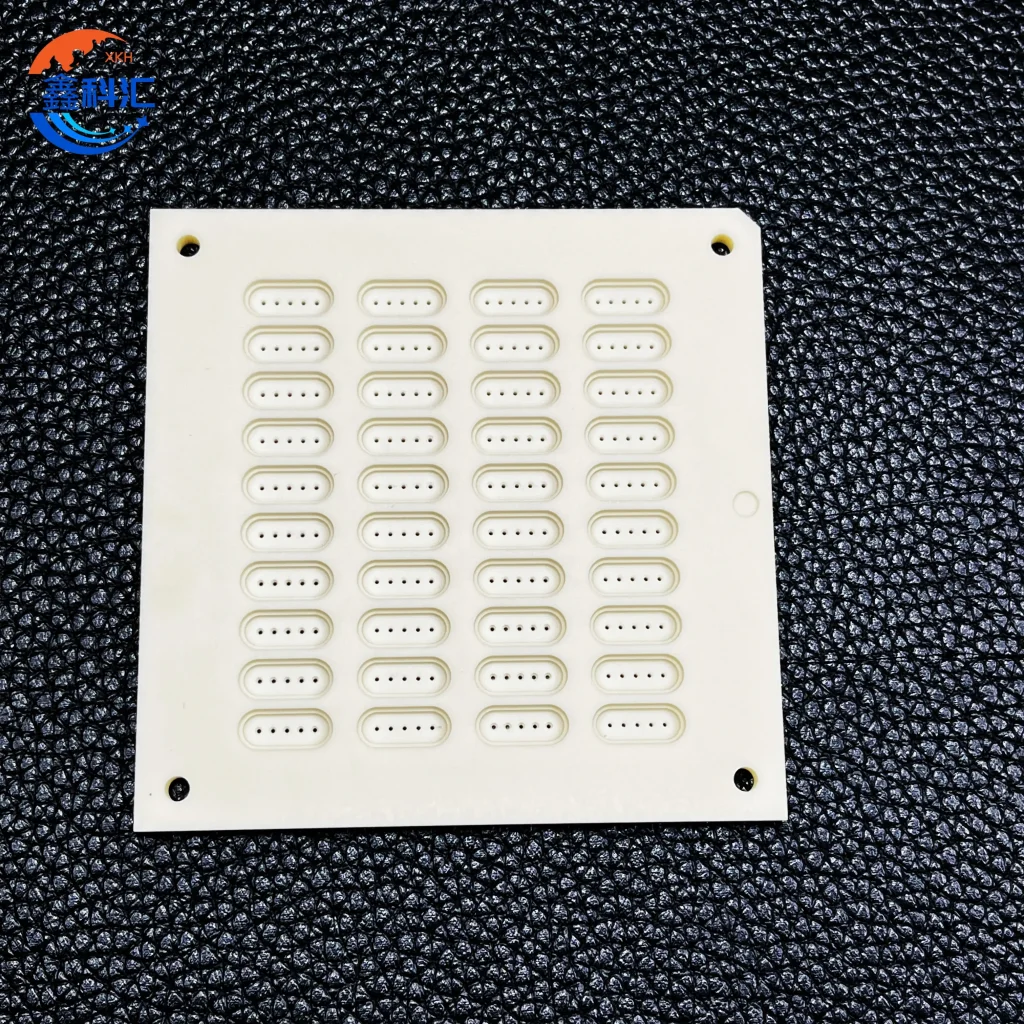
Porous ceramics are advanced ceramic materials characterized by interconnected pore structures or controlled porosity. Unlike dense ceramics, they combine mechanical stability with permeability, high surface area, thermal resistance, and excellent chemical durability. These unique properties make porous ceramics essential in a wide range of industrial applications, from environmental protection to energy systems and advanced manufacturing. This article provides a structured overview of the key application areas of porous ceramics. 1. Key Properties of Porous Ceramics The widespread use of porous ceramics is driven by their unique material advantages: Common material systems include alumina (Al₂O₃), silicon carbide (SiC), and zirconia (ZrO₂). 2. Environmental Protection and Water Treatment One of the most

さまざまな産業における多孔質セラミックスの用途 続きを読む »

半導体産業における炭化ケイ素(SiC)セラミックス:用途、特性、将来展望

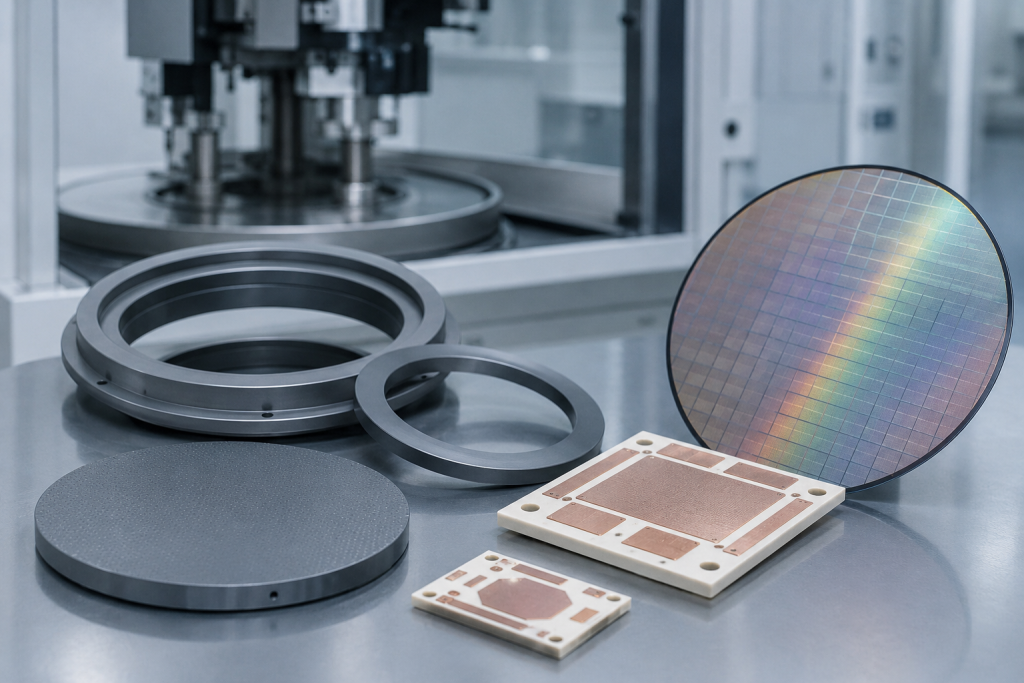
Silicon carbide (SiC) ceramics have become increasingly important in the semiconductor industry due to their exceptional thermal, mechanical, chemical, and electrical properties. Beyond their role as wide-bandgap semiconductor substrates for power devices, SiC ceramics are widely used in semiconductor manufacturing equipment, packaging, and thermal management systems. This article provides a scientific overview of SiC ceramics in semiconductor applications, highlighting key functional roles, material advantages, technical challenges, and future development directions. 1. Introduction The continuous scaling of semiconductor devices and the increasing demand for higher power density, miniaturization, and thermal reliability have placed stringent requirements on materials used in both device fabrication and packaging. Traditional ceramic materials such as alumina (Al₂O₃)

半導体産業における炭化ケイ素(SiC)セラミックス:用途、特性、将来展望 続きを読む »

半導体装置における精密セラミックス:中核的役割と産業発展動向

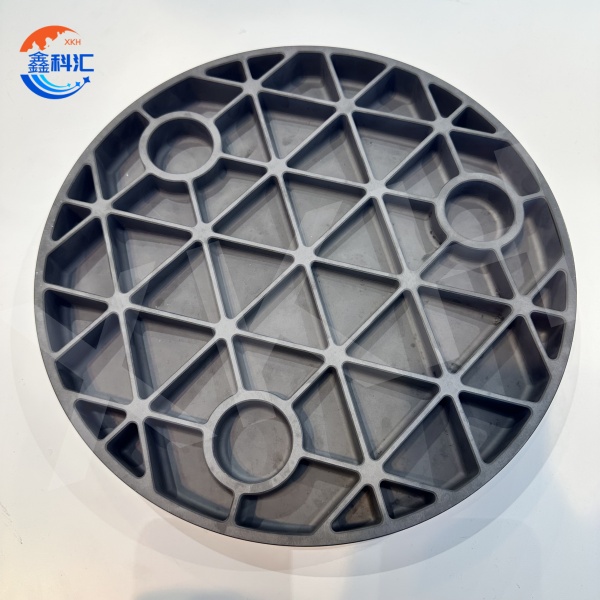
1. Introduction Precision ceramics refer to high-performance advanced ceramic components used in semiconductor manufacturing equipment. These components are typically designed with complex structures, ultra-high purity, and extremely tight dimensional tolerances. They play a critical role in ensuring the stability, accuracy, and reliability of semiconductor fabrication processes. With the rapid expansion of the global semiconductor industry and the continuous push toward smaller process nodes, higher integration, and more complex manufacturing environments, semiconductor equipment has evolved toward higher precision and harsher operating conditions. As a result, precision ceramic components have become indispensable “hidden core parts” in modern semiconductor equipment. Today, precision ceramics account for approximately 16% of the value in semiconductor equipment

半導体装置における精密セラミックス:中核的役割と産業発展動向 続きを読む »

半導体装置におけるセラミック部品:用途と利点

In semiconductor manufacturing, precision, purity, and thermal stability are critical requirements. As device geometries continue to shrink and process environments become more extreme, traditional metal components often fail to meet performance demands. This is where advanced ceramic materials play a crucial role. Ceramic components are widely used in semiconductor equipment due to their exceptional properties such as high temperature resistance, electrical insulation, wear resistance, and chemical stability. In this article, we explore their key applications and benefits in modern semiconductor systems. Why Ceramics Are Essential in Semiconductor Equipment Semiconductor processes such as etching, deposition, lithography, and wafer handling require materials that remain stable under harsh conditions. Advanced ceramics, especially alumina

半導体装置におけるセラミック部品:用途と利点 続きを読む »