
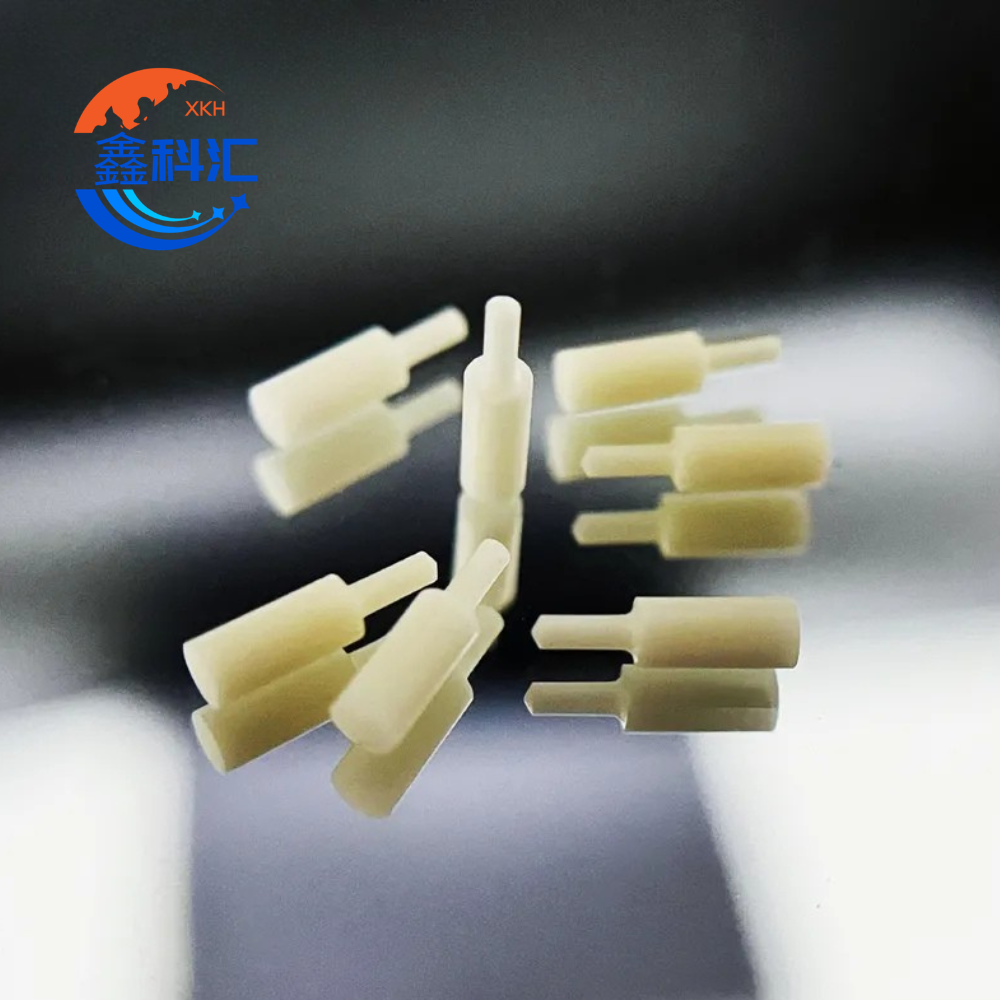
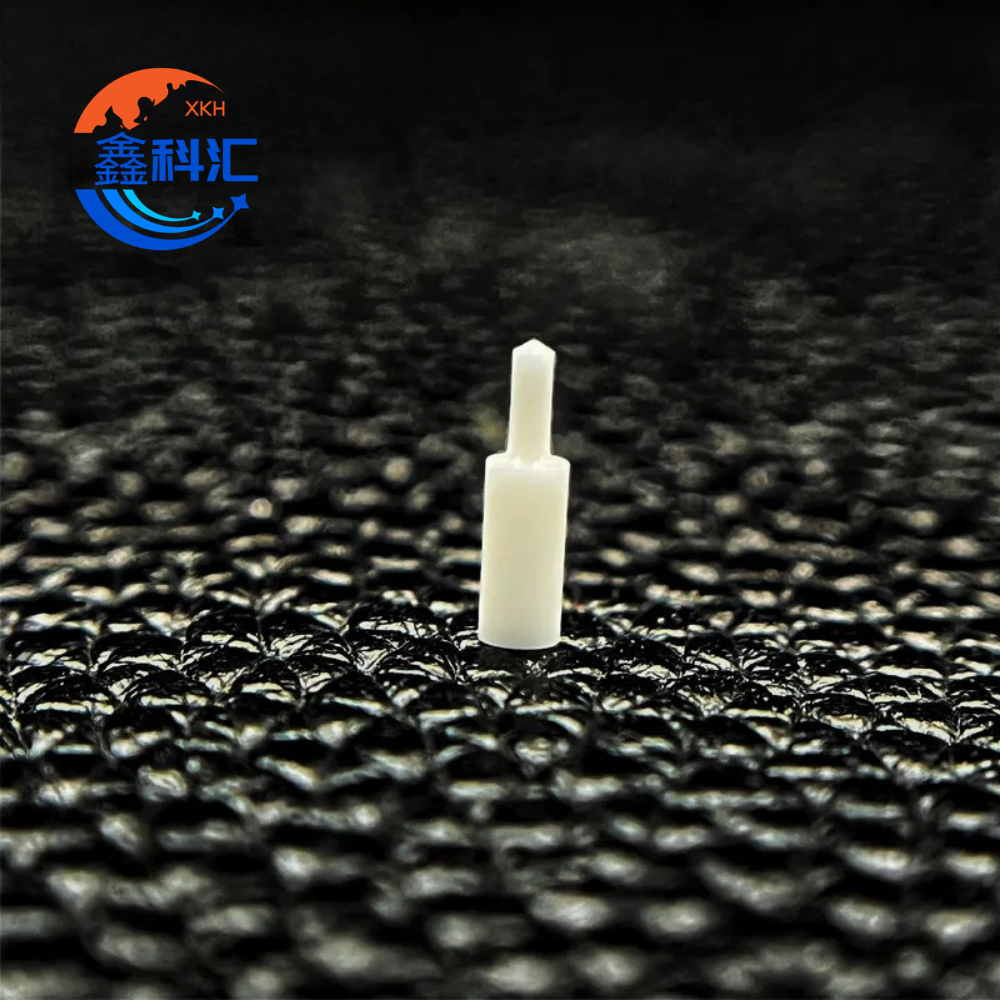
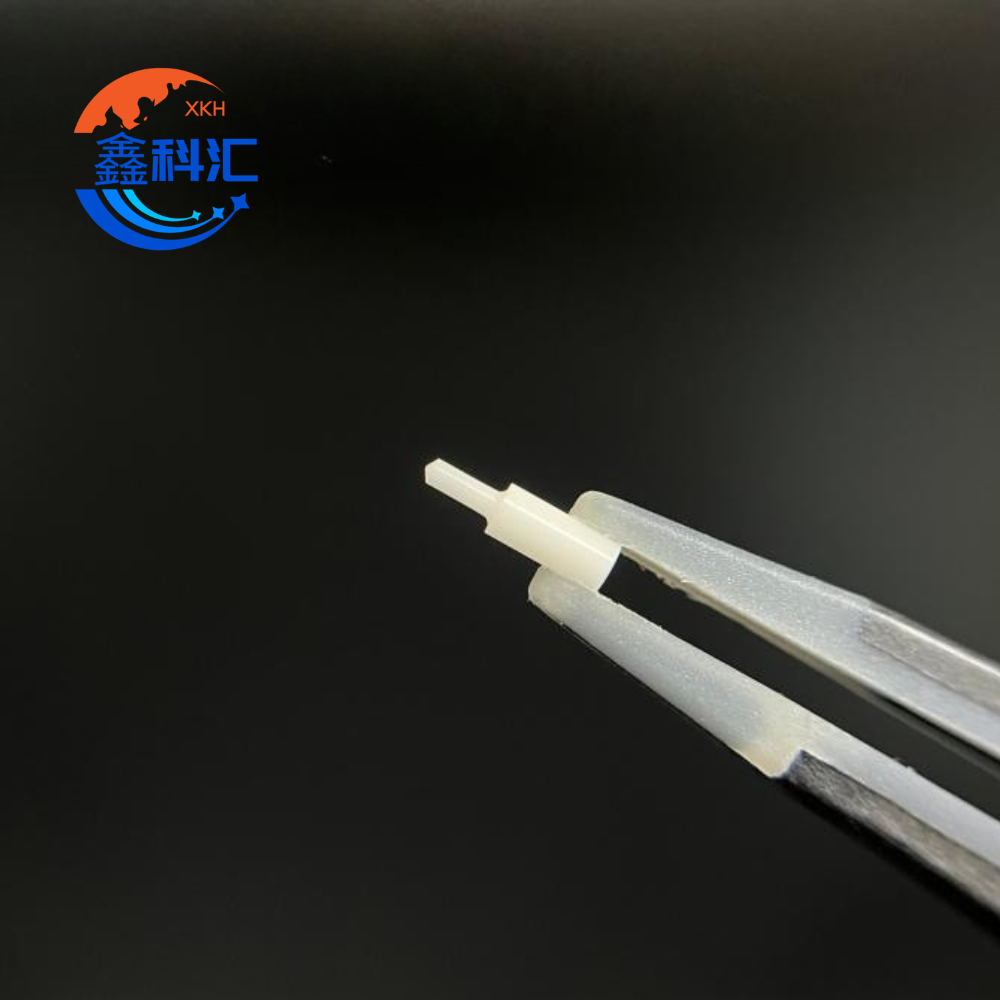
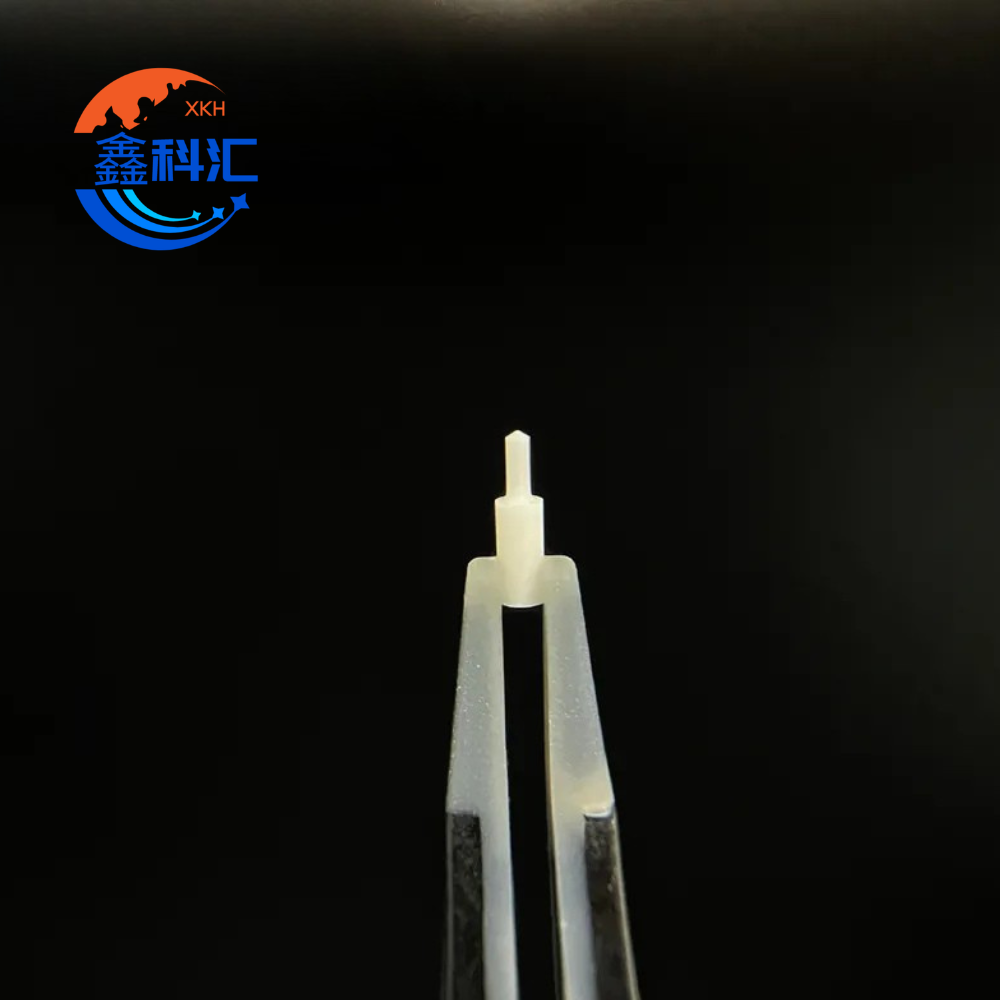
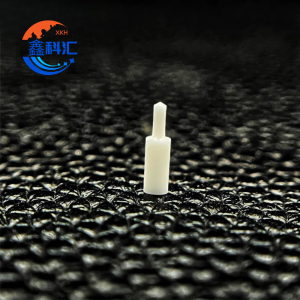
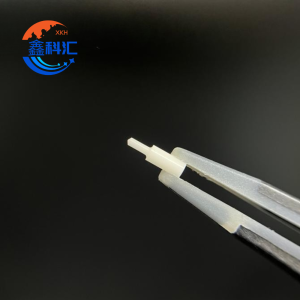
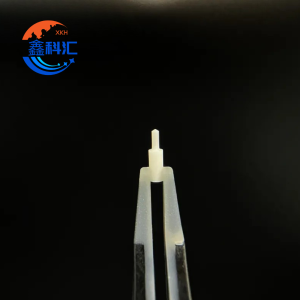
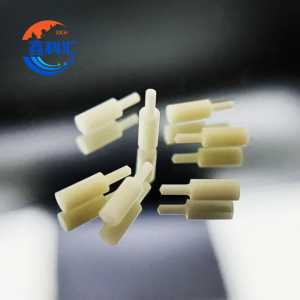
 Kundenspezifische Zirkoniumdioxid-Keramikkomponenten sind präzisionsgefertigte Teile aus stabilisiertem Zirkoniumdioxid (ZrO₂). Sie sind für Anwendungen konzipiert, die eine hohe mechanische Festigkeit, Verschleißfestigkeit und Formstabilität erfordern.
Wir bieten kundenspezifische Fertigung auf der Grundlage von Zeichnungen oder technischen Anforderungen und unterstützen komplexe Geometrien, enge Toleranzen und Oberflächen in technischer Qualität.
Diese Komponenten werden häufig in Präzisionsmaschinen, Halbleiterausrüstungen, medizinischen Systemen und in der Chemietechnik eingesetzt.
Materialeigenschaften
Mechanische Leistung
Zirkoniumdioxid-Keramik bietet eine hohe Biegefestigkeit, die für strukturelle und tragende Komponenten geeignet ist.
Außerdem bietet es im Vergleich zu den meisten technischen Keramiken eine hervorragende Bruchzähigkeit.
Abnutzungswiderstand
Das Material weist gute Reibungs- und Gleiteigenschaften auf und eignet sich daher für bewegliche mechanische Teile wie Lager und Buchsen.
Thermisches Verhalten
Zirkoniumdioxid hat eine geringe Wärmeleitfähigkeit und eine stabile Leistung unter moderaten Hochtemperaturbedingungen.
Chemische Beständigkeit
Es ist beständig gegen Säuren, Laugen und die meisten industriellen chemischen Umgebungen.
Produktionskapazitäten
CNC-Bearbeitung
Wird für hochpräzise Teile mit engen Maßtoleranzen verwendet.
Vor-Sinter-Bearbeitung + Sinterung
Geeignet für komplexe Geometrien und kostengünstige Produktion.
Keramik-Spritzgießen
Für die Produktion mittlerer bis großer Serien mit wiederholbarer Präzision.
Präzisionsschleifen und Polieren
Wird verwendet, wenn eine hohe Oberflächengüte oder eine Spiegeloberfläche erforderlich ist.
Laser-Bearbeitung
Wird für feine Merkmale, Mikrolöcher und Identifikationsmarkierungen verwendet.
Material-Optionen
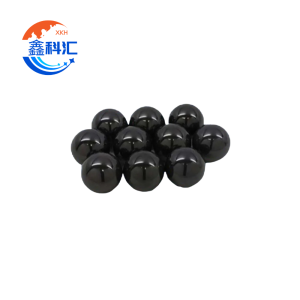
3Y-TZP, Yttriumoxid-stabilisiertes Zirkoniumdioxid, Magnesia-stabilisiertes Zirkoniumdioxid, schwarzes Zirkoniumdioxid
Technische Daten
| Parameter | Wert |
|---|---|
| Material | Zirkoniumoxid (ZrO₂) |
| Dichte | 5,95 - 6,10 g/cm³ |
| Biegefestigkeit | 900 - 1300 MPa |
| Druckfestigkeit | ≥ 2000 MPa |
| Härte | 1200 - 1350 HV |
| Arbeitstemperatur | 800 - 1200°C |
| Dielektrische Festigkeit | > 9 - 10 KV/mm |
| Bearbeitungstoleranz | Bis zu ±0,002 mm (je nach Ausführung) |
Anwendungsbereiche
Präzisionsmaschinenbau
Lager, Buchsen, Ventilsitze, Stößel, mechanische Kupplungsteile
Halbleiter-Ausrüstung
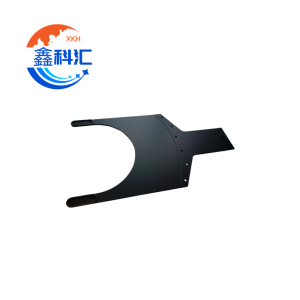
Wafer-Handling-Teile, Ausrichtungsstrukturen, Abstandshalter, Isolationskomponenten
Medizinische und zahnmedizinische Systeme
Implantate, chirurgische Instrumente, verschleißfeste Komponenten
Chemische Industrie
Pumpenkomponenten, Dichtungsteile, korrosionsbeständige Armaturen
Wirtschaftsingenieurwesen
Mechanische Teile mit hohem Verschleiß und Präzisionsbauteile
Kundenspezifische Fertigungsoptionen
Geometrie
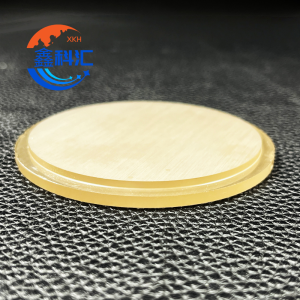
Stäbe, Ringe, Platten, Rohre, Blöcke und nicht standardisierte komplexe Formen
Oberfläche
Bearbeitet, geschliffen, poliert, hochglanzpoliert
Präzisionskontrolle
Standard- und hochpräzise Toleranzkontrolle auf Basis von Zeichnungen
Strukturelle Merkmale
Gewinde, Rillen, Löcher, Schlitze und Mikromerkmale verfügbar
Montage-Lösungen
Keramik-Metall- oder Keramik-Keramik-Verbundstrukturen
Engineering & RFQ-Unterstützung
Wir unterstützen Projekte für Prototypen, Kleinserien und Massenproduktion.
Um Ihre Anfrage beurteilen zu können, bitten wir Sie um folgende Angaben:
- Technische Zeichnungen (STEP, DWG, PDF, oder Skizzen)
- Anforderungen an das Material
- Menge (Prototyp oder Produktion)
- Toleranzanforderungen
- Anforderungen an die Oberflächenbeschaffenheit
- Anwendungsumgebung
Unser Ingenieurteam prüft die Herstellbarkeit und antwortet mit einem Angebot und technischem Feedback.
Die wichtigsten Vorteile
- Hohe mechanische Festigkeit und strukturelle Zuverlässigkeit
- Hervorragende Verschleißfestigkeit für eine lange Nutzungsdauer
- Stabile Leistung in chemischen Umgebungen
- Geeignet für komplexe Bearbeitungen und kundenspezifische Strukturen
- Kontrollierte Präzision in der Fertigung
- Flexible Produktion vom Prototyp bis zur Massenproduktion
FAQ
1. Können Zirkoniumdioxid-Keramikkomponenten nach Zeichnungen hergestellt werden?
Ja. Wir fertigen auf der Grundlage von STEP-, DWG-, PDF-Dateien oder physischen Mustern.
2. Wie hoch ist die Mindestbestellmenge?
MOQ hängt von der Komplexität ab. Prototyp-Bestellungen werden unterstützt.
3. Kann Zirkoniumdioxid für komplexe Präzisionsteile verwendet werden?
Ja. CNC-Bearbeitungs- und Formgebungsverfahren ermöglichen komplexe Geometrien.
4. Welche Toleranz kann erreicht werden?
Die Standardfähigkeit beträgt je nach Struktur bis zu ±0,002 mm.
Rezensionen
Es gibt noch keine Rezensionen.