
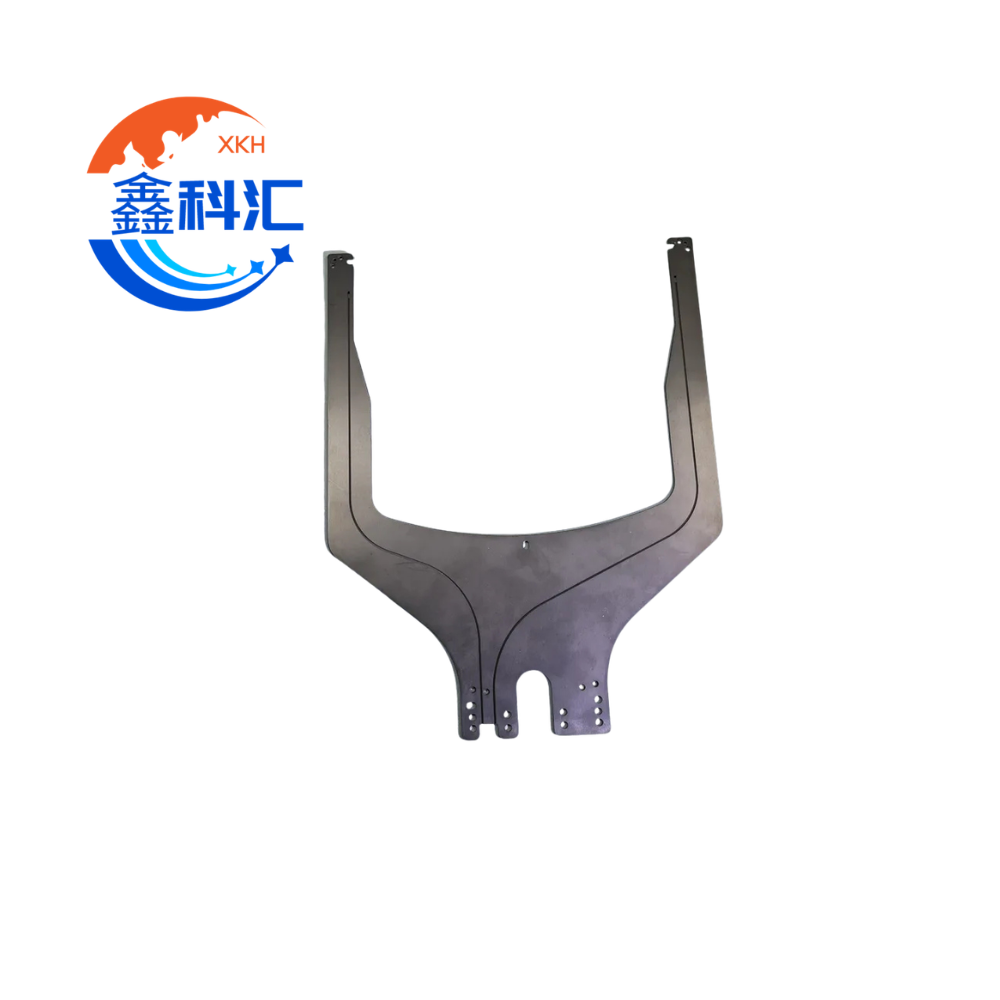
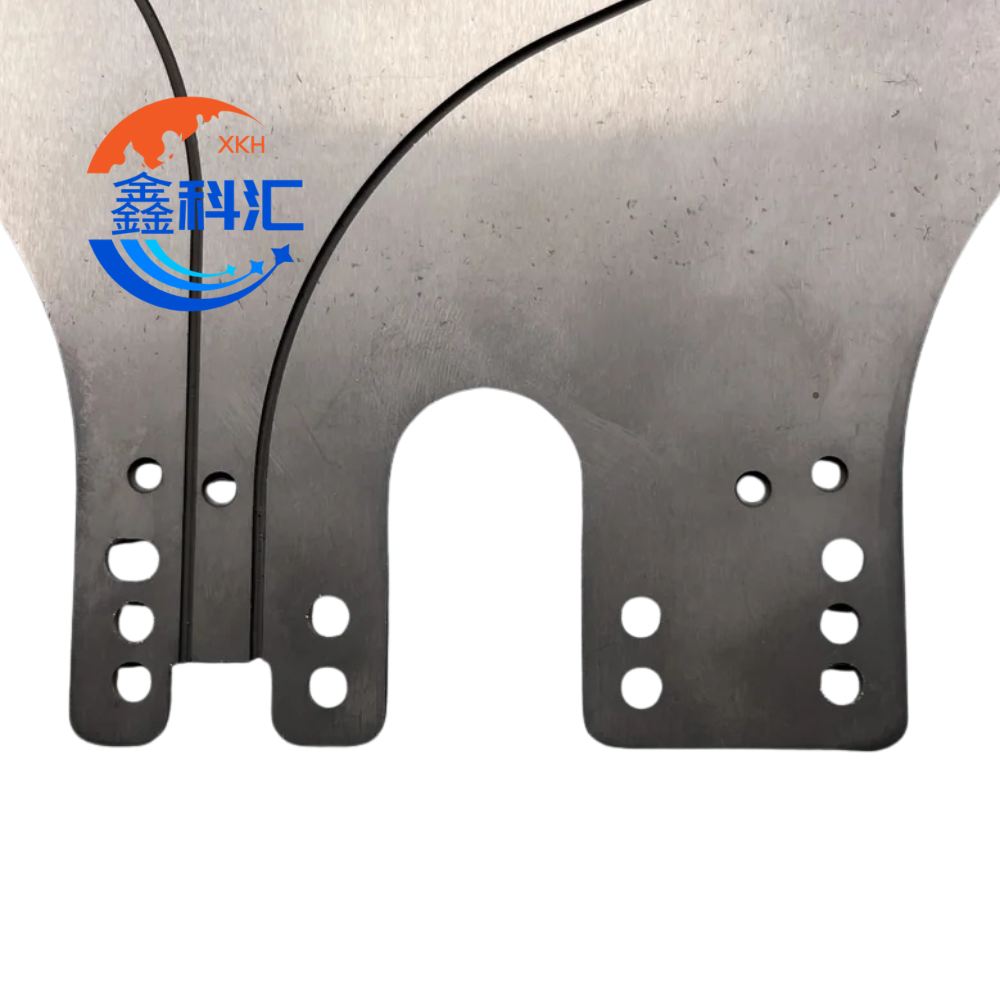
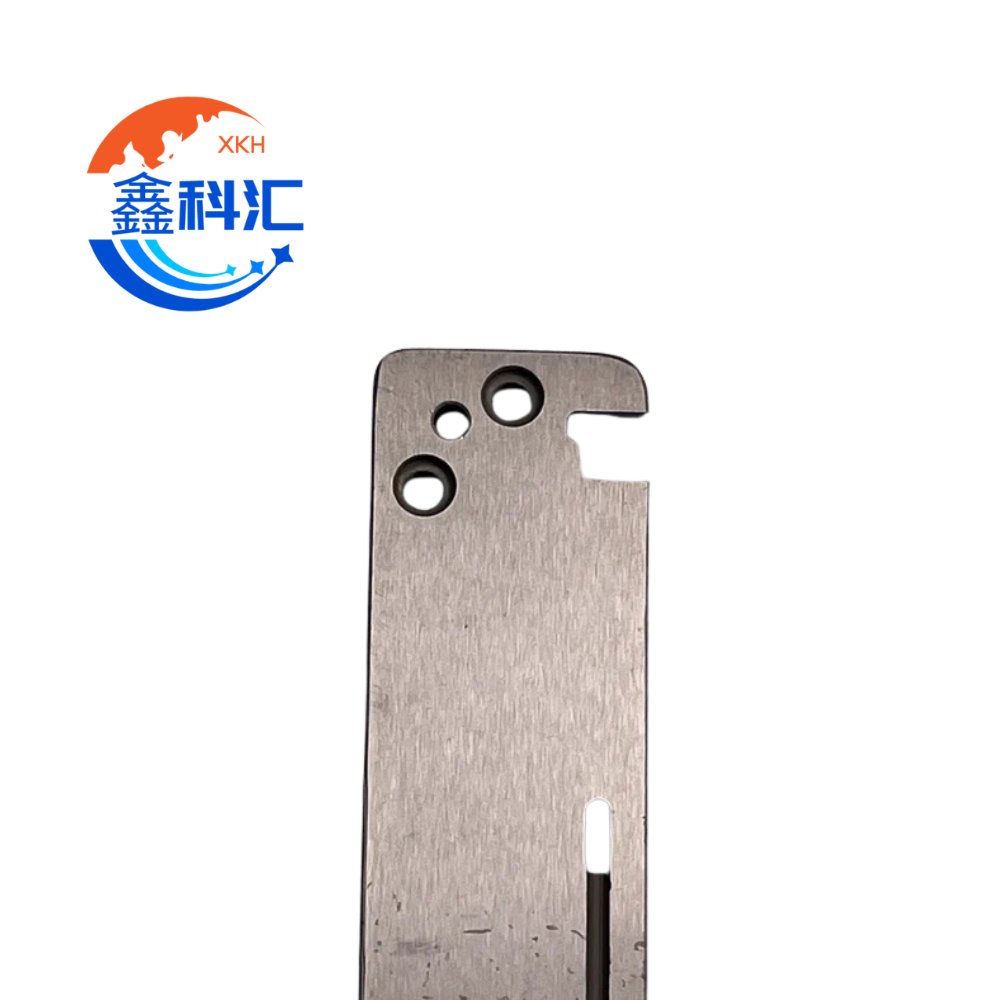
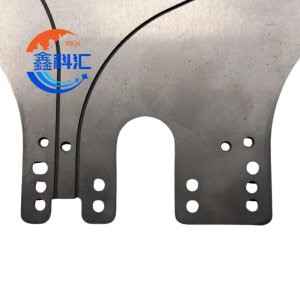
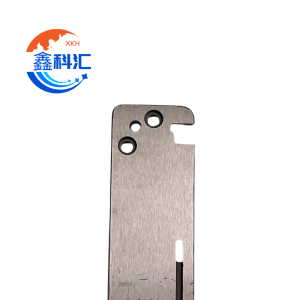
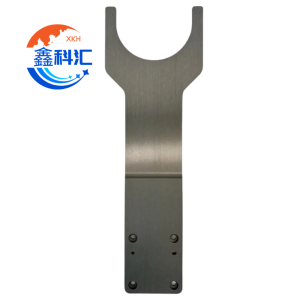
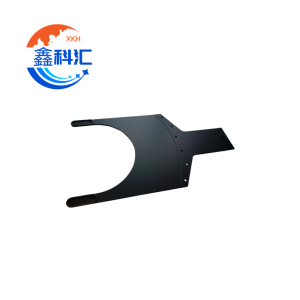
 Der SiC-Keramik-Gabelarm ist eine hochpräzise Strukturkomponente, die aus modernem gesintertem Siliziumkarbid (SSiC) hergestellt wird. Er wurde für die Halbleiter-, Optik-, Luft- und Raumfahrt- und Automatisierungsindustrie entwickelt und kombiniert ultrahohe Steifigkeit, ausgezeichnete thermische Stabilität, eine leichte Struktur und hervorragende Verschleißfestigkeit.
Diese kundenspezifischen Gabelarme werden häufig für die Handhabung von Wafern, die optische Positionierung, die Automatisierung von Robotern und Präzisionsunterstützungssysteme eingesetzt, bei denen Verschmutzungskontrolle, Maßhaltigkeit und langfristige Zuverlässigkeit entscheidend sind.
Im Vergleich zu herkömmlichen Metallkomponenten bieten SiC-Keramik-Gabelzinken eine deutlich geringere Wärmeausdehnung, überlegene Korrosionsbeständigkeit und ein außergewöhnliches Verhältnis von Steifigkeit zu Gewicht, wodurch sie sich ideal für Hochpräzisionsgeräte der nächsten Generation eignen.
Hauptmerkmale und Vorteile
1. Ultrahohe Härte & Verschleißfestigkeit
- Mohs-Härte bis zu 9,3
- Außergewöhnliche Widerstandsfähigkeit gegen Abrieb und Partikelbildung
- Ideal für Reinraum- und Hochzyklus-Automatisierungsumgebungen
2. Hervorragende thermische Stabilität
- Niedriger Wärmeausdehnungskoeffizient: ~4,0 × 10-⁶ /K
- Behält die Maßhaltigkeit bei Temperaturschwankungen bei
- Geeignet für Halbleiter- und optische Systeme, die eine stabile Ausrichtung erfordern
3. Ausgezeichnete Wärmeleitfähigkeit
- Wärmeleitfähigkeit: 120-180 W/(m-K)
- Effiziente Wärmeableitung reduziert die Ansammlung von Wärmestress
- Verbessert die Zuverlässigkeit des Systems im Dauerbetrieb
4. Geringes Gewicht bei hoher Steifigkeit
- Dichte etwa 3,1 g/cm³
- Elastizitätsmodul bis zu 450 GPa
- Bietet überragende Steifigkeit bei gleichzeitiger Minimierung der bewegten Masse
5. Chemikalien- und Korrosionsbeständigkeit
- Beständig gegen Säuren, Laugen, Lösungsmittel und Prozesschemikalien
- Kompatibel mit rauen Umgebungen in der Halbleiterfertigung
6. Reinraumtaugliche Oberfläche
- Geringe Partikelerzeugung
- Optional hochglanzpolierte Oberflächen (<0,02 μm Ra)
- Geeignet für Reinraumanwendungen der Klasse 10-1000
Technische Daten
| Eigentum | Typischer Wert |
|---|---|
| Material | Gesintertes Siliziumkarbid (SSiC) |
| Dichte | 3,10 - 3,15 g/cm³ |
| Härte | ≥2200 HV0.5 |
| Biegefestigkeit | ≥400 MPa |
| Druckfestigkeit | ≥2000 MPa |
| Elastizitätsmodul | 400 - 450 GPa |
| Wärmeleitfähigkeit | 120 - 180 W/(m-K) |
| Wärmeausdehnungskoeffizient | ~4.0 × 10-⁶ /K |
| Maximale Betriebstemperatur | 1400 - 1600°C |
| Elektrischer spezifischer Widerstand | >10¹⁴ Ω-cm |
| Oberflächenrauhigkeit | <0,02 μm Ra (fakultativ) |
| Reinraum-Kompatibilität | Klasse 10 - 1000 |
Typische Anwendungen
Handhabung von Halbleiterwafern
SiC-Keramik-Gabelarme werden in Halbleiter-Automatisierungssystemen häufig verwendet:
- Wafer-Transfer-Roboter
- EFEM- und FOUP-Ladeanschlüsse
- Vakuum-Pick-and-Place-Systeme
- Handhabung von 6″-, 8″- und 12″-Wafern
Ihre geringe Partikelbildung und chemische Beständigkeit tragen zu einer hohen Prozessreinheit und einer hohen Waferausbeute bei.
 Optische und photonische Ausrüstung
In optischen Präzisionssystemen bieten die SiC-Gabelarme:
- Stabile Halterung für Spiegel und Linsen
- Kontrolle der thermischen Verformung
- Leichte Strukturen mit hoher Steifigkeit
Typische Anwendungen sind:
- Interferometer
- Laser-Scanner-Systeme
- Präzise optische Ausrichtgeräte
- Strukturen von Weltraumteleskopen
Robotik und Automatisierung
Einsatz als Roboter-Endeffektoren und Präzisionspositionierarme in:
- Reinraum-Automatisierung
- Vakuum-Handhabungssysteme
- Hochgeschwindigkeits-Präzisionsmontagegeräte
Zu den Vorteilen gehören lange Lebensdauer, geringe Ausgasung und elektrische Isolierung.
Luft- und Raumfahrt & Verteidigung
SiC-Keramik-Gabelstrukturen sind aufgrund ihrer Eigenschaften ideal für Luft- und Raumfahrtanwendungen:
- Hohes Verhältnis von Steifigkeit zu Gewicht
- Temperaturwechselbeständigkeit
- Formbeständigkeit bei Vibration und Strahlenbelastung
Zu den Anwendungen gehören optische Halterungen, Tragstrukturen für Nutzlasten und Präzisionsbewegungssysteme.
 Herstellungsprozess
Die Herstellung von SiC-Keramik-Gabelarmen erfordert fortschrittliche Keramikverarbeitungstechnologien:
- Hochreine Pulveraufbereitung
- Präzisionsumformung (isostatisches Pressen / Gießen / Trockenpressen)
- Hochtemperatursintern
- CNC-Schleifen und Laserbearbeitung
- Oberflächenpolieren und Präzisionsbearbeitung
- Maßkontrolle und Reinraumverpackung
Dieses Verfahren gewährleistet eine hervorragende Maßhaltigkeit und eine extrem hohe strukturelle Zuverlässigkeit.
Anpassungsoptionen
Als keramisches Präzisionsbauteil, das nicht standardisiert ist, kann der SiC-Gabelarm vollständig nach Kundenzeichnungen und Anwendungsanforderungen angepasst werden.
Zu den anpassbaren Optionen gehören:
- Gesamtabmessungen und Dicke
- Geometrie der Gabelöffnung
- Befestigungslöcher und -schlitze
- Oberflächenrauhigkeit und Poliergrad
- Kompatibilität mit Wafergrößen (6″, 8″, 12″)
- Spezielle Beschichtungen oder Lasermarkierungen
Die technischen Unterstützungsdienste umfassen:
- Überprüfung der Zeichnung
- FEM-Strukturanalyse
- Entwicklung von Prototypen
- Optimierung der Anwendung
Warum SiC-Keramik-Gabelzinken wählen
Im Vergleich zu Aluminium, Edelstahl oder herkömmlicher Keramik bieten SiC-Keramik-Gabelzinken Vorteile:
- Höhere Steifigkeit
- Geringere thermische Verformung
- Bessere Verschleißfestigkeit
- Hervorragende Leistung im Reinraum
- Längere Betriebslebensdauer
Sie sind eine ideale Lösung für fortschrittliche Halbleiter-, Optik- und Präzisionsautomatisierungsindustrien, die eine extrem hohe Zuverlässigkeit und Stabilität erfordern.
FAQ
F1: Warum werden SiC-Keramik-Gabelarme für Wafer-Handling-Systeme bevorzugt?
SiC-Keramik-Gabelarme erzeugen extrem wenig Partikel, bieten eine ausgezeichnete thermische Stabilität und sind resistent gegen chemische Korrosion, wodurch sie sich ideal für Reinraumanwendungen zum Transfer von Halbleiterwafern eignen.
F2: Kann der SiC-Gabelarm für verschiedene Wafergrößen angepasst werden?
Ja. Der Gabelarm kann für 6-, 8- und 12-Zoll-Wafer angepasst werden, einschließlich der Abmessungen, des Schlitzdesigns, der Befestigungsstrukturen und der Oberflächenbehandlung.
F3: Welche Vorteile bietet SiC-Keramik gegenüber Metallgabelzinken?
Im Vergleich zu metallischen Werkstoffen bietet SiC-Keramik eine höhere Steifigkeit, eine geringere Wärmeausdehnung, eine bessere Korrosionsbeständigkeit, ein geringeres Gewicht und eine bessere Dimensionsstabilität unter extremen Betriebsbedingungen.
Rezensionen
Es gibt noch keine Rezensionen.