
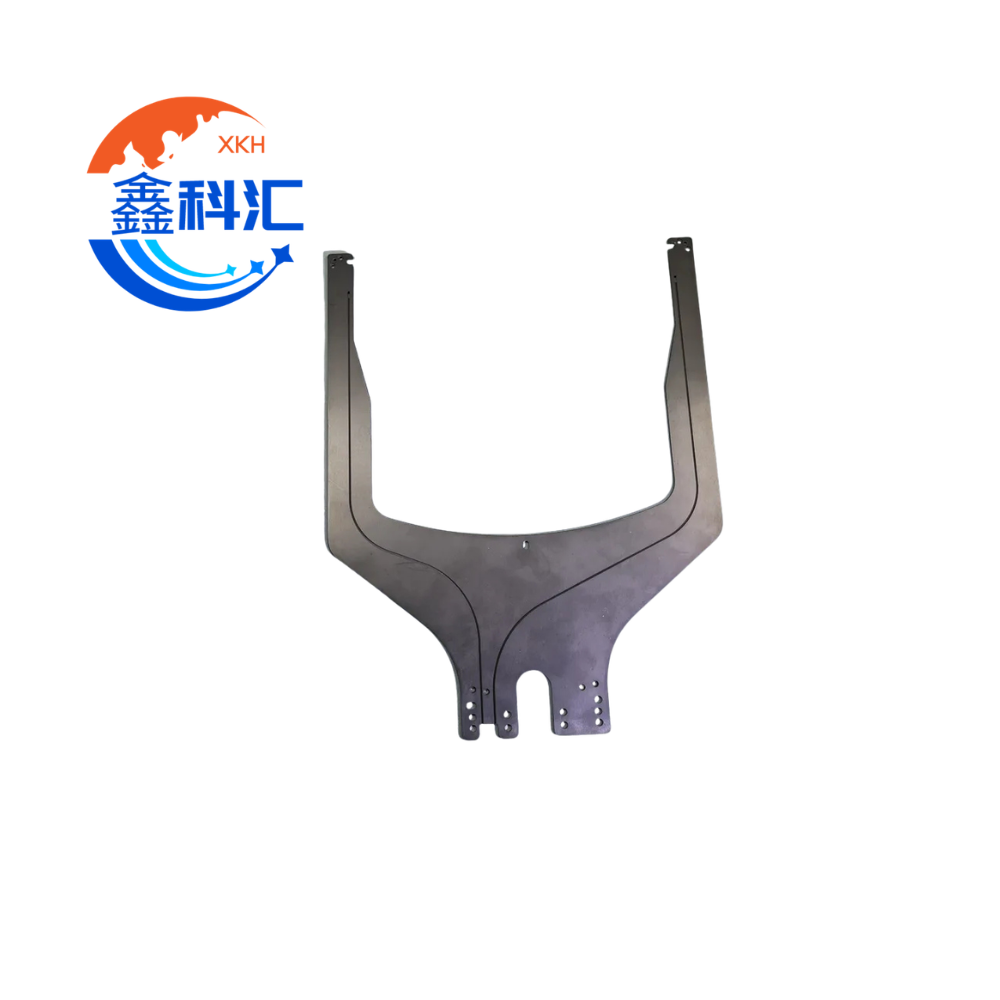
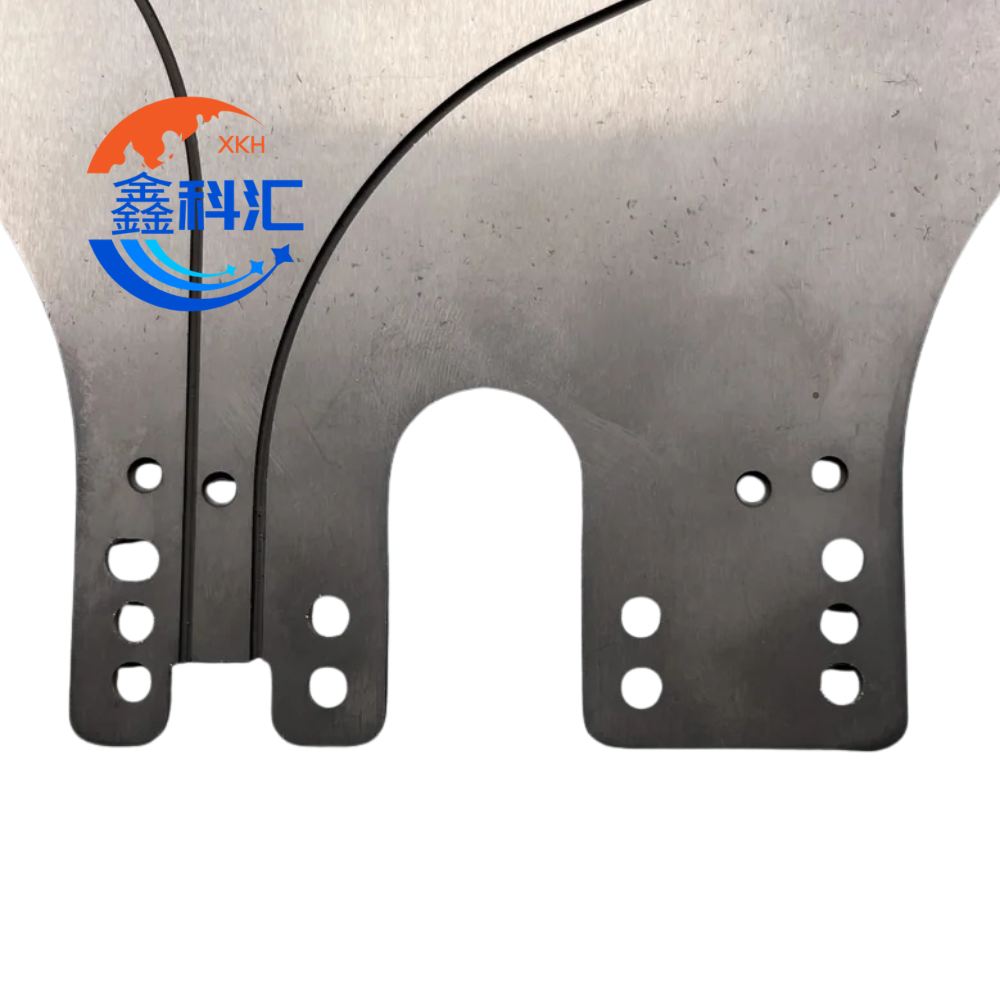
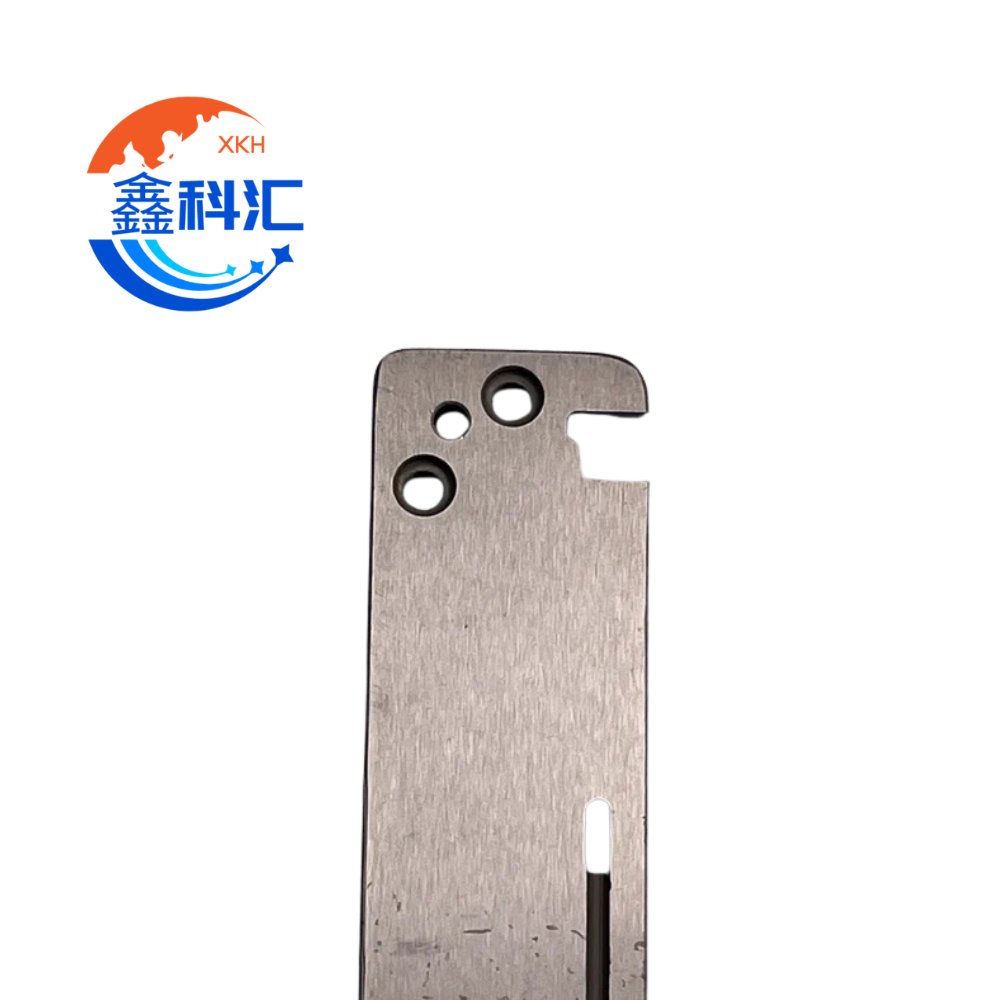
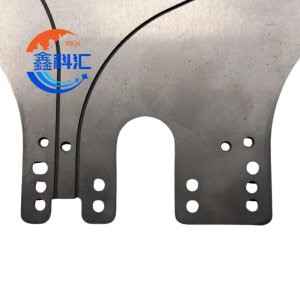
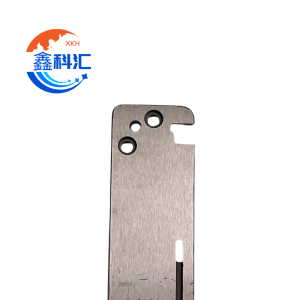
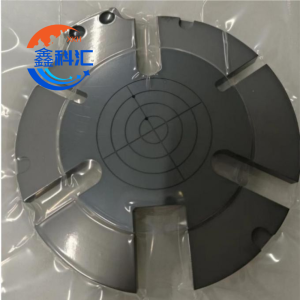
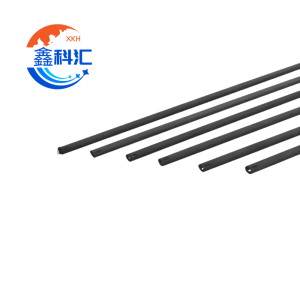
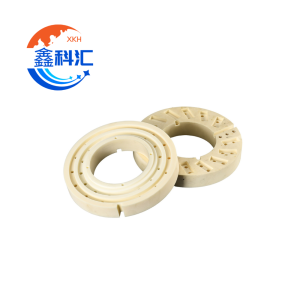
 SiC Seramik Çatal Kol, gelişmiş sinterlenmiş silisyum karbür (SSiC) seramik malzemeden üretilen yüksek hassasiyetli bir yapısal bileşendir. Yarı iletken, optik, havacılık ve otomasyon endüstrileri için tasarlanan bu ürün, ultra yüksek sertlik, mükemmel termal stabilite, hafif yapı ve olağanüstü aşınma direncini bir araya getirir.
Bu özel mühendislik ürünü çatal kollar, kontaminasyon kontrolü, boyutsal stabilite ve uzun vadeli güvenilirliğin kritik olduğu gofret taşıma, optik konumlandırma, robotik otomasyon ve hassas destek sistemleri için yaygın olarak kullanılmaktadır.
Geleneksel metal bileşenlerle karşılaştırıldığında, SiC seramik çatal kolları önemli ölçüde daha düşük termal genleşme, üstün korozyon direnci ve olağanüstü sertlik-ağırlık oranı sağlayarak yeni nesil yüksek hassasiyetli ekipmanlar için idealdir.
Temel Özellikler ve Avantajlar
1. Ultra Yüksek Sertlik ve Aşınma Direnci
- Mohs sertliği 9,3'e kadar
- Aşınmaya ve partikül oluşumuna karşı olağanüstü direnç
- Temiz oda ve yüksek döngülü otomasyon ortamları için ideal
2. Üstün Termal Kararlılık
- Düşük termal genleşme katsayısı: ~4,0 × 10-⁶ /K
- Sıcaklık dalgalanmaları altında boyutsal doğruluğu korur
- Kararlı hizalama gerektiren yarı iletken ve optik sistemler için uygundur
3. Mükemmel Termal İletkenlik
- Termal iletkenlik: 120-180 W/(m-K)
- Verimli ısı dağılımı termal stres birikimini azaltır
- Sürekli çalışma sırasında sistem güvenilirliğini artırır
4. Yüksek Sertlik ile Hafiflik
- Yoğunluk yaklaşık 3,1 g/cm³
- Young modülü 450 GPa'ya kadar
- Hareketli kütleyi en aza indirirken üstün sertlik sağlar
5. Kimyasal ve Korozyon Direnci
- Asitlere, alkalilere, solventlere ve proses kimyasallarına karşı dayanıklıdır
- Zorlu yarı iletken üretim ortamlarıyla uyumlu
6. Temiz Oda Uyumlu Yüzey
- Düşük partikül üretimi
- İsteğe bağlı ultra parlatılmış yüzeyler (<0,02 μm Ra)
- Sınıf 10-1000 temiz oda uygulamaları için uygundur
Teknik Özellikler
| Mülkiyet | Tipik Değer |
|---|---|
| Malzeme | Sinterlenmiş Silisyum Karbür (SSiC) |
| Yoğunluk | 3,10 - 3,15 g/cm³ |
| Sertlik | ≥2200 HV0.5 |
| Eğilme Dayanımı | ≥400 MPa |
| Basınç Dayanımı | ≥2000 MPa |
| Young Modülü | 400 - 450 GPa |
| Termal İletkenlik | 120 - 180 W/(m-K) |
| Termal Genleşme Katsayısı | ~4.0 × 10-⁶ /K |
| Maksimum Çalışma Sıcaklığı | 1400 - 1600°C |
| Elektriksel Dirençlilik | >10¹⁴ Ω-cm |
| Yüzey Pürüzlülüğü | <0,02 μm Ra (isteğe bağlı) |
| Temiz Oda Uyumluluğu | Sınıf 10 - 1000 |
Tipik Uygulamalar
Yarı İletken Gofret İşleme
SiC seramik çatal kollar, yarı iletken otomasyon sistemlerinde yaygın olarak kullanılmaktadır:
- Wafer transfer robotları
- EFEM ve FOUP yük portları
- Vakumla alma ve yerleştirme sistemleri
- 6″, 8″ ve 12″ gofret işleme
Düşük partikül oluşumu ve kimyasal dirençleri, yüksek proses temizliğinin ve yonga plakası veriminin korunmasına yardımcı olur.
 Optik ve Fotonik Ekipmanlar
Hassas optik sistemlerde SiC çatal kolları şunları sağlar:
- Aynalar ve lensler için sağlam destek
- Termal deformasyon kontrolü
- Hafif, yüksek sertlikte yapılar
Tipik uygulamalar şunlardır:
- İnterferometreler
- Lazer tarama sistemleri
- Hassas optik hizalama cihazları
- Uzay teleskopu yapıları
Robotik ve Otomasyon
Robotik uç efektörleri ve hassas konumlandırma kolları olarak kullanılır:
- Temiz oda otomasyonu
- Vakum taşıma sistemleri
- Yüksek hızlı hassas montaj ekipmanı
Avantajları arasında uzun hizmet ömrü, düşük gaz çıkışı ve elektrik yalıtımı yer alır.
Havacılık ve Savunma
SiC seramik çatal yapılar, havacılık ve uzay uygulamaları için idealdir:
- Yüksek sertlik-ağırlık oranı
- Termal şok direnci
- Titreşim ve radyasyona maruz kalma altında boyutsal kararlılık
Uygulamalar arasında optik bağlantılar, faydalı yük destek yapıları ve hassas hareket sistemleri yer alır.
 Üretim Süreci
SiC seramik çatal kollarının üretimi, gelişmiş seramik işleme teknolojilerini içerir:
- Yüksek saflıkta toz hazırlama
- Hassas şekillendirme (izostatik presleme / döküm / kuru presleme)
- Yüksek sıcaklıkta sinterleme
- CNC taşlama ve lazer işleme
- Yüzey parlatma ve hassas finisaj
- Boyutsal denetim ve temiz oda ambalajı
Bu süreç mükemmel boyutsal tutarlılık ve ultra yüksek yapısal güvenilirlik sağlar.
Özelleştirme Seçenekleri
Hassas, standart dışı bir seramik bileşen olarak SiC çatal kolu, müşteri çizimlerine ve uygulama gereksinimlerine göre tamamen özelleştirilebilir.
Özelleştirilebilir seçenekler şunları içerir:
- Genel boyutlar ve kalınlık
- Çatal açılma geometrisi
- Montaj delikleri ve yuvaları
- Yüzey pürüzlülüğü ve parlatma derecesi
- Wafer boyutu uyumluluğu (6″, 8″, 12″)
- Özel kaplamalar veya lazer markalama
Mühendislik destek hizmetleri şunları içerir:
- Çizim incelemesi
- FEM yapısal analizi
- Prototip geliştirme
- Uygulama optimizasyonu
Neden SiC Seramik Çatal Kollarını Seçmelisiniz?
Alüminyum, paslanmaz çelik veya geleneksel seramiklerle karşılaştırıldığında, SiC seramik çatal kolları şunları sunar:
- Daha yüksek sertlik
- Daha düşük termal deformasyon
- Daha iyi aşınma direnci
- Üstün temiz oda performansı
- Daha uzun çalışma ömrü
Ultra yüksek güvenilirlik ve kararlılık gerektiren gelişmiş yarı iletken, optik ve hassas otomasyon endüstrileri için ideal bir çözümdür.
SSS
S1: Gofret taşıma sistemleri için neden SiC seramik çatal kollar tercih ediliyor?
SiC seramik çatal kolları son derece düşük partikül üretir, mükemmel termal stabilite sunar ve kimyasal korozyona karşı dayanıklıdır, bu da onları temiz oda yarı iletken gofret transfer uygulamaları için ideal hale getirir.
S2: SiC çatal kolu farklı yonga plakası boyutları için özelleştirilebilir mi?
Evet. Çatal kol, boyutlar, yuva tasarımı, montaj yapıları ve yüzey kaplaması dahil olmak üzere 6 inç, 8 inç ve 12 inç gofretler için özelleştirilebilir.
S3: SiC seramik metal çatal kollarına göre ne gibi avantajlar sunuyor?
Metal malzemelerle karşılaştırıldığında, SiC seramik daha yüksek sertlik, daha düşük termal genleşme, daha iyi korozyon direnci, daha hafif ağırlık ve aşırı çalışma koşulları altında gelişmiş boyutsal kararlılık sağlar.
Değerlendirmeler
Henüz değerlendirme yapılmadı.