The electronics industry is evolving toward higher power density, smaller device sizes, and more demanding operating environments. From semiconductor fabrication to power electronics and precision sensors, materials are expected to deliver stability under heat, prevent electrical interference, and maintain dimensional accuracy over long service periods.
This is where advanced ceramics play a critical role. Materials such as alumina, zirconia, silicon carbide, and aluminum nitride have become essential in modern electronic systems due to their unique combination of electrical, thermal, and mechanical properties.

What Are Advanced Ceramics?
Advanced ceramics (also called technical ceramics or engineering ceramics) are high-performance inorganic materials engineered for demanding industrial applications.
Unlike traditional ceramics used in pottery or construction, advanced ceramics are designed for:
- High purity
- Controlled microstructure
- Predictable mechanical and electrical behavior
Common advanced ceramics used in electronics include:
- Alumina (Al₂O₃) – widely used insulating material
- Zirconia (ZrO₂) – high toughness and wear resistance
- Silicon Carbide (SiC) – excellent thermal conductivity and high-temperature stability
- Aluminum Nitride (AlN) – outstanding heat dissipation performance
- Silicon Nitride (Si₃N₄) – high strength and thermal shock resistance
Key Properties of Advanced Ceramics in Electronics
Advanced ceramics are widely adopted in electronics because they combine several critical properties that metals and polymers cannot fully provide.
1. Electrical Insulation
Most advanced ceramics exhibit excellent dielectric properties, making them ideal for insulating components in high-voltage and high-frequency systems.
This prevents:
- Current leakage
- Signal interference
- Short circuits
2. Thermal Stability
Electronic components often generate significant heat during operation.
Advanced ceramics can withstand extreme temperatures without deformation or performance loss, making them suitable for:
- Semiconductor furnaces
- Power modules
- High-temperature sensors
3. Thermal Conductivity (Selected Materials)
Some ceramics, such as silicon carbide and aluminum nitride, provide high thermal conductivity, allowing efficient heat dissipation in compact electronic devices.
4. Mechanical Strength and Wear Resistance
Advanced ceramics maintain hardness and structural stability under mechanical stress, friction, and repeated thermal cycling.
This is especially important for precision equipment used in semiconductor manufacturing.
5. Chemical and Corrosion Resistance
They are highly resistant to acids, alkalis, and reactive gases, making them suitable for harsh manufacturing environments such as cleanrooms and chemical processing chambers.
Applications of Advanced Ceramics in Electronics
Advanced ceramics are used across multiple sectors of the electronics industry, especially where performance and reliability are critical.
Semiconductor Manufacturing Equipment
Advanced ceramics are widely used in semiconductor production due to their stability in high-temperature and high-purity environments.
Typical components include:
- Wafer boats
- Silicon carbide trays
- Electrostatic chucks (ESC)
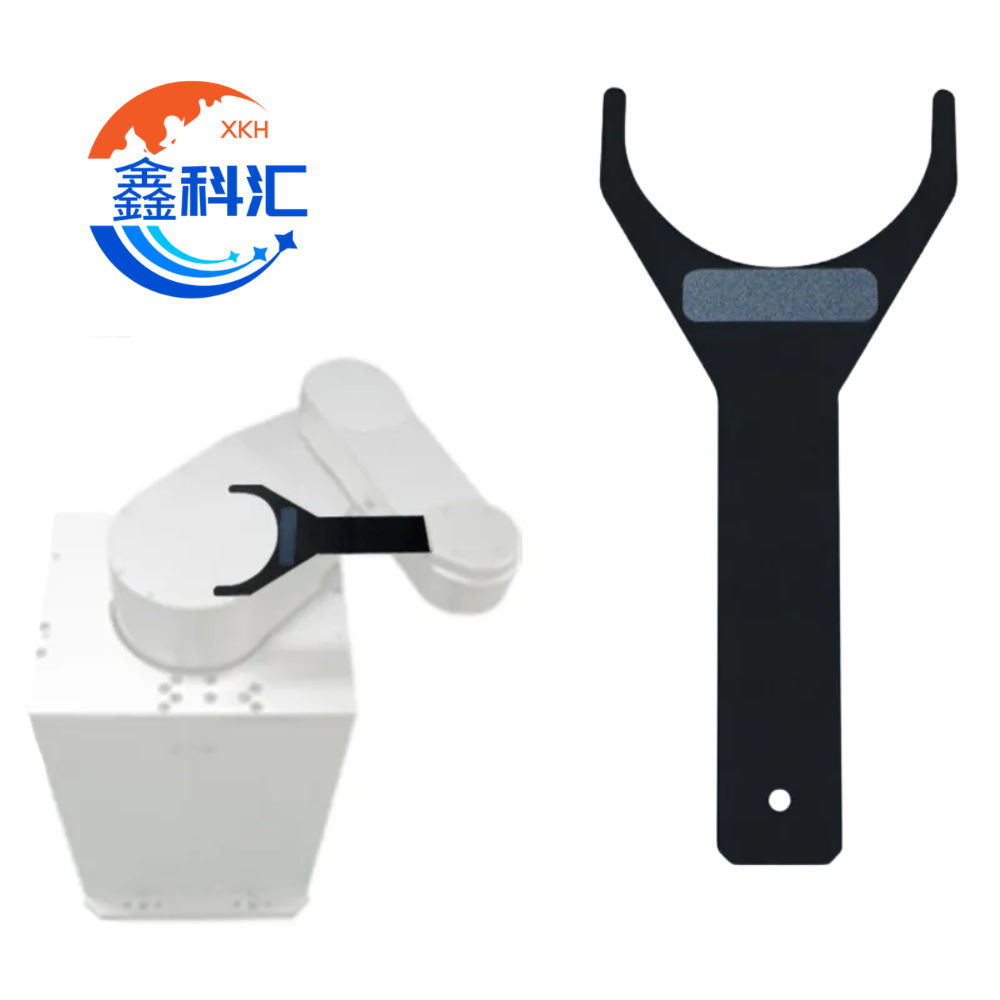
- Wafer handling arms
- Process chamber parts
These components must maintain dimensional stability while exposed to high heat and reactive gases.
Power Electronics
In power systems, heat management and insulation are key challenges.
Advanced ceramics are used in:
- Heat sinks
- Insulating substrates
- Power module bases
- High-voltage insulation parts
Materials like aluminum nitride and silicon carbide are especially important in this field.
Electronic Packaging and Substrates
Ceramics provide stable platforms for electronic circuits and chips.
Applications include:
- Ceramic substrates for IC packaging
- LED heat-dissipation boards
- RF and microwave components
Sensors and Precision Devices
Due to their stability and precision, ceramics are used in:
- Pressure sensors
- Temperature sensors
- Optical alignment components
- Precision structural parts
Why Silicon Carbide and Alumina Are Widely Used
Among all advanced ceramics, silicon carbide (SiC) and alumina (Al₂O₃) are the most widely used in electronics.
| Material | Key Advantage | Typical Applications |
|---|---|---|
| Alumina (Al₂O₃) | Cost-effective insulation | Substrates, insulators |
| Silicon Carbide (SiC) | High thermal conductivity | Semiconductor equipment |
| Zirconia (ZrO₂) | High strength and toughness | Precision components |
| Aluminum Nitride (AlN) | Excellent heat dissipation | Power electronics |
Alumina is widely used due to its balance of cost and performance, while SiC is preferred in high-performance thermal environments.
Benefits of Advanced Ceramics in Electronics
The use of advanced ceramics brings several system-level advantages:
1. Improved Device Reliability
Stable performance under heat, stress, and chemical exposure extends equipment lifespan.
2. Higher Power Density
Efficient heat management allows more compact and powerful electronic systems.
3. Enhanced Precision
Low thermal expansion ensures dimensional accuracy in semiconductor processes.
4. Reduced Maintenance Costs
Wear resistance and corrosion resistance reduce replacement frequency.
5. Compatibility with Harsh Environments
Ideal for vacuum, high-temperature, and chemically aggressive conditions.
Future Trends in Advanced Ceramics for Electronics
The demand for advanced ceramics is expected to grow due to:
- Expansion of electric vehicles (EVs)
- Development of 5G and high-frequency devices
- Increasing semiconductor wafer sizes (8-inch, 12-inch, and beyond)
- Growth of AI chips and high-performance computing
- Miniaturization of electronic systems
Materials like SiC and AlN are expected to play an even more important role in next-generation electronics.
Conclusion
Advanced ceramics have become indispensable in modern electronics due to their unique combination of electrical insulation, thermal stability, mechanical strength, and chemical resistance.
From semiconductor wafer boats to power electronics and precision sensors, these materials enable higher performance, greater reliability, and more compact device designs.
As electronic systems continue to evolve, advanced ceramics will remain a foundational material driving innovation across the industry.
FAQ
What advanced ceramic materials are most commonly used in electronics?
The most commonly used advanced ceramics in electronics include alumina (Al₂O₃), silicon carbide (SiC), aluminum nitride (AlN), zirconia (ZrO₂), and silicon nitride (Si₃N₄). Each material offers different advantages such as insulation, thermal conductivity, strength, or chemical resistance, depending on the application.
Why is silicon carbide preferred in semiconductor applications?
Silicon carbide (SiC) is widely used in semiconductor equipment because of its excellent thermal conductivity, high-temperature stability, and strong mechanical performance. It maintains structural integrity under harsh processing conditions, making it ideal for wafer boats, trays, and other high-temperature components.
Can advanced ceramic components be customized for specific electronic applications?
Yes. Advanced ceramic parts can be customized in terms of material selection, size, geometry, surface finish, and performance requirements. This is especially important in semiconductor and electronics manufacturing, where precision and application-specific design directly affect process efficiency and yield.