xinkehui

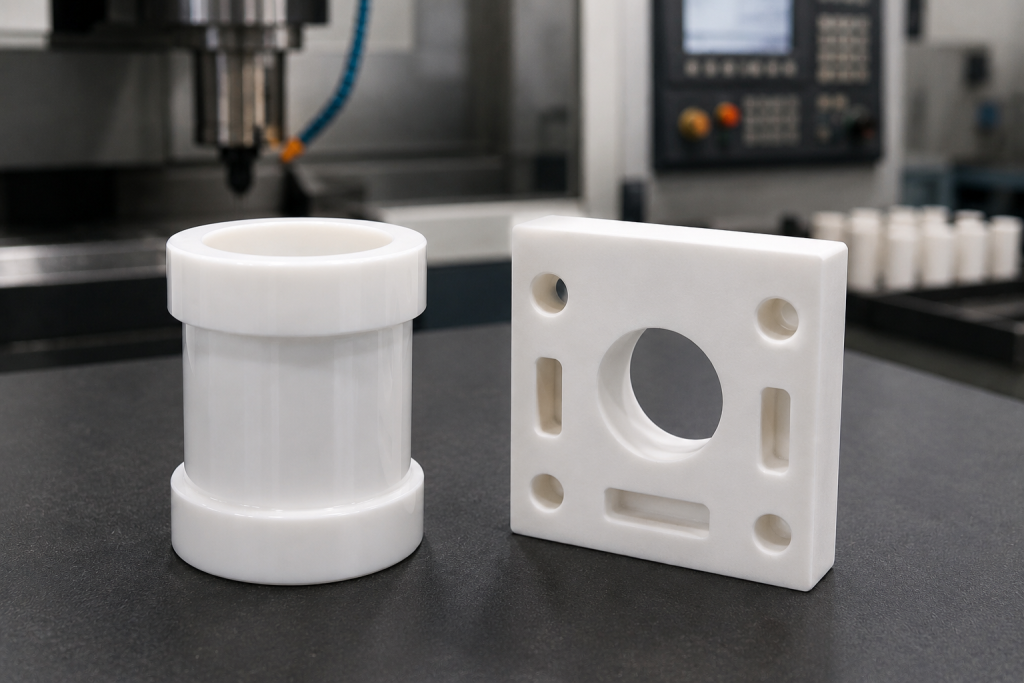
Zirconia so với Alumina: Loại vật liệu gốm nào phù hợp với ứng dụng của bạn?

Selecting the right technical ceramic material is critical for industrial applications where performance, durability, and cost directly affect productivity and long-term reliability. Among advanced engineering ceramics, Zirconia (ZrO₂) and Alumina (Al₂O₃) are two of the most widely used materials. Both materials offer exceptional hardness, wear resistance, and chemical stability. However, they differ significantly in toughness, […]

Zirconia so với Alumina: Loại vật liệu gốm nào phù hợp với ứng dụng của bạn? Đọc thêm »
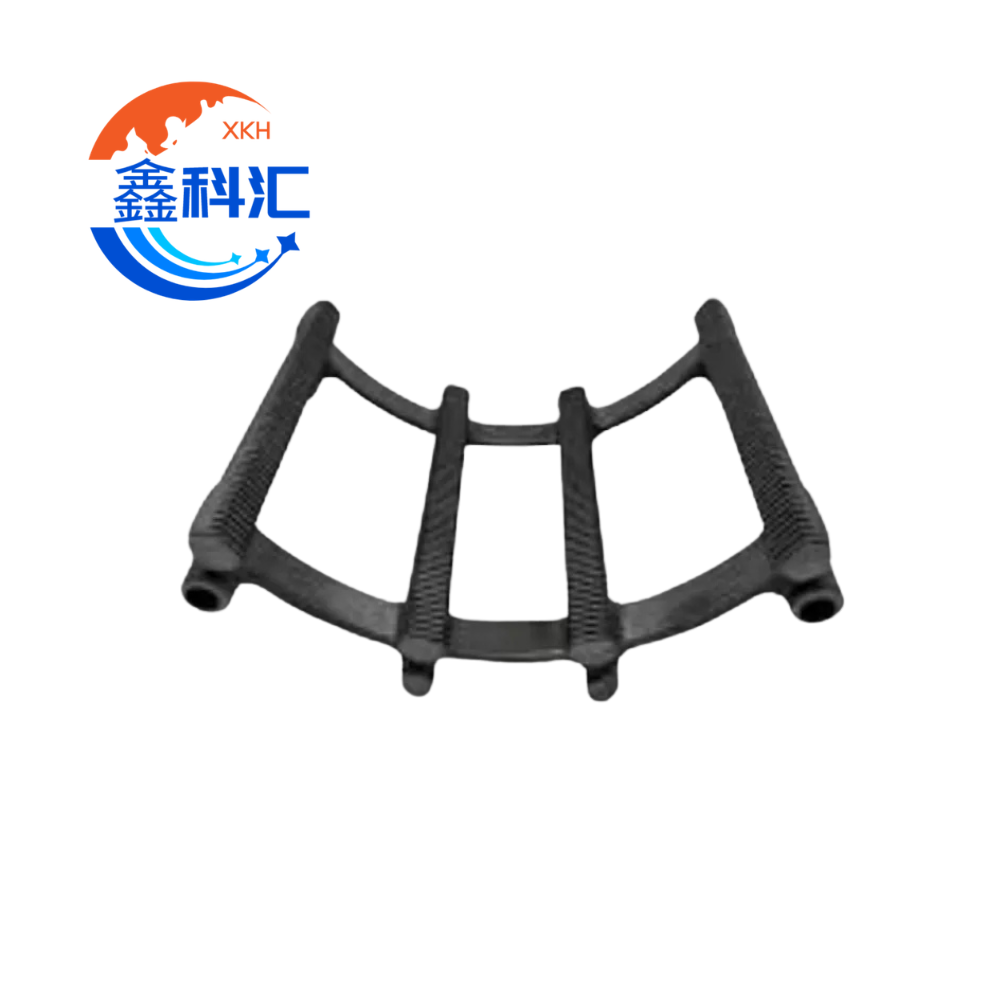
Khay đựng tấm wafer bằng cacbua silic so với khay đựng tấm wafer bằng thạch anh: Loại nào tốt hơn?

In semiconductor manufacturing, wafer handling components directly affect process stability, yield, and long-term operating cost. Among them, wafer boats play a critical role in transporting and supporting wafers during high-temperature diffusion, oxidation, epitaxy, and coating processes. Two of the most commonly used materials are Silicon Carbide (SiC) wafer boats and Quartz wafer boats. While both

Khay đựng tấm wafer bằng cacbua silic so với khay đựng tấm wafer bằng thạch anh: Loại nào tốt hơn? Đọc thêm »

Những thách thức trong sản xuất các bộ phận gốm có cấu trúc phức tạp cho thiết bị bán dẫn

Trong lĩnh vực sản xuất bán dẫn tiên tiến, các mô-đun quy trình quan trọng như khắc plasma, lắng đọng hơi hóa học (CVD) và cấy ion hoạt động trong môi trường khắc nghiệt, bao gồm plasma năng lượng cao, khí ăn mòn, điện áp cao và chu kỳ nhiệt thay đổi nhanh chóng. Những điều kiện này đặt ra những yêu cầu khắt khe đối với vật liệu kết cấu về độ ổn định điện môi, khả năng chống ăn mòn, khả năng tương thích nhiệt và độ tin cậy về kích thước trong dài hạn.

Những thách thức trong sản xuất các bộ phận gốm có cấu trúc phức tạp cho thiết bị bán dẫn Đọc thêm »

Gốm sứ cao cấp cải thiện hiệu suất thiết bị bán dẫn như thế nào

The semiconductor industry operates at the limits of precision engineering. Modern fabrication processes require extreme temperatures, highly reactive chemicals, plasma exposure, vacuum environments, and contamination control at microscopic scales. As integrated circuits continue advancing toward smaller process nodes and larger wafer sizes, equipment performance requirements become increasingly demanding. Under these conditions, material selection becomes a

Gốm sứ cao cấp cải thiện hiệu suất thiết bị bán dẫn như thế nào Đọc thêm »

Giải thích về gốm chức năng: Tổng quan khoa học về các vật liệu kỹ thuật tiên tiến

1. Introduction Functional ceramics are a class of inorganic, non-metallic materials designed not only for structural integrity but also for specific physical, chemical, electrical, optical, or thermal functions. Unlike traditional ceramics used mainly for bricks, tiles, or sanitary ware, functional ceramics are engineered at the microstructural level to deliver targeted performance in advanced technologies. They

Giải thích về gốm chức năng: Tổng quan khoa học về các vật liệu kỹ thuật tiên tiến Đọc thêm »

Ứng dụng của gốm xốp trong các ngành công nghiệp khác nhau

Porous ceramics are advanced ceramic materials characterized by interconnected pore structures or controlled porosity. Unlike dense ceramics, they combine mechanical stability with permeability, high surface area, thermal resistance, and excellent chemical durability. These unique properties make porous ceramics essential in a wide range of industrial applications, from environmental protection to energy systems and advanced manufacturing.

Ứng dụng của gốm xốp trong các ngành công nghiệp khác nhau Đọc thêm »

Vật liệu gốm tiên tiến trong thiết bị bán dẫn: Ứng dụng và so sánh vật liệu

In modern semiconductor manufacturing equipment, advanced ceramics are no longer optional components—they are critical enabling materials that determine precision, stability, and process reliability. From plasma etching chambers to wafer handling systems, different ceramic materials are selected based on thermal, electrical, and mechanical performance requirements. This article introduces the most widely used semiconductor-grade ceramics and provides

Vật liệu gốm tiên tiến trong thiết bị bán dẫn: Ứng dụng và so sánh vật liệu Đọc thêm »

Quản lý nhiệt hiệu suất cao: Tại sao tản nhiệt gốm alumina đang dần thay thế các giải pháp kim loại truyền thống

As electronic devices continue to evolve toward higher power density, efficient heat dissipation has become one of the most critical challenges in modern engineering. Traditional metal heat sinks such as aluminum and copper are no longer sufficient in applications requiring both electrical insulation and thermal stability. This is where the alumina ceramic heat sink (Al₂O₃)

Quản lý nhiệt hiệu suất cao: Tại sao tản nhiệt gốm alumina đang dần thay thế các giải pháp kim loại truyền thống Đọc thêm »

Gốm công nghiệp so với cacbua silic so với ngọc bích: Góc nhìn về cấu trúc và chức năng của vật liệu

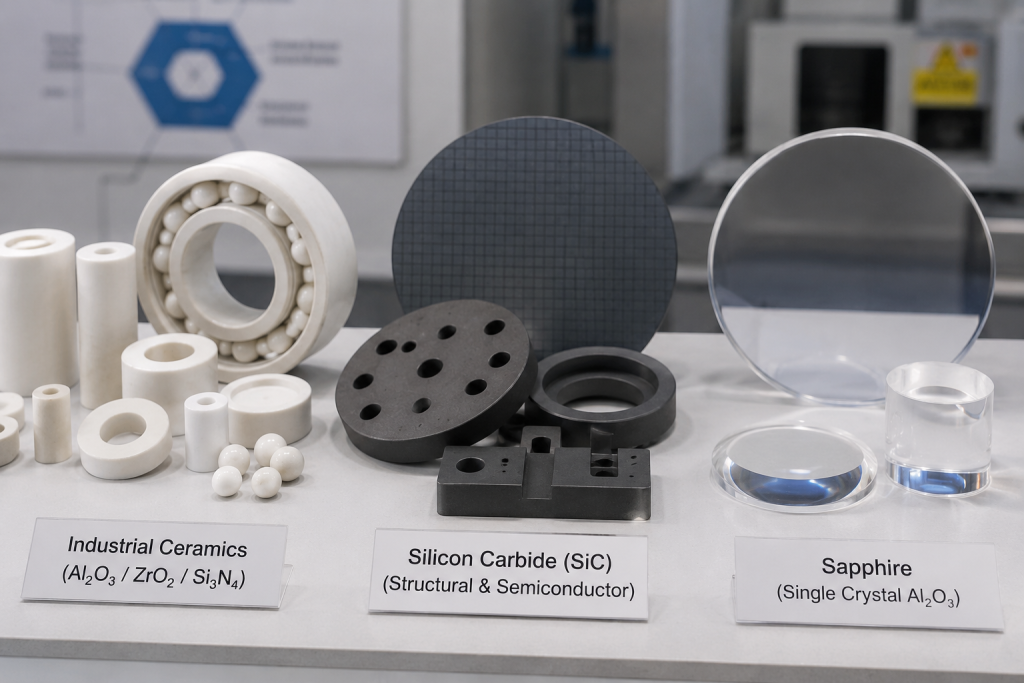
In advanced engineering industries such as semiconductors, precision machinery, and optical systems, industrial ceramics, silicon carbide (SiC), and sapphire are often compared as competing materials. However, this comparison is misleading if treated as a simple “which is better” question. A more accurate understanding is: These three materials represent three different material architectures, not just three

Gốm công nghiệp so với cacbua silic so với ngọc bích: Góc nhìn về cấu trúc và chức năng của vật liệu Đọc thêm »

Vòng bi gốm chính xác: Lựa chọn vật liệu và hiệu suất

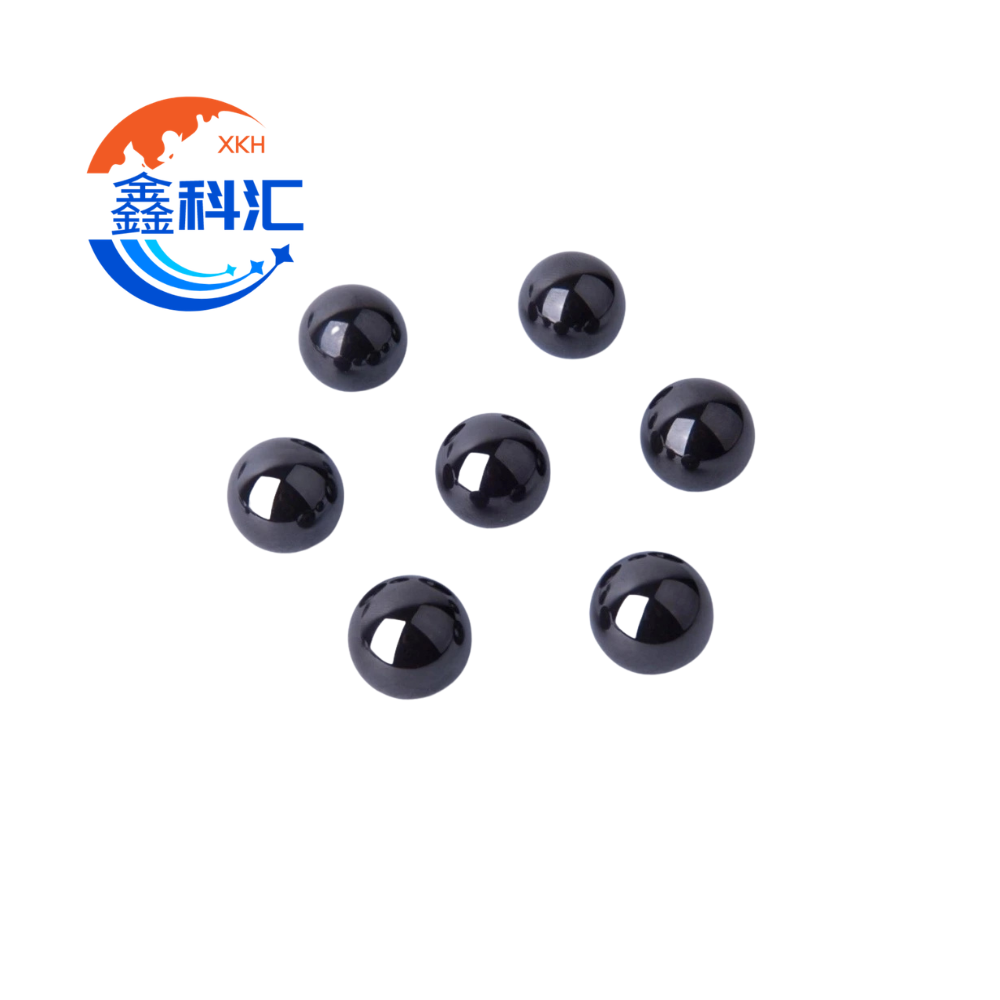
Precision ceramic balls are widely used in modern high-performance bearings where speed, reliability, and service life are critical. Compared with traditional steel balls, ceramic materials offer distinct advantages in friction reduction, wear resistance, and high-speed operation, making them essential components in aerospace, electric vehicles, precision machinery, and advanced manufacturing equipment. This article explains the main

Vòng bi gốm chính xác: Lựa chọn vật liệu và hiệu suất Đọc thêm »

Cách các bộ phận gốm zirconia giúp kéo dài tuổi thọ thiết bị

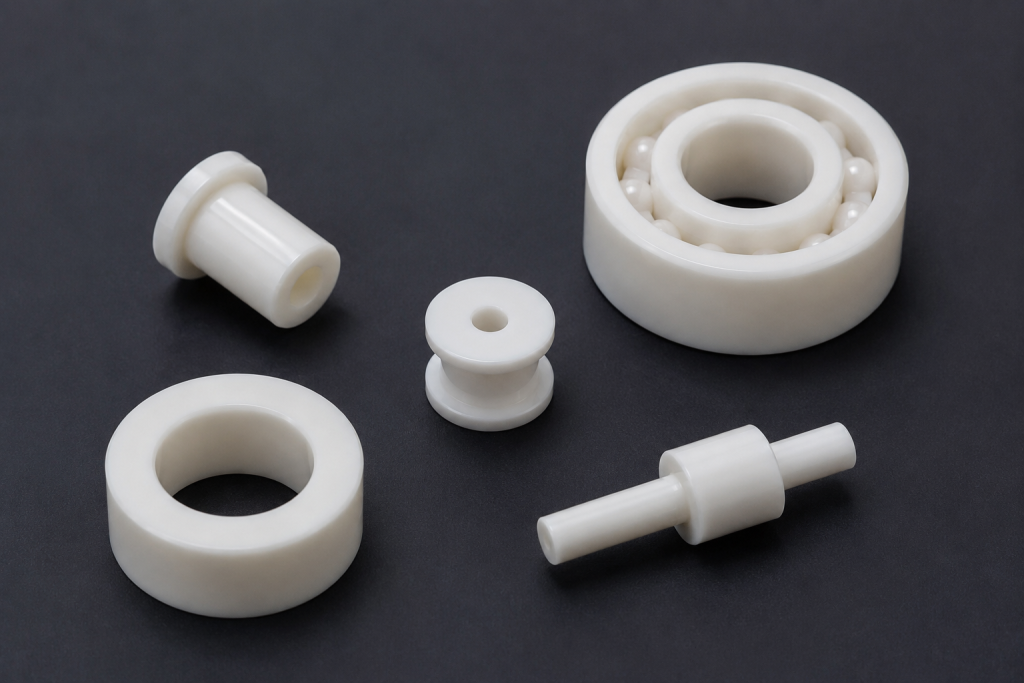
Modern industrial equipment operates under increasingly demanding conditions. Higher speeds, elevated temperatures, abrasive environments, and continuous operation place tremendous stress on machine components. As industries pursue greater efficiency and lower maintenance costs, material selection has become a critical factor affecting system reliability and service life. Among advanced engineering ceramics, zirconia ceramic (ZrO₂) has gained significant

Cách các bộ phận gốm zirconia giúp kéo dài tuổi thọ thiết bị Đọc thêm »

Zirconia so với Alumina: Loại vật liệu gốm nào có hiệu suất tốt hơn?

Advanced ceramics have become essential materials in industries requiring exceptional wear resistance, high strength, thermal stability, and chemical durability. Among the most widely used engineering ceramics, zirconia (ZrO₂) and alumina (Al₂O₃) stand out due to their broad industrial applications and excellent performance characteristics. However, engineers and purchasing teams often face a key question: Which ceramic

Zirconia so với Alumina: Loại vật liệu gốm nào có hiệu suất tốt hơn? Đọc thêm »