ซิงเค่อฮุ่ย

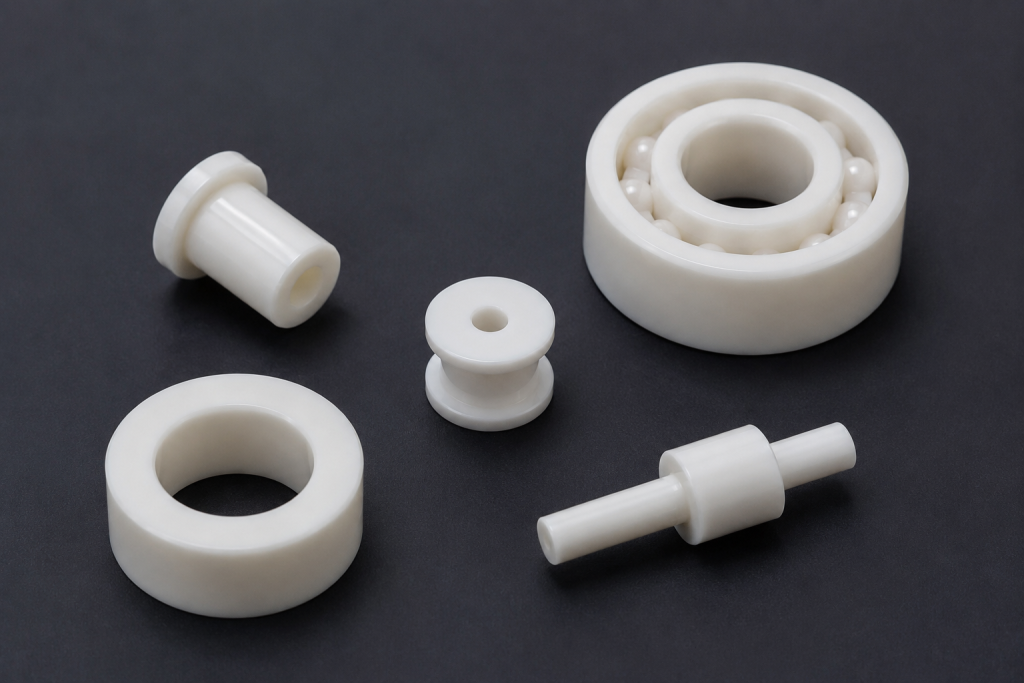
เซอร์โคเนีย vs อะลูมินา: วัสดุเซรามิกชนิดใดที่เหมาะกับการใช้งานของคุณ?

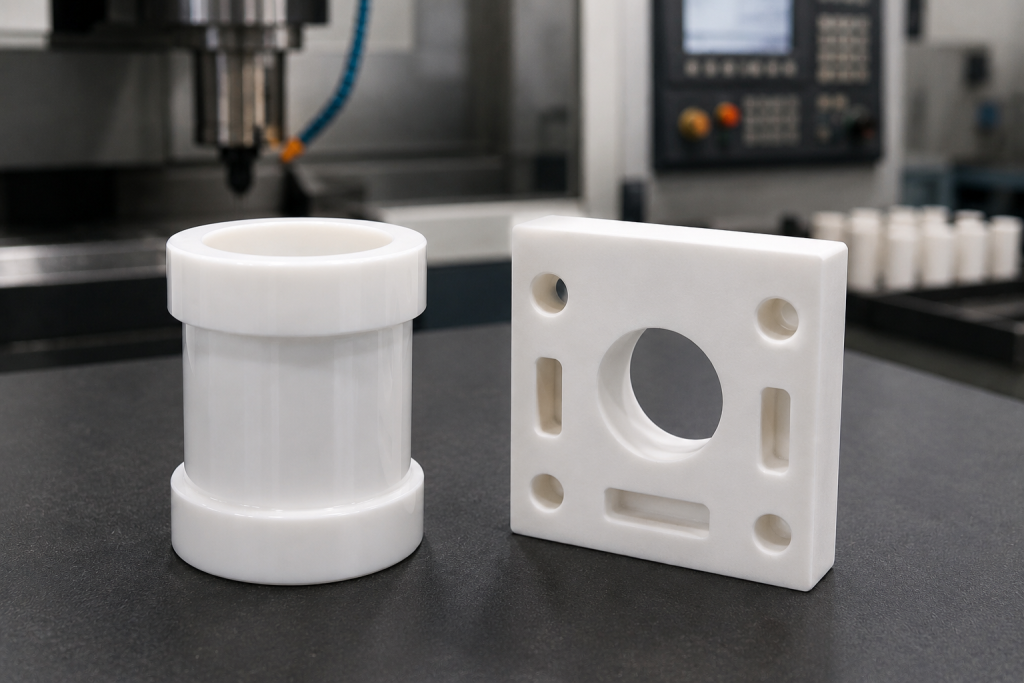
Selecting the right technical ceramic material is critical for industrial applications where performance, durability, and cost directly affect productivity and long-term reliability. Among advanced engineering ceramics, Zirconia (ZrO₂) and Alumina (Al₂O₃) are two of the most widely used materials. Both materials offer exceptional hardness, wear resistance, and chemical stability. However, they differ significantly in toughness, […]

เซอร์โคเนีย vs อะลูมินา: วัสดุเซรามิกชนิดใดที่เหมาะกับการใช้งานของคุณ? Read More »
เรือเวเฟอร์ซิลิคอนคาร์ไบด์ vs เรือเวเฟอร์ควอตซ์: อันไหนดีกว่า?

In semiconductor manufacturing, wafer handling components directly affect process stability, yield, and long-term operating cost. Among them, wafer boats play a critical role in transporting and supporting wafers during high-temperature diffusion, oxidation, epitaxy, and coating processes. Two of the most commonly used materials are Silicon Carbide (SiC) wafer boats and Quartz wafer boats. While both

เรือเวเฟอร์ซิลิคอนคาร์ไบด์ vs เรือเวเฟอร์ควอตซ์: อันไหนดีกว่า? Read More »

ความท้าทายในการผลิตชิ้นส่วนเซรามิกที่มีโครงสร้างซับซ้อนสำหรับอุปกรณ์เซมิคอนดักเตอร์

ในการผลิตเซมิคอนดักเตอร์ขั้นสูง โมดูลกระบวนการสำคัญ เช่น การกัดด้วยพลาสมา การเคลือบด้วยไอเคมี (CVD) และการฝังไอออน ทำงานภายใต้สภาพแวดล้อมที่รุนแรงซึ่งเกี่ยวข้องกับพลาสมาพลังงานสูง ก๊าซกัดกร่อน แรงดันไฟฟ้าสูง และการเปลี่ยนแปลงอุณหภูมิอย่างรวดเร็ว สภาวะเหล่านี้กำหนดข้อกำหนดที่เข้มงวดต่อวัสดุโครงสร้างในด้านเสถียรภาพของไดอิเล็กตริก ความต้านทานการกัดกร่อน ความเข้ากันได้ทางความร้อน และความน่าเชื่อถือของมิติในระยะยาว.

ความท้าทายในการผลิตชิ้นส่วนเซรามิกที่มีโครงสร้างซับซ้อนสำหรับอุปกรณ์เซมิคอนดักเตอร์ Read More »

เซรามิกขั้นสูงช่วยปรับปรุงประสิทธิภาพของอุปกรณ์เซมิคอนดักเตอร์อย่างไร

The semiconductor industry operates at the limits of precision engineering. Modern fabrication processes require extreme temperatures, highly reactive chemicals, plasma exposure, vacuum environments, and contamination control at microscopic scales. As integrated circuits continue advancing toward smaller process nodes and larger wafer sizes, equipment performance requirements become increasingly demanding. Under these conditions, material selection becomes a

เซรามิกขั้นสูงช่วยปรับปรุงประสิทธิภาพของอุปกรณ์เซมิคอนดักเตอร์อย่างไร Read More »

เครื่องปั้นดินเผาที่มีฟังก์ชันการใช้งาน: ภาพรวมทางวิทยาศาสตร์ของวัสดุวิศวกรรมขั้นสูง

1. Introduction Functional ceramics are a class of inorganic, non-metallic materials designed not only for structural integrity but also for specific physical, chemical, electrical, optical, or thermal functions. Unlike traditional ceramics used mainly for bricks, tiles, or sanitary ware, functional ceramics are engineered at the microstructural level to deliver targeted performance in advanced technologies. They

เครื่องปั้นดินเผาที่มีฟังก์ชันการใช้งาน: ภาพรวมทางวิทยาศาสตร์ของวัสดุวิศวกรรมขั้นสูง Read More »

การประยุกต์ใช้เซรามิกส์พรุนในอุตสาหกรรมต่าง ๆ

Porous ceramics are advanced ceramic materials characterized by interconnected pore structures or controlled porosity. Unlike dense ceramics, they combine mechanical stability with permeability, high surface area, thermal resistance, and excellent chemical durability. These unique properties make porous ceramics essential in a wide range of industrial applications, from environmental protection to energy systems and advanced manufacturing.

การประยุกต์ใช้เซรามิกส์พรุนในอุตสาหกรรมต่าง ๆ Read More »

วัสดุเซรามิกขั้นสูงในอุปกรณ์เซมิคอนดักเตอร์: การประยุกต์ใช้และการเปรียบเทียบวัสดุ

In modern semiconductor manufacturing equipment, advanced ceramics are no longer optional components—they are critical enabling materials that determine precision, stability, and process reliability. From plasma etching chambers to wafer handling systems, different ceramic materials are selected based on thermal, electrical, and mechanical performance requirements. This article introduces the most widely used semiconductor-grade ceramics and provides

วัสดุเซรามิกขั้นสูงในอุปกรณ์เซมิคอนดักเตอร์: การประยุกต์ใช้และการเปรียบเทียบวัสดุ Read More »

การจัดการความร้อนประสิทธิภาพสูง: เหตุผลที่ฮีตซิงค์เซรามิกอะลูมินากำลังแทนที่โซลูชันโลหะแบบดั้งเดิม

As electronic devices continue to evolve toward higher power density, efficient heat dissipation has become one of the most critical challenges in modern engineering. Traditional metal heat sinks such as aluminum and copper are no longer sufficient in applications requiring both electrical insulation and thermal stability. This is where the alumina ceramic heat sink (Al₂O₃)

การจัดการความร้อนประสิทธิภาพสูง: เหตุผลที่ฮีตซิงค์เซรามิกอะลูมินากำลังแทนที่โซลูชันโลหะแบบดั้งเดิม Read More »

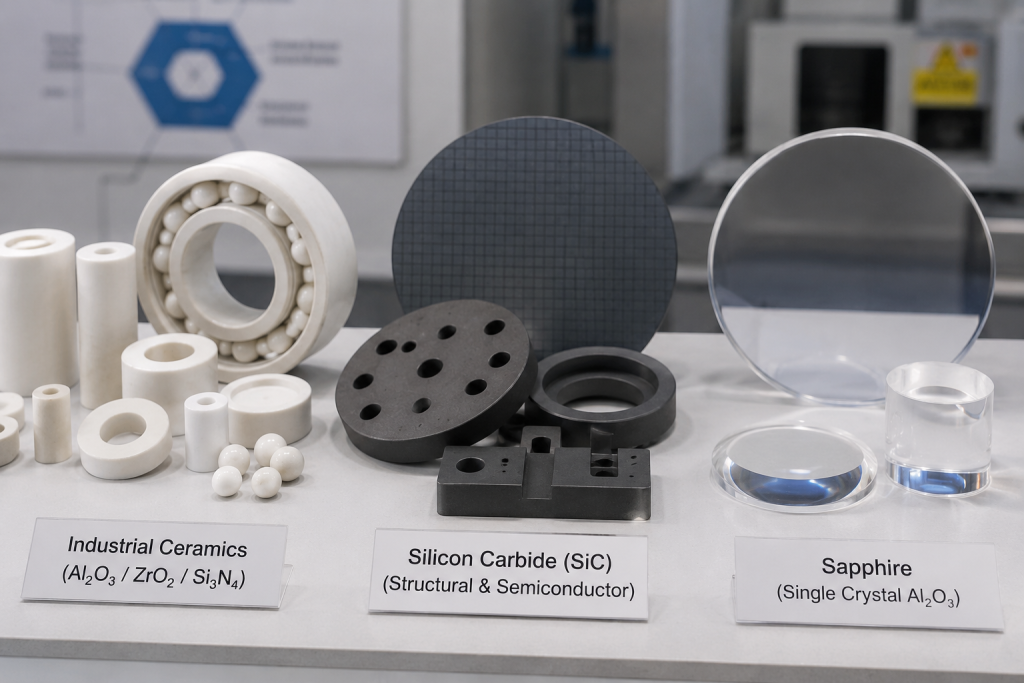
เซรามิกอุตสาหกรรม vs ซิลิคอนคาร์ไบด์ vs ไพลิน: มุมมองด้านโครงสร้างและวัสดุเชิงหน้าที่

In advanced engineering industries such as semiconductors, precision machinery, and optical systems, industrial ceramics, silicon carbide (SiC), and sapphire are often compared as competing materials. However, this comparison is misleading if treated as a simple “which is better” question. A more accurate understanding is: These three materials represent three different material architectures, not just three

เซรามิกอุตสาหกรรม vs ซิลิคอนคาร์ไบด์ vs ไพลิน: มุมมองด้านโครงสร้างและวัสดุเชิงหน้าที่ Read More »

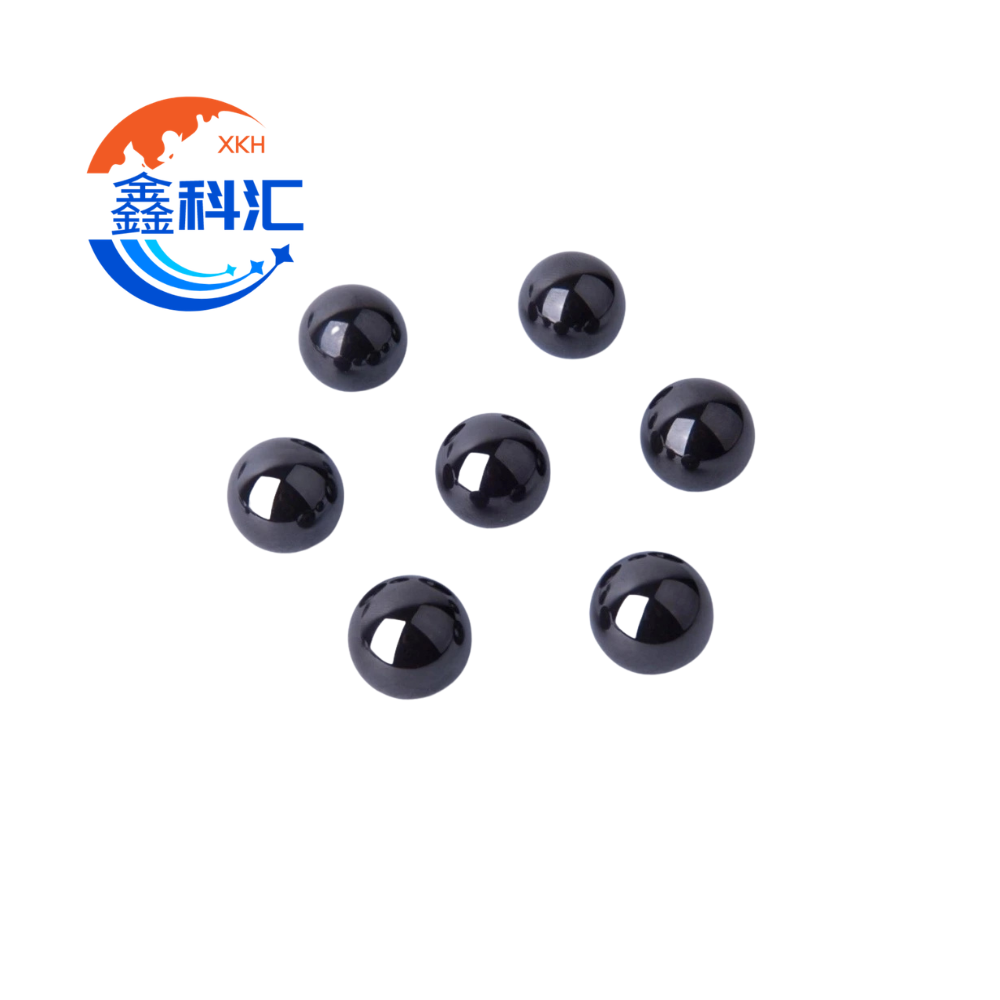
ลูกบอลเซรามิกความแม่นยำสูงสำหรับตลับลูกปืน: การเลือกวัสดุและประสิทธิภาพ

Precision ceramic balls are widely used in modern high-performance bearings where speed, reliability, and service life are critical. Compared with traditional steel balls, ceramic materials offer distinct advantages in friction reduction, wear resistance, and high-speed operation, making them essential components in aerospace, electric vehicles, precision machinery, and advanced manufacturing equipment. This article explains the main

ลูกบอลเซรามิกความแม่นยำสูงสำหรับตลับลูกปืน: การเลือกวัสดุและประสิทธิภาพ Read More »

วิธีที่ชิ้นส่วนเซรามิกเซอร์โคเนียช่วยยืดอายุการใช้งานของอุปกรณ์

Modern industrial equipment operates under increasingly demanding conditions. Higher speeds, elevated temperatures, abrasive environments, and continuous operation place tremendous stress on machine components. As industries pursue greater efficiency and lower maintenance costs, material selection has become a critical factor affecting system reliability and service life. Among advanced engineering ceramics, zirconia ceramic (ZrO₂) has gained significant

วิธีที่ชิ้นส่วนเซรามิกเซอร์โคเนียช่วยยืดอายุการใช้งานของอุปกรณ์ Read More »

เซอร์โคเนีย vs อะลูมินา: วัสดุเซรามิกชนิดใดมีประสิทธิภาพดีกว่า?

Advanced ceramics have become essential materials in industries requiring exceptional wear resistance, high strength, thermal stability, and chemical durability. Among the most widely used engineering ceramics, zirconia (ZrO₂) and alumina (Al₂O₃) stand out due to their broad industrial applications and excellent performance characteristics. However, engineers and purchasing teams often face a key question: Which ceramic

เซอร์โคเนีย vs อะลูมินา: วัสดุเซรามิกชนิดใดมีประสิทธิภาพดีกว่า? Read More »