xinkehui

Graphene và hBN: Sự kết hợp quan trọng nhất trong lĩnh vực điện tử 2D

In the rapidly evolving field of two-dimensional (2D) materials, few material combinations have had as profound an impact as graphene and hexagonal boron nitride (hBN). While graphene is celebrated for its extraordinary electrical, mechanical, and thermal properties, its full potential can only be realized when paired with an equally remarkable companion: high-quality hBN single crystals. […]

Graphene và hBN: Sự kết hợp quan trọng nhất trong lĩnh vực điện tử 2D Đọc thêm »
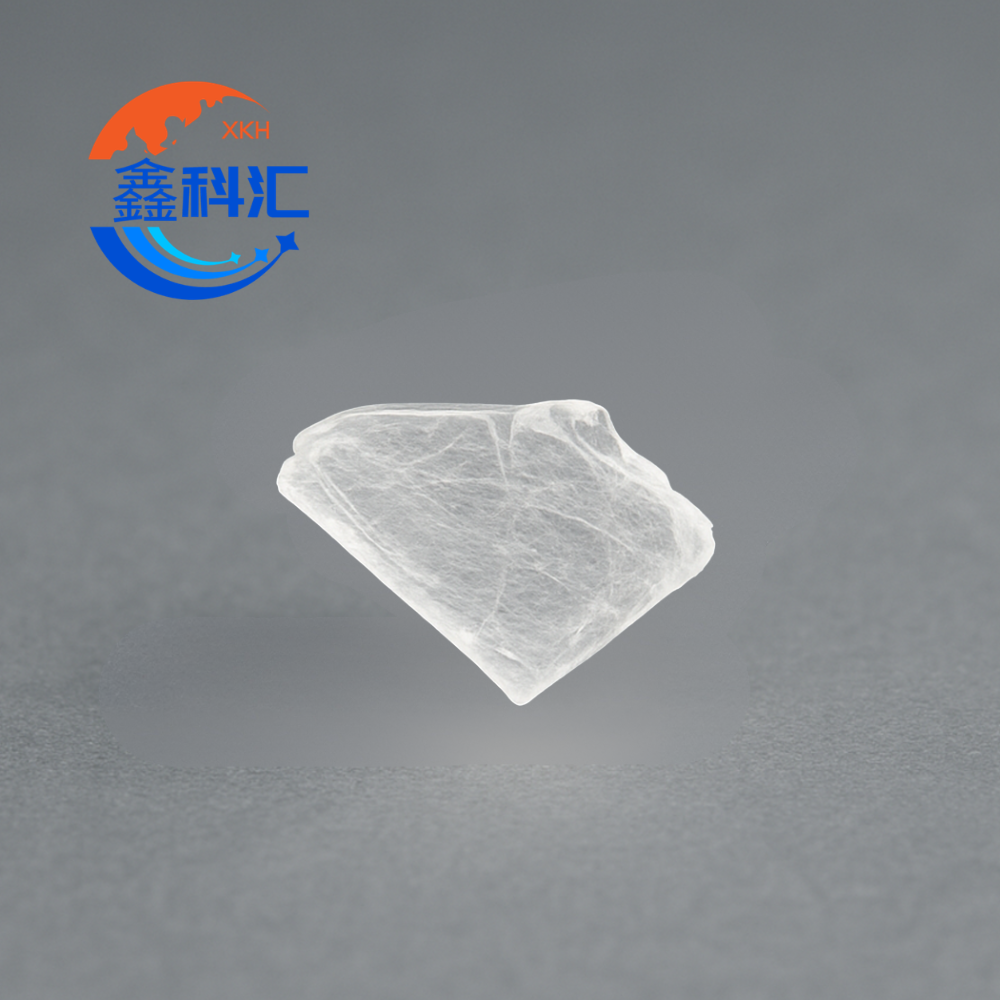
Tại sao các thiết bị graphene có độ di động cao lại phụ thuộc vào tinh thể đơn hBN

Graphene is widely regarded as one of the most remarkable materials ever discovered. Its exceptional electrical conductivity, mechanical strength, and atomic thickness have opened new possibilities in nanoelectronics, sensing, and quantum technologies. However, one of the most important discoveries in graphene research is that its performance is not solely determined by graphene itself—but critically depends

Tại sao các thiết bị graphene có độ di động cao lại phụ thuộc vào tinh thể đơn hBN Đọc thêm »

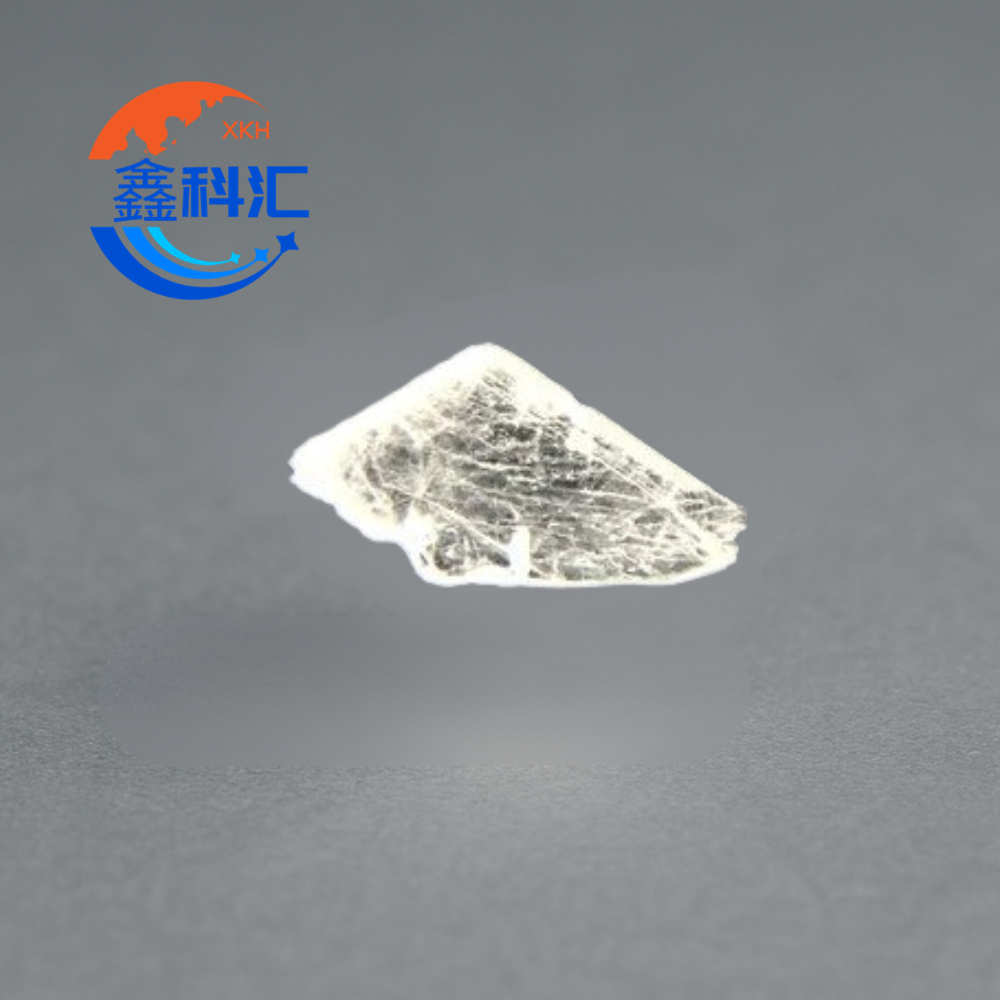
Tinh thể đơn hBN cấp thiết bị là gì và tại sao nó lại quan trọng đối với ngành điện tử tiên tiến?

As the fields of two-dimensional (2D) materials, quantum devices, and next-generation semiconductors continue to evolve, one material has emerged as a critical foundation for many of the most promising technological breakthroughs: Device-Grade Hexagonal Boron Nitride (hBN) Single Crystal. Often referred to as the “ideal companion” to graphene, high-quality hBN has become indispensable in the fabrication

Tinh thể đơn hBN cấp thiết bị là gì và tại sao nó lại quan trọng đối với ngành điện tử tiên tiến? Đọc thêm »

Gốm bán dẫn: Vật liệu tiên tiến thúc đẩy sự phát triển của ngành điện tử hiện đại

As semiconductor devices continue to become smaller, faster, and more powerful, the materials used in semiconductor manufacturing equipment must meet increasingly demanding performance requirements. Traditional metals and polymers often struggle to withstand extreme temperatures, corrosive chemicals, plasma environments, and ultra-clean processing conditions. This is where semiconductor ceramics play a critical role. Advanced ceramic materials combine

Gốm bán dẫn: Vật liệu tiên tiến thúc đẩy sự phát triển của ngành điện tử hiện đại Đọc thêm »

Tại sao gốm cacbua silic lại có khả năng chống mài mòn và chống ăn mòn vượt trội

Advanced ceramic materials have become increasingly important in industries that demand exceptional durability, chemical stability, and long service life. Among these materials, silicon carbide (SiC) ceramics have gained widespread recognition for their outstanding wear resistance and corrosion resistance. As a result, silicon carbide components are widely used in semiconductor manufacturing, chemical processing, energy production, mining,

Tại sao gốm cacbua silic lại có khả năng chống mài mòn và chống ăn mòn vượt trội Đọc thêm »

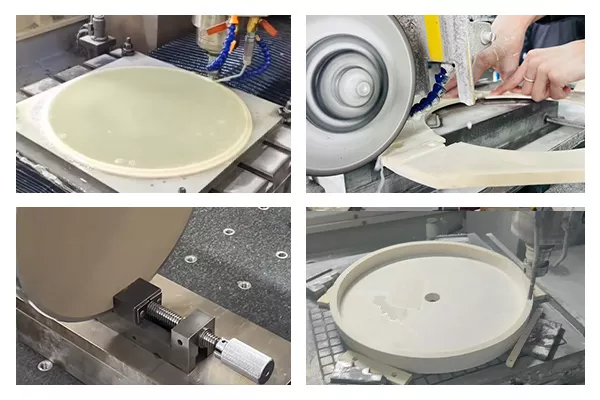
Quy trình sản xuất linh kiện gốm bán dẫn: Từ bột thô đến các bộ phận chính xác

Modern semiconductor manufacturing relies heavily on advanced equipment such as etching systems, lithography machines, ion implantation tools, and deposition equipment. Inside these systems, numerous ceramic components play critical roles in ensuring process stability, precision, and reliability. Thanks to their exceptional high-temperature resistance, corrosion resistance, mechanical strength, dimensional stability, and electrical properties, advanced ceramic components are

Quy trình sản xuất linh kiện gốm bán dẫn: Từ bột thô đến các bộ phận chính xác Đọc thêm »

Các bộ phận làm từ zirconia có độ tinh khiết cao dành cho các ứng dụng công nghiệp chính xác

High purity zirconia parts are widely used in industries that demand exceptional wear resistance, corrosion resistance, dimensional stability, and mechanical strength. Compared with traditional metal materials and standard industrial ceramics, zirconia ceramics offer a unique combination of toughness and precision, making them suitable for advanced industrial systems. Today, high purity zirconia components are commonly found

Các bộ phận làm từ zirconia có độ tinh khiết cao dành cho các ứng dụng công nghiệp chính xác Đọc thêm »

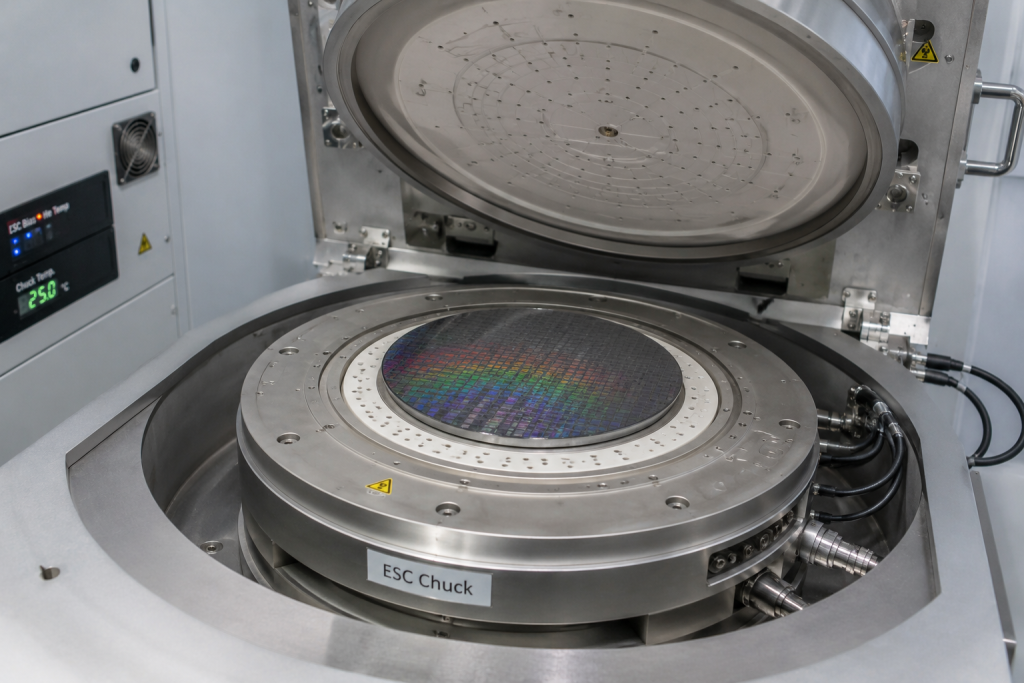
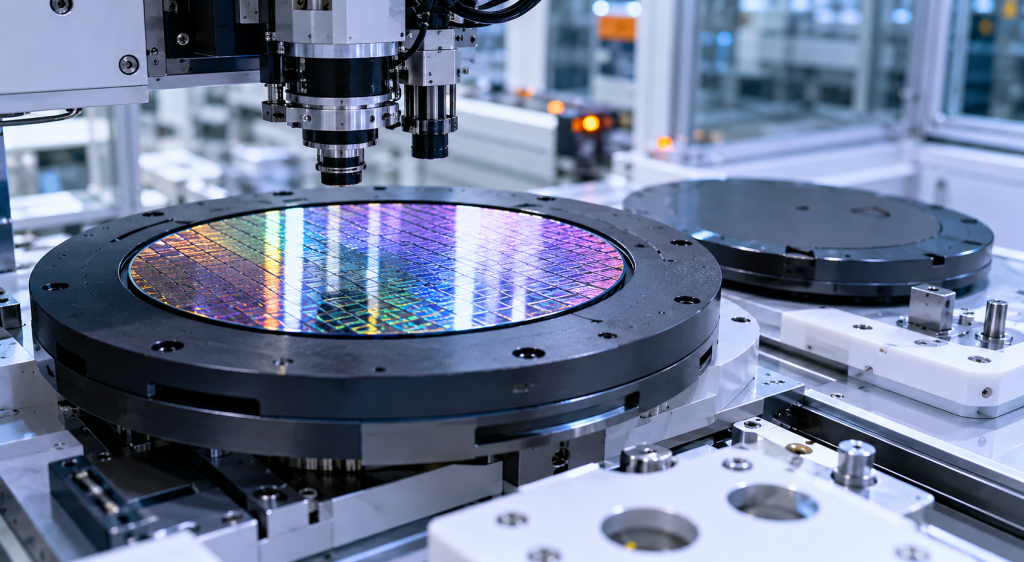
Đế kẹp tĩnh điện so với đế kẹp chân không: Công nghệ kẹp wafer nào phù hợp hơn cho sản xuất bán dẫn?

In semiconductor manufacturing, wafer positioning and fixation are fundamental requirements for achieving process precision and yield stability. During etching, deposition, lithography, inspection, and plasma processing, silicon wafers must remain securely held while maintaining minimal contamination and excellent thermal uniformity. As device structures continue shrinking and wafer sizes continue increasing, traditional holding methods face growing challenges.

Đế kẹp tĩnh điện so với đế kẹp chân không: Công nghệ kẹp wafer nào phù hợp hơn cho sản xuất bán dẫn? Đọc thêm »

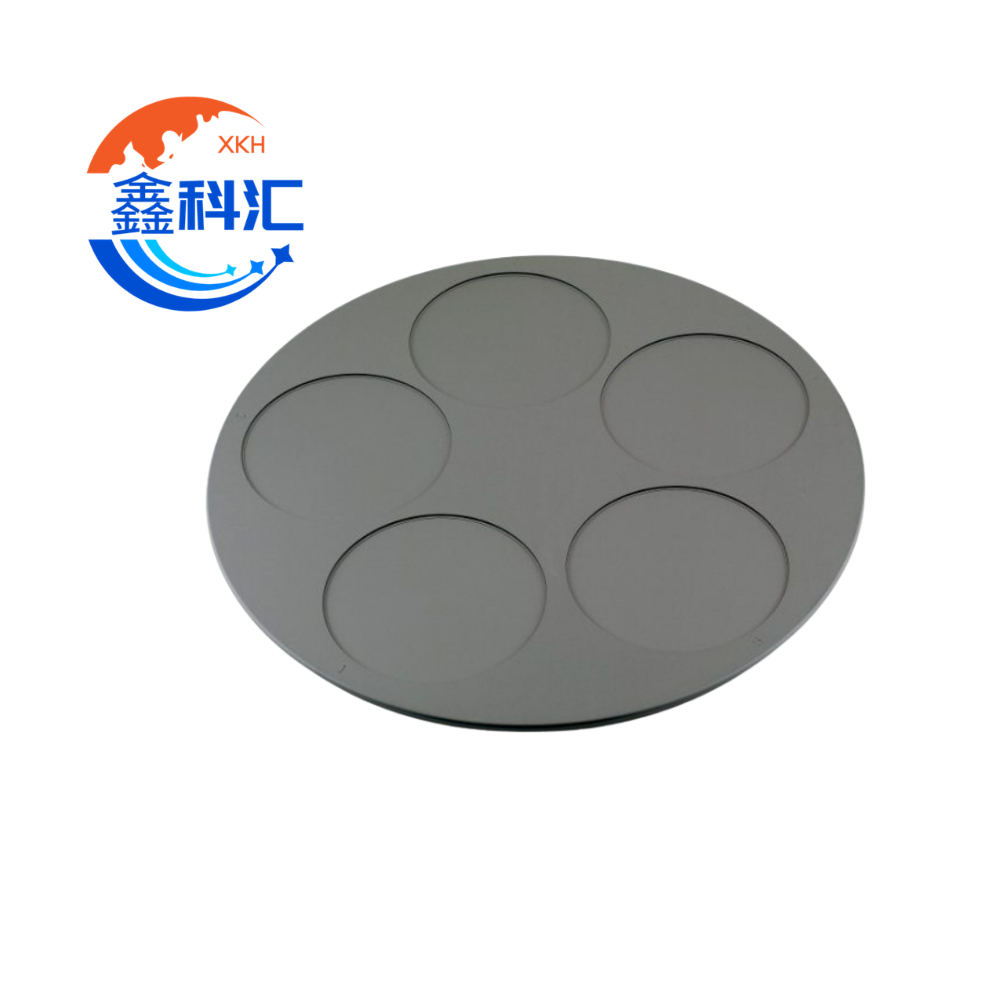
Tại sao khay cacbua silic đang dần thay thế các khay đựng wafer truyền thống

As semiconductor manufacturing continues moving toward larger wafer sizes, higher process temperatures, and stricter contamination standards, conventional wafer carrier materials are increasingly reaching their performance limits. Components that once met process requirements are now facing challenges involving thermal deformation, particle generation, and shorter service life. Among advanced ceramic materials, silicon carbide (SiC) trays have emerged

Tại sao khay cacbua silic đang dần thay thế các khay đựng wafer truyền thống Đọc thêm »

Tản nhiệt gốm so với bộ tản nhiệt gốm: Những điểm khác biệt chính và vai trò kỹ thuật

In high-power electronics, semiconductor packaging, LED systems, and RF devices, thermal management is one of the most critical factors affecting performance and reliability. As power density continues to increase, two terms are frequently used: Ceramic Heatsink and Ceramic Heat Spreader. Although they sound similar, they serve very different roles in a thermal system. In simple

Tản nhiệt gốm so với bộ tản nhiệt gốm: Những điểm khác biệt chính và vai trò kỹ thuật Đọc thêm »

Từ công nghệ in thạch bản đến sản xuất tấm wafer: Làm thế nào gốm cacbua silic đang thúc đẩy thị trường bán dẫn trị giá hàng tỷ đô la

When people think about the semiconductor industry, they usually focus on chips, wafers, or advanced process nodes. However, behind every semiconductor breakthrough lies a less visible but equally critical foundation: advanced materials. As semiconductor manufacturing continues to pursue higher precision, smaller geometries, and faster production speeds, equipment performance requirements are becoming increasingly demanding. This shift

Từ công nghệ in thạch bản đến sản xuất tấm wafer: Làm thế nào gốm cacbua silic đang thúc đẩy thị trường bán dẫn trị giá hàng tỷ đô la Đọc thêm »

Tại sao gốm sứ cao cấp lại quan trọng trong lĩnh vực điện tử? Tính chất, ứng dụng và lợi ích

The electronics industry is evolving toward higher power density, smaller device sizes, and more demanding operating environments. From semiconductor fabrication to power electronics and precision sensors, materials are expected to deliver stability under heat, prevent electrical interference, and maintain dimensional accuracy over long service periods. This is where advanced ceramics play a critical role. Materials

Tại sao gốm sứ cao cấp lại quan trọng trong lĩnh vực điện tử? Tính chất, ứng dụng và lợi ích Đọc thêm »