As industrial equipment continues to evolve toward higher precision, higher temperatures, and more demanding operating conditions, conventional materials such as metals and standard ceramics are increasingly reaching their performance limits.
Wear, thermal deformation, chemical corrosion, particle contamination, and electrical instability can all negatively impact manufacturing efficiency, product quality, and equipment lifespan.
Among advanced engineering materials, Silicon Carbide (SiC) ceramics have emerged as one of the most important solutions for addressing these challenges. Thanks to their exceptional combination of mechanical, thermal, chemical, and electrical properties, SiC ceramics are widely used in semiconductor manufacturing, industrial processing, energy systems, chemical equipment, and precision machinery.
But what makes silicon carbide so special, and why has it become a preferred material for many high-performance applications?
What Is Silicon Carbide Ceramic?
Silicon carbide is a compound composed of silicon (Si) and carbon (C) atoms bonded through strong covalent bonds.
Unlike conventional ceramics, silicon carbide belongs to the family of advanced structural ceramics designed for extreme operating environments.
Its crystal structure provides outstanding hardness, excellent thermal conductivity, superior wear resistance, and remarkable chemical stability.
As a result, silicon carbide is often selected when conventional metals, polymers, or oxide ceramics cannot meet performance requirements.
Key Properties of Silicon Carbide Ceramics
1. Exceptional Hardness
Silicon carbide is one of the hardest engineering materials available.
Advantages
- Mohs hardness approximately 9.2–9.5
- Excellent abrasion resistance
- Minimal wear under continuous friction
- Long service life
Typical Applications
- Mechanical seals
- Wear rings
- Nozzles
- Pump components
- Abrasive handling equipment
Its hardness is surpassed only by a few materials such as diamond and cubic boron nitride.
2. Outstanding Thermal Conductivity
Unlike many ceramic materials, silicon carbide conducts heat efficiently.
Benefits
- Rapid heat dissipation
- Improved thermal management
- Reduced thermal stress
- Enhanced system reliability
Applications
- Heat spreaders
- Semiconductor processing components
- Thermal management systems
- High-temperature fixtures
This characteristic is particularly valuable in modern electronics and semiconductor manufacturing.
3. High Temperature Resistance
Silicon carbide maintains excellent mechanical strength even at elevated temperatures.
Key Features
- Excellent dimensional stability
- Low thermal expansion
- High thermal shock resistance
- Resistance to temperature cycling
Applications
- Furnace components
- Kiln furniture
- Heat exchangers
- High-temperature reactors
Its ability to withstand sudden temperature changes makes it suitable for demanding thermal environments.
4. Excellent Chemical Stability
Many industrial processes expose equipment to corrosive chemicals.
Silicon carbide exhibits exceptional resistance to:
- Acids
- Alkalis
- Oxidizing environments
- Aggressive chemical media
Applications
- Chemical processing equipment
- Etching systems
- Corrosion-resistant liners
- Fluid handling systems
This chemical durability helps extend equipment service life while reducing maintenance costs.
5. Tunable Electrical Properties
One unique advantage of silicon carbide is the ability to tailor its electrical behavior.
Depending on composition and processing methods, SiC ceramics can be manufactured as:
- Electrically insulating materials
- Semiconductive materials
- Conductive materials
This flexibility allows engineers to optimize components for specific applications.
Examples
- Electrostatic control devices
- Plasma processing equipment
- Semiconductor manufacturing tools
- Electrical insulation components
6. High Purity and Low Particle Generation
In advanced manufacturing industries, contamination control is critical.
High-purity silicon carbide ceramics offer:
- Extremely low impurity levels
- Minimal particle generation
- Excellent cleanliness
- Reduced process contamination
These characteristics are particularly important in semiconductor and precision optics manufacturing.
How Silicon Carbide Ceramics Are Manufactured
The performance of a silicon carbide component depends not only on the material itself but also on the manufacturing process.
Step 1: High-Purity Powder Preparation
Production begins with carefully controlled silicon carbide powders.
Particle size distribution, purity, and granulation quality significantly influence the final ceramic structure.
Step 2: Forming
The powder is shaped into a green body using methods such as:
- Dry pressing
- Cold isostatic pressing (CIP)
- Injection molding
Uniform density during this stage is essential for dimensional accuracy after sintering.
Step 3: Sintering
Sintering is the most critical step in determining final performance.
The primary objective is to create:
- High density
- Fine grain structures
- Low porosity
- Strong crystal bonding
Several sintering technologies are commonly used:
| Sintering Method | Density | Cost | Typical Applications |
|---|---|---|---|
| Reaction Bonded SiC (RBSC) | Medium | Lower | Large complex structures |
| Pressureless Sintered SiC (SSiC) | High | Moderate | Wear and corrosion resistant parts |
| Hot Pressed / HIP SiC | Very High | Higher | Aerospace and ultra-high-performance applications |
The resulting microstructure strongly influences strength, wear resistance, and reliability.
Step 4: Precision Machining
Because silicon carbide is extremely hard, machining requires advanced grinding and polishing technologies.
Precision machining can achieve:
- Micron-level tolerances
- Excellent flatness
- High parallelism
- Superior surface finish
These capabilities are critical for semiconductor and precision engineering applications.
Major Industrial Applications of Silicon Carbide Ceramics
Semiconductor Manufacturing
One of the fastest-growing applications for silicon carbide ceramics is semiconductor processing equipment.
Typical components include:
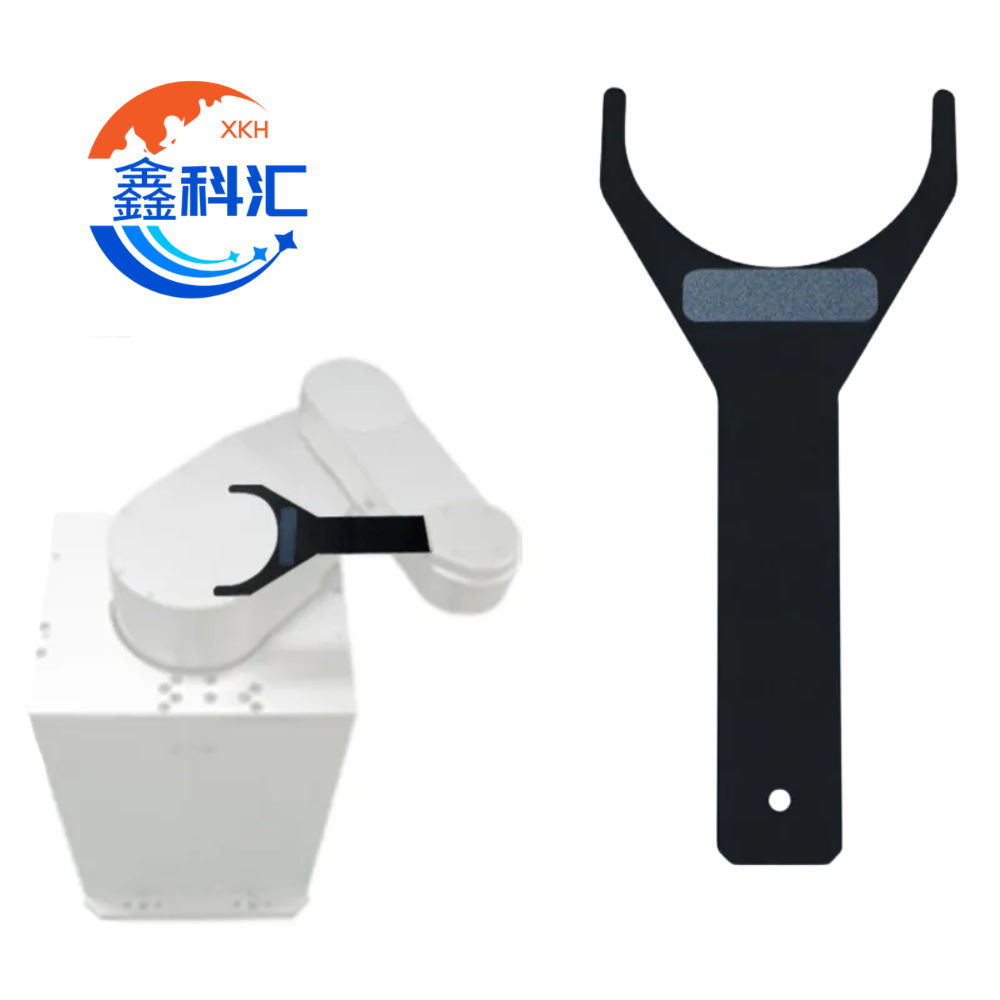
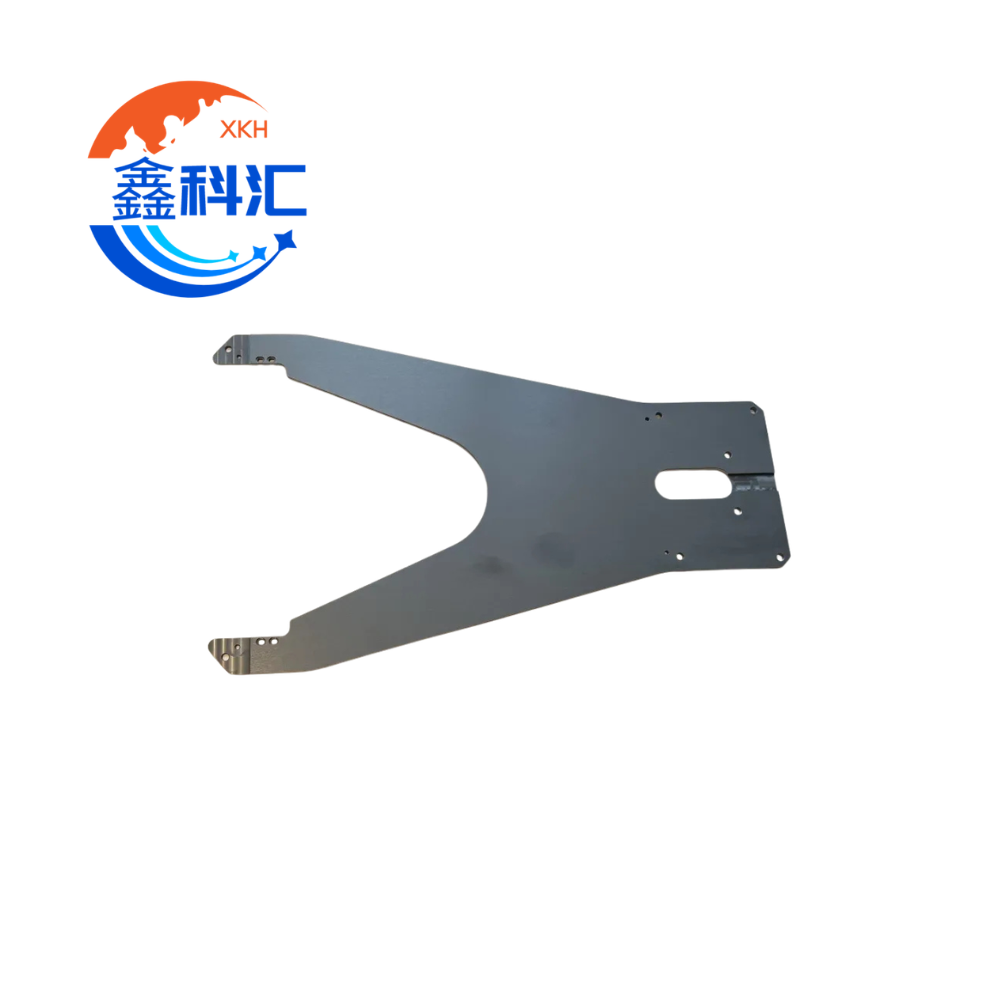
- Wafer handling arms
- Vacuum chucks
- Susceptors
- Process carriers
- Plasma-resistant components
The material’s purity, thermal stability, and plasma resistance make it highly suitable for advanced semiconductor production.
Mechanical Engineering
Silicon carbide is widely used in wear-critical components.
Examples include:
- Mechanical seals
- Bearings
- Wear plates
- Pump components
- Industrial nozzles
These parts benefit from the material’s exceptional hardness and wear resistance.
Energy and Power Systems
High-temperature energy systems frequently utilize silicon carbide components.
Applications include:
- Thermal insulation structures
- Heat management components
- High-temperature supports
- Protective ceramic assemblies
Chemical Processing Equipment
Chemical plants often require materials capable of withstanding highly corrosive environments.
Silicon carbide is commonly used in:
- Corrosion-resistant liners
- Heat exchangers
- Reactor components
- Chemical transfer systems
Precision Instrumentation
The material’s dimensional stability and wear resistance also make it suitable for:
- Precision positioning systems
- Measurement equipment
- High-accuracy fixtures
- Optical manufacturing tools
Factors to Consider When Selecting Silicon Carbide Components
Choosing the right silicon carbide solution requires evaluating several key factors:
Material Purity
Higher purity typically results in:
- Better consistency
- Lower contamination risk
- Improved reliability
Microstructure Quality
Fine-grained, high-density microstructures generally provide:
- Higher strength
- Better wear resistance
- Longer service life
Dimensional Precision
Many advanced applications require micron-level tolerances.
Precision machining capability is therefore a critical consideration.
Application Environment
Factors such as:
- Temperature
- Chemical exposure
- Plasma exposure
- Electrical requirements
must all be considered during material selection.
Future Outlook
As industries continue to pursue higher performance, greater efficiency, and cleaner manufacturing environments, the demand for advanced ceramics continues to grow.
Silicon carbide is expected to play an increasingly important role in:
- Semiconductor fabrication
- Renewable energy systems
- Electric vehicles
- Aerospace technologies
- Advanced industrial automation
Its unique combination of mechanical strength, thermal performance, chemical resistance, and customizable electrical properties positions silicon carbide as one of the most important engineering materials of the future.
Conclusion
Silicon carbide ceramics represent a significant advancement in materials engineering. Their exceptional hardness, thermal conductivity, corrosion resistance, high-temperature stability, and electrical versatility enable performance levels that conventional materials often cannot achieve.
While material selection always depends on specific application requirements, silicon carbide has established itself as one of the most valuable advanced ceramic materials for demanding industrial environments.
For engineers seeking improved durability, higher process stability, and enhanced system performance, silicon carbide ceramics continue to offer a compelling solution.