Синькэхуэй

Как передовая керамика повышает производительность полупроводникового оборудования

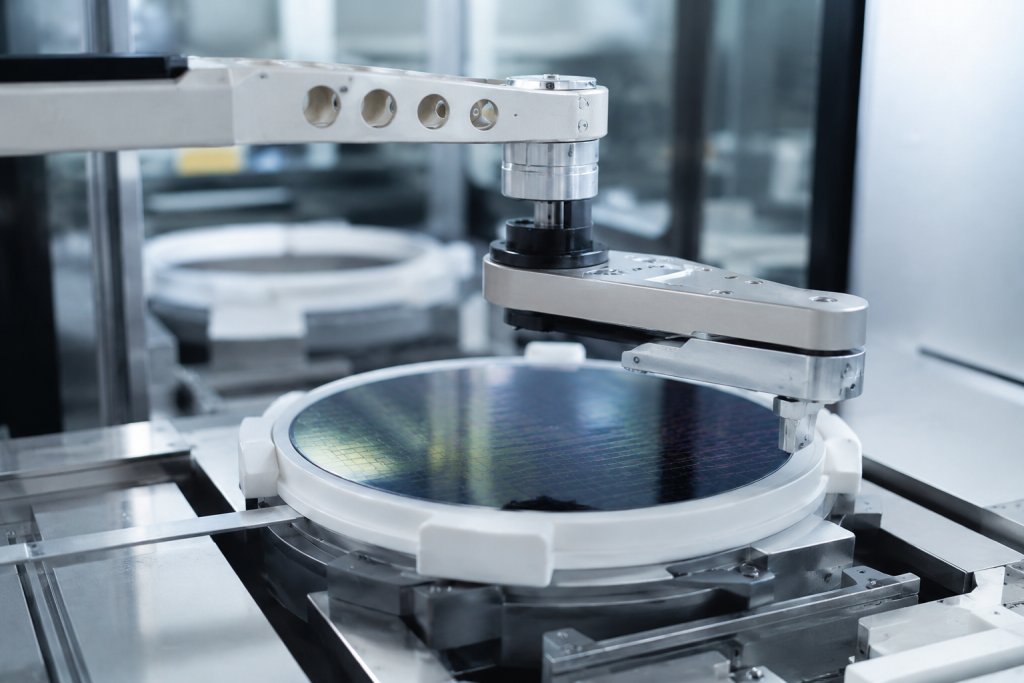
The semiconductor industry operates at the limits of precision engineering. Modern fabrication processes require extreme temperatures, highly reactive chemicals, plasma exposure, vacuum environments, and contamination control at microscopic scales. As integrated circuits continue advancing toward smaller process nodes and larger wafer sizes, equipment performance requirements become increasingly demanding. Under these conditions, material selection becomes a […]

Как передовая керамика повышает производительность полупроводникового оборудования Читать далее »
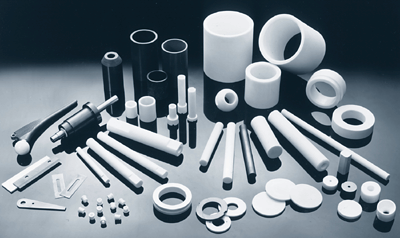
Функциональная керамика в объяснении: Научный обзор передовых инженерных материалов

1. Introduction Functional ceramics are a class of inorganic, non-metallic materials designed not only for structural integrity but also for specific physical, chemical, electrical, optical, or thermal functions. Unlike traditional ceramics used mainly for bricks, tiles, or sanitary ware, functional ceramics are engineered at the microstructural level to deliver targeted performance in advanced technologies. They

Функциональная керамика в объяснении: Научный обзор передовых инженерных материалов Читать далее »

Применение пористой керамики в различных отраслях промышленности

Porous ceramics are advanced ceramic materials characterized by interconnected pore structures or controlled porosity. Unlike dense ceramics, they combine mechanical stability with permeability, high surface area, thermal resistance, and excellent chemical durability. These unique properties make porous ceramics essential in a wide range of industrial applications, from environmental protection to energy systems and advanced manufacturing.

Применение пористой керамики в различных отраслях промышленности Читать далее »

Передовые керамические материалы в полупроводниковом оборудовании: Применение и сравнение материалов

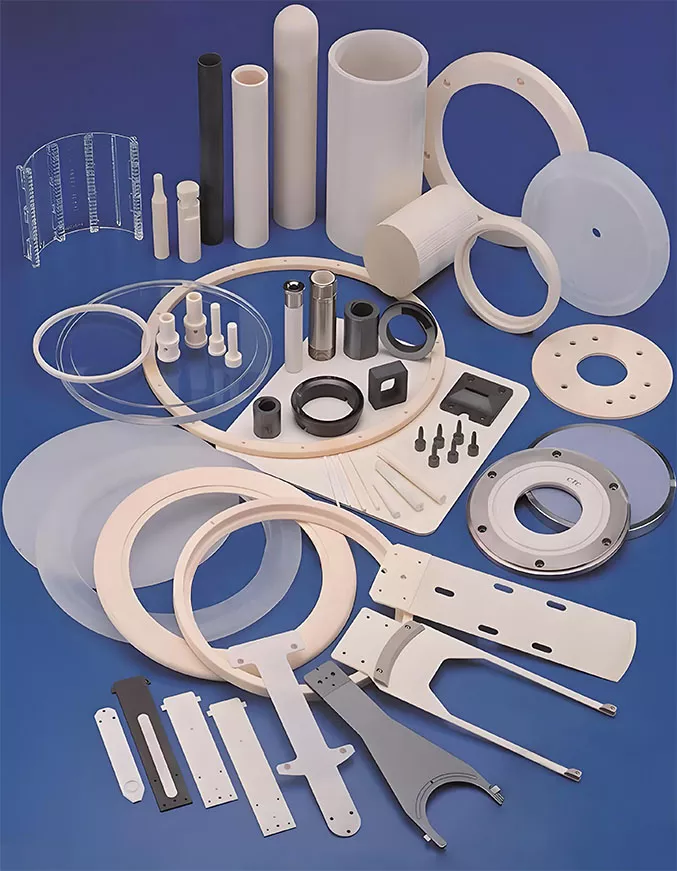
In modern semiconductor manufacturing equipment, advanced ceramics are no longer optional components—they are critical enabling materials that determine precision, stability, and process reliability. From plasma etching chambers to wafer handling systems, different ceramic materials are selected based on thermal, electrical, and mechanical performance requirements. This article introduces the most widely used semiconductor-grade ceramics and provides

Передовые керамические материалы в полупроводниковом оборудовании: Применение и сравнение материалов Читать далее »

Высокопроизводительное тепловое управление: Почему радиаторы из глиноземистой керамики заменяют традиционные металлические решения

As electronic devices continue to evolve toward higher power density, efficient heat dissipation has become one of the most critical challenges in modern engineering. Traditional metal heat sinks such as aluminum and copper are no longer sufficient in applications requiring both electrical insulation and thermal stability. This is where the alumina ceramic heat sink (Al₂O₃)

Высокопроизводительное тепловое управление: Почему радиаторы из глиноземистой керамики заменяют традиционные металлические решения Читать далее »

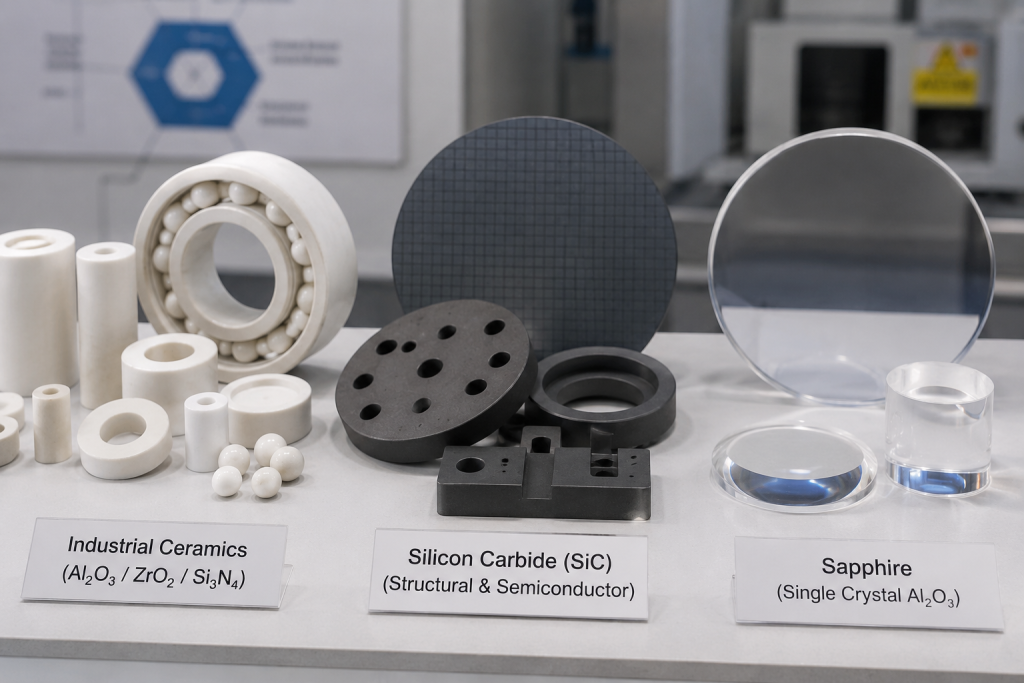
Промышленная керамика против карбида кремния против сапфира: Перспектива структурных и функциональных материалов

In advanced engineering industries such as semiconductors, precision machinery, and optical systems, industrial ceramics, silicon carbide (SiC), and sapphire are often compared as competing materials. However, this comparison is misleading if treated as a simple “which is better” question. A more accurate understanding is: These three materials represent three different material architectures, not just three

Промышленная керамика против карбида кремния против сапфира: Перспектива структурных и функциональных материалов Читать далее »

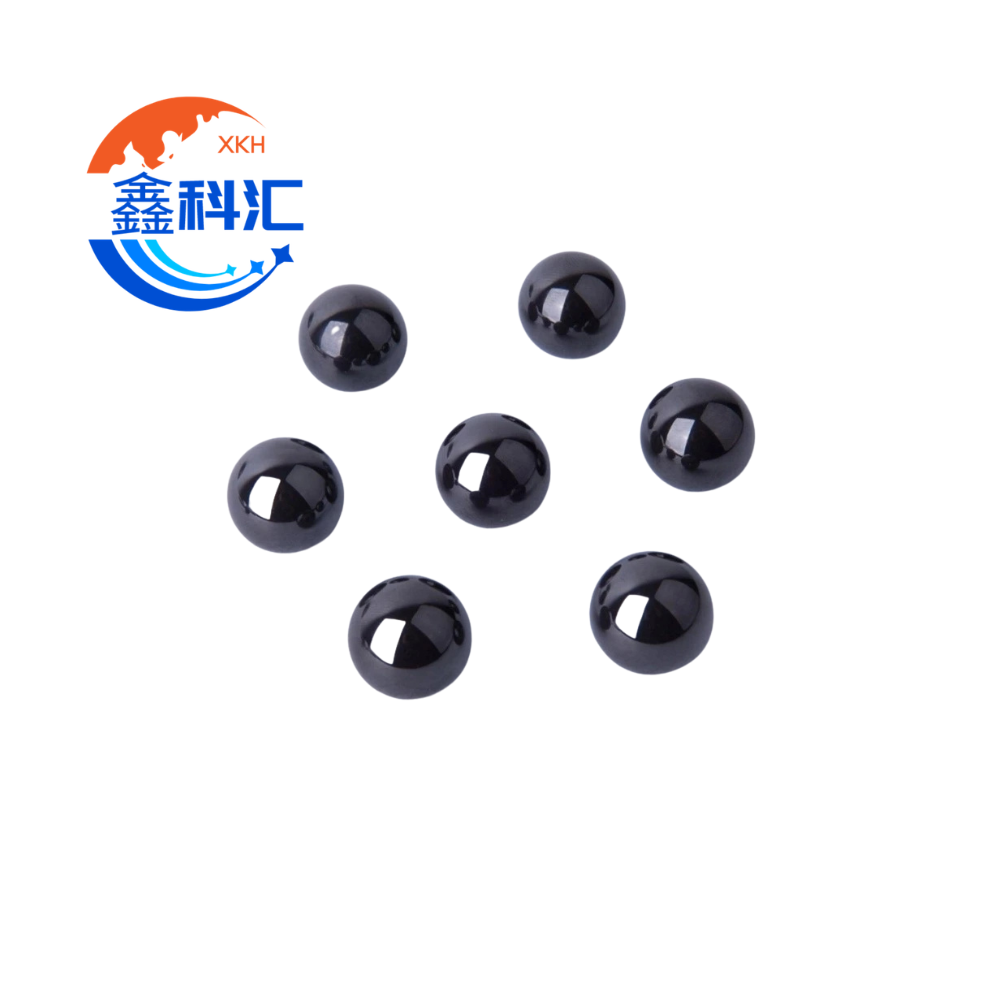
Прецизионные керамические шарики для подшипников: Выбор материала и эксплуатационные характеристики

Precision ceramic balls are widely used in modern high-performance bearings where speed, reliability, and service life are critical. Compared with traditional steel balls, ceramic materials offer distinct advantages in friction reduction, wear resistance, and high-speed operation, making them essential components in aerospace, electric vehicles, precision machinery, and advanced manufacturing equipment. This article explains the main

Прецизионные керамические шарики для подшипников: Выбор материала и эксплуатационные характеристики Читать далее »

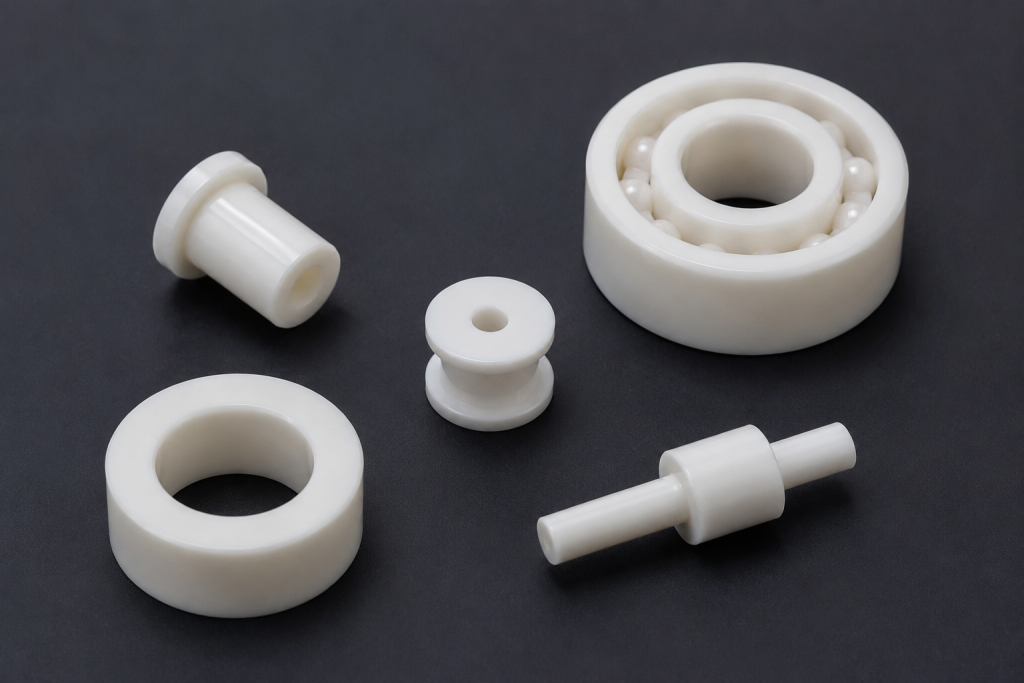
Как детали из циркониевой керамики увеличивают срок службы оборудования

Modern industrial equipment operates under increasingly demanding conditions. Higher speeds, elevated temperatures, abrasive environments, and continuous operation place tremendous stress on machine components. As industries pursue greater efficiency and lower maintenance costs, material selection has become a critical factor affecting system reliability and service life. Among advanced engineering ceramics, zirconia ceramic (ZrO₂) has gained significant

Как детали из циркониевой керамики увеличивают срок службы оборудования Читать далее »

Цирконий против глинозема: какой керамический материал лучше?

Advanced ceramics have become essential materials in industries requiring exceptional wear resistance, high strength, thermal stability, and chemical durability. Among the most widely used engineering ceramics, zirconia (ZrO₂) and alumina (Al₂O₃) stand out due to their broad industrial applications and excellent performance characteristics. However, engineers and purchasing teams often face a key question: Which ceramic

Цирконий против глинозема: какой керамический материал лучше? Читать далее »

Структурная керамика для производства полупроводников: Материалы, применение и будущие тенденции

Modern semiconductor manufacturing requires unprecedented levels of precision, cleanliness, thermal stability, and reliability. As chip architectures continue to evolve toward smaller nodes, higher power density, and advanced packaging technologies, conventional metallic materials increasingly face limitations in process environments involving plasma exposure, ultra-high vacuum, aggressive chemicals, and extreme temperatures. Structural ceramics have therefore become indispensable materials

Структурная керамика для производства полупроводников: Материалы, применение и будущие тенденции Читать далее »

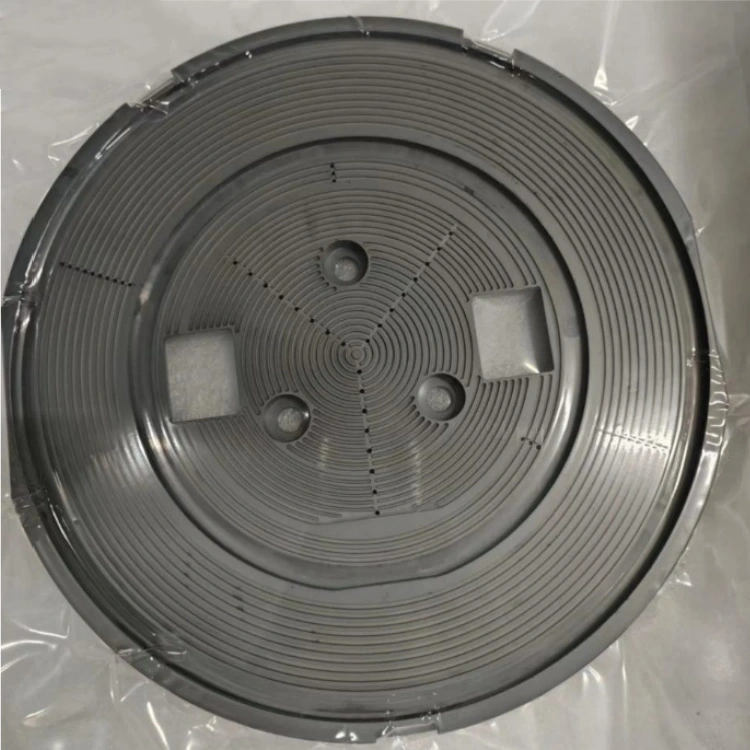
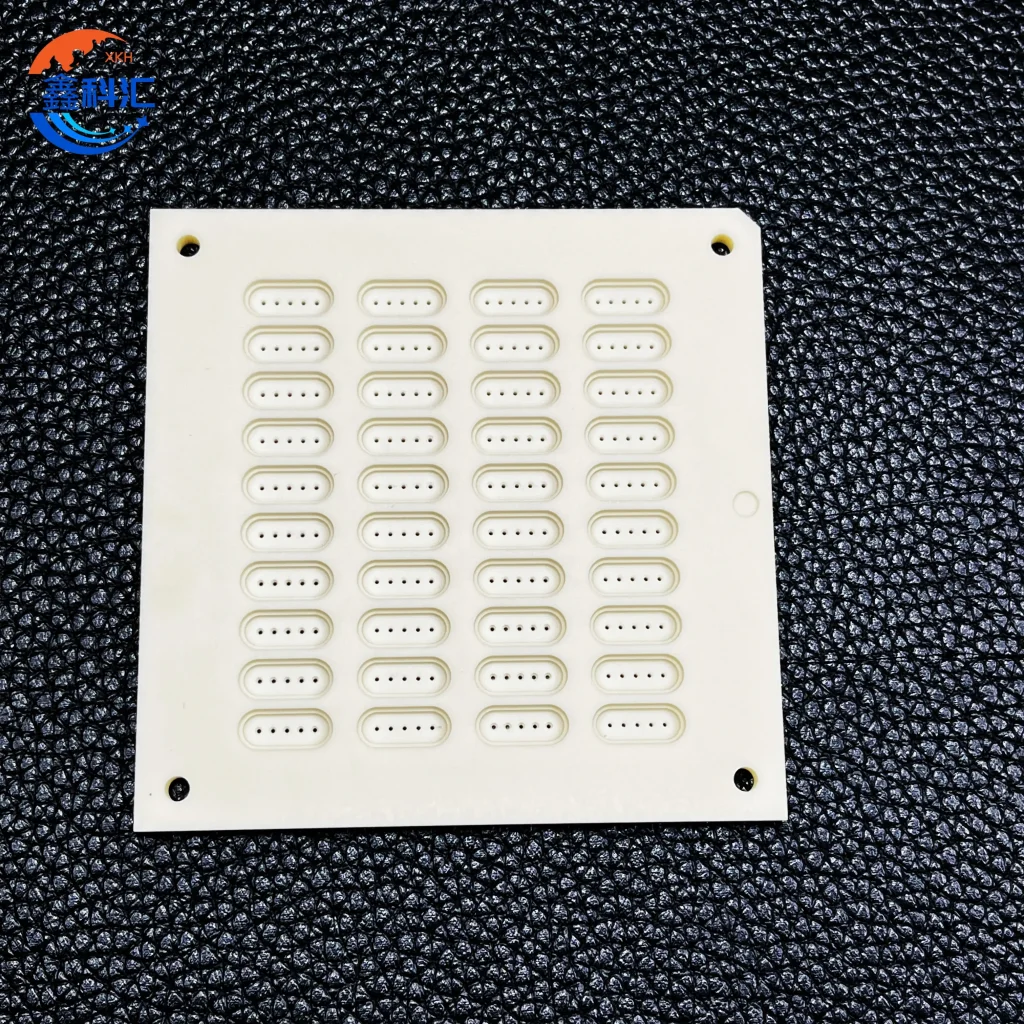
Керамический вакуумный патрон

Пористая керамика в производстве полупроводников: Обеспечение точности благодаря усовершенствованному дизайну материалов

Porous ceramics are engineered ceramic materials produced through specialized processing techniques that create interconnected or closed pore structures within the material. Their porosity typically ranges from 20% to 90%, while pore sizes can vary from nanometer scale to millimeter scale depending on design requirements. Thanks to their unique internal architecture and outstanding physical properties—including high-temperature

Пористая керамика в производстве полупроводников: Обеспечение точности благодаря усовершенствованному дизайну материалов Читать далее »

Полупроводниковая керамика с объяснениями: Функциональная электронная керамика, преобразующая современные технологии

Semiconductor ceramics are a specialized class of electronic ceramic materials engineered to exhibit semiconductor behavior through controlled material modification. Unlike traditional conductive materials, their electrical properties are highly sensitive to external conditions such as temperature, light, electric fields, humidity, and surrounding gases. This unique responsiveness allows semiconductor ceramics to convert environmental changes into electrical signals,

Полупроводниковая керамика с объяснениями: Функциональная электронная керамика, преобразующая современные технологии Читать далее »