Aplikacje i przypadki

Advanced Ceramic Materials in Semiconductor Optoelectronics: Applications, Advantages, and Future Prospects

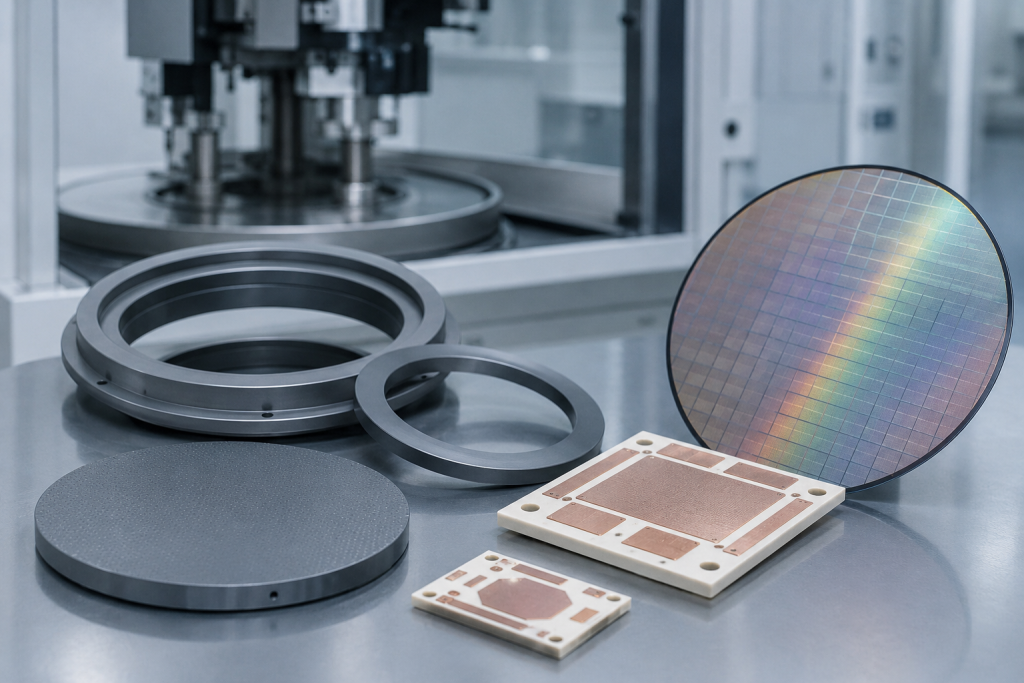
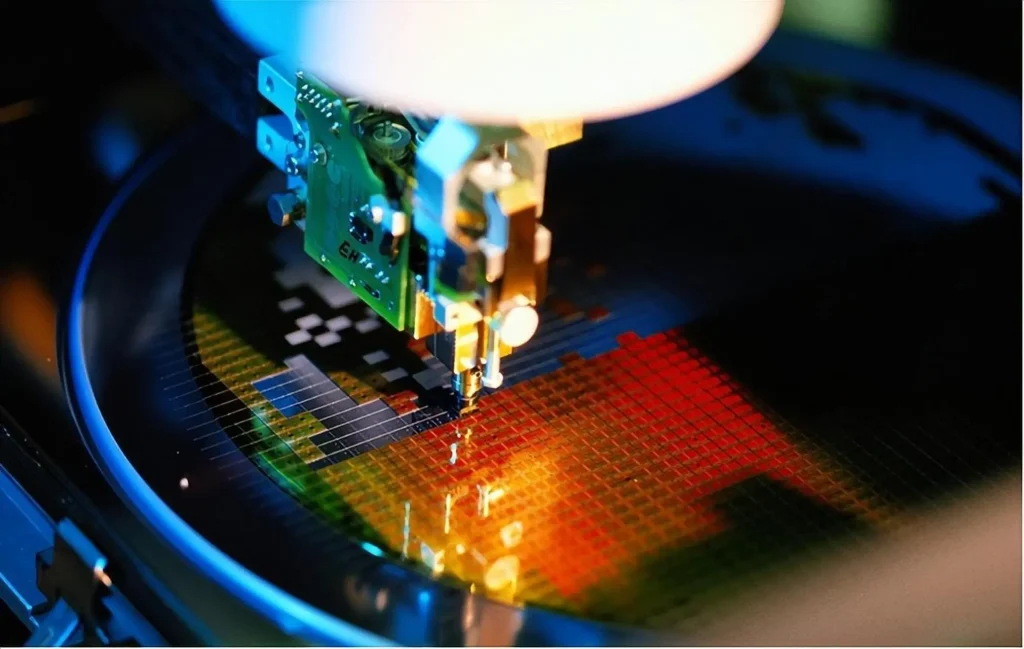
As semiconductor and optoelectronic technologies continue to advance toward higher power, greater integration, and improved reliability, the demand for high-performance materials is growing rapidly. Among the many advanced materials used in modern optoelectronic devices, ceramic materials have emerged as a critical enabling technology due to their exceptional thermal stability, chemical resistance, electrical insulation, and optical […]
Advanced Ceramic Materials in Semiconductor Optoelectronics: Applications, Advantages, and Future Prospects Dowiedz się więcej »

Części z tlenku cyrkonu o wysokiej czystości do precyzyjnych zastosowań przemysłowych

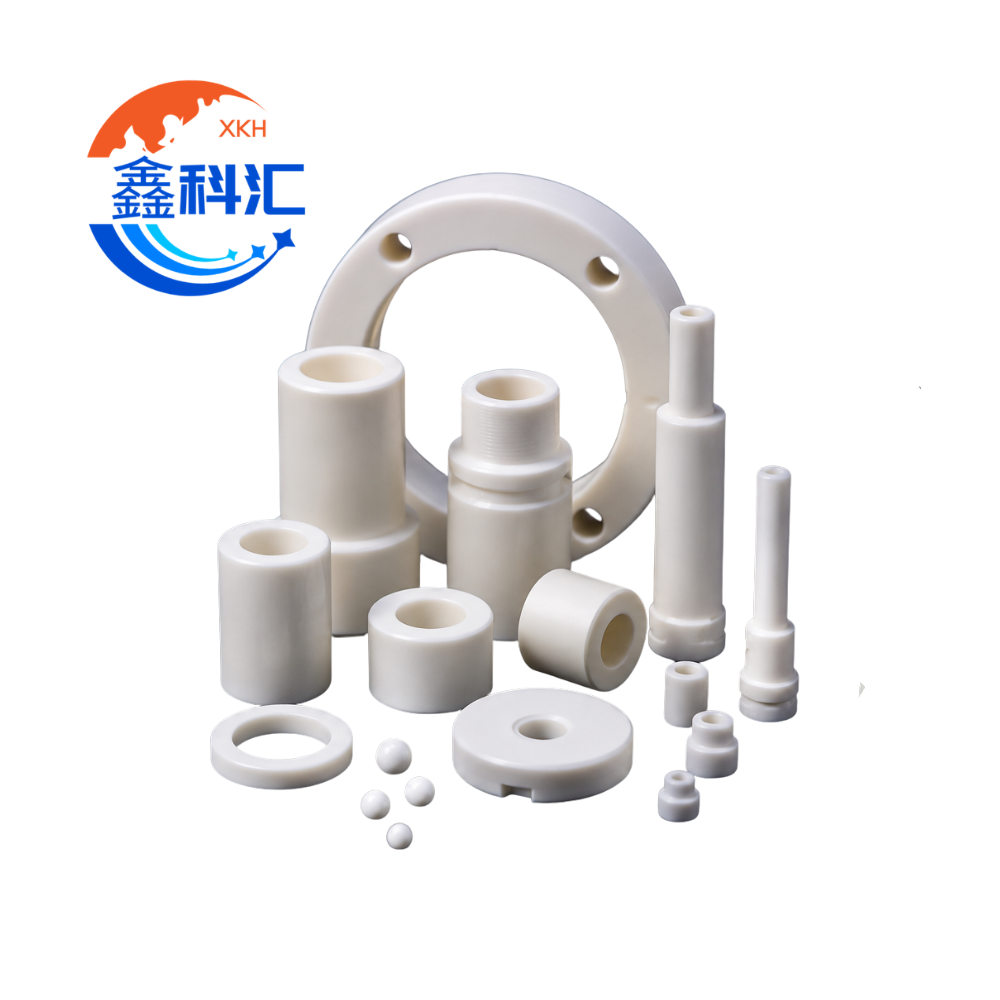
High purity zirconia parts are widely used in industries that demand exceptional wear resistance, corrosion resistance, dimensional stability, and mechanical strength. Compared with traditional metal materials and standard industrial ceramics, zirconia ceramics offer a unique combination of toughness and precision, making them suitable for advanced industrial systems. Today, high purity zirconia components are commonly found

Części z tlenku cyrkonu o wysokiej czystości do precyzyjnych zastosowań przemysłowych Dowiedz się więcej »

Tlenek cyrkonu a tlenek glinu: który materiał ceramiczny pasuje do danego zastosowania?

Selecting the right technical ceramic material is critical for industrial applications where performance, durability, and cost directly affect productivity and long-term reliability. Among advanced engineering ceramics, Zirconia (ZrO₂) and Alumina (Al₂O₃) are two of the most widely used materials. Both materials offer exceptional hardness, wear resistance, and chemical stability. However, they differ significantly in toughness,

Tlenek cyrkonu a tlenek glinu: który materiał ceramiczny pasuje do danego zastosowania? Dowiedz się więcej »

Zastosowania ceramiki porowatej w różnych branżach

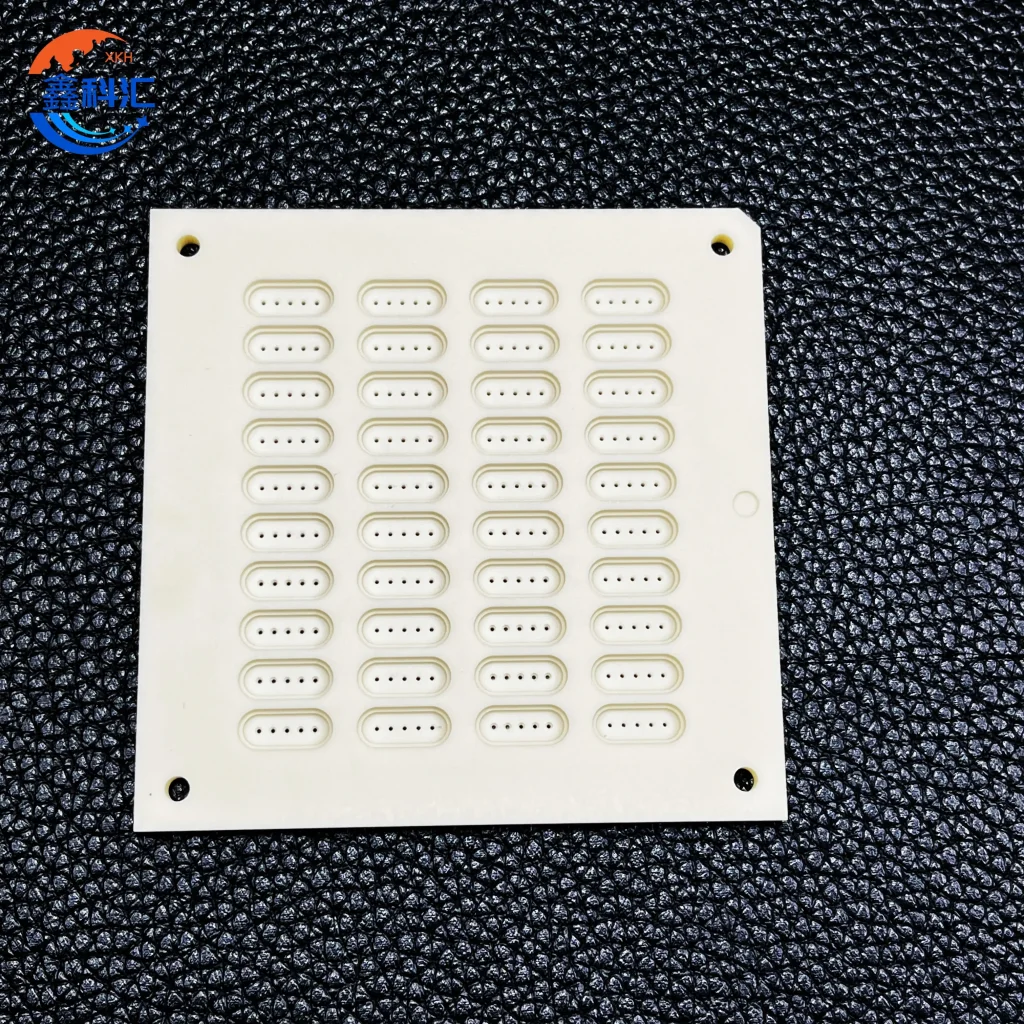
Porous ceramics are advanced ceramic materials characterized by interconnected pore structures or controlled porosity. Unlike dense ceramics, they combine mechanical stability with permeability, high surface area, thermal resistance, and excellent chemical durability. These unique properties make porous ceramics essential in a wide range of industrial applications, from environmental protection to energy systems and advanced manufacturing.

Zastosowania ceramiki porowatej w różnych branżach Dowiedz się więcej »

Ceramika z węglika krzemu (SiC) w przemyśle półprzewodników: Zastosowania, właściwości i perspektywy na przyszłość

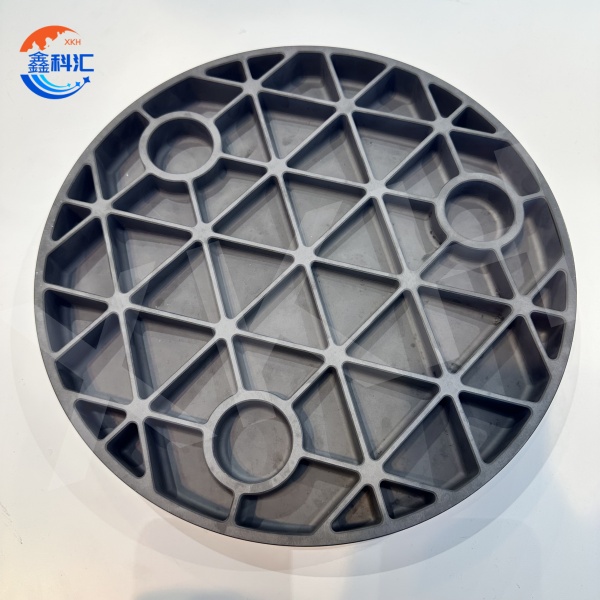
Silicon carbide (SiC) ceramics have become increasingly important in the semiconductor industry due to their exceptional thermal, mechanical, chemical, and electrical properties. Beyond their role as wide-bandgap semiconductor substrates for power devices, SiC ceramics are widely used in semiconductor manufacturing equipment, packaging, and thermal management systems. This article provides a scientific overview of SiC ceramics

Ceramika z węglika krzemu (SiC) w przemyśle półprzewodników: Zastosowania, właściwości i perspektywy na przyszłość Dowiedz się więcej »

Precyzyjna ceramika w sprzęcie półprzewodnikowym: Główne role i trendy rozwoju branży

1. Introduction Precision ceramics refer to high-performance advanced ceramic components used in semiconductor manufacturing equipment. These components are typically designed with complex structures, ultra-high purity, and extremely tight dimensional tolerances. They play a critical role in ensuring the stability, accuracy, and reliability of semiconductor fabrication processes. With the rapid expansion of the global semiconductor industry

Precyzyjna ceramika w sprzęcie półprzewodnikowym: Główne role i trendy rozwoju branży Dowiedz się więcej »

Komponenty ceramiczne w urządzeniach półprzewodnikowych: Zastosowania i korzyści

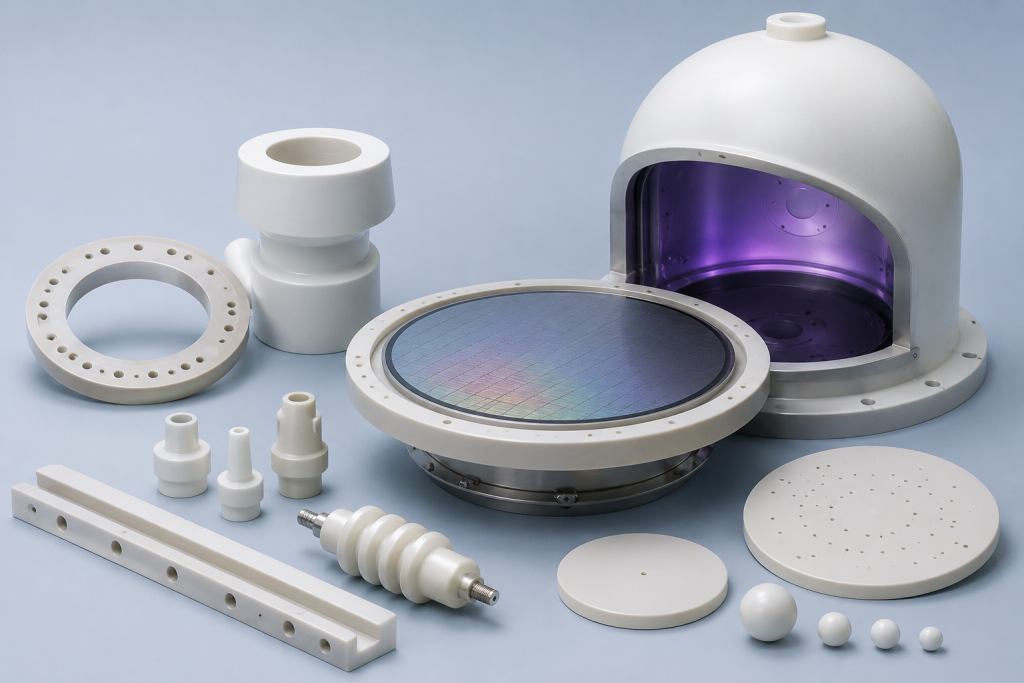
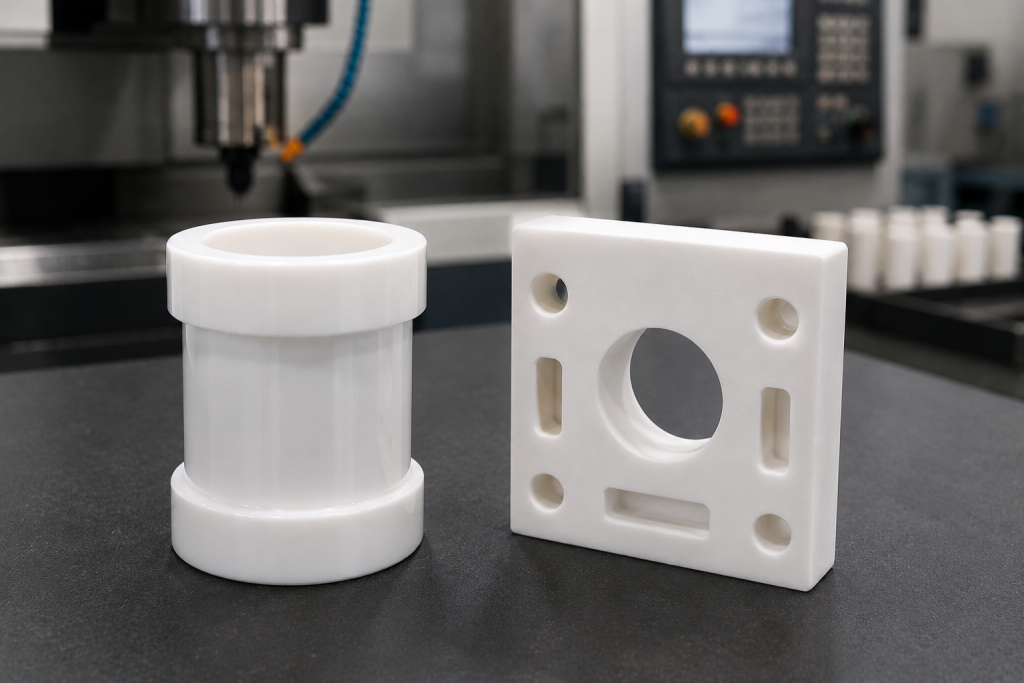
In semiconductor manufacturing, precision, purity, and thermal stability are critical requirements. As device geometries continue to shrink and process environments become more extreme, traditional metal components often fail to meet performance demands. This is where advanced ceramic materials play a crucial role. Ceramic components are widely used in semiconductor equipment due to their exceptional properties

Komponenty ceramiczne w urządzeniach półprzewodnikowych: Zastosowania i korzyści Dowiedz się więcej »