
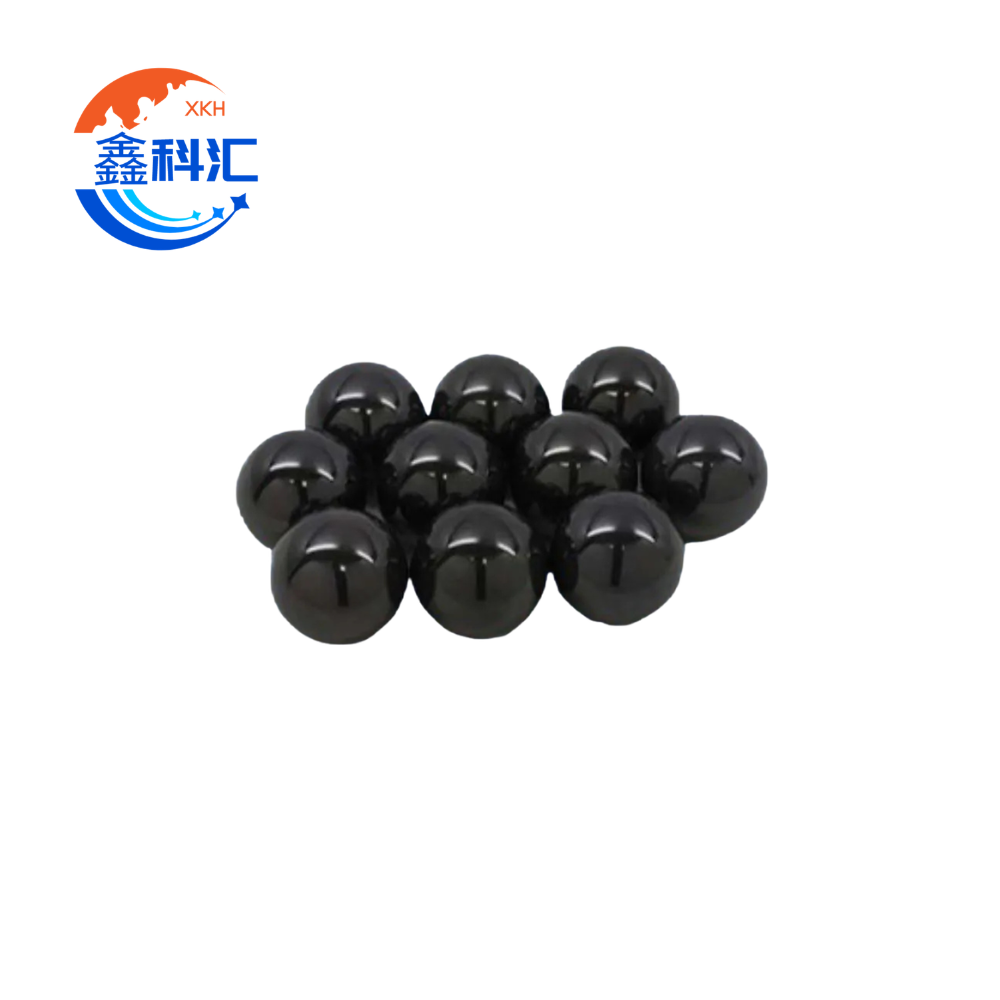
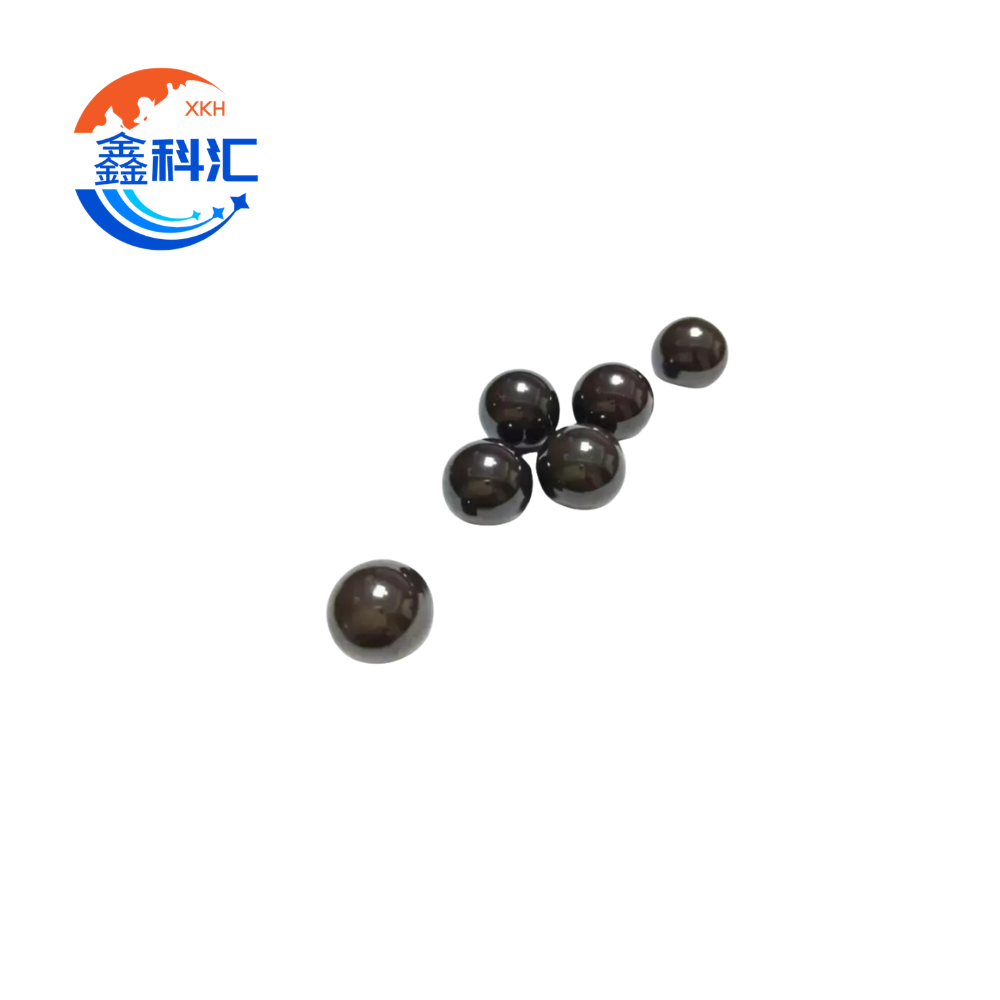
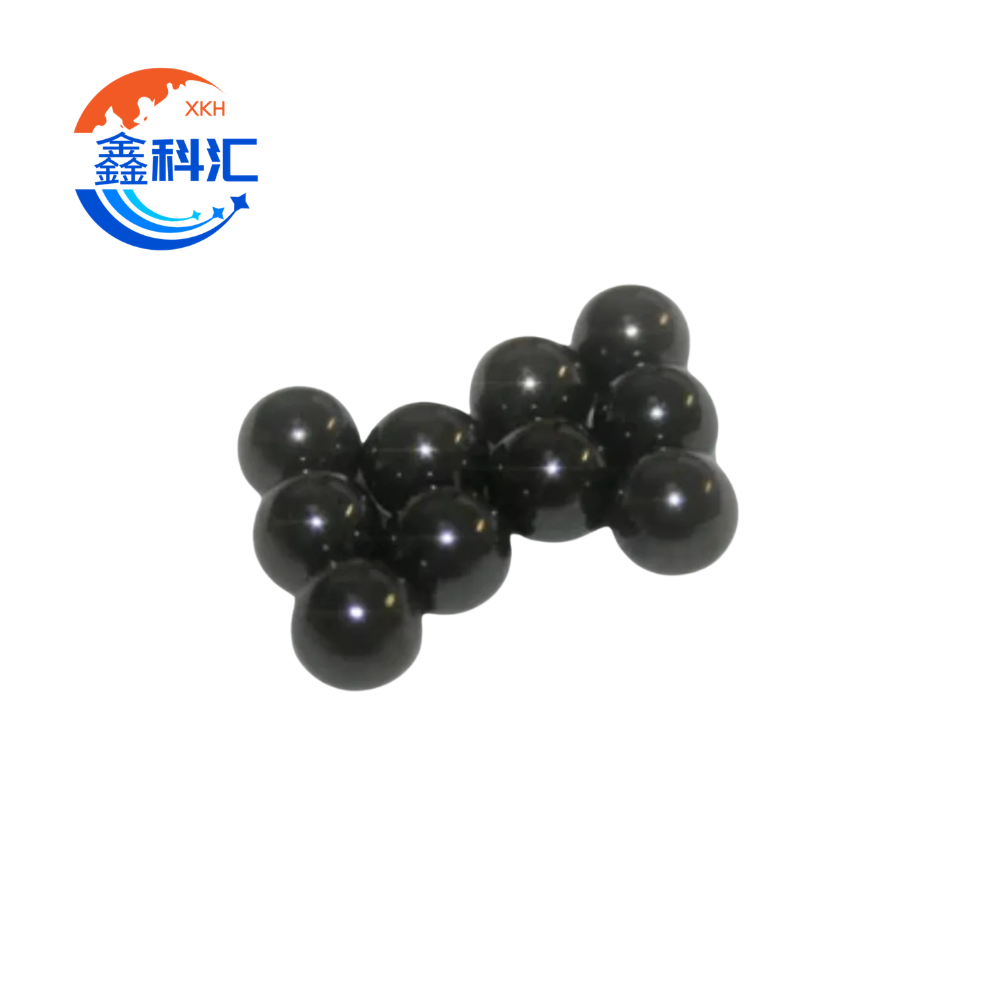
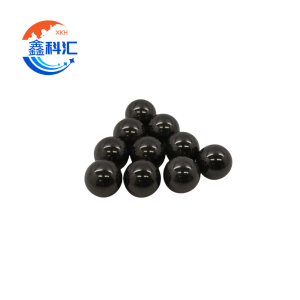
 Piikarbidikeraamiset (SiC) laakeripallot ovat korkean suorituskyvyn keraamisia komponentteja, jotka on suunniteltu sovelluksiin, joissa vaaditaan erinomaista kulutuskestävyyttä, korroosionkestävyyttä ja korkean lämpötilan vakautta.
Tavanomaisiin teräslaakerikuuloihin verrattuna SiC-keraamiset kuulat ovat tiheydeltään pienempiä, kovuudeltaan suurempia ja kemiallisesti vakaampia. Näiden ominaisuuksien ansiosta ne soveltuvat vaativiin käyttöympäristöihin, joihin liittyy suuria nopeuksia, korkeita lämpötiloja, syövyttäviä aineita tai jatkuvaa mekaanista kulumista.
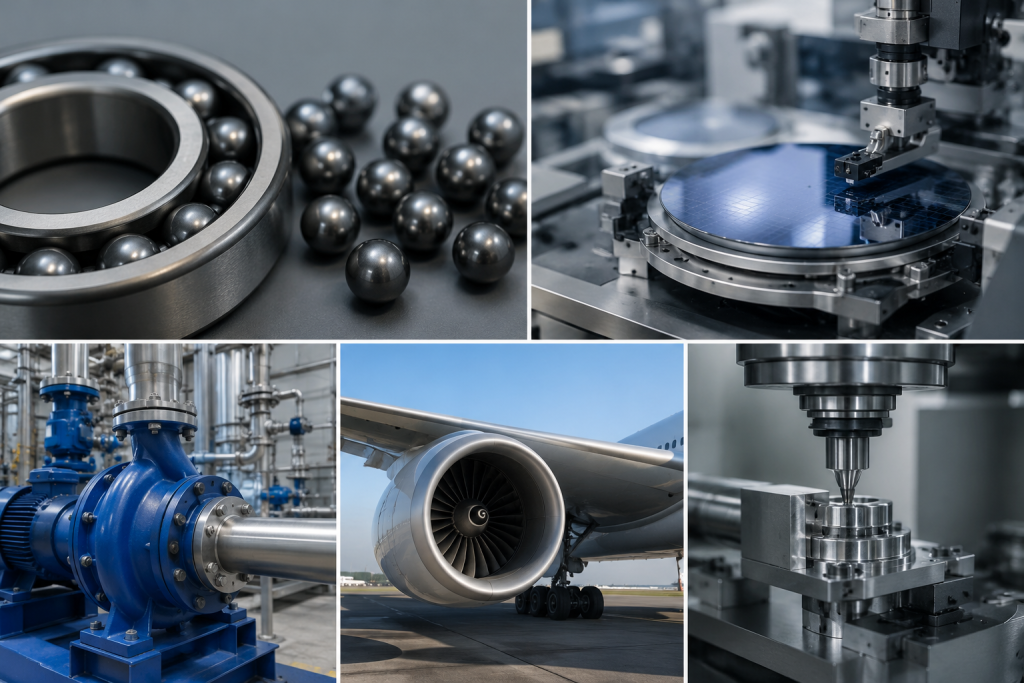
SiC-keraamisia laakeripalloja käytetään laajalti tarkkuuslaakereissa, puolijohdelaitteissa, kemiallisissa käsittelyjärjestelmissä, ilmailu- ja avaruustekniikan komponenteissa ja teollisuuskoneissa.
Materiaalin ominaisuudet
Korkea kovuus ja kulutuskestävyys
Piikarbidikeraamisella on erittäin suuri kovuus, mikä takaa erinomaisen kulutuksen ja mekaanisen kulumisen kestävyyden pitkäaikaisessa käytössä.
Korroosionkestävyys
SiC-keramiikka toimii hyvin happamissa, emäksisissä ja kemiallisesti aggressiivisissa ympäristöissä, joten se soveltuu kemiallisiin ja teollisiin järjestelmiin.
Korkean lämpötilan stabiilisuus
Materiaali säilyttää vakaan mekaanisen suorituskyvyn myös korkeissa lämpötiloissa ja lämpösykliolosuhteissa.
Alhainen tiheys ja alhainen kitka
Teräskuuliin verrattuna SiC-keramiikkakuulat ovat kevyempiä ja auttavat vähentämään pyörimisinertiaa ja kitkaa käytön aikana.
Lämmönjohtavuus
Piikarbidin lämmönjohtavuus on suhteellisen korkea verrattuna moniin teknisiin keraamisiin aineisiin, mikä auttaa haihduttamaan lämpöä nopeissa sovelluksissa.
Valmistusprosessi
Jauheen valmistelu
Erittäin puhdasta piikarbidijauhetta käsitellään materiaalin johdonmukaisuuden ja rakenteellisen vakauden varmistamiseksi.
Muovaus ja sintraus
Keraamiset pallot muotoillaan ja sintrataan valvotuissa korkean lämpötilan olosuhteissa, jotta saavutetaan suuri tiheys ja mekaaninen lujuus.
Tarkkuushionta ja kiillotus
Jokainen kuula hiotaan ja kiillotetaan tarkasti pyöreyden, pinnan sileyden ja mittatarkkuuden varmistamiseksi.
Laadun tarkastus
Valmiit tuotteet tarkastetaan mittatoleranssin, pinnan eheyden ja materiaalien yhdenmukaisuuden osalta ennen lähetystä.
Tekniset tiedot
| Parametri | Arvo |
|---|---|
| Materiaali | Piikarbidi (SiC) |
| Puhtaus | 95% - 99% - 99% |
| Väri | Musta |
| Tiheys | 3,05 - 3,15 g/cm³. |
| Kokoalue | 0,8 mm - 60 mm |
| Maksimi käyttölämpötila | Jopa 1550°C |
| Lämmönjohtavuus | 120 W/m-K @ 20°C |
| Taivutuslujuus | Jopa 400 MPa |
| Puristuslujuus | Jopa 2200 MPa |
| Pinnan viimeistely | Tarkkuus kiillotettu |
Materiaaliluokkien vertailu
| Kiinteistö | Uudelleenkiteytetty SiC | Sintrattu SiC | Reaktiosidottu SiC |
|---|---|---|---|
| Puhtaus | 99.5% | 98% | >88% |
| Käyttölämpötila | 1650°C | 1550°C | 1300°C |
| Tiheys | 2,7 g/cm³ | 3,1 g/cm³ | >3 g/cm³ |
| Taivutuslujuus | 110 MPa | 400 MPa | 380 MPa |
| Puristuslujuus | >300 MPa | 2200 MPa | 2100 MPa |
| Lämmönjohtavuus | 35-36 W/m-K | 110 W/m-K | 65 W/m-K |
Sovellukset
Laakerointijärjestelmät
Käytetään suurnopeuslaakereissa ja korkean kuormituksen laakereissa, joissa vaaditaan pientä kitkaa ja kulutuskestävyyttä.
Puolijohdelaitteet
Soveltuu kiekkojen käsittelyjärjestelmiin, tyhjiölaitteisiin ja puhtaisiin prosessiympäristöihin.
Kemiallinen käsittely
Käytetään pumpuissa, venttiileissä, tiivisteissä ja pyörivissä komponenteissa, jotka altistuvat syövyttäville aineille.
Ilmailu- ja avaruusteollisuus sekä teollisuuskoneet
Käytetään korkean lämpötilan ja korkean suorituskyvyn mekaanisissa järjestelmissä.
Mekaaniset tarkkuuskomponentit
Soveltuu järjestelmiin, jotka vaativat vakaata mittasuhdetta ja vähäistä mekaanista kulumista.
Mukauttamisvaihtoehdot
Kokoalue
Vakiokoot 0,8 mm:stä 60 mm:iin, myös mukautettuja mittoja on saatavana.
Pinnan tarkkuus
Tarkkuushionta ja kiillotus sovelluksen vaatimusten mukaisesti.
Materiaalin valinta
Saatavilla on eri SiC-laatuja lämpötilan, lujuuden ja korroosion vaatimusten mukaan.
OEM-palvelu
Teollisuussovellusten räätälöityjä eritelmiä ja erätuotantoa tuetaan.
Edut
Korkea kovuus ja erinomainen kulutuskestävyys
Hyvä korroosionkestävyys vaativissa ympäristöissä
Vakaa suorituskyky korkeissa lämpötiloissa
Pienempi tiheys verrattuna teräslaakeripalloihin
Vähentää kitkaa ja parantaa toiminnan tehokkuutta
Soveltuu tarkkuus- ja suurnopeussovelluksiin
Pakkaaminen ja laadunvalvonta
Tuotteet pakataan suojapakkausmateriaaleja käyttäen, jotta ne eivät vahingoitu kuljetuksen aikana.
Jokaiselle erälle tehdään mittatarkastus ja pinnanlaadun testaus tuotteen yhdenmukaisuuden ja luotettavuuden varmistamiseksi.
FAQ
1. Mihin piikarbidikeraamisia laakeripalloja käytetään?
Niitä käytetään pääasiassa suurnopeuslaakereissa, puolijohdelaitteissa, kemiallisissa käsittelyjärjestelmissä ja teollisuuskoneissa, jotka vaativat kulutuksen ja korroosionkestävyyttä.
2. Mitä etuja SiC-keramiikkakuulilla on teräskuuloihin verrattuna?
SiC-keraamiset pallot ovat kevyempiä, kovempia, korroosionkestävämpiä ja soveltuvat paremmin korkean lämpötilan sovelluksiin.
3. Voidaanko valmistaa mukautettuja kokoja
Kyllä. Sovelluksen vaatimusten mukaan voidaan valmistaa räätälöityjä halkaisijoita ja tarkkuusluokkia.
4. Soveltuvatko SiC-keraamiset pallot syövyttäviin ympäristöihin?
Kyllä. Piikarbidilla on hyvä kemiallinen stabiilisuus, ja se toimii hyvin monissa syövyttävissä ympäristöissä.
5. Miten keraamiset laakerikuulat tulisi säilyttää
Ne on säilytettävä puhtaassa, kuivassa ympäristössä ja suojattava likaantumiselta tai mekaanisilta vaikutuksilta.
Arviot
Tuotearvioita ei vielä ole.