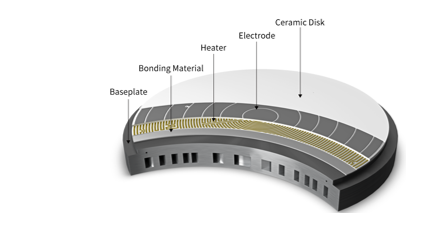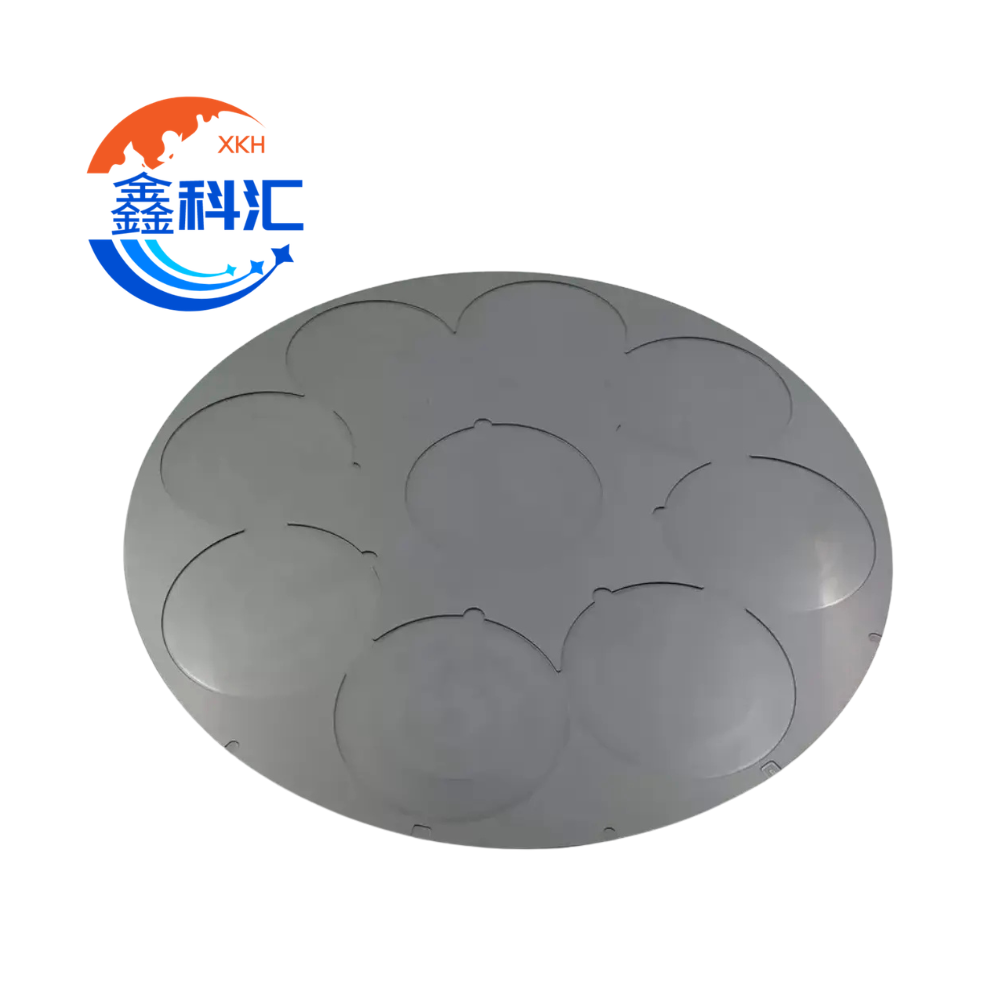
With the rapid development of electric vehicles, power electronics, aerospace systems, satellite communications, and high-frequency semiconductor devices, electronic components are increasingly required to operate under high power, high temperature, and high frequency conditions.
In such demanding environments, traditional organic or metal-based substrates often fail to provide sufficient thermal and electrical stability. As a result, advanced ceramic substrates have become essential in modern electronic packaging and thermal management systems.
Ceramic substrates offer excellent thermal conductivity, electrical insulation, mechanical strength, and long-term reliability, making them ideal for next-generation high-performance devices.
This article introduces the six most important ceramic substrate materials used in advanced electronics today.

1. Aluminum Oxide (Al₂O₃) Ceramic Substrate
Aluminum Oxide Ceramic is currently one of the most widely used ceramic substrate materials in the electronics industry due to its excellent balance of cost and performance.
Key Properties:
- High hardness (HRA 80–90)
- Good wear resistance (much higher than steel alloys)
- Stable electrical insulation
- Reliable thermal stability
- Relatively low dielectric constant
Applications:
- Power electronics packaging
- LED lighting modules
- 5G communication devices
- Aerospace electronic systems
Although its thermal conductivity is moderate compared to advanced ceramics, its cost-effectiveness makes it the industry standard for mass production applications.
2. Aluminum Nitride (AlN) Ceramic Substrate
Aluminum Nitride Ceramic is one of the most important high-performance ceramic materials in modern electronics.
Key Properties:
- Extremely high thermal conductivity (up to ~320 W/m·K in theory)
- Excellent electrical insulation
- Low dielectric constant and low dielectric loss
- Thermal expansion coefficient close to silicon
- Non-toxic compared to beryllium oxide
Advantages:
AlN provides thermal conductivity 5–10 times higher than aluminum oxide, making it ideal for high-power heat dissipation applications.
Applications:
- High-power semiconductor modules
- RF and microwave circuits
- Advanced LED packaging
- High-frequency electronic systems
Due to its excellent thermal and electrical properties, aluminum nitride is gradually replacing both low-performance Al₂O₃ and toxic BeO ceramics.
3. Silicon Nitride (Si₃N₄) Ceramic Substrate
Silicon Nitride Ceramic is a high-performance structural ceramic widely used in extreme environments.
Key Properties:
- High fracture toughness
- Excellent thermal shock resistance
- Strong oxidation resistance
- Good wear resistance
- Stable performance at high temperatures
Advantages in Electronics:
Silicon nitride combines mechanical strength and thermal stability, making it ideal for harsh operating conditions.
Applications:
- Power semiconductor modules
- High-temperature electronic systems
- Aerospace and energy equipment
- High-frequency circuit substrates
It is especially suitable for systems requiring both mechanical reliability and thermal management.
4. Boron Nitride (BN) Ceramic Substrate
Boron Nitride Ceramic is known for its unique combination of high thermal conductivity and excellent electrical insulation.
Key Properties:
- Extremely high thermal conductivity (theoretical values up to 1700–2000 W/m·K for nanoscale structures)
- High-temperature stability
- Excellent chemical inertness
- Low density
- Good machinability
Thermal Performance:
Hexagonal boron nitride can operate at extremely high temperatures:
- Up to ~900°C in oxidizing atmosphere
- Up to ~2000°C in vacuum
- Up to ~2800°C in inert gas
Applications:
- Semiconductor heat dissipation substrates
- High-temperature insulation components
- Advanced thermal interface materials
- Aerospace thermal systems
BN is often called a “white graphite” material due to its layered structure and lubrication properties.
5. Silicon Carbide (SiC) Ceramic Substrate
Silicon Carbide Ceramic is a key material in third-generation semiconductor technology.
Key Properties:
- Wide bandgap semiconductor characteristics (single crystal SiC)
- High thermal conductivity
- High breakdown electric field strength
- Excellent chemical stability
- Strong corrosion and wear resistance
Ceramic Form (Polycrystalline SiC):
Unlike single-crystal SiC used in power devices, SiC ceramics are used as structural and substrate materials due to:
- High thermal stability
- Strong mechanical strength
- Excellent corrosion resistance
- Adjustable microstructure through processing
Applications:
- High-temperature structural substrates
- Chemical processing equipment
- Power electronics thermal bases
- Harsh environment electronic systems
SiC is one of the most important materials bridging structural ceramics and semiconductor technology.
6. Beryllium Oxide (BeO) Ceramic Substrate
Beryllium Oxide Ceramic is a high-performance ceramic substrate known for its exceptional thermal conductivity.
Key Properties:
- Very high thermal conductivity
- High melting point
- Excellent electrical insulation
- Low dielectric constant and loss
- Strong thermal and chemical stability
Advantages:
BeO offers thermal performance comparable to aluminum nitride, making it suitable for extremely high-power electronic devices.
Critical Limitation:
Despite its excellent properties, BeO is highly toxic. Inhalation of BeO dust during manufacturing or processing can cause severe health risks, significantly limiting its industrial usage.
Applications:
- Specialized high-power microwave devices
- Aerospace electronics (limited use)
- Legacy high-thermal-demand systems
Due to safety concerns, BeO is being replaced by safer alternatives such as AlN.
Comparison Summary of Ceramic Substrate Materials
| Material | Thermal Conductivity | Electrical Insulation | Key Advantage | Main Limitation |
|---|---|---|---|---|
| Al₂O₃ | Medium | Excellent | Low cost | Lower thermal performance |
| AlN | High | Excellent | Balanced performance | Higher cost |
| Si₃N₄ | Medium | Excellent | Mechanical strength | Cost |
| BN | Very high | Excellent | Extreme thermal capability | Processing complexity |
| SiC | High | Excellent | Chemical stability | Material cost |
| BeO | Very high | Excellent | Best thermal performance | Toxicity |
Conclusion
Ceramic substrate materials play a critical role in modern electronics, especially in high-power, high-frequency, and high-temperature applications.
Each material offers a unique balance of properties:
- Al₂O₃ for cost-effective mass production
- AlN for high-performance thermal management
- Si₃N₄ for mechanical reliability in harsh environments
- BN for extreme thermal applications
- SiC for advanced semiconductor and structural integration
- BeO for niche ultra-high thermal applications (with safety limitations)
As electronic systems continue to evolve toward higher power density and miniaturization, ceramic substrates will remain a foundational technology enabling next-generation innovation.