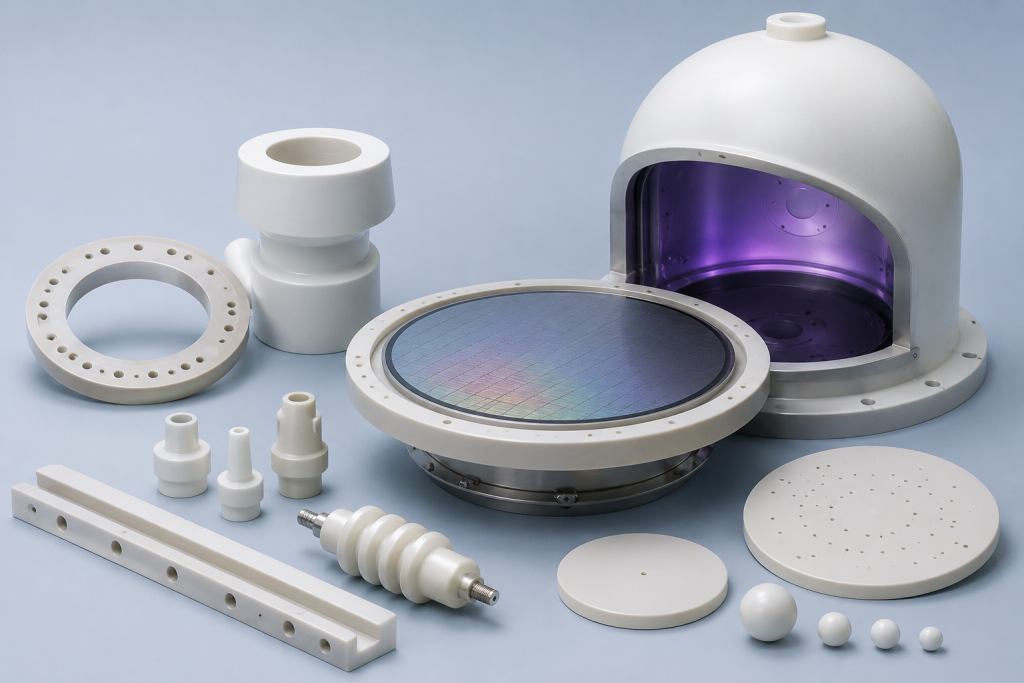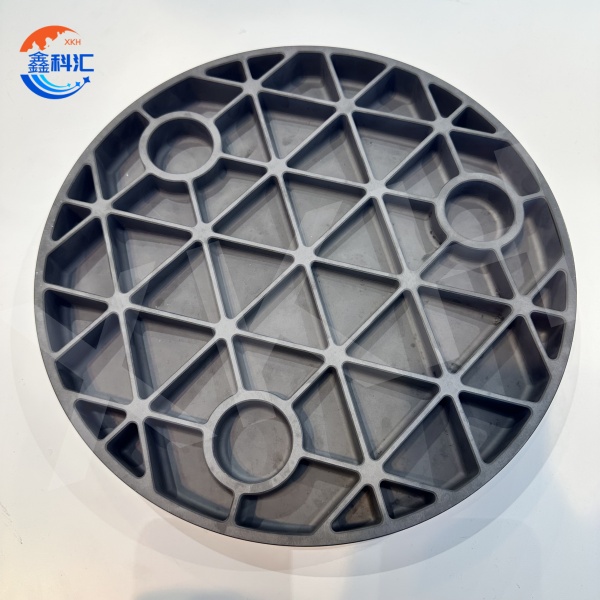
Porous ceramics are advanced ceramic materials characterized by interconnected pore structures or controlled porosity. Unlike dense ceramics, they combine mechanical stability with permeability, high surface area, thermal resistance, and excellent chemical durability. These unique properties make porous ceramics essential in a wide range of industrial applications, from environmental protection to energy systems and advanced manufacturing.
This article provides a structured overview of the key application areas of porous ceramics.
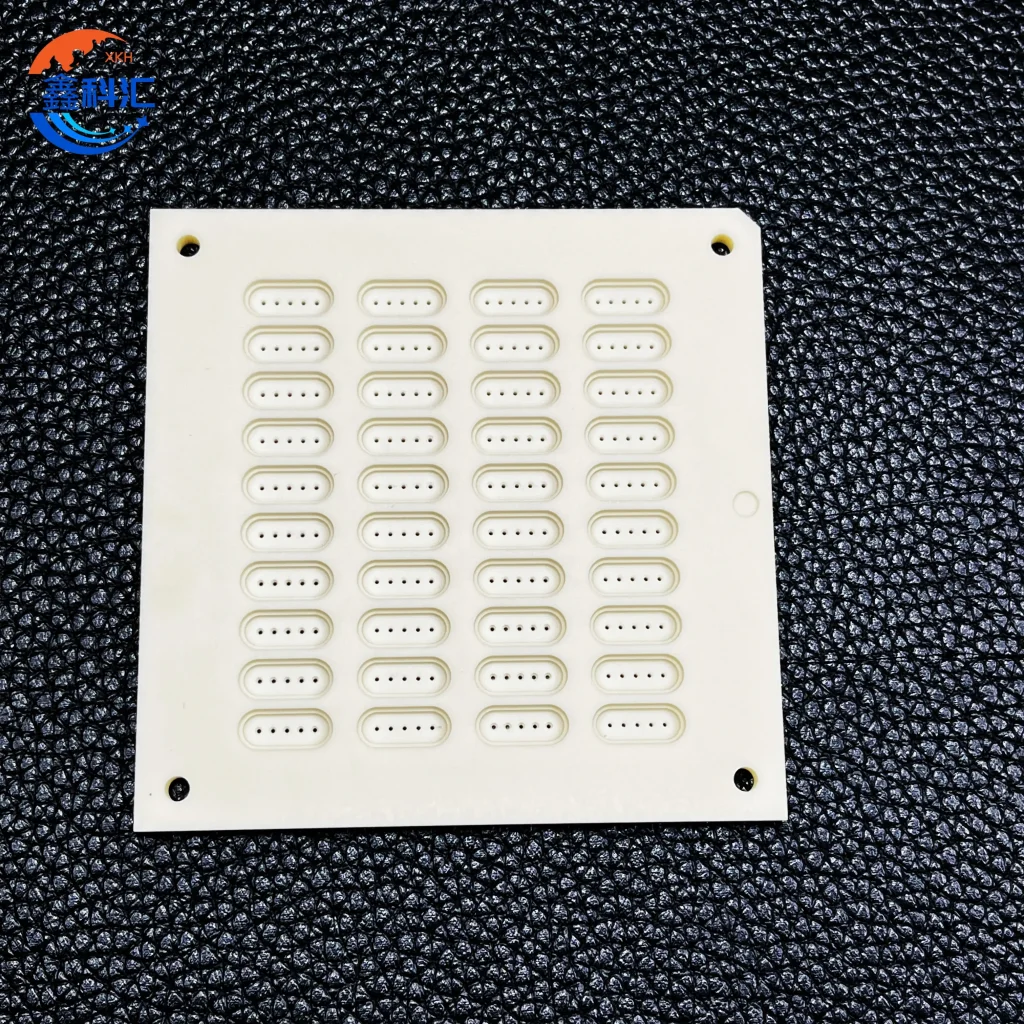
1. Key Properties of Porous Ceramics
The widespread use of porous ceramics is driven by their unique material advantages:
- Adjustable porosity (typically 20%–80%)
- Excellent high-temperature resistance (often >1000°C depending on material system)
- Strong chemical and corrosion resistance
- Controlled pore size distribution (micro / meso / macro pores)
- Lightweight structure with high strength balance
- High permeability for gases and liquids
- Stable long-term performance in harsh environments
Common material systems include alumina (Al₂O₃), silicon carbide (SiC), and zirconia (ZrO₂).
2. Environmental Protection and Water Treatment
One of the most important application fields for porous ceramics is filtration and purification.
2.1 Industrial Wastewater Filtration
Porous ceramic filters are widely used to remove:
- Suspended solids
- Heavy metal particles
- Oil and grease contaminants
Compared with polymer-based membranes, porous ceramics offer:
- Higher temperature resistance
- Excellent chemical stability
- Longer service life
- Reusability after high-temperature cleaning
2.2 Air Filtration and Dust Removal
In high-temperature gas filtration systems (such as metallurgy and incineration plants), porous ceramics are used for:
- Hot gas filtration
- Dust and particulate removal
- Corrosive gas environments
Their advantage lies in stable performance under extreme thermal and chemical conditions.
3. Chemical and Catalysis Industry
Porous ceramics serve as ideal catalyst supports due to their high surface area and structural stability.
3.1 Catalyst Supports
They are widely applied in:
- Hydrogenation reactions
- Oxidation processes
- Organic synthesis reactions
Benefits include:
- Improved catalytic efficiency
- Uniform catalyst dispersion
- Enhanced reaction stability and lifetime
3.2 Gas–Liquid Distribution Media
In chemical reactors and towers, porous ceramics help to:
- Ensure uniform gas distribution
- Improve mass transfer efficiency
- Reduce localized overheating
4. Energy and New Energy Applications
With the rapid development of the energy sector, porous ceramics are playing an increasingly important role in advanced energy systems.
4.1 Fuel Cells
Used as:
- Gas diffusion layers
- Support structures for electrodes
They help improve:
- Reaction efficiency
- Thermal stability
- Long-term durability
4.2 Thermal Energy Systems
In high-temperature insulation and heat management systems:
- Reduce thermal loss
- Improve system efficiency
- Maintain structural stability under thermal cycling
5. Metallurgy and High-Temperature Industry
Porous ceramics are widely used in extreme industrial environments such as steel and foundry processes.
Applications include:
- Molten metal filtration
- Gas purification in furnaces
- High-temperature insulation components
Their key advantage is stable performance under aggressive thermal shock conditions.
6. Electronics and Precision Manufacturing
In high-end manufacturing industries, porous ceramics are used for precision control systems.
Typical uses include:
- Vacuum chucks and adsorption platforms
- Wafer handling systems
- Precision airflow control components
Their benefits include:
- Stable vacuum distribution
- High dimensional stability
- Clean, particle-free operation environment
Conclusion
Porous ceramics have become indispensable advanced materials across multiple industries due to their combination of permeability, thermal stability, and chemical resistance. From environmental filtration to semiconductor manufacturing and energy systems, their role continues to expand as industrial requirements for efficiency, durability, and precision increase.
As material engineering advances, future porous ceramics will offer even more tailored pore structures and application-specific performance, further broadening their industrial impact.