產業新聞

陶瓷散熱片 vs 陶瓷散熱器:主要差異與工程角色

In high-power electronics, semiconductor packaging, LED systems, and RF devices, thermal management is one of the most critical factors affecting performance and reliability. As power density continues to increase, two terms are frequently used: Ceramic Heatsink and Ceramic Heat Spreader. Although they sound similar, they serve very different roles in a thermal system. In simple […]

陶瓷散熱片 vs 陶瓷散熱器:主要差異與工程角色 閱讀更多 »
從光刻到晶圓製造:碳化矽陶瓷如何帶動價值十億美元的半導體市場

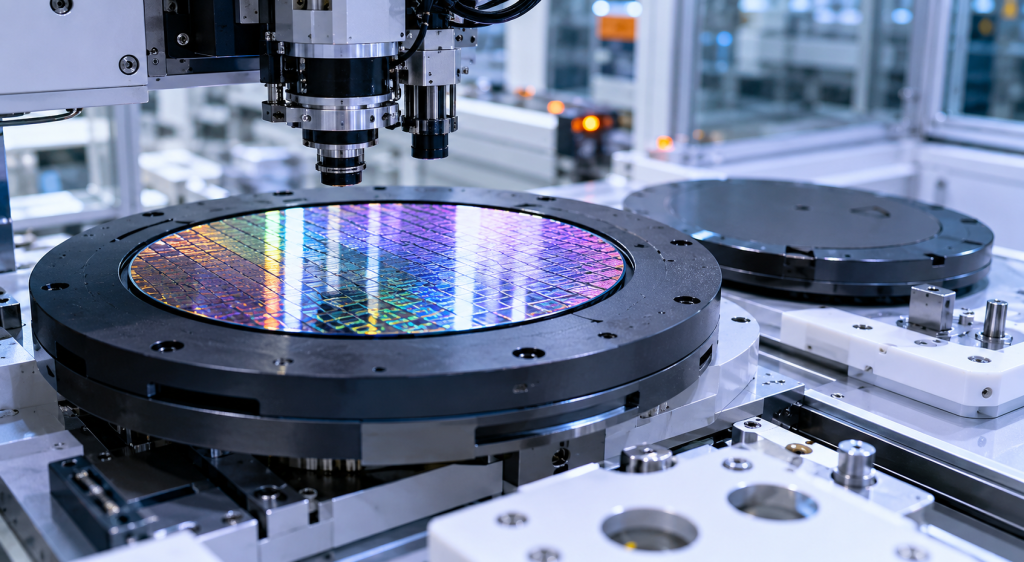
When people think about the semiconductor industry, they usually focus on chips, wafers, or advanced process nodes. However, behind every semiconductor breakthrough lies a less visible but equally critical foundation: advanced materials. As semiconductor manufacturing continues to pursue higher precision, smaller geometries, and faster production speeds, equipment performance requirements are becoming increasingly demanding. This shift

從光刻到晶圓製造:碳化矽陶瓷如何帶動價值十億美元的半導體市場 閱讀更多 »

碳化矽晶圓舟 vs 石英晶圓舟:哪個更好?

In semiconductor manufacturing, wafer handling components directly affect process stability, yield, and long-term operating cost. Among them, wafer boats play a critical role in transporting and supporting wafers during high-temperature diffusion, oxidation, epitaxy, and coating processes. Two of the most commonly used materials are Silicon Carbide (SiC) wafer boats and Quartz wafer boats. While both

碳化矽晶圓舟 vs 石英晶圓舟:哪個更好? 閱讀更多 »

功能陶瓷解釋:先進工程材料的科學概述

1. Introduction Functional ceramics are a class of inorganic, non-metallic materials designed not only for structural integrity but also for specific physical, chemical, electrical, optical, or thermal functions. Unlike traditional ceramics used mainly for bricks, tiles, or sanitary ware, functional ceramics are engineered at the microstructural level to deliver targeted performance in advanced technologies. They

功能陶瓷解釋:先進工程材料的科學概述 閱讀更多 »

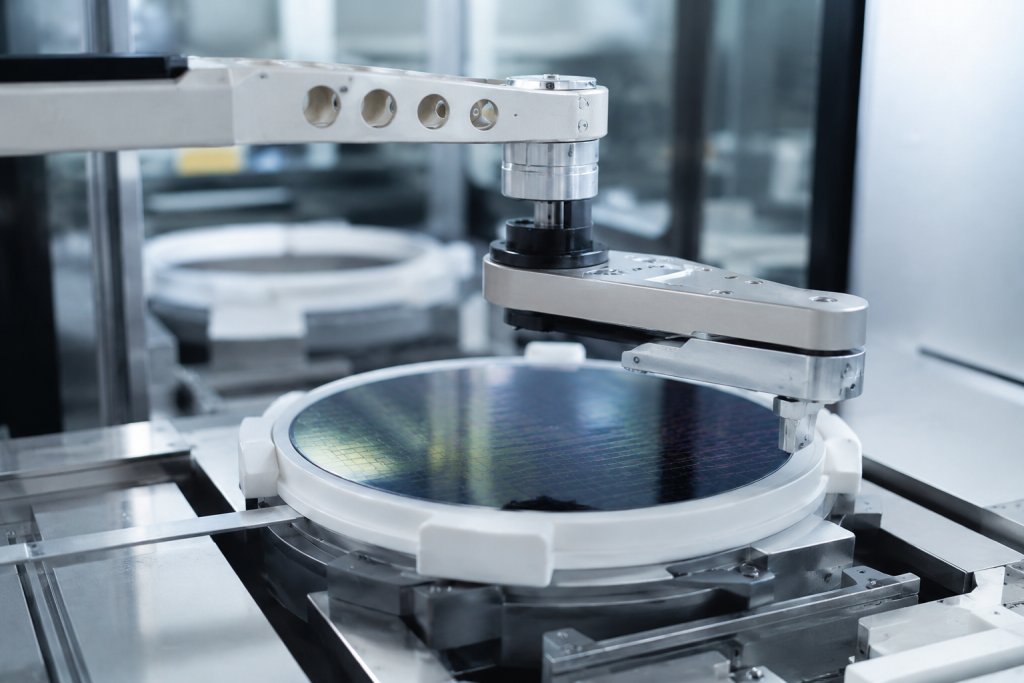
半導體設備中的先進陶瓷材料:應用與材料比較

In modern semiconductor manufacturing equipment, advanced ceramics are no longer optional components—they are critical enabling materials that determine precision, stability, and process reliability. From plasma etching chambers to wafer handling systems, different ceramic materials are selected based on thermal, electrical, and mechanical performance requirements. This article introduces the most widely used semiconductor-grade ceramics and provides

半導體設備中的先進陶瓷材料:應用與材料比較 閱讀更多 »

高性能熱管理:氧化鋁陶瓷散熱器取代傳統金屬解決方案的原因

As electronic devices continue to evolve toward higher power density, efficient heat dissipation has become one of the most critical challenges in modern engineering. Traditional metal heat sinks such as aluminum and copper are no longer sufficient in applications requiring both electrical insulation and thermal stability. This is where the alumina ceramic heat sink (Al₂O₃)

高性能熱管理:氧化鋁陶瓷散熱器取代傳統金屬解決方案的原因 閱讀更多 »

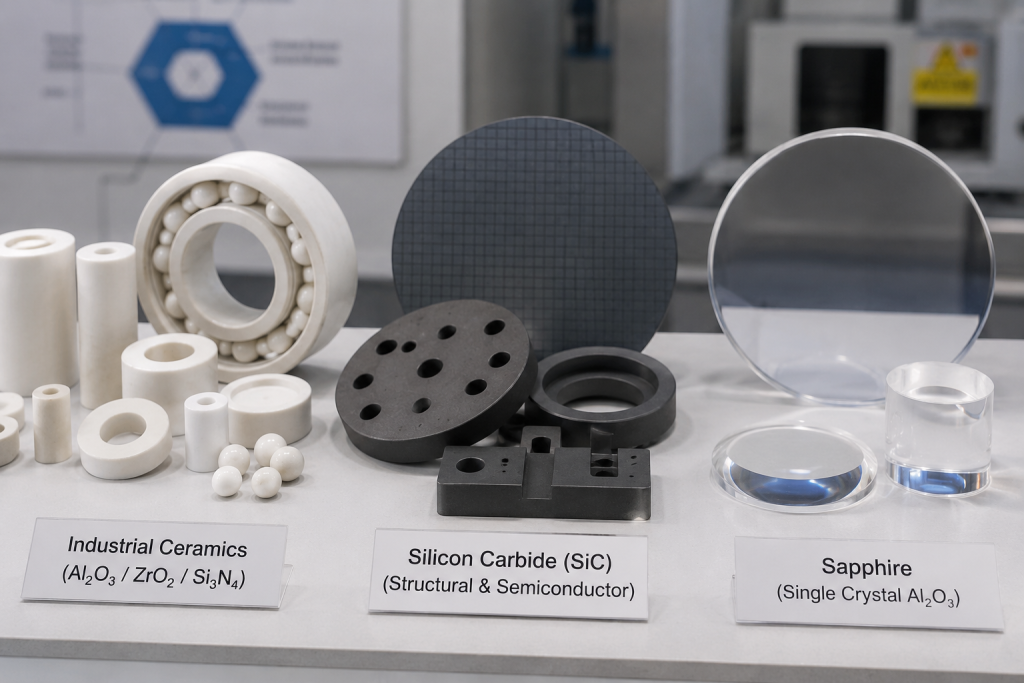
工業陶瓷 vs 碳化矽 vs 藍寶石:結構與功能材料的觀點

In advanced engineering industries such as semiconductors, precision machinery, and optical systems, industrial ceramics, silicon carbide (SiC), and sapphire are often compared as competing materials. However, this comparison is misleading if treated as a simple “which is better” question. A more accurate understanding is: These three materials represent three different material architectures, not just three

工業陶瓷 vs 碳化矽 vs 藍寶石:結構與功能材料的觀點 閱讀更多 »

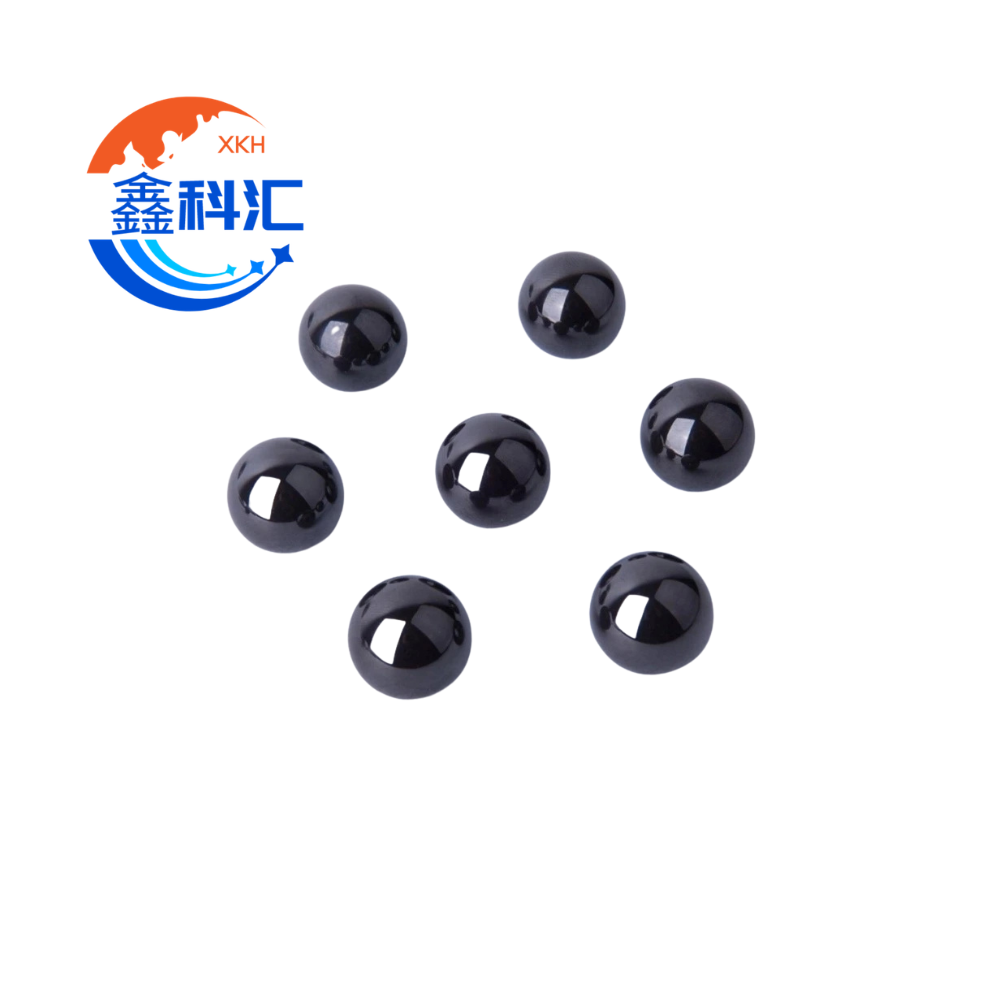
軸承用精密陶瓷球:材料選擇與性能

Precision ceramic balls are widely used in modern high-performance bearings where speed, reliability, and service life are critical. Compared with traditional steel balls, ceramic materials offer distinct advantages in friction reduction, wear resistance, and high-speed operation, making them essential components in aerospace, electric vehicles, precision machinery, and advanced manufacturing equipment. This article explains the main

軸承用精密陶瓷球:材料選擇與性能 閱讀更多 »

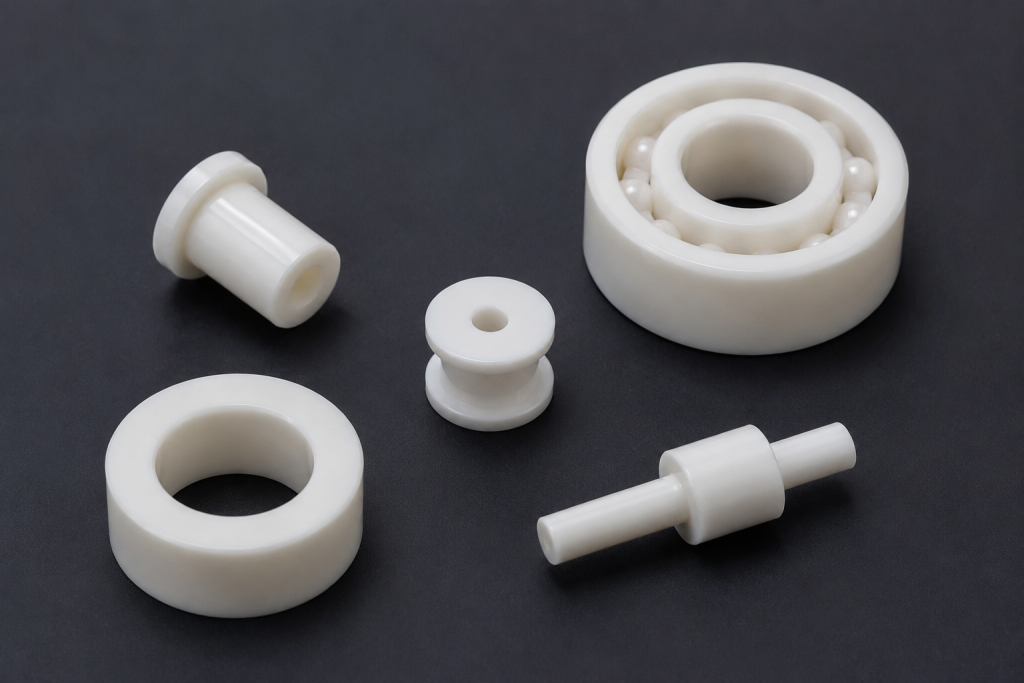
氧化鋯陶瓷零件如何提高設備壽命

Modern industrial equipment operates under increasingly demanding conditions. Higher speeds, elevated temperatures, abrasive environments, and continuous operation place tremendous stress on machine components. As industries pursue greater efficiency and lower maintenance costs, material selection has become a critical factor affecting system reliability and service life. Among advanced engineering ceramics, zirconia ceramic (ZrO₂) has gained significant

氧化鋯陶瓷零件如何提高設備壽命 閱讀更多 »

氧化鋯與氧化鋁:哪種陶瓷材料性能更好?

Advanced ceramics have become essential materials in industries requiring exceptional wear resistance, high strength, thermal stability, and chemical durability. Among the most widely used engineering ceramics, zirconia (ZrO₂) and alumina (Al₂O₃) stand out due to their broad industrial applications and excellent performance characteristics. However, engineers and purchasing teams often face a key question: Which ceramic

氧化鋯與氧化鋁:哪種陶瓷材料性能更好? 閱讀更多 »

用於半導體製造的結構陶瓷:材料、應用與未來趨勢

Modern semiconductor manufacturing requires unprecedented levels of precision, cleanliness, thermal stability, and reliability. As chip architectures continue to evolve toward smaller nodes, higher power density, and advanced packaging technologies, conventional metallic materials increasingly face limitations in process environments involving plasma exposure, ultra-high vacuum, aggressive chemicals, and extreme temperatures. Structural ceramics have therefore become indispensable materials

用於半導體製造的結構陶瓷:材料、應用與未來趨勢 閱讀更多 »