In semiconductor manufacturing, wafers must be processed, transported, heated and cooled under highly controlled conditions. During high-temperature processes such as diffusion, oxidation, annealing and LPCVD, wafers cannot simply be placed directly inside a furnace. They need a stable, clean and precisely designed carrier to hold them in position. This carrier is commonly known as a semiconductor wafer boat.
A wafer boat may look like a simple supporting fixture, but it plays an important role in process stability, wafer cleanliness and production yield. The choice of wafer boat material, structure and dimensional accuracy can directly affect thermal uniformity, particle control, wafer spacing and long-term equipment reliability.
What Is a Semiconductor Wafer Boat?
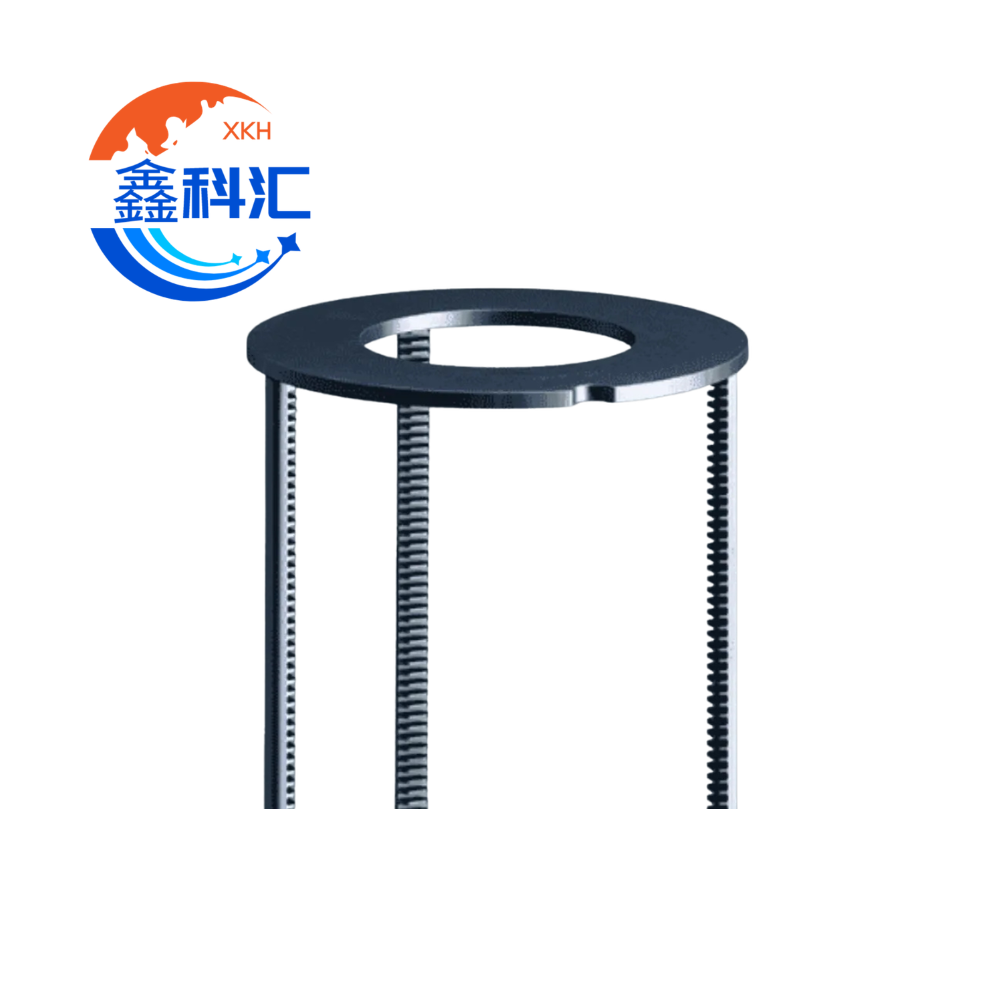
A semiconductor wafer boat is a precision carrier used to hold multiple wafers during thermal or chemical processing. It is usually designed with a series of slots or grooves so that wafers can be placed vertically or horizontally with equal spacing.
In many furnace systems, the wafer boat is loaded into a quartz tube, diffusion furnace or process chamber. It keeps each wafer separated, stable and properly aligned throughout the process. Depending on the equipment design, wafer boats may be used for silicon wafers, SiC wafers, sapphire wafers, compound semiconductor wafers or other advanced substrates.
The main function of a wafer boat is not only to support wafers, but also to maintain process consistency. A well-designed wafer boat helps reduce wafer movement, contamination, mechanical stress and temperature non-uniformity.
Why Wafer Boats Are Important in Semiconductor Processing
Semiconductor processes are extremely sensitive to contamination, temperature changes and mechanical damage. Even small particles, metal impurities or uneven wafer placement can affect device performance.
A wafer boat must therefore meet several key requirements:
- High thermal stability during repeated heating and cooling cycles
- Low particle generation in cleanroom environments
- High purity to reduce contamination risk
- Good mechanical strength at elevated temperatures
- Precise slot spacing for stable wafer positioning
- Chemical resistance against process gases and cleaning chemicals
- Long service life under repeated furnace operation
For high-volume semiconductor production, wafer boat quality can influence yield, maintenance frequency and process repeatability.
Common Materials Used for Semiconductor Wafer Boats
Different semiconductor processes require different wafer boat materials. The most common materials include silicon carbide, quartz and advanced ceramics such as alumina.
Silicon Carbide Wafer Boats
Silicon carbide, often called SiC, is widely used for high-temperature wafer boats. It offers excellent thermal stability, high mechanical strength and good resistance to chemical corrosion. SiC wafer boats are especially suitable for demanding furnace processes where dimensional stability and long service life are important.
SiC wafer boats may be used in oxidation, diffusion, annealing and other high-temperature processes. Compared with quartz, SiC generally provides better strength and thermal shock resistance, making it suitable for harsh semiconductor production environments.
Quartz Wafer Boats
Quartz wafer boats are also widely used in semiconductor processing. Quartz has high purity, good thermal resistance and excellent compatibility with many furnace systems. It is commonly used in processes where cleanliness and chemical stability are important.
Quartz wafer boats are often selected for silicon wafer processing, oxidation and diffusion applications. However, compared with SiC, quartz is more fragile and may have a shorter service life in certain high-temperature or high-load environments.
Alumina Ceramic Wafer Boats
Alumina ceramic wafer boats are used in some applications that require electrical insulation, wear resistance and good thermal stability. Alumina is a cost-effective advanced ceramic material with high hardness and good chemical resistance.
Although alumina may not always be the first choice for the most demanding semiconductor furnace environments, it can be suitable for specific equipment fixtures, laboratory applications and customized wafer support components.
Typical Structure of a Wafer Boat
A semiconductor wafer boat is usually designed according to wafer size, process temperature and furnace configuration. Common structural features include:
Slot Design
Slots are used to hold wafers at fixed intervals. The slot depth, width and angle must be controlled carefully to prevent wafer slipping, edge damage or unstable positioning.
Wafer Spacing
Uniform spacing between wafers allows process gases and heat to flow evenly. Incorrect spacing may lead to non-uniform film growth, oxidation differences or temperature variation.
End Plates and Support Rods
Many wafer boats use end plates and support rods to form a stable frame. The rods must be straight, strong and accurately positioned to ensure long-term dimensional stability.
Custom Dimensions
Wafer boats can be customized for different wafer sizes, such as 2 inch, 3 inch, 4 inch, 6 inch, 8 inch or 12 inch wafers. Custom designs may also be required for special furnace tubes, vertical furnaces or horizontal processing systems.
Main Applications of Semiconductor Wafer Boats
Wafer boats are used in many semiconductor and advanced material processes.
Diffusion Process
In diffusion furnaces, wafer boats hold wafers while dopants are introduced at high temperature. Stable wafer positioning is important for uniform dopant distribution.
Oxidation Process
During thermal oxidation, silicon wafers are exposed to oxygen or steam at high temperature. The wafer boat must maintain cleanliness and consistent spacing to help achieve uniform oxide layers.
Annealing Process
Annealing is used to repair crystal damage, activate dopants or improve material properties. A high-quality wafer boat helps ensure that wafers remain stable during temperature changes.
LPCVD Process
Low-pressure chemical vapor deposition requires clean and thermally stable wafer carriers. Wafer boats used in LPCVD must resist process gases and reduce particle contamination.
Advanced Substrate Processing
Wafer boats may also be used for SiC, sapphire, GaN, quartz, glass and compound semiconductor substrates. These applications often require customized materials and structures.
How to Choose the Right Wafer Boat
When selecting a semiconductor wafer boat, buyers and engineers should consider several technical factors.
Wafergrootte
The wafer boat must match the wafer diameter and thickness. Common wafer sizes include 2 inch, 4 inch, 6 inch, 8 inch and 12 inch. Slot design should also match the wafer edge and handling method.
Process Temperature
Different materials have different temperature limits. SiC is often preferred for demanding high-temperature applications, while quartz is widely used in many traditional furnace processes.
Cleanliness Requirement
For semiconductor use, material purity and particle control are critical. The wafer boat should be manufactured, cleaned and packaged according to the required cleanliness level.
Chemical Environment
Process gases and cleaning chemicals may affect the wafer boat material. Chemical compatibility should be checked before choosing quartz, SiC or ceramic materials.
Mechanische sterkte
The wafer boat must support the wafer load without deformation. For large wafers or repeated thermal cycles, strength and dimensional stability become especially important.
Aanpassingsvermogen
Many wafer boats are not standard products. Buyers may need customized slot numbers, spacing, length, rod diameter, end plate design or special machining features.
SiC Wafer Boat vs Quartz Wafer Boat
SiC and quartz are two common choices for semiconductor wafer boats.
SiC wafer boats offer higher mechanical strength, better thermal shock resistance and longer service life in many high-temperature applications. They are suitable for harsh furnace processes and repeated loading cycles.
Quartz wafer boats offer high purity and good chemical stability. They are widely used in silicon wafer processing and are compatible with many established furnace systems. However, quartz is more fragile and may be less suitable for heavy-load or extreme thermal cycling conditions.
The final choice depends on the process temperature, wafer type, equipment design, contamination requirements and cost considerations.
Key Specifications Buyers Should Confirm
Before ordering a wafer boat, it is important to confirm the following details:
- Wafer diameter and thickness
- Number of wafer slots
- Slot pitch and slot width
- Overall length, width and height
- Material requirement: SiC, quartz, alumina or other ceramic
- Maximum process temperature
- Furnace type: horizontal or vertical
- Surface finish requirement
- Cleanliness and packaging requirements
- Drawing, sample or equipment reference dimensions
Providing a technical drawing is usually the best way to ensure accurate production. If no drawing is available, a sample or detailed equipment information can help the manufacturer design the correct wafer boat.
Conclusie
A semiconductor wafer boat is a critical carrier component used to hold wafers during high-temperature and cleanroom processes. Although its structure may appear simple, it must meet strict requirements for purity, thermal stability, mechanical strength and dimensional accuracy.
SiC, quartz and alumina ceramic wafer boats each have their own advantages. SiC is suitable for demanding high-temperature and long-life applications. Quartz is widely used for high-purity furnace processing. Alumina ceramic may be selected for specific insulating or custom support applications.
For semiconductor manufacturers and equipment engineers, choosing the right wafer boat can improve process stability, reduce contamination risk and support reliable wafer production.