業界ニュース

半導体装置における先進セラミック材料:アプリケーションと材料比較

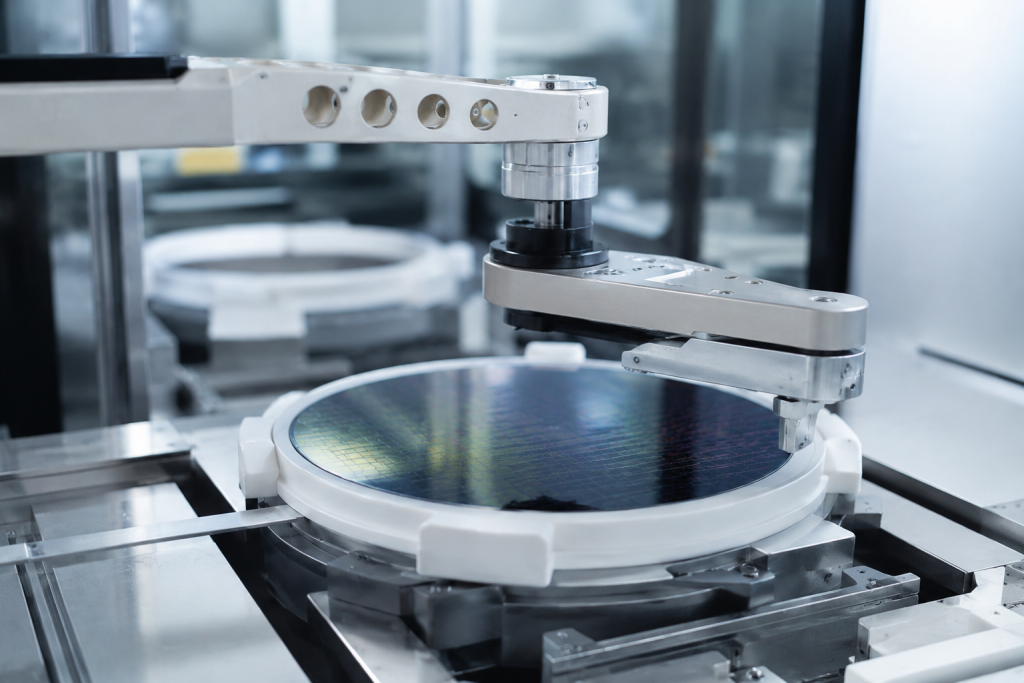
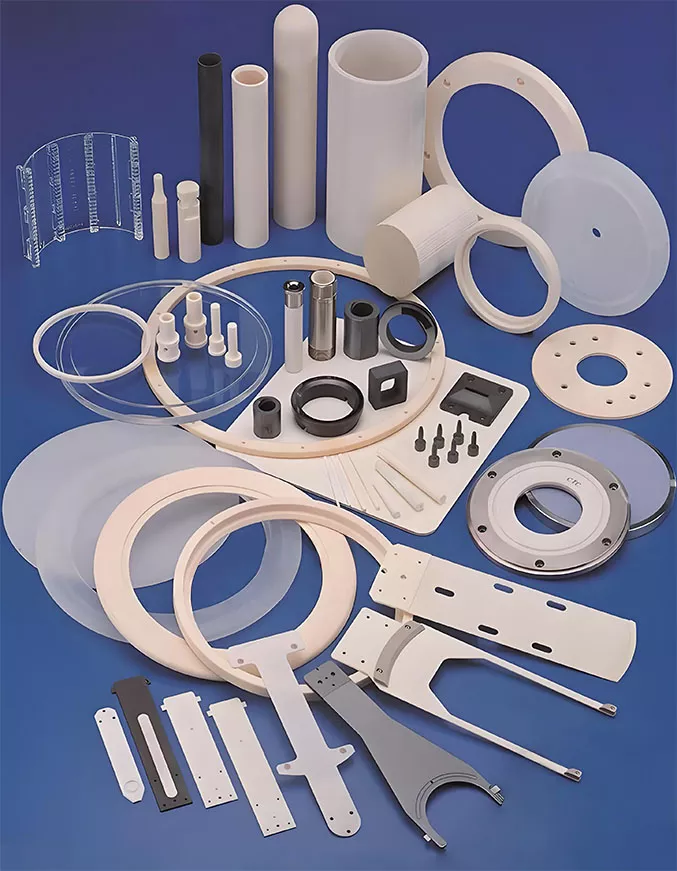
In modern semiconductor manufacturing equipment, advanced ceramics are no longer optional components—they are critical enabling materials that determine precision, stability, and process reliability. From plasma etching chambers to wafer handling systems, different ceramic materials are selected based on thermal, electrical, and mechanical performance requirements. This article introduces the most widely used semiconductor-grade ceramics and provides a clear technical comparison for engineering and procurement decision-making. 1. Why Ceramics Are Essential in Semiconductor Equipment Semiconductor production environments involve: Traditional metals fail in insulation, corrosion resistance, or thermal stability. Advanced ceramics solve these limitations. 2. Most Widely Used Ceramic Materials 2.1 Alumina (Al₂O₃) – The Industry Standard Material Alumina ceramic is the most […]

半導体装置における先進セラミック材料:アプリケーションと材料比較 続きを読む »

高性能熱管理:アルミナセラミックヒートシンクが従来の金属ソリューションに取って代わる理由

As electronic devices continue to evolve toward higher power density, efficient heat dissipation has become one of the most critical challenges in modern engineering. Traditional metal heat sinks such as aluminum and copper are no longer sufficient in applications requiring both electrical insulation and thermal stability. This is where the alumina ceramic heat sink (Al₂O₃) plays a key role. Combining excellent thermal performance with outstanding insulation properties, alumina ceramic materials are increasingly used in power electronics, LED systems, and high-voltage environments. What Is an Alumina Ceramic Heat Sink? An alumina ceramic heat sink is a thermal management component made from high-purity aluminum oxide (Al₂O₃). Unlike metal-based heat sinks, alumina ceramics

高性能熱管理:アルミナセラミックヒートシンクが従来の金属ソリューションに取って代わる理由 続きを読む »

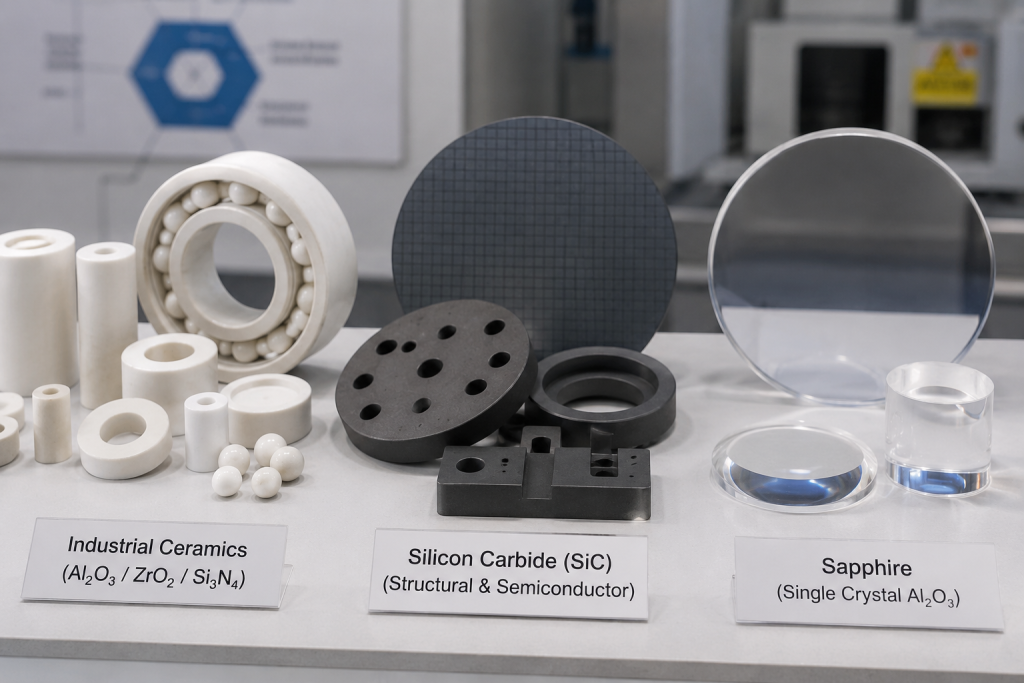
産業用セラミックス vs 炭化ケイ素 vs サファイア:構造・機能材料の観点から

In advanced engineering industries such as semiconductors, precision machinery, and optical systems, industrial ceramics, silicon carbide (SiC), and sapphire are often compared as competing materials. However, this comparison is misleading if treated as a simple “which is better” question. A more accurate understanding is: These three materials represent three different material architectures, not just three performance levels. They belong to different “material design philosophies,” not just different material families. 1. Industrial Ceramics: The Engineering Foundation Layer Industrial ceramics refer to a broad class of polycrystalline materials, including: Core Concept: Designed Trade-Off Materials Industrial ceramics are not defined by extreme performance, but by: balanced engineering optimization between cost, machinability, and durability

産業用セラミックス vs 炭化ケイ素 vs サファイア:構造・機能材料の観点から 続きを読む »

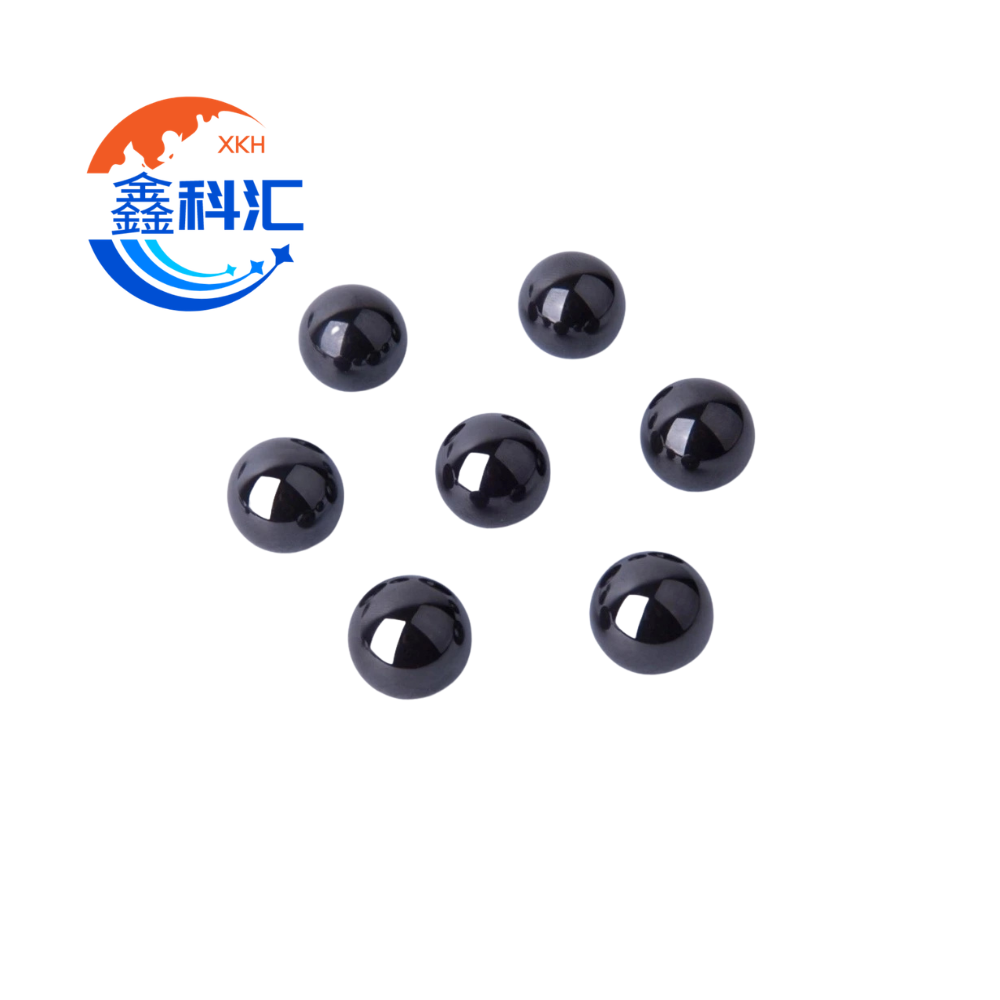
ベアリング用精密セラミックボール:材料選択と性能

Precision ceramic balls are widely used in modern high-performance bearings where speed, reliability, and service life are critical. Compared with traditional steel balls, ceramic materials offer distinct advantages in friction reduction, wear resistance, and high-speed operation, making them essential components in aerospace, electric vehicles, precision machinery, and advanced manufacturing equipment. This article explains the main ceramic materials used in bearing balls, their performance characteristics, and key engineering considerations for selection. 1. What Are Precision Ceramic Bearing Balls? Precision ceramic bearing balls are spherical rolling elements manufactured from advanced technical ceramics. They replace or complement steel balls inside bearings to improve mechanical and thermal performance. Common materials include: These materials are

ベアリング用精密セラミックボール:材料選択と性能 続きを読む »

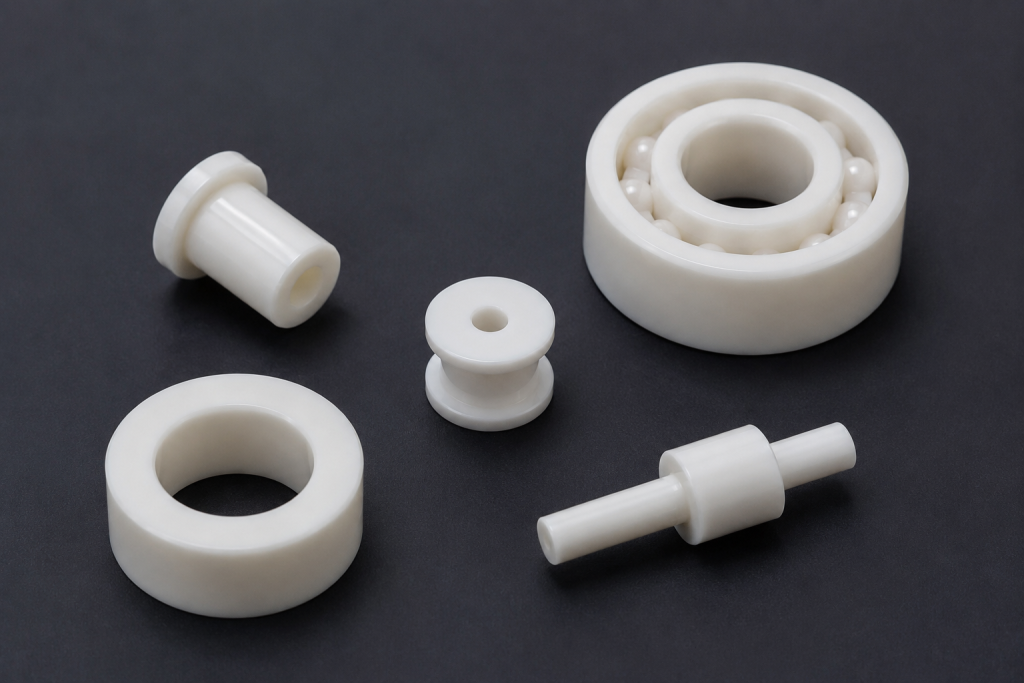
ジルコニア・セラミック部品が装置の寿命を向上させる理由

Modern industrial equipment operates under increasingly demanding conditions. Higher speeds, elevated temperatures, abrasive environments, and continuous operation place tremendous stress on machine components. As industries pursue greater efficiency and lower maintenance costs, material selection has become a critical factor affecting system reliability and service life. Among advanced engineering ceramics, zirconia ceramic (ZrO₂) has gained significant attention due to its outstanding mechanical strength, wear resistance, and durability. Compared with conventional metals and many traditional ceramics, zirconia components can substantially improve equipment longevity and reduce operational downtime. This article explores how zirconia ceramic parts enhance equipment life, key material advantages, industrial applications, and important selection considerations. Why Equipment Components Fail Most industrial

ジルコニア・セラミック部品が装置の寿命を向上させる理由 続きを読む »

ジルコニアとアルミナ:どちらのセラミック材料がより良い性能を発揮するか?

Advanced ceramics have become essential materials in industries requiring exceptional wear resistance, high strength, thermal stability, and chemical durability. Among the most widely used engineering ceramics, zirconia (ZrO₂) and alumina (Al₂O₃) stand out due to their broad industrial applications and excellent performance characteristics. However, engineers and purchasing teams often face a key question: Which ceramic material performs better—zirconia or alumina? The answer depends on operating conditions, mechanical requirements, cost targets, and application environments. This article provides a detailed comparison of zirconia and alumina across material properties, performance, applications, and selection guidelines. Understanding Zirconia and Alumina Ceramics What Is Zirconia Ceramic? Zirconia, or zirconium dioxide (ZrO₂), is an advanced ceramic known

ジルコニアとアルミナ:どちらのセラミック材料がより良い性能を発揮するか? 続きを読む »

半導体製造用構造セラミックス:材料、アプリケーション、将来の動向

Modern semiconductor manufacturing requires unprecedented levels of precision, cleanliness, thermal stability, and reliability. As chip architectures continue to evolve toward smaller nodes, higher power density, and advanced packaging technologies, conventional metallic materials increasingly face limitations in process environments involving plasma exposure, ultra-high vacuum, aggressive chemicals, and extreme temperatures. Structural ceramics have therefore become indispensable materials in semiconductor equipment. Their unique combination of mechanical strength, wear resistance, thermal stability, corrosion resistance, and electrical properties makes them essential for wafer processing, handling, deposition, etching, and inspection systems. This article provides an in-depth analysis of structural ceramics used in semiconductor manufacturing, including material types, critical properties, equipment applications, selection criteria, and future industry

半導体製造用構造セラミックス:材料、アプリケーション、将来の動向 続きを読む »

セラミック真空チャック

半導体製造における多孔質セラミックス:高度な材料設計による高精度の実現

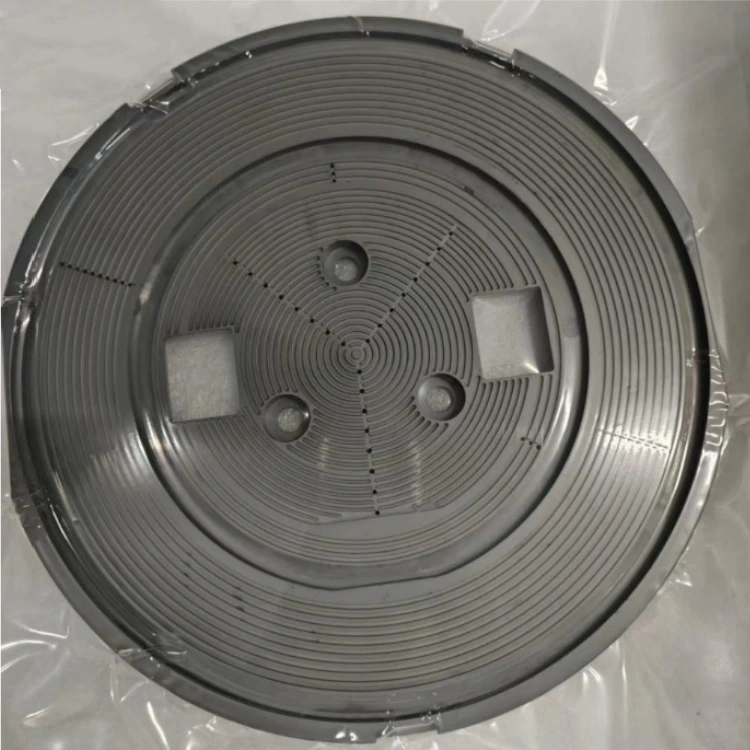
多孔質セラミックスは、材料内部に相互連結した、あるいは閉じた細孔構造を形成する特殊な加工技術によって製造されるエンジニアリングセラミックス材料です。その多孔率は通常20%から90%の範囲にあり、細孔サイズは設計要件に応じてナノメートル規模からミリメートル規模までさまざまです。 その独特な内部構造と、耐高温性、耐食性、優れた絶縁性、構造的安定性といった卓越した物理的特性により、多孔質セラミックスは半導体製造においてますます重要な役割を果たすようになっています。これらの材料は、さまざまな半導体用途において、プロセスの精度、生産歩留まり、および装置の信頼性を向上させる上で極めて重要な役割を果たしています。 その数多くの用途の中でも、特に重要な用途の一つがセラミック製真空チャックです。多孔質セラミックの独自性とは?

半導体製造における多孔質セラミックス:高度な材料設計による高精度の実現 続きを読む »

半導体セラミックスの解説:現代技術を変える機能性電子セラミックス

半導体セラミックスは、材料の改質を制御することで半導体としての挙動を示すように設計された、電子用セラミックス材料の特殊な分類です。 従来の導電性材料とは異なり、その電気的特性は、温度、光、電界、湿度、周囲のガスといった外部条件に対して非常に敏感です。この独自の応答性により、半導体セラミックスは環境の変化を電気信号に変換することができ、幅広いセンシングやインテリジェント電子機器の用途において不可欠な存在となっています。 今日、半導体セラミックスは、現代の電子機器、自動化システム、環境モニタリング、家電製品、そして新興のスマート技術において重要な役割を果たしています。半導体セラミックスとは? 半導体セラミックスとは、半導体特性を示すように結晶粒および粒界が改質されたセラミックス材料のことです。一つ

半導体セラミックスの解説:現代技術を変える機能性電子セラミックス 続きを読む »

セラミック基板:AIコンピューティング、光モジュール、パワー半導体を支えるコア材料革命

人工知能(AI)の演算処理が加速し、データ伝送速度が向上し、次世代パワーエレクトロニクスが進化を続ける中、半導体パッケージング技術は根本的な変革を遂げつつあります。従来の基板材料は、熱管理、電気的性能、集積密度の面で限界に直面しつつあります。 こうした背景のもと、セラミック基板はニッチな用途から脱却し、将来の半導体システムを支える重要な基盤材料として台頭しつつあります。AIアクセラレータや高帯域幅メモリ(HBM)のパッケージングから、超高速光モジュールやパワー半導体デバイスに至るまで、セラミック基板は今や、先進的な電子アーキテクチャを支える重要な基盤の一つとして認識されています。 セラミック基板が重要な理由 基板は、チップ、相互接続、およびパッケージングシステムを結びつける構造的・電気的なプラットフォームとして機能します。従来、有機基板は

セラミック基板:AIコンピューティング、光モジュール、パワー半導体を支えるコア材料革命 続きを読む »

半導体装置におけるアルミナセラミック部品:機能、構造、および高度なアプリケーション

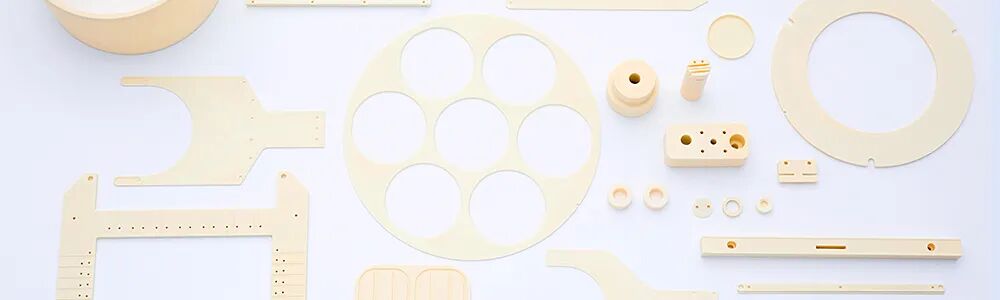
半導体デバイスが、より微細なノード、より高い集積密度、そしてより高い加工精度へと進化し続けるにつれ、半導体製造装置内部において、超高純度で耐熱性・プラズマ安定性に優れた材料への需要が大幅に高まっています。先進的なエンジニアリングセラミックの中でも、高純度アルミナセラミック(Al₂O₃)は、半導体製造システム全体を通じて最も広く使用されている材料の一つであり続けています。 プラズマエッチングチャンバーからウェーハハンドリングシステム、熱処理装置に至るまで、アルミナセラミック部品は、過酷な動作条件下においても、優れた電気絶縁性、機械的安定性、耐摩耗性、および耐食性を発揮します。 今日、高純度アルミナセラミックスは、エッチングシステム、成膜装置、CMPプラットフォーム、イオン注入システム、拡散炉、ウェーハ搬送モジュールなど、半導体製造装置において広く使用されています。アルミナセラミックスが選ばれる理由

半導体装置におけるアルミナセラミック部品:機能、構造、および高度なアプリケーション 続きを読む »

半導体装置用精密セラミック部品:先進セラミック・アプリケーションの包括的概要

半導体製造が、より微細なプロセスノード、高集積化、そして超高清浄な生産環境へと進むにつれ、精密セラミック部品は半導体製造装置全体において不可欠なものとなっています。 先端セラミックスは、リソグラフィ、エッチング、薄膜成膜、イオン注入、CMP、パッケージング、およびウェーハハンドリングシステムなどで広く使用されています。これらのセラミック部品は、ウェーハの支持、プラズマ耐性、絶縁、ガス分配、熱管理、汚染制御、精密な動作誘導など、極めて重要な機能を果たしています。 卓越した硬度、熱安定性、耐食性、低パーティクル発生性、および電気的特性により、精密セラミックスは次世代の半導体製造において不可欠な材料となっています。半導体製造装置において精密セラミックスが重要な理由 現代の半導体製造装置は、極めて過酷な条件下で稼働しています。従来の金属材料は、しばしば

半導体装置用精密セラミック部品:先進セラミック・アプリケーションの包括的概要 続きを読む »