Alumina Ceramic Components in Semiconductor Equipment: Functions, Structures, and Advanced Applications

As semiconductor devices continue evolving toward smaller nodes, higher integration density, and greater processing precision, the demand for ultra-clean, heat-resistant, and plasma-stable materials inside semiconductor equipment has increased significantly. Among advanced engineering ceramics, high-purity alumina ceramic (Al₂O₃) remains one of the most widely used materials across semiconductor manufacturing systems.

From plasma etching chambers to wafer handling systems and thermal processing equipment, alumina ceramic components provide excellent electrical insulation, mechanical stability, wear resistance, and corrosion protection under harsh operating conditions.

Today, high-purity alumina ceramics are extensively used in semiconductor fabrication equipment including etching systems, deposition tools, CMP platforms, ion implantation systems, diffusion furnaces, and wafer transfer modules.

Why Alumina Ceramics Are Important in Semiconductor Manufacturing

Semiconductor fabrication involves multiple highly controlled processes such as:

  • Plasma etching
  • Thin film deposition
  • Photolithography
  • Chemical mechanical polishing (CMP)
  • Ion implantation
  • Thermal annealing
  • Oxidation and diffusion

These processes expose internal equipment components to:

  • High-energy plasma
  • Vacuum environments
  • Corrosive gases and chemicals
  • High temperatures
  • Mechanical wear and vibration

Traditional metal materials often struggle in such environments due to contamination risks, thermal expansion, or chemical instability. High-purity alumina ceramics solve many of these challenges through their unique combination of properties.

Key Properties of High-Purity Alumina Ceramics

High-purity alumina used in semiconductor equipment generally exceeds 99.5% purity and offers:

Excellent Electrical Insulation

Alumina maintains high electrical resistivity even at elevated temperatures, making it ideal for plasma chambers and electrostatic systems.

Outstanding Plasma Resistance

The material demonstrates strong resistance to plasma erosion and chemical attack in fluorine- and chlorine-based environments.

High Mechanical Strength

Alumina ceramics provide excellent rigidity, hardness, and structural stability under demanding operating conditions.

Superior Wear Resistance

Low wear characteristics make alumina suitable for moving mechanical assemblies and wafer contact components.

High Temperature Stability

Alumina performs reliably in vacuum and high-temperature processing environments commonly found in semiconductor equipment.

Main Applications of Alumina Ceramics in Semiconductor Processes

1. Plasma Etching Systems

In plasma etching equipment, alumina ceramics are commonly used for:

  • Chamber liners
  • Plasma shields
  • Focus rings
  • Edge protection components

These parts help reduce contamination and protect chamber structures from plasma erosion.

2. Thin Film Deposition Equipment

In CVD, PECVD, and PVD systems, alumina ceramics are widely used in:

  • Electrostatic chucks (ESC)
  • Ceramic heaters
  • Chamber insulation structures
  • Gas distribution assemblies

Their thermal stability and insulation performance help maintain uniform deposition conditions.

3. Chemical Mechanical Polishing (CMP)

CMP processes require components with:

  • Low wear rates
  • Chemical resistance
  • Dimensional stability

Alumina ceramic components used in CMP equipment include:

  • Polishing plates
  • Vacuum chucks
  • Transfer arms
  • Guide structures

4. Ion Implantation & Thermal Processing

In ion implantation, annealing, oxidation, and diffusion systems, alumina ceramics are used because of their:

  • Thermal resistance
  • Electrical insulation
  • Structural reliability

These properties support stable wafer processing under high-temperature conditions.

Common Alumina Ceramic Components in Semiconductor Equipment

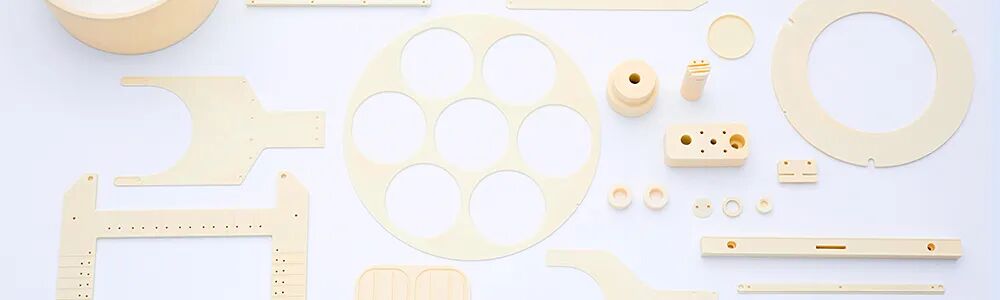
Ring & Cylindrical Components

This category includes:

  • Focus rings
  • Edge rings
  • Protection rings
  • Chamber liners
  • Insulation cylinders
  • Thermal protection tubes

These components are mainly used to:

  • Control plasma distribution
  • Protect chamber structures
  • Improve process stability

Gas Flow Management Components

Ceramic Nozzles

Used for process gas delivery and directional gas control in deposition and etching chambers.

Gas Distribution Plates

Help maintain uniform gas flow and stable plasma density across the wafer surface.

Nozzle Covers

Support gas injection assemblies while also reducing residue accumulation inside the chamber.

Structural & Support Components

Wafer Support Platforms

Used as carrier structures for wafers during processing.

Lift Pins

Enable wafer loading and unloading inside semiconductor chambers.

Ceramic Guide Rails & Bearings

Support precise mechanical movement while maintaining wear resistance and insulation.

Ceramic Fasteners

Ceramic screws and fastening parts replace metals in high-temperature or electrically isolated areas.

Wafer Handling & Insulation Components

Wafer Handling Arms

High-strength ceramic robotic arms are used for wafer transfer inside vacuum environments.

Ceramic Insulation Plates

Prevent unwanted electrical conduction between chamber structures.

Ceramic Heat Dissipation Parts

Assist with thermal management and localized cooling.

Advanced Alumina Ceramic Modules

Vacuum Chucks

Vacuum chucks hold wafers flat through vacuum suction during:

  • Etching
  • CMP
  • Inspection processes

Integrated cooling channels help improve thermal control and process consistency.

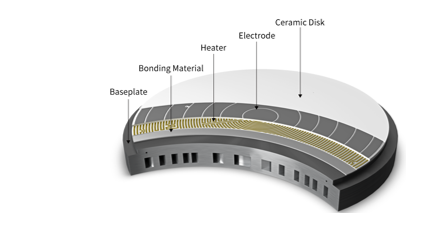
Electrostatic Chucks (ESC)

Electrostatic chucks use electrostatic force to hold wafers during plasma processing.

Alumina ceramics are widely used because they provide:

  • Electrical insulation
  • Plasma resistance
  • Thermal stability

ESC systems are essential in advanced etching and deposition equipment.

Ceramic Heaters

Ceramic heaters provide stable and uniform wafer heating in:

  • Deposition systems
  • Annealing equipment
  • Thermal processing tools

Although alumina is widely used, aluminum nitride (AlN) heaters are often selected when higher thermal conductivity is required.

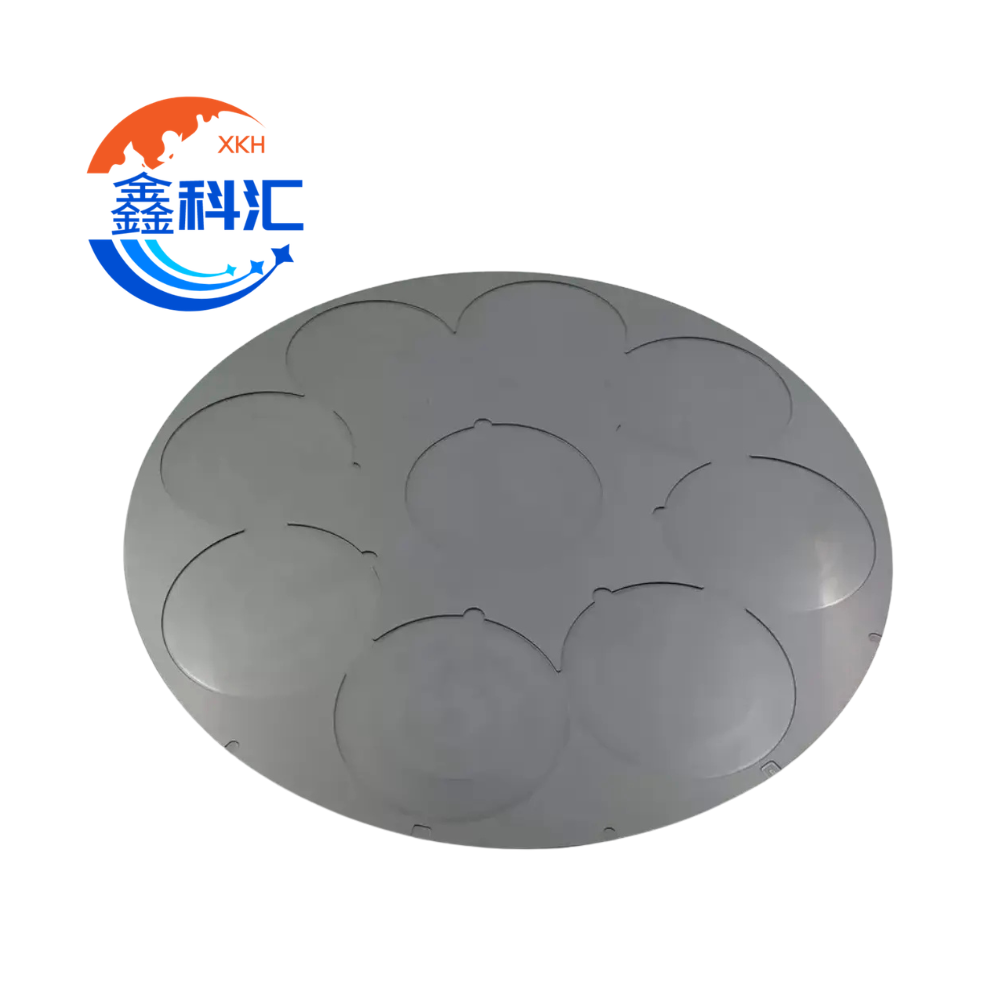
CMP Polishing Plates

Alumina polishing components maintain excellent flatness and wear resistance during long-duration polishing operations.

Why Semiconductor Equipment Uses High-Purity Ceramics

Compared with traditional engineering materials, advanced ceramics provide several advantages:

PropertyAlumina Ceramic Advantage
Electrical InsulationExcellent
Plasma ResistanceHigh
Wear ResistanceExcellent
Thermal StabilityStrong
Chemical ResistanceExcellent
Particle ControlLow contamination
Vacuum CompatibilityExcellent

These advantages make alumina ceramics indispensable in modern semiconductor equipment.

Market Trends and Industry Outlook

As semiconductor manufacturing continues moving toward:

  • Advanced process nodes
  • Higher wafer throughput
  • More aggressive plasma chemistries
  • Cleaner process environments

The demand for precision ceramic components is expected to grow steadily.

Manufacturing semiconductor-grade alumina components requires:

  • High-purity raw materials
  • Precision machining capability
  • Strict contamination control
  • Advanced ceramic processing technology

Because of these high technical barriers, semiconductor ceramic components remain a specialized and technology-intensive market.

Conclusion

High-purity alumina ceramic components have become essential materials throughout semiconductor manufacturing equipment. Their excellent insulation performance, plasma resistance, wear resistance, and thermal stability allow semiconductor tools to operate reliably in extreme processing environments.

From plasma etching chambers and electrostatic chucks to wafer handling arms and ceramic heaters, alumina ceramics continue playing a critical role in enabling stable, precise, and contamination-controlled semiconductor production.

As semiconductor technologies continue advancing, the importance of advanced ceramic materials in semiconductor equipment will only continue to increase.