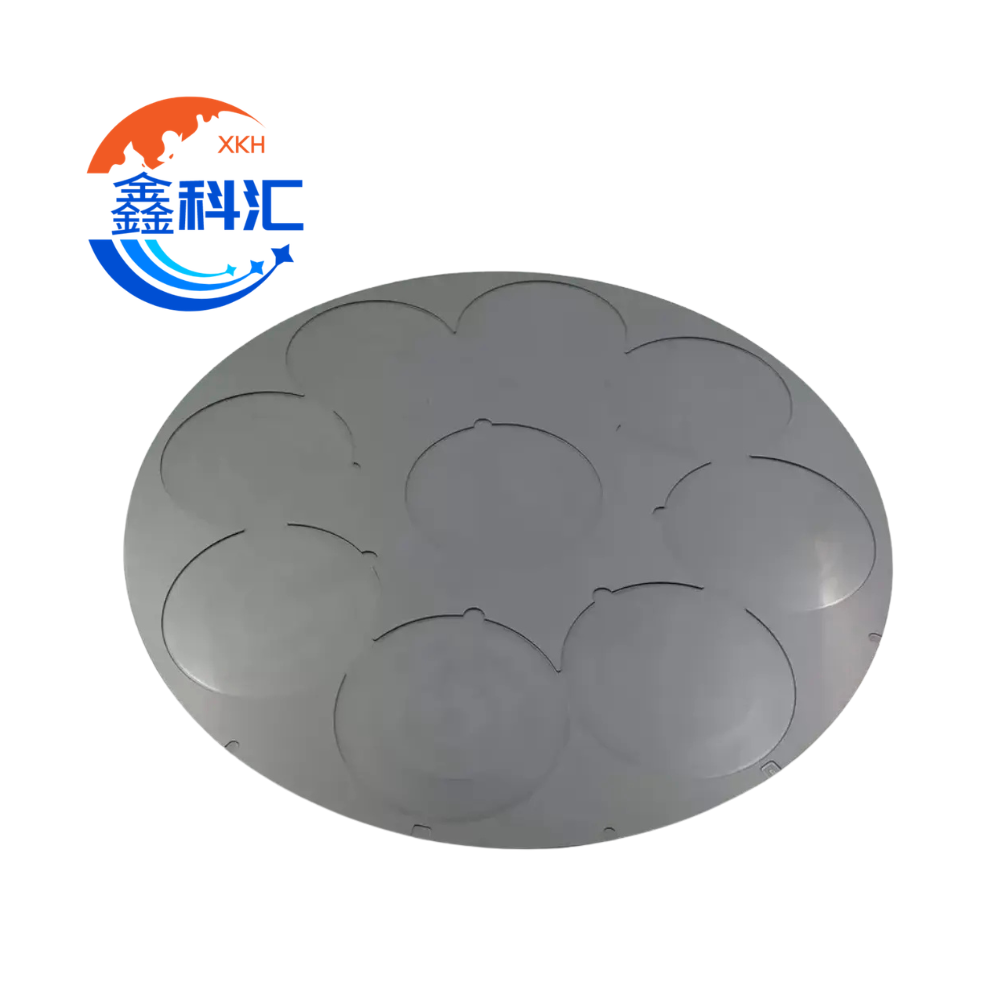
Ahogy a félvezető eszközök egyre kisebb csomópontok, nagyobb integrációs sűrűség és nagyobb feldolgozási pontosság felé fejlődnek, jelentősen megnőtt az igény a félvezető berendezéseken belüli ultra-tiszta, hőálló és plazma-stabil anyagok iránt. A fejlett műszaki kerámiák közül a nagy tisztaságú timföldkerámia (Al₂O₃) továbbra is az egyik legszélesebb körben használt anyag a félvezetőgyártó rendszerekben.
A plazmavéső kamrák, a szeletkezelő rendszerek és a hőfeldolgozó berendezések alumínium-oxid-kerámia alkatrészek kiváló elektromos szigetelést, mechanikai stabilitást, kopásállóságot és korrózióvédelmet biztosítanak a zord üzemi körülmények között.
Ma, nagy tisztaságú alumínium-oxid kerámia széles körben használják a félvezetőgyártó berendezésekben, beleértve a maratási rendszereket, a leválasztó eszközöket, a CMP platformokat, az ionimplantációs rendszereket, a diffúziós kemencéket és a szeletátviteli modulokat.
Miért fontosak az alumínium-oxid-kerámiák a félvezetőgyártásban?
A félvezetőgyártás több, szigorúan ellenőrzött folyamatot foglal magában, mint például:
- Plazma maratás
- Vékonyfilm leválasztás
- Fotolitográfia
- Kémiai mechanikai polírozás (CMP)
- Ionbeültetés
- Termikus lágyítás
- Oxidáció és diffúzió
Ezek a folyamatok a berendezés belső alkatrészeit kiteszik:
- Nagyenergiájú plazma
- Vákuumos környezet
- Maró gázok és vegyi anyagok
- Magas hőmérséklet
- Mechanikai kopás és rezgés
A hagyományos fémanyagok gyakran küzdenek ilyen környezetben a szennyeződések, a hőtágulás vagy a kémiai instabilitás miatt. A nagy tisztaságú alumínium-oxid-kerámiák a tulajdonságaik egyedülálló kombinációjával számos ilyen kihívást megoldanak.
A nagy tisztaságú alumínium-oxid-kerámia legfontosabb tulajdonságai
A félvezető berendezésekben használt nagy tisztaságú timföld általában meghaladja a 99,5% tisztaságot és kínál:
Kiváló elektromos szigetelés
Az alumínium-oxid még magas hőmérsékleten is megőrzi magas elektromos ellenállását, így ideális plazmakamrákhoz és elektrosztatikus rendszerekhez.
Kiváló plazmaellenállás
Az anyag erős ellenállást mutat a plazmaerózióval és a fluor- és klóralapú környezetben történő kémiai támadásokkal szemben.
Nagy mechanikai szilárdság
Az alumínium-oxid-kerámia kiváló merevséget, keménységet és szerkezeti stabilitást biztosít igényes üzemi körülmények között.
Kiváló kopásállóság
Az alacsony kopási jellemzők miatt az alumínium-oxid alkalmas mozgó mechanikai szerelvények és ostyaérintkezési alkatrészek számára.
Magas hőmérsékleti stabilitás
Az alumínium-oxid megbízhatóan működik a félvezető berendezésekben gyakran előforduló vákuum- és magas hőmérsékletű feldolgozási környezetben.
Az alumínium-oxid-kerámia fő alkalmazásai a félvezető folyamatokban
1. Plazma maratási rendszerek
A plazma maró berendezésekben általában alumínium-oxid-kerámiát használnak:
- Kamrabélések
- Plazmapajzsok
- Fókuszgyűrűk
- Élvédő alkatrészek
Ezek az alkatrészek segítenek csökkenteni a szennyeződéseket, és megvédik a kamraszerkezeteket a plazmaeróziótól.
2. Vékonyfilm leválasztó berendezések
A CVD, PECVD és PVD rendszerekben az alumínium-oxid-kerámiákat széles körben használják:
- Elektrosztatikus tokmányok (ESC)
- Kerámia fűtőtestek
- Kamrás szigetelőszerkezetek
- Gázelosztó szerelvények
Hőstabilitásuk és szigetelési teljesítményük segít fenntartani az egyenletes lerakódási körülményeket.
3. Kémiai mechanikai polírozás (CMP)
A CMP-folyamatokhoz olyan alkatrészekre van szükség, amelyek:
- Alacsony kopási arány
- Kémiai ellenállás
- Méretbeli stabilitás
A CMP berendezésekben használt alumínium-oxid-kerámia alkatrészek a következők:
- Polírozó lemezek
- Vákuum tokmányok
- Áthelyező karok
- Útmutató szerkezetek
4. Ionbeültetés és hőkezelés
Az ionimplantációs, lágyító, oxidációs és diffúziós rendszerekben alumínium-oxid-kerámiákat használnak, mivel:
- Hőellenállás
- Elektromos szigetelés
- Szerkezeti megbízhatóság
Ezek a tulajdonságok támogatják a stabil ostyafeldolgozást magas hőmérsékletű körülmények között.
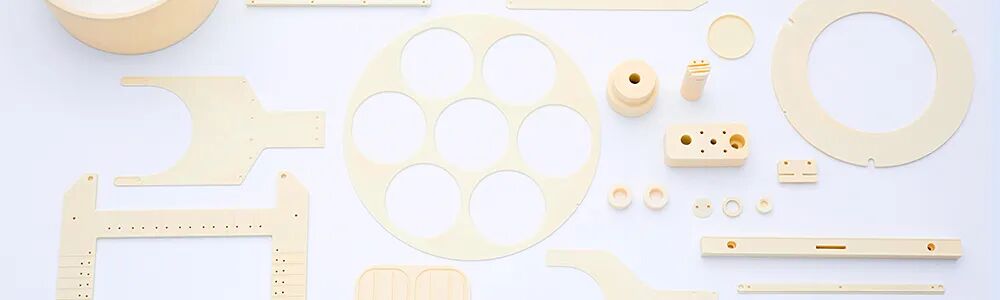
Közös alumínium-oxid-kerámia alkatrészek a félvezető berendezésekben
Gyűrűs és hengeres alkatrészek
Ez a kategória a következőket tartalmazza:
- Fókuszgyűrűk
- Peremgyűrűk
- Védőgyűrűk
- Kamrabélések
- Szigetelőhengerek
- Hővédő csövek
Ezeket az alkatrészeket elsősorban a következőkre használják:
- A plazmaeloszlás szabályozása
- Kamraszerkezetek védelme
- A folyamat stabilitásának javítása
Gázáramlás-szabályozó alkatrészek
Kerámia fúvókák
A folyamatgáz adagolásához és az irányított gázszabályozáshoz használják a leválasztó- és maratókamrákban.
Gázelosztó lemezek
Segít fenntartani az egyenletes gázáramlást és a stabil plazmasűrűséget az ostya felületén.
Fúvókafedelek
Támogatja a gázbefecskendező szerelvényeket, miközben csökkenti a maradványok felhalmozódását a kamrában.
Szerkezeti és tartóelemek
Wafer Support Platformok
Feldolgozás során az ostyák hordozószerkezeteként használják.
Emelőcsapok
Lehetővé teszi az ostyák be- és kirakodását a félvezető kamrákban.
Kerámia vezetősínek és csapágyak
Támogatja a pontos mechanikai mozgást, miközben fenntartja a kopásállóságot és a szigetelést.
Kerámia kötőelemek
A kerámia csavarok és rögzítőelemek a fémeket helyettesítik a magas hőmérsékletű vagy elektromosan elszigetelt területeken.
Szeletkezelő és szigetelő alkatrészek
Wafer kezelő karok
A nagy szilárdságú kerámia robotkarokat a vákuumkörnyezetben történő ostyatranszferhez használják.
Kerámia szigetelőlemezek
A kamraszerkezetek közötti nem kívánt elektromos vezetés megakadályozása.
Kerámia hőelvezető alkatrészek
Segítség a hőkezeléshez és a helyi hűtéshez.
Fejlett alumínium-oxid-kerámia modulok
Vákuum tokmányok
A vákuumtolókészülékek vákuumszívás révén tartják laposan az ostyákat:
- Radírozás
- CMP
- Ellenőrzési eljárások
Az integrált hűtőcsatornák javítják a hőszabályozást és a folyamatok konzisztenciáját.
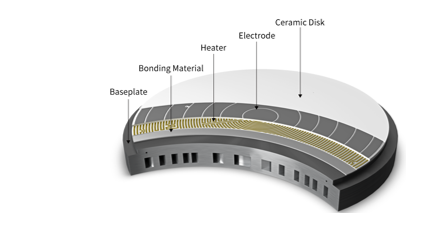
Elektrosztatikus tokmányok (ESC)
Az elektrosztatikus tokmányok elektrosztatikus erőt használnak az ostyák plazmafeldolgozás során történő rögzítésére.
Az alumínium-oxid-kerámiákat széles körben használják, mert:
- Elektromos szigetelés
- Plazma ellenállás
- Hőstabilitás
Az ESC-rendszerek alapvető fontosságúak a fejlett maró- és leválasztó berendezésekben.
Kerámia fűtőtestek
A kerámia fűtőtestek stabil és egyenletes ostya-fűtést biztosítanak:
- Leválasztó rendszerek
- Izzasztó berendezés
- Termikus feldolgozó eszközök
Bár a timföldet széles körben használják, az alumínium-nitrid (AlN) fűtőelemeket gyakran választják, ha nagyobb hővezető képességre van szükség.
CMP polírozó lemezek
Az alumínium-oxid polírozó alkatrészek kiváló síkosságot és kopásállóságot biztosítanak a hosszú ideig tartó polírozási műveletek során.
Miért használnak a félvezető berendezésekben nagy tisztaságú kerámiát?
A hagyományos műszaki anyagokkal összehasonlítva a fejlett kerámiák számos előnnyel rendelkeznek:
| Ingatlan | Alumínium-oxid-kerámia előnye |
|---|---|
| Elektromos szigetelés | Kiváló |
| Plazma ellenállás | Magas |
| Kopásállóság | Kiváló |
| Hőstabilitás | Erős |
| Kémiai ellenállás | Kiváló |
| Részecskék ellenőrzése | Alacsony szennyezettség |
| Vákuum kompatibilitás | Kiváló |
Ezek az előnyök teszik az alumínium-oxid-kerámiát nélkülözhetetlenné a modern félvezető berendezésekben.
Piaci trendek és ágazati kilátások
Ahogy a félvezetőgyártás tovább halad a:
- Fejlett technológiai csomópontok
- Nagyobb wafer áteresztőképesség
- Agresszívebb plazmakémiai eljárások
- Tisztább technológiai környezet
A precíziós kerámia alkatrészek iránti kereslet várhatóan folyamatosan nőni fog.
A félvezető minőségű alumínium-oxid alkatrészek gyártása megköveteli:
- Nagy tisztaságú nyersanyagok
- Precíziós megmunkálási képesség
- Szigorú szennyeződés-ellenőrzés
- Fejlett kerámia feldolgozási technológia
E magas technikai akadályok miatt a félvezető kerámia alkatrészek továbbra is speciális és technológiaigényes piacot jelentenek.
Következtetés
A nagy tisztaságú alumínium-oxid-kerámia alkatrészek alapvető anyagokká váltak a félvezetőgyártó berendezésekben. Kiváló szigetelési teljesítményük, plazmaállóságuk, kopásállóságuk és hőstabilitásuk lehetővé teszi, hogy a félvezető eszközök szélsőséges feldolgozási környezetben is megbízhatóan működjenek.
A plazmavéső kamrák és az elektrosztatikus tokmányoktól kezdve az ostyakezelő karokig és a kerámia fűtőberendezésekig az alumínium-oxid-kerámia továbbra is kritikus szerepet játszik a stabil, pontos és szennyeződés-ellenőrzött félvezetőgyártás lehetővé tételében.
A félvezető technológiák folyamatos fejlődésével a fejlett kerámiaanyagok jelentősége a félvezető berendezésekben csak tovább fog nőni.